Quick answer
TOG is a standardized measure of thermal insulation: the higher the TOG, the warmer the sleep bag. For most rooms kept at 68–72°F (20–22°C), a 1.0 TOG sleep bag is a practical starting point. But TOG alone doesn't guarantee comfort—fit, fabric, and your baby's own temperature matter just as much. Use TOG as a guide, not a guarantee.
What TOG actually measures (and what it doesn't)
TOG stands for Thermal Overall Grade, a lab-tested rating of how well a garment traps heat. It was originally developed for the textile industry and later adopted for baby sleep wear. A 1.0 TOG bag provides roughly the same insulation as a light quilt, while a 2.5 TOG bag is closer to a winter duvet. But TOG doesn't account for the fabric's breathability, the fit, or how your baby sleeps. A plush mink sleeping bag with a sherpa inner, like the Hudson Baby Mink with Sherpa Inner (product ID 789389), may feel warmer than its TOG suggests because of the fabric's loft and the way it hugs the body. Always check the specific TOG rating on the product label—if it's not listed, treat it as a decision limitation and ask the manufacturer.
How to match TOG to your baby's room temperature
The most reliable approach is to dress your baby in a base layer (onesie or pajamas) and then choose a TOG based on the room's temperature. As a general guide: for rooms 75–80°F (24–27°C), use 0.5 TOG; for 68–72°F (20–22°C), use 1.0 TOG; for 61–67°F (16–19°C), use 2.5 TOG. These are starting points, not rules. Every baby runs differently. A baby who runs warm may be comfortable in a lower TOG even in a cooler room, while a baby who runs cold may need a higher TOG. The key is to check your baby's chest or back—not their hands or feet—to gauge comfort. If the chest feels hot or sweaty, drop a TOG; if it feels cool, add one.
Why fabric and fit can matter more than the TOG number
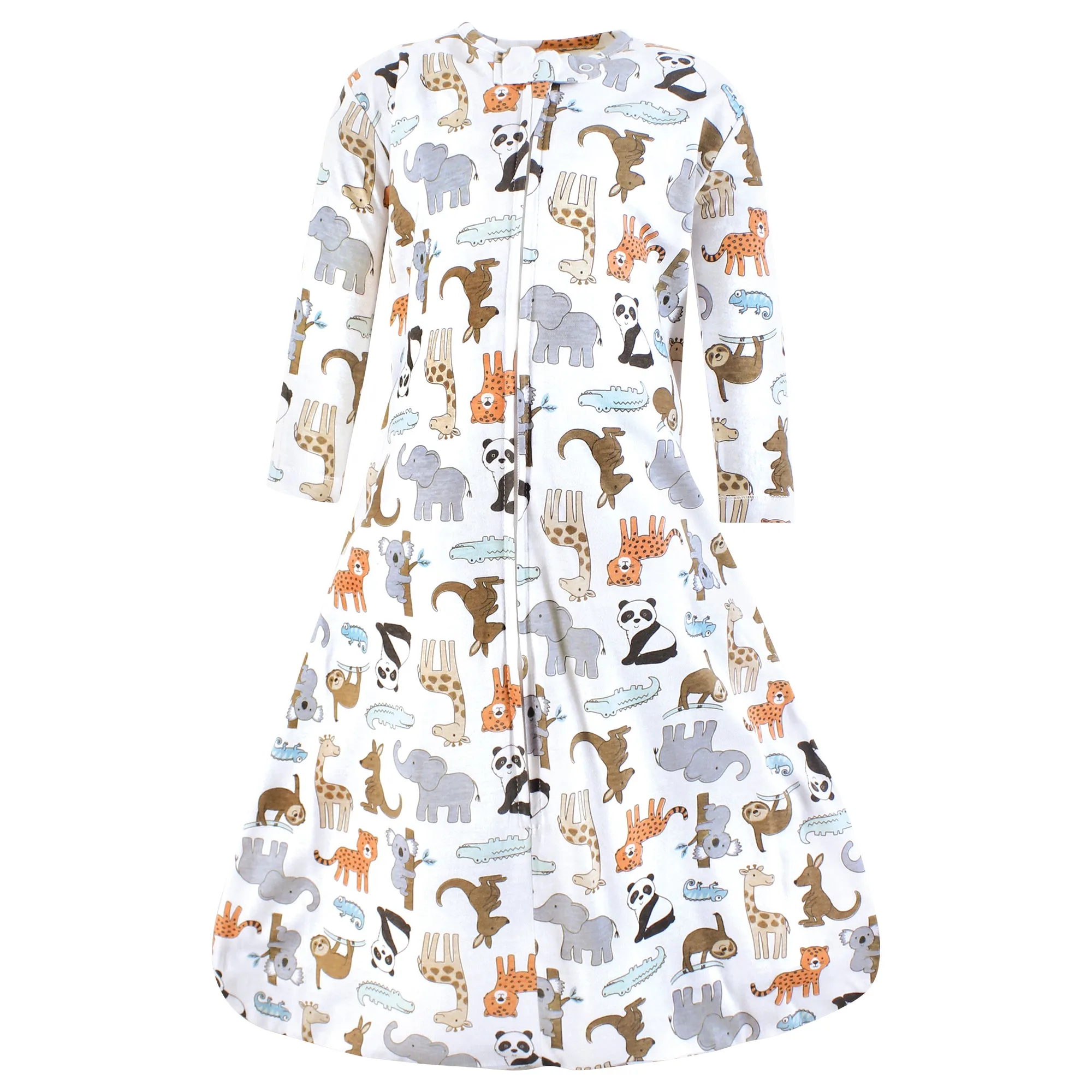
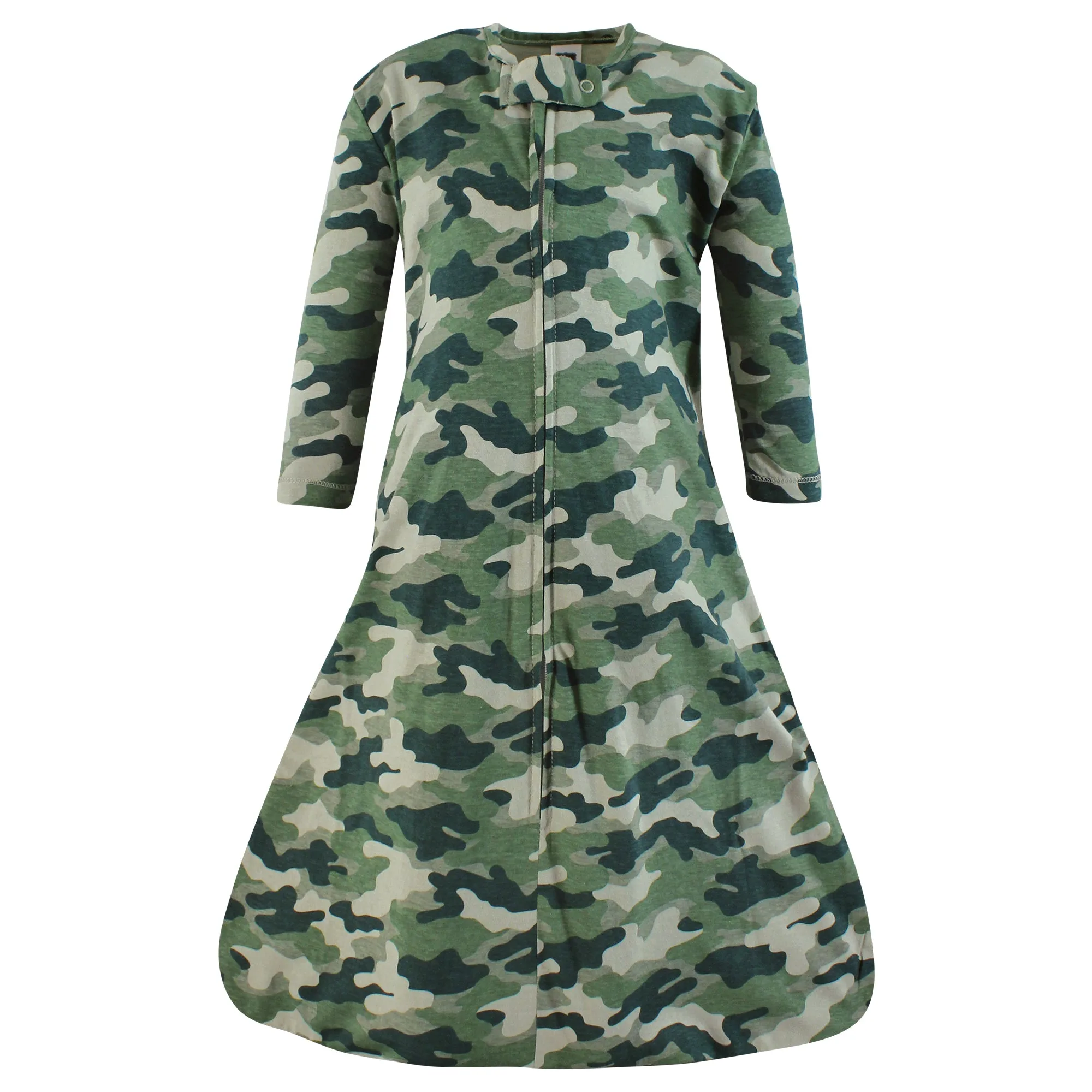
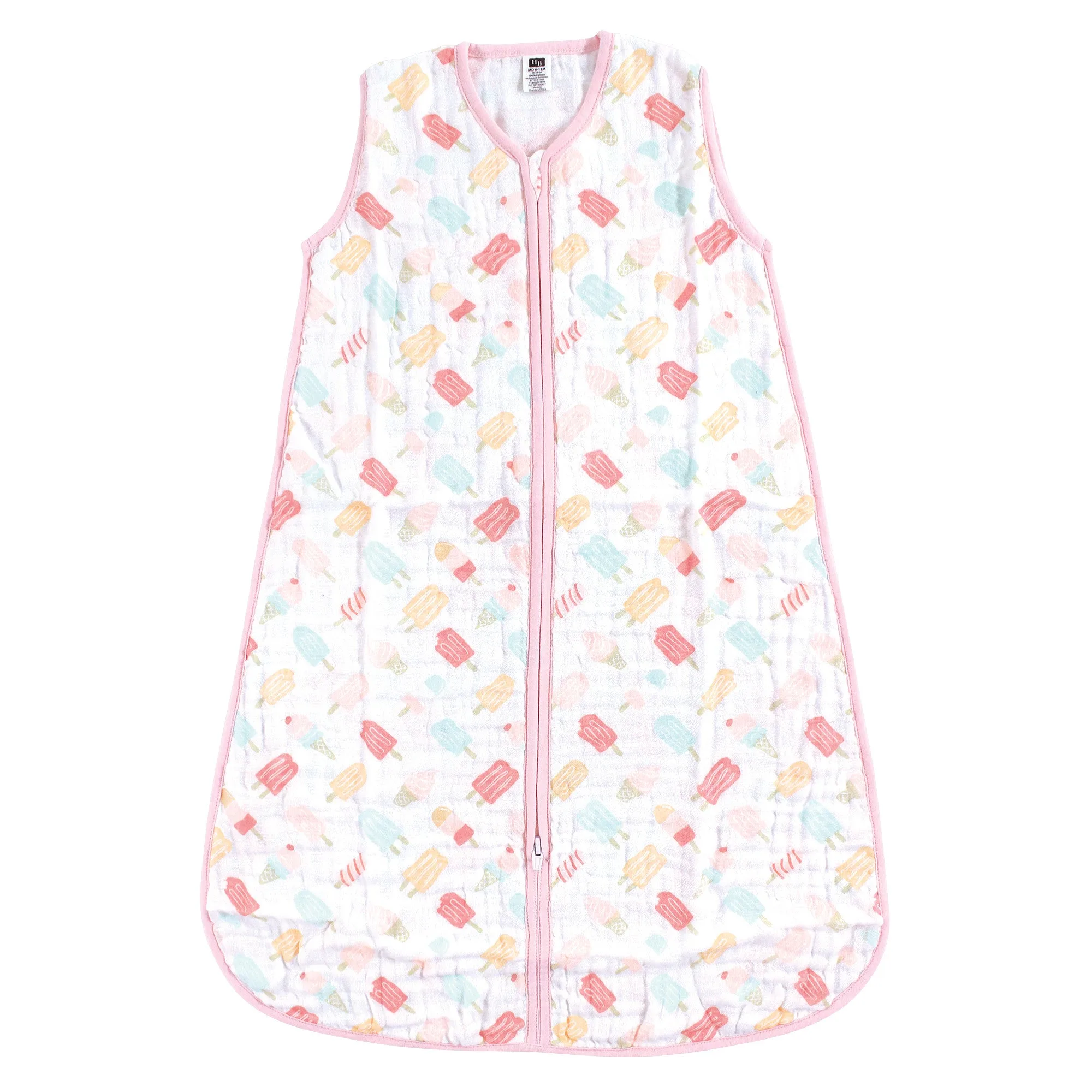
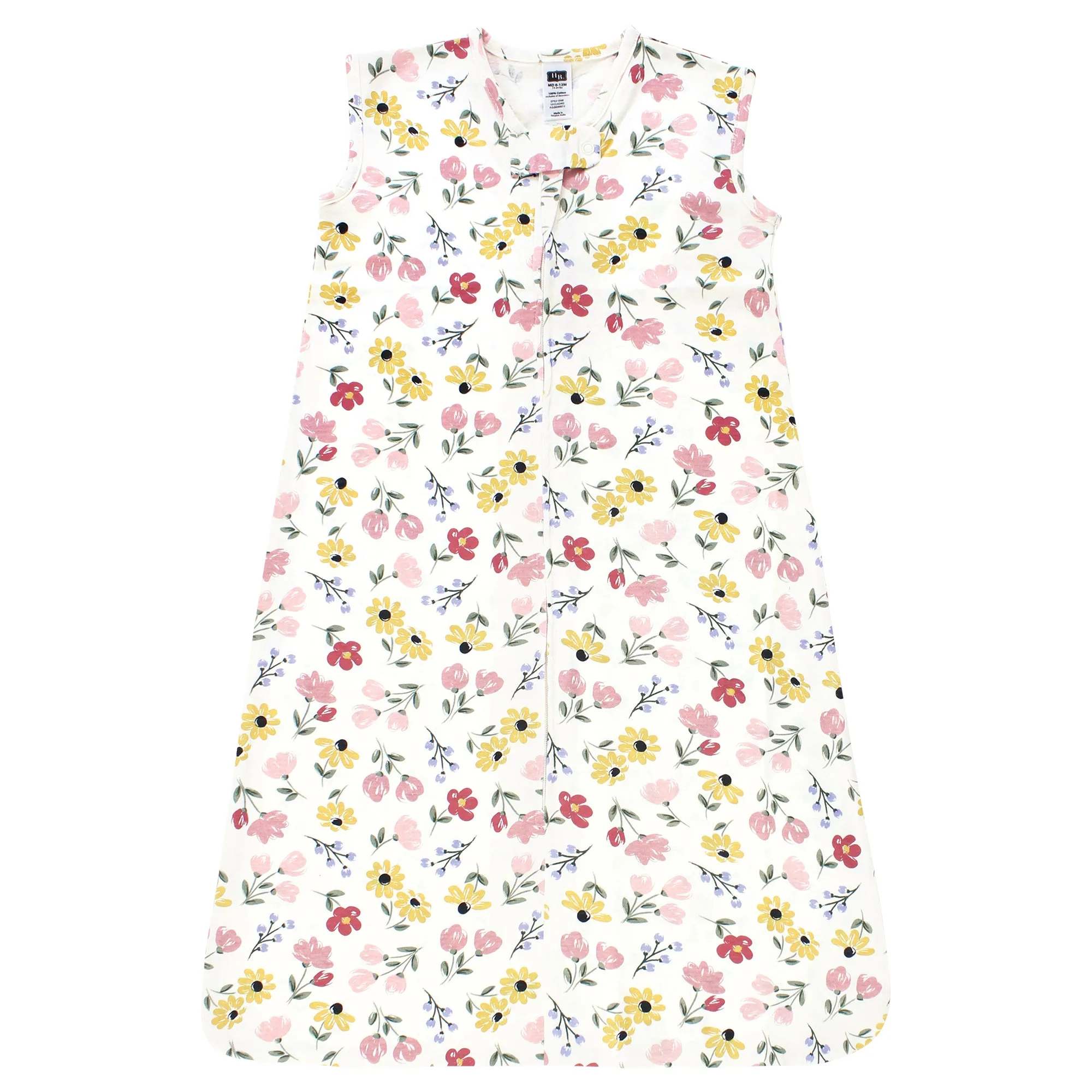
Two sleep bags with the same TOG can feel very different. A sleeveless sleeping bag allows for airflow and reduces overheating risk, while a bag with long sleeves traps more heat. The Hudson Baby Plush Sleeping Bag, Sack, Blanket, Sleeveless Tribal (product ID 789758) is sleeveless, so it's a good choice for babies who tend to run warm or for rooms where the temperature fluctuates. Fit also matters: a bag that's too large can shift and create gaps that let heat escape, while one that's too small restricts movement. Always follow the manufacturer's size chart and check that the neckline is snug but not tight. Remember, a sleep bag is not a substitute for a blanket—it's a wearable blanket designed to be worn over pajamas.
Common TOG myths that lead to overheating or discomfort
Myth: 'Higher TOG is always safer.' Actually, overbundling is a risk factor for overheating, which is linked to SIDS. The goal is to keep your baby comfortably warm, not hot. Myth: 'TOG ratings are standardized across all brands.' In reality, there is no universal enforcement, so a 1.0 TOG from one brand may not equal another's. Always check the specific product's rating and test it with your baby. Myth: 'You need a different TOG for every season.' Not necessarily—many parents find two TOG levels (e.g., 1.0 and 2.5) cover most of the year when combined with different pajama weights. Myth: 'A sleep bag with a higher TOG can replace a room thermometer.' False. Room temperature still matters, and you should monitor it. Myth: 'TOG only applies to sleep bags.' TOG can apply to any garment, but for baby sleep, it's most commonly used for sleep bags and swaddles.
TOG myths: verdicts
- Myth: Higher TOG is always safer: Overheating is a known risk factor for SIDS. A higher TOG than needed can cause your baby to overheat. Always match TOG to room temperature and your baby's comfort. Verdict: False. Choose the lowest TOG that keeps your baby comfortably warm.
- Myth: TOG ratings are the same across all brands: There is no universal standard for TOG in baby sleep wear. A 1.0 TOG from one brand may differ from another. Always check the specific product's rating and test with your baby. Verdict: False. Treat TOG as a brand-specific guide, not an absolute.
- Myth: You need a different TOG for every season: Most parents can manage with two TOG levels (e.g., 1.0 and 2.5) by adjusting the base layer (onesie vs. pajamas) and room temperature. Verdict: False. Two well-chosen TOG levels cover most seasons.
- Myth: A sleep bag with a high TOG replaces a room thermometer: Room temperature still directly affects your baby's comfort and safety. A thermometer helps you decide which TOG to use. Verdict: False. Always monitor the room temperature.
- Myth: TOG only applies to sleep bags: TOG is a general measure of thermal insulation for any garment, but for baby sleep, it's most commonly used for sleep bags and swaddles. Verdict: Partly true. TOG applies broadly, but focus on sleep bags for sleep safety.
Product facts to consider
- Hudson Baby Plush Sleeping Bag, Sack, Blanket, Sleeveless Tribal: Sleeveless design with soft, cozy plush fabric; machine washable. Sleeveless allows airflow, reducing overheating risk for warmer rooms or babies who run hot. Easy cleaning is practical for frequent washes.
- Hudson Baby Plush Sleeping Bag, Sack, Blanket, Cream Dot Mink: Plush cream dot mink fabric; simple to clean and maintain. The plush fabric provides a gentle, soothing touch, and easy care means less hassle for busy parents.
- Hudson Baby Mink with Sherpa Inner Sleeping Bag, Sack, Blanket, Boy Forest: Plush mink exterior with warm sherpa interior; durable construction. The sherpa lining adds extra warmth, making it a good option for cooler rooms, while the durable build withstands regular use.