Coffee acidity is one of the most misunderstood yet essential aspects of flavor. For many, the word 'acidic' conjures images of stomach discomfort or harsh, sour tastes. But in the world of specialty coffee, acidity is a prized quality that brings brightness, complexity, and vibrancy to your cup. Understanding coffee acidity can transform how you taste and enjoy your daily brew.
From the bright, citrusy notes of a washed Ethiopian to the crisp, wine-like acidity of a high-altitude Gesha, acidity is a hallmark of quality. This guide will demystify coffee acidity, explain what it means for flavor, and help you distinguish between pleasant brightness and unpleasant sourness. Whether you're a curious beginner or a seasoned enthusiast, you'll learn how to identify and appreciate acidity in every sip.
What Is Coffee Acidity?
Coffee acidity refers to the bright, tangy, or sharp sensations perceived on the tongue, often described as 'liveliness' or 'sparkle.' It is not the same as pH level; coffee is mildly acidic with a pH around 4.5-5.5, but the flavor perception of acidity is influenced by organic acids like citric, malic, and phosphoric acid. These compounds are naturally present in coffee beans and are more pronounced in high-altitude, lightly roasted coffees.
Acidity is a positive attribute when balanced, adding structure and complexity. It can evoke flavors like lemon, apple, or wine. However, when over-extracted or poorly processed, acidity can become sour or harsh. Understanding the difference is key to appreciating specialty coffee.
- Bright acidity: Pleasant, lively, and often fruity (e.g., citrus, berry).
- Crisp acidity: Clean, sharp, and refreshing (e.g., green apple, white wine).
- Sour acidity: Unpleasant, harsh, or lingering—often a sign of under-extraction or defective beans.
What Causes Acidity in Coffee?
Several factors influence coffee acidity, starting with origin. Coffees grown at high altitudes mature slowly, developing complex organic acids. For example, beans from Ethiopia or Kenya often exhibit bright, citric acidity, while Central American coffees may show crisp, malic acidity. The variety of the coffee plant also plays a role; Gesha varieties are known for their delicate, tea-like acidity.
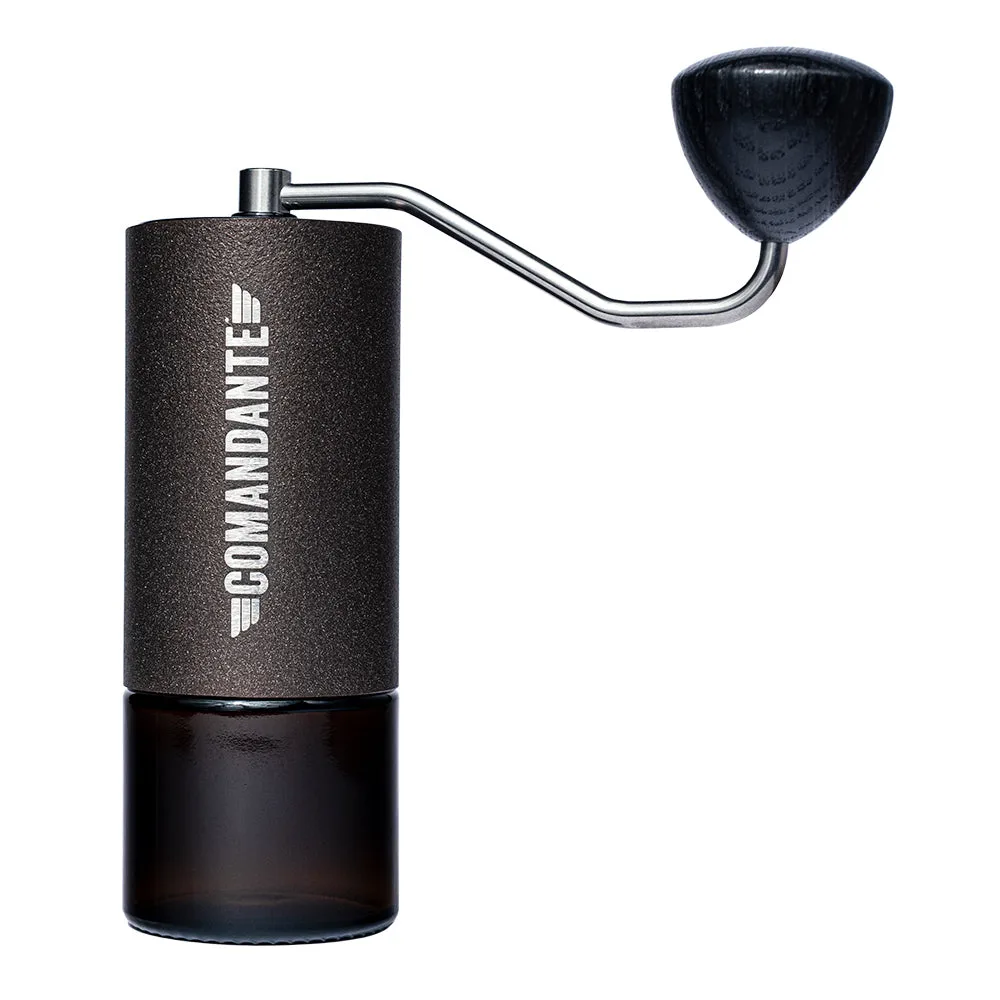
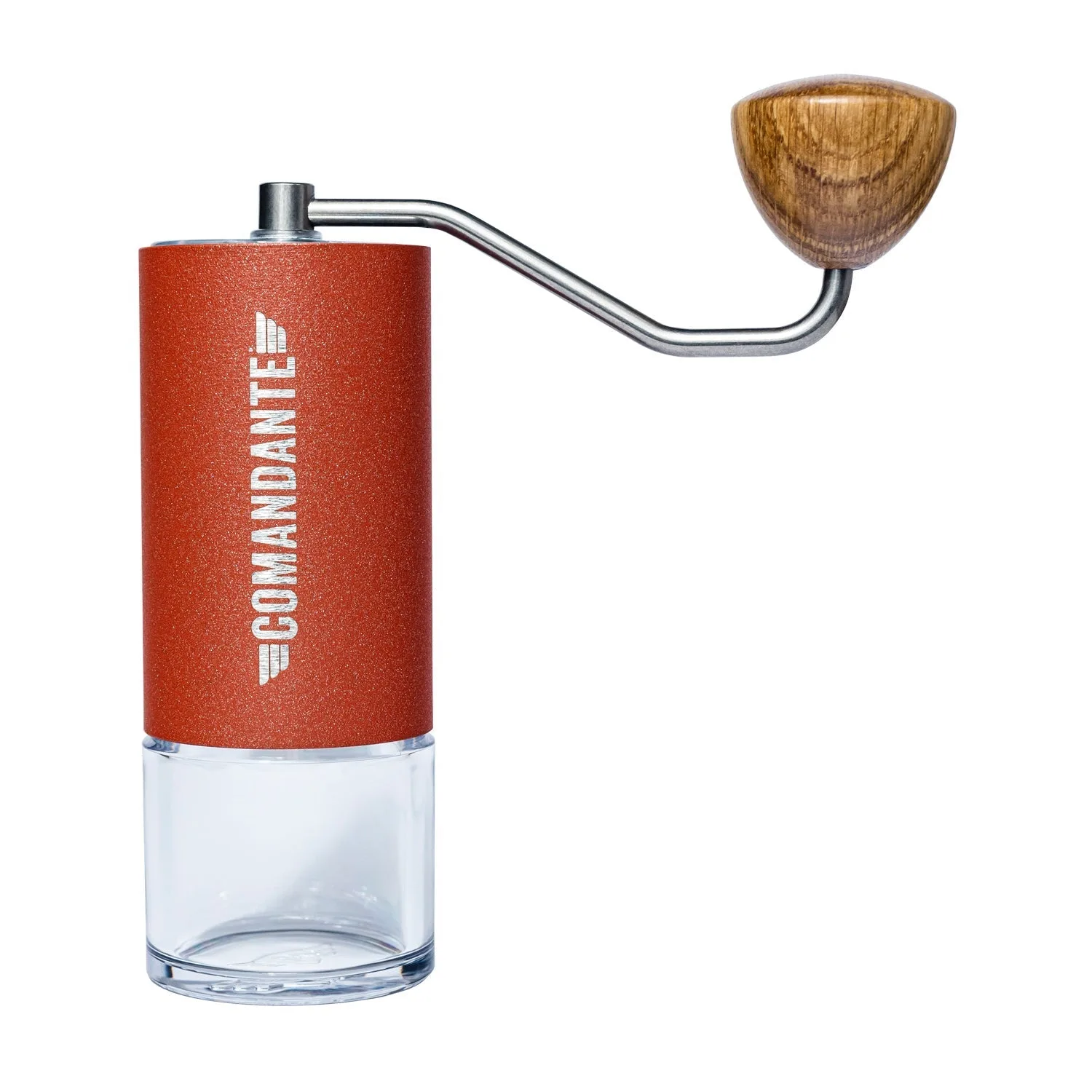
Roast level is another critical factor. Light roasts preserve more organic acids, resulting in brighter cups. Dark roasts break down these acids, leading to a more muted, bitter profile. Brewing methods like pour-over or Aeropress can highlight acidity, while espresso often balances acidity with body and sweetness. Using a high-quality grinder, such as the https://beansyai.shop/products/comandante-c40-nitro-blade-coffee-grinder-mk4-133625https://beansyai.shop/products/comandante-c40-nitro-blade-coffee-grinder-mk4-133626https://beansyai.shop/products/comandante-c40-nitro-blade-coffee-grinder-mk4-133627https://beansyai.shop/products/comandante-c40-nitro-blade-coffee-grinder-mk4-133628Comandante C40 Nitro Blade Coffee Grinder MK4, ensures uniform particle size, which helps achieve even extraction and a clean, bright flavor without harsh sourness.
- High-altitude beans (e.g., from Ethiopia, Colombia) tend to have higher acidity.
- Light roasts preserve acidity; dark roasts reduce it.
- Grind size and brew time affect how acidity is extracted.
Bright vs. Sour: How to Tell the Difference
Bright acidity is pleasant and integrated, often described as 'juicy' or 'lively.' It fades quickly and leaves a clean finish. For example, a washed Kenyan coffee might taste of blackcurrant with a crisp, wine-like tang. Sourness, on the other hand, is sharp, lingering, and often accompanied by a dry, puckering sensation. It can result from under-extraction (e.g., too coarse a grind or too short a brew time) or from using defective beans.
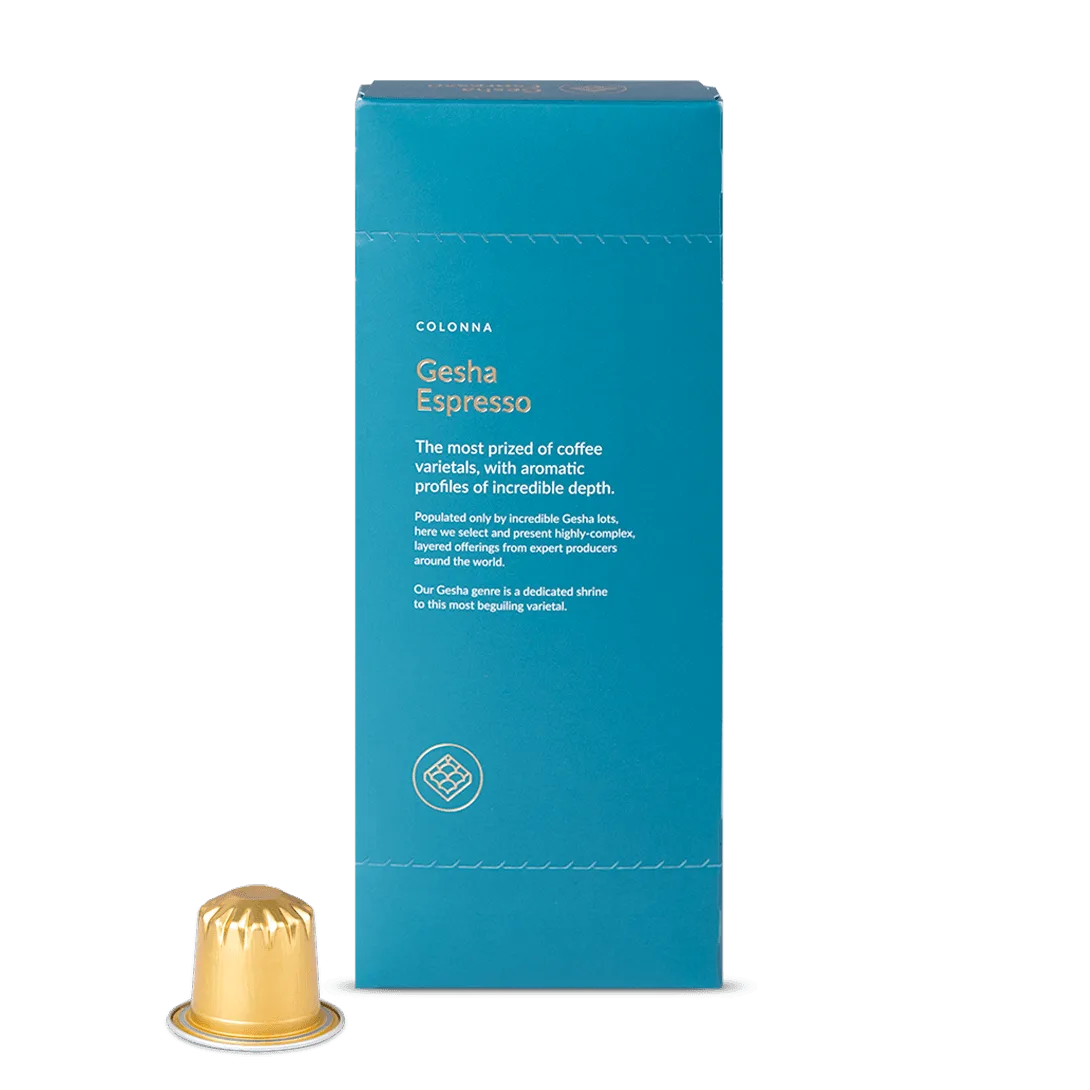
To avoid sourness, focus on proper extraction. Use a burr grinder for consistent particle size, and adjust your brew ratio and time. For espresso, aim for a balanced shot—if it tastes sour, try a finer grind or longer extraction. For filter coffee, ensure water temperature is between 195-205°F. Experimenting with a single-origin like 020 - Elida Washed Gesha can help you identify the bright, floral acidity that defines high-quality coffee.
- Bright acidity: Fruity, clean, and short-lived on the palate.
- Sour acidity: Harsh, lingering, and often accompanied by astringency.
- Tip: If your coffee tastes sour, try grinding finer or extending brew time.
How to Appreciate Acidity in Your Cup
Tasting acidity is a skill that improves with practice. Start by cupping different coffees side by side—compare a bright Ethiopian natural with a balanced Colombian washed. Take note of the sensations on the sides of your tongue, where acidity is most perceptible. Describe what you taste: Is it lemon-like? Apple-like? Wine-like? Over time, you'll develop a vocabulary for acidity.
Pairing acidity with food can also enhance your experience. Bright coffees complement citrus desserts, salads, or seafood. For a fun experiment, brew a crisp coffee and compare it with a darker roast to see how acidity changes the flavor. Using a reliable scale and filter papers, such as the Aeropress Filter Papers (350), ensures consistency in your brews, allowing you to focus on flavor nuances.
- Try side-by-side tastings of light and medium roasts.
- Use a clean brewing method like pour-over to highlight acidity.
- Keep a coffee journal to track acidity notes and preferences.
Coffee acidity is a gateway to exploring the vast world of flavor. Whether you love bright, citrusy notes or prefer a more balanced cup, understanding acidity helps you choose beans and brewing methods that match your taste. Ready to experience exceptional acidity? Explore our selection of rare and single-origin coffees, like the 020 - Elida Washed Gesha, and discover how bright, crisp flavors can transform your morning ritual.