When people first hear the word 'acidity' in relation to coffee, they often think of something sour or unpleasant. But in the world of specialty coffee, acidity is a prized characteristic—one that can elevate a brew from ordinary to extraordinary. Acidity brings brightness, complexity, and a lively mouthfeel that makes each sip exciting. Understanding coffee acidity is key to appreciating the full spectrum of flavors your morning cup can offer.
Whether you prefer a bright, citrusy Ethiopian or a balanced, chocolatey Brazilian, acidity plays a starring role. In this guide, we'll break down what coffee acidity really means, how to identify different types, and why it matters for your brewing choices. We'll also highlight some exceptional coffees that showcase these vibrant notes.
What Is Coffee Acidity?
Coffee acidity refers to the bright, tangy, or crisp sensations you perceive on your tongue, especially toward the front and sides. It's not about pH level (coffee is only mildly acidic), but about flavor perception. Think of the zing in a lemon, the sweetness of an apple, or the wine-like tang of a berry. These are all forms of acidity that can appear in coffee. In specialty coffee, well-balanced acidity is a sign of quality—it indicates the beans were grown at high altitudes and processed with care.
Acidity is influenced by many factors: the coffee's origin, variety, processing method, and roast level. Lighter roasts tend to preserve more acidity, while darker roasts mute it. Regions like Ethiopia and Kenya are famous for their bright, fruity coffees, while Brazilian and Sumatran beans often offer lower, more mellow acidity. Understanding these nuances helps you choose a coffee that matches your taste preferences.
- Bright acidity: sharp, lively, citrus-like (common in African coffees)
- Fruity acidity: berry, stone fruit, or tropical notes (often in washed or natural processed beans)
- Balanced acidity: smooth, wine-like, or apple-like (found in many Central American coffees)
How to Identify Acidity in Your Cup
To spot acidity, start by taking a sip and letting the coffee coat your tongue. Pay attention to the initial sensation—does it feel sharp, tangy, or sparkling? Then, note how the flavor evolves. A coffee with bright acidity might remind you of lemon zest or green apple, while a fruity acidity could evoke berries or tropical fruit. Balanced acidity often feels like a gentle wine-like tingle that fades into sweetness.
Brewing method also affects how acidity comes through. Pour-over methods like the Hario V60 tend to highlight acidity because they extract quickly and cleanly. If you want to tone down acidity, try a longer immersion brew like a French press or use slightly hotter water. Experimenting with grind size and brew time can help you find your sweet spot.
- Use a clean, light roast for maximum acidity expression
- Try a pour-over brewer to emphasize bright notes
- Let the coffee cool slightly—acidity becomes more apparent as it cools
Coffees That Showcase Acidity
If you're new to acidic coffees, start with a single origin from Ethiopia. The Yirgacheffe, Organic Ethiopia is a classic example—it offers floral aromatics and a bright, lemony acidity that dances on your palate. This coffee is a fantastic introduction to how acidity can be pleasant and complex, not harsh. For a different take, try a Brazilian coffee like Bobolink, Brazil. Brazilian beans often have a softer, nuttier profile with mild acidity, making them a great choice if you prefer balance over brightness.
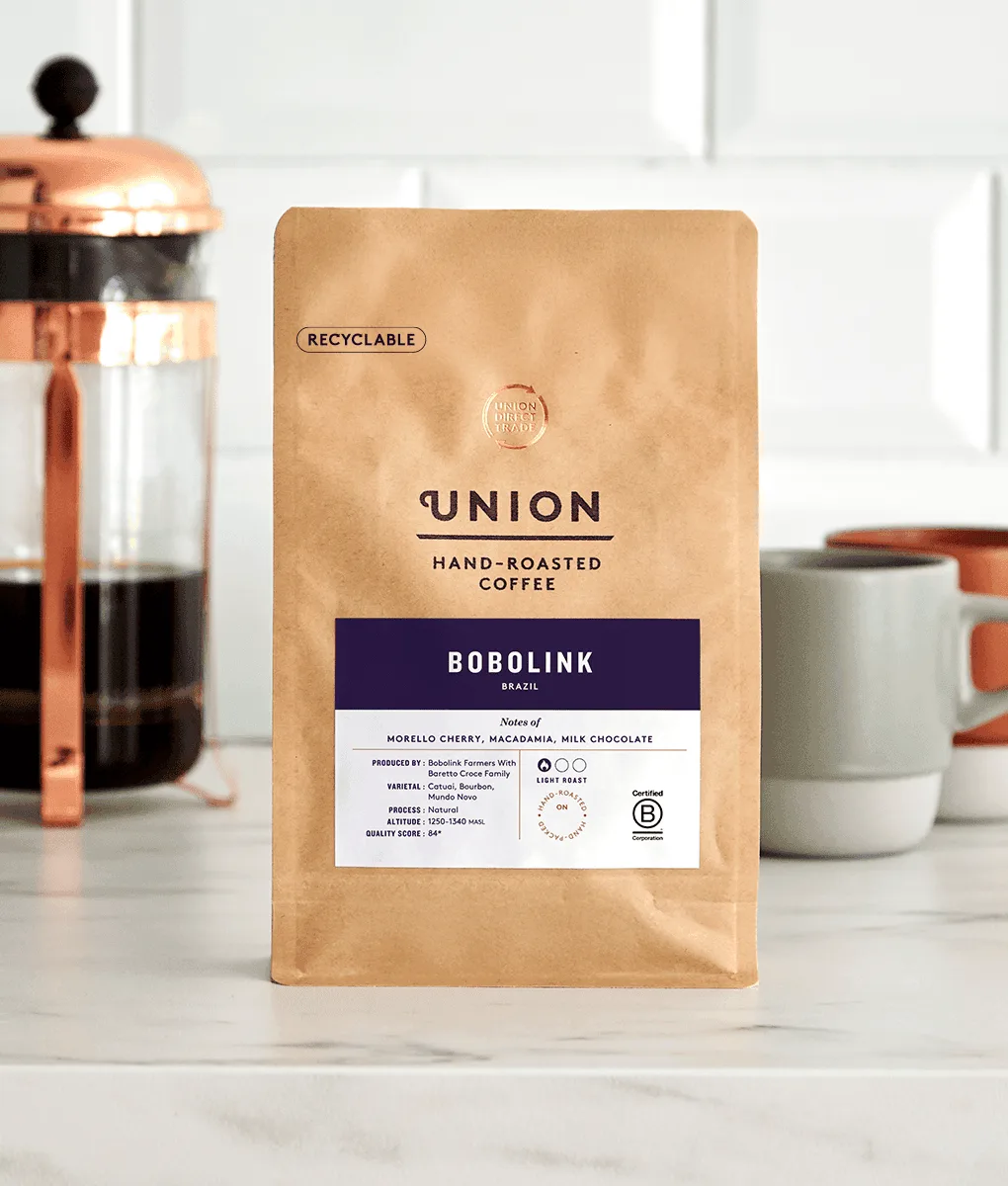
Bobolink, Brazil
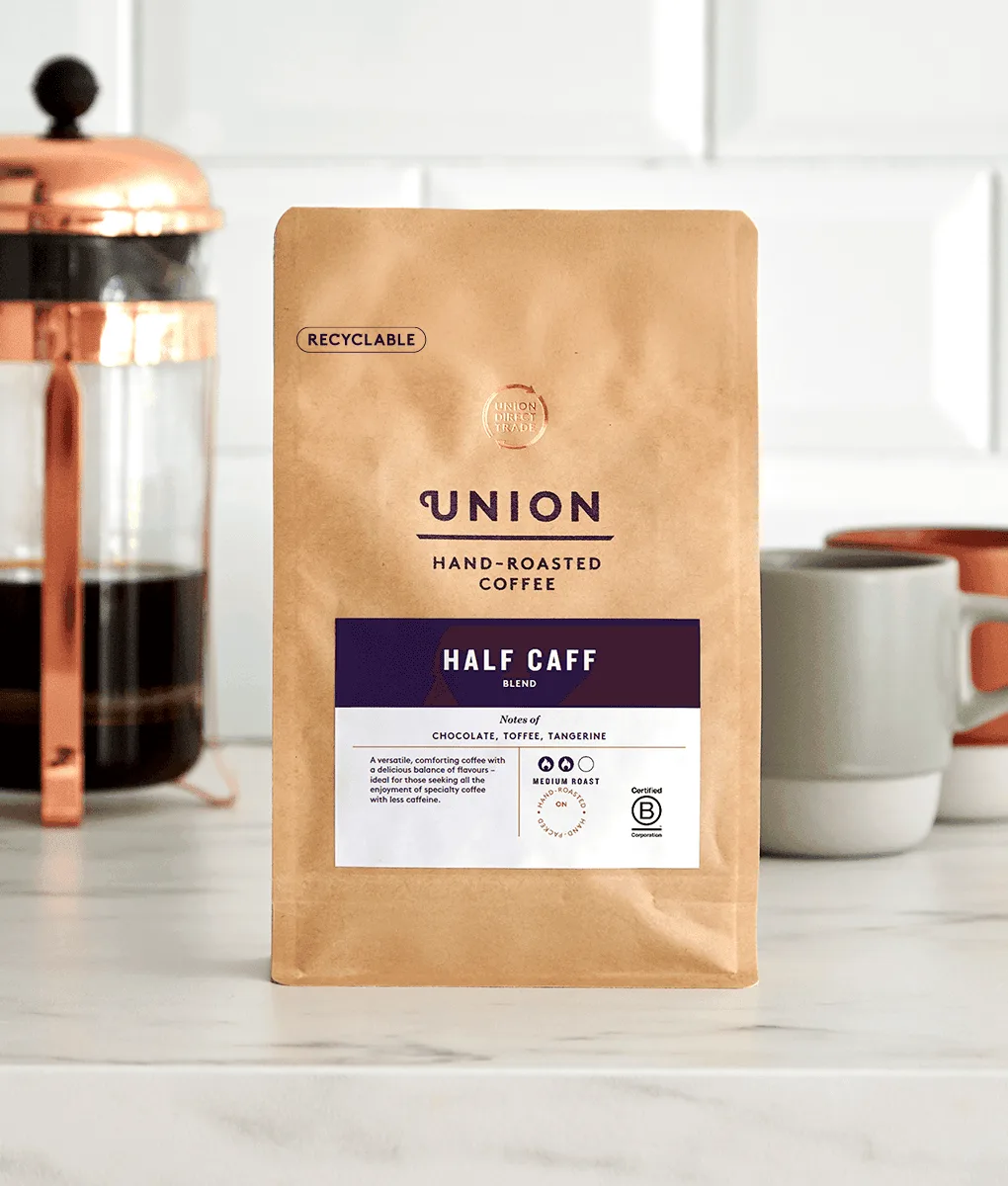
For those who want to explore fruity acidity, consider a coffee from Sumatra, like Gajah Mountain, Sumatra. While Sumatran beans are known for earthy, herbal notes, some lots can surprise you with subtle berry or stone fruit acidity. And if you're looking for a daily drinker that blends bright and balanced, a well-crafted blend like Half Caff, Blend can offer a gentle acidity with a smooth finish—perfect for afternoon cups.
- Yirgacheffe, Organic Ethiopia: bright, lemony, floral
- Bobolink, Brazil: mild, nutty, low acidity
- Gajah Mountain, Sumatra: earthy with subtle fruit undertones
Balancing Acidity in Your Brew
Not everyone loves high acidity, and that's okay. The beauty of specialty coffee is that you can adjust your brewing to suit your taste. If a coffee tastes too sharp, try grinding slightly finer or using water just off the boil (around 200°F) to extract more body and sweetness, which can balance the acidity. You can also blend a bright coffee with a more mellow one—like mixing Yirgacheffe with a Brazilian—to create a custom profile.
Another tip: pay attention to water quality. Hard water can mute acidity, while soft water lets it shine. If you're brewing at home, filtered water often gives the best results. And don't forget that acidity is just one element of a great cup—when it's balanced with sweetness, bitterness, and body, it creates a harmonious experience that keeps you coming back for more.
- Use slightly cooler water to reduce perceived acidity
- Try a darker roast if you prefer low-acid coffee
- Experiment with blending different origins
Acidity is a beautiful, complex part of specialty coffee that rewards curious drinkers. Whether you're drawn to bright, fruity notes or prefer a balanced, mellow cup, there's a coffee out there for you. Ready to explore? Start with the Yirgacheffe, Organic Ethiopia and taste the difference that vibrant acidity can make in your daily brew.