Walking down the coffee aisle, you've likely seen bags stamped with Fair Trade, Rainforest Alliance, or Direct Trade. But what do these labels actually guarantee? For coffee lovers who crave both a bold cup and a clear conscience, understanding coffee certifications is essential. This guide breaks down the most common coffee labels, explains what fair trade really means for farmers and the environment, and helps you make informed choices without sacrificing flavor or strength.
At Death Wish Coffee, we believe that great coffee starts with respect—for the bean, the grower, and the planet. While our focus is on delivering the world's strongest coffee, we also value transparency. Let's explore the landscape of ethical coffee certifications so you can brew with confidence.
What Is Fair Trade Coffee?
Fair Trade is a certification system designed to ensure that coffee farmers receive a fair minimum price for their harvest, regardless of fluctuating global market prices. This price floor helps protect small-scale farmers from poverty and exploitation. In addition to the minimum price, Fair Trade cooperatives receive a premium that is invested in community projects like schools, healthcare, and clean water initiatives.
However, not all fair trade is created equal. There are two main certifying bodies: Fair Trade International (FLO) and Fair Trade USA. Both require democratic cooperatives, environmental standards, and no child labor. But some critics argue that even Fair Trade can leave farmers marginalized if they lack access to markets. That's why many roasters, including Death Wish Coffee, go beyond certification to build direct relationships with growers.
When you see a Fair Trade label, it means the coffee was produced under these ethical guidelines. But for the ultimate transparency, look for roasters that share specific sourcing stories—like how our beans are procured from regions known for their robust flavor profiles.
- Fair Trade guarantees a minimum price per pound to protect farmers from market crashes.
- The certification also requires environmentally sustainable farming practices.
- Look for the Fair Trade seal on bags of whole bean or ground coffee to support ethical production.
Other Coffee Certifications You Should Know
Beyond Fair Trade, several other labels signal ethical and environmental responsibility. The Rainforest Alliance seal focuses on biodiversity conservation and worker welfare, while Organic certification prohibits synthetic pesticides and fertilizers. Bird Friendly coffee, certified by the Smithsonian, ensures that farms provide habitat for migratory birds by preserving shade trees.
Direct Trade is not a formal certification but a sourcing model where roasters buy directly from farmers, often paying above Fair Trade prices. This approach fosters long-term partnerships and quality control. Death Wish Coffee employs a similar ethos, prioritizing relationships that yield the boldest beans. For example, our Vanilla Coffee is crafted with care, sourcing vanilla from ethical suppliers to complement the intense coffee base.
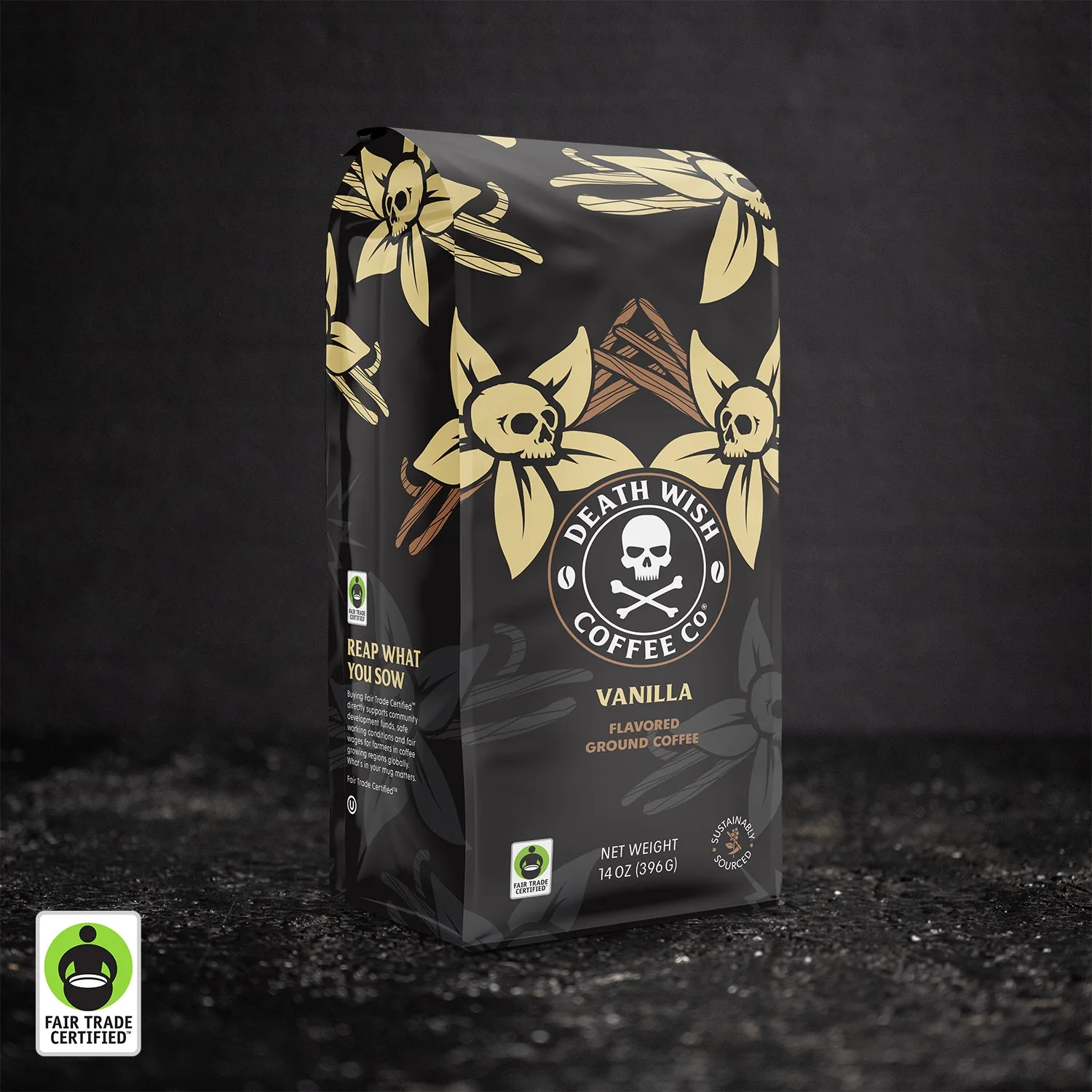
Vanilla Coffee
Each label has strengths and limitations. A coffee can be both Fair Trade and Organic, but the best indicator of ethical sourcing is a roaster's willingness to share details. Always check the company's website for sourcing stories and third-party audits.
- Rainforest Alliance: Focuses on environmental and social criteria.
- Organic: Prohibits synthetic chemicals; requires third-party verification.
- Direct Trade: Not a label but a transparent buying practice often paying higher prices.
Does Fair Trade Mean Better Taste?
A common misconception is that ethical labels guarantee superior flavor. In reality, taste depends on the bean variety, growing altitude, processing method, and roast profile—not just the certification. Fair Trade coffee can be excellent, but it's not a flavor promise. That said, ethically sourced beans are often grown with more care, which can translate to a cleaner, more complex cup.
For those who love a powerful, dark roast, the origin and roast matter most. Death Wish Coffee's Power Surge Coffee is a prime example: it's sourced from high-altitude farms where stress on the plants produces denser, more caffeinated beans. The ethical sourcing ensures farmers benefit, while the roast delivers the intense kick you expect. So, you don't have to choose between ethics and flavor—you can have both.
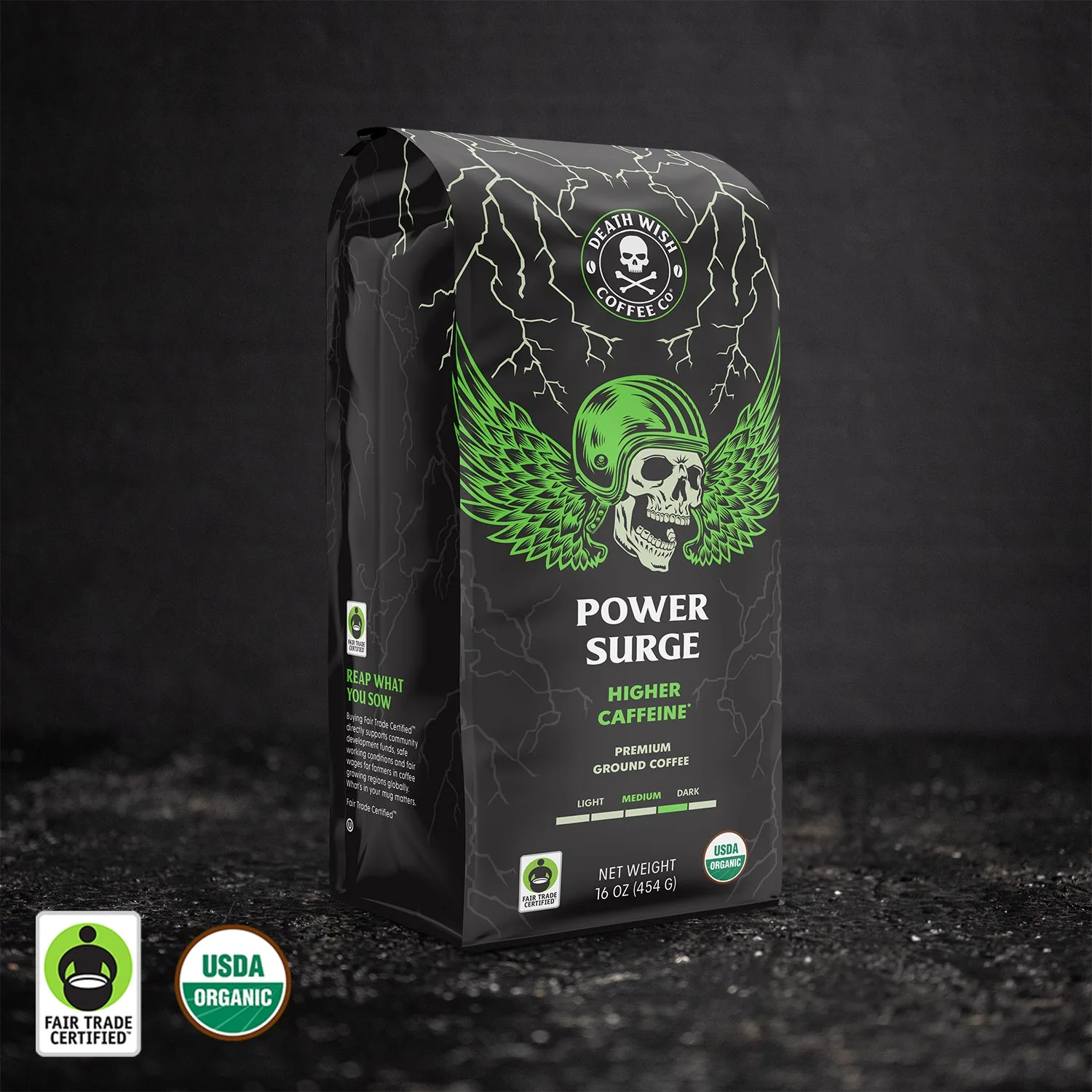
Power Surge Coffee
When shopping, look for roasters that highlight both the origin story and the tasting notes. A well-crafted label will tell you about the region, elevation, and flavor profile, giving you confidence in your purchase.
- Flavor is influenced by origin, altitude, processing, and roast—not just certification.
- Ethical sourcing often correlates with higher quality due to farmer investment.
- Always read tasting notes and roast level to match your preference.
How to Choose Ethical Coffee Without the Confusion
With so many labels, choosing ethical coffee can feel overwhelming. Start by identifying your priorities: farmer welfare, environmental impact, or both? Then, look for certifications that align with your values. If you want to support smallholder farmers, Fair Trade is a solid choice. If biodiversity matters most, seek Rainforest Alliance or Bird Friendly.
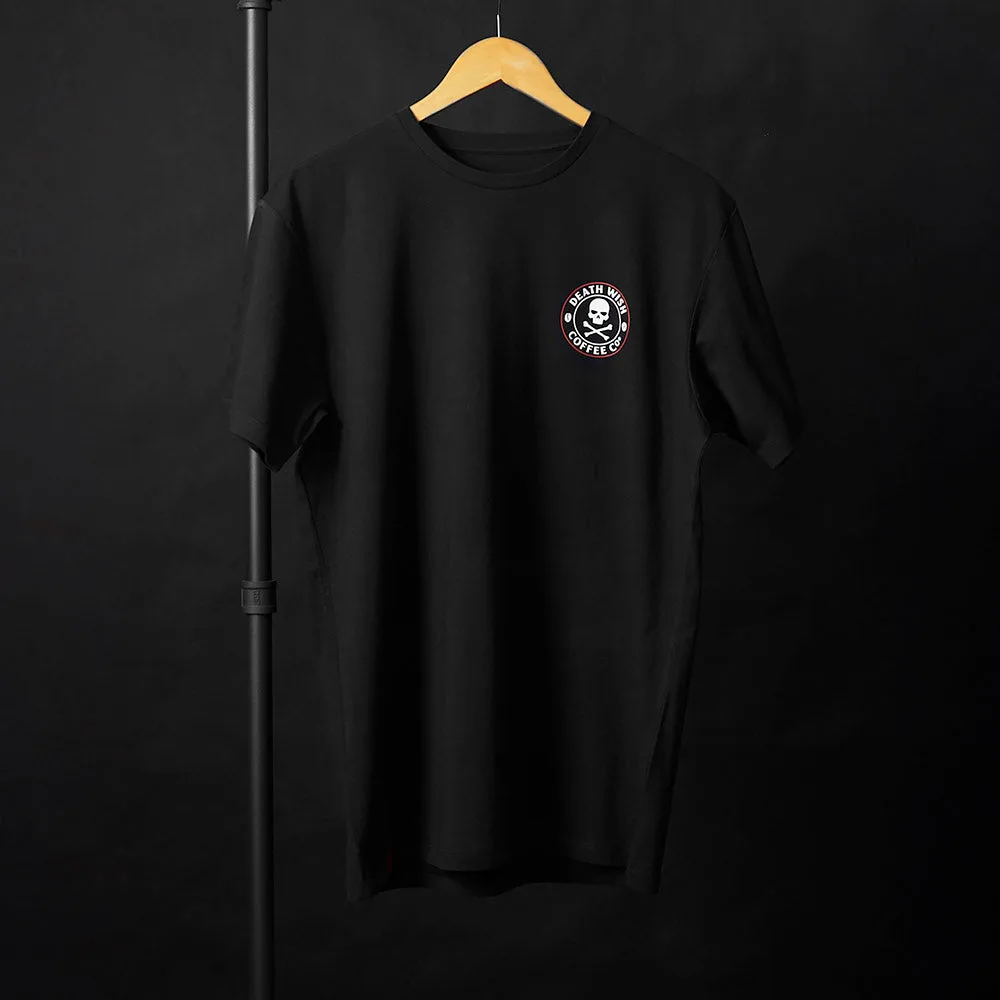
Another tip: buy from roasters that publish annual impact reports or sourcing maps. Death Wish Coffee is committed to transparency, sharing how we work with growers to ensure fair compensation and sustainable practices. Our Signature Boxy Tee and other apparel also reflect our brand ethos—bold and responsible. When you wear our gear, you're part of a community that values quality and ethics.
Finally, don't overlook the importance of freshness. Even the most ethically sourced beans will taste flat if stale. Buy whole beans, grind just before brewing, and store in an airtight container. This way, you honor the farmer's work by enjoying the coffee at its peak.
- Prioritize certifications that match your ethical concerns.
- Support roasters that share detailed sourcing information.
- Buy whole bean coffee and grind fresh for the best flavor.
Understanding coffee labels empowers you to make choices that align with your taste and values. Fair Trade is a powerful tool, but it's just one piece of the puzzle. By exploring different certifications and building trust with roasters like Death Wish Coffee, you can enjoy a bold, ethical cup every morning. Ready to taste the difference? Explore our collection of responsibly sourced, high-caffeine blends and find your new favorite brew today.