First aid kits are not one-size-fits-all. Whether you're preparing for a minor cut at home or a serious emergency in the field, the right kit can make all the difference. With so many options available, understanding the different types of first aid kits is the first step toward making an informed purchase.
In this guide, we'll break down the spectrum of first aid kits—from basic to advanced—and help you identify which category suits your lifestyle, environment, and skill level. By the end, you'll know exactly what to look for when choosing your next kit.
Basic First Aid Kits: Essentials for Everyday Life
A basic first aid kit is designed for common, minor injuries like cuts, scrapes, and headaches. These kits typically include adhesive bandages, gauze pads, antiseptic wipes, tweezers, and over-the-counter pain relievers. They are ideal for home use, car trunks, and office desks.
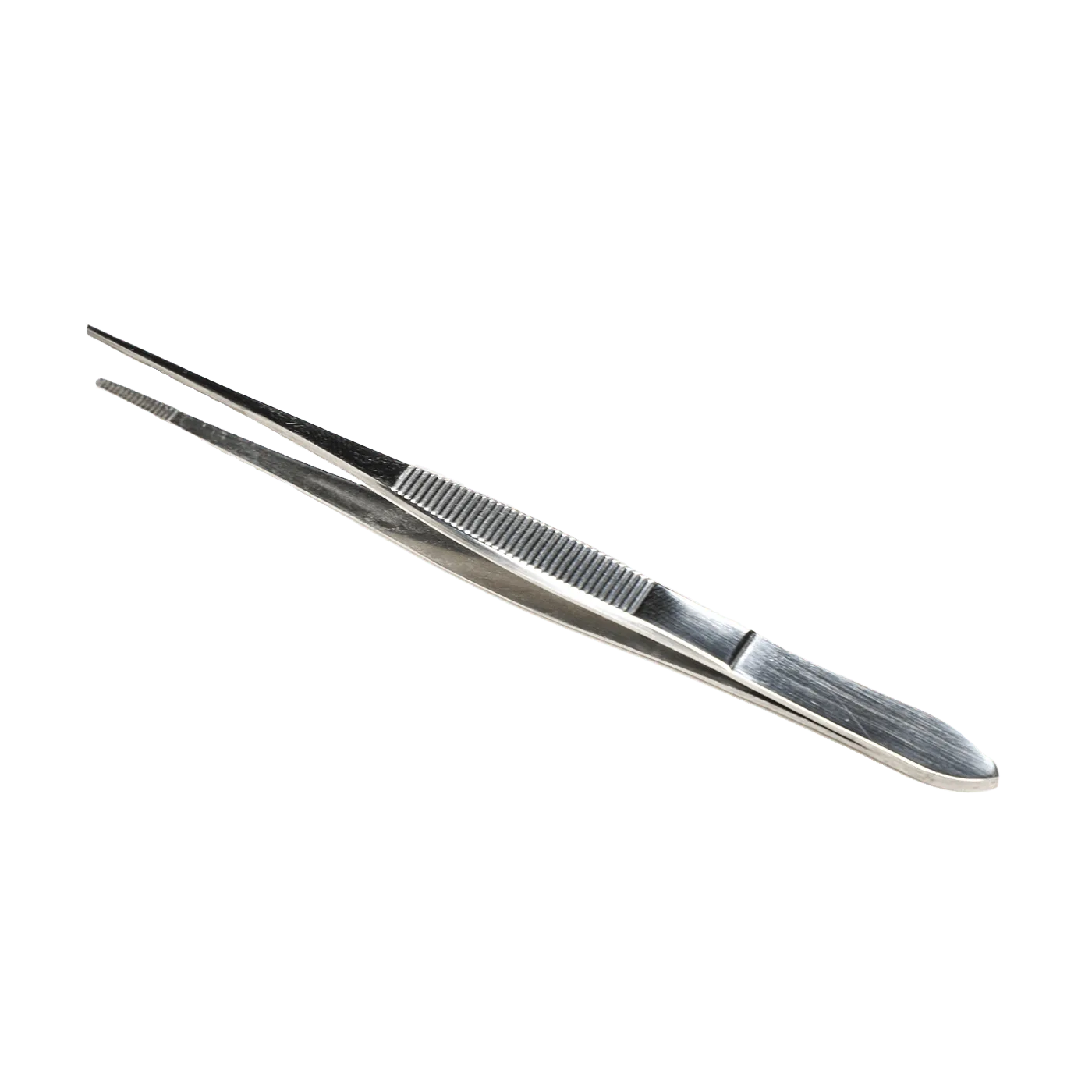
tweezers
Basic kits are compact and affordable, making them perfect for families or individuals who want to be prepared for everyday mishaps. However, they lack the supplies needed for more serious injuries, such as heavy bleeding or fractures. For most people, a basic kit is a great starting point, but it's important to recognize its limitations.
- Look for a kit with a variety of bandage sizes and shapes.
- Check the expiration dates on medications and sterile supplies.
- Consider adding a CPR shield for personal protection during rescue breathing.
Advanced First Aid Kits: For Higher-Risk Environments
Advanced first aid kits are designed for situations where injuries are more severe or medical help is delayed. These kits include items like trauma dressings, tourniquets, chest seals, and airway management tools. They are often used by outdoor enthusiasts, first responders, and people in remote areas.
One example is the M.A.R.C.H. First Aid Video Training Course, which teaches the principles of tactical combat casualty care. Such training is invaluable for anyone using an advanced kit, as it ensures you know how to use the gear effectively. Advanced kits are bulkier and more expensive, but they provide a higher level of preparedness.
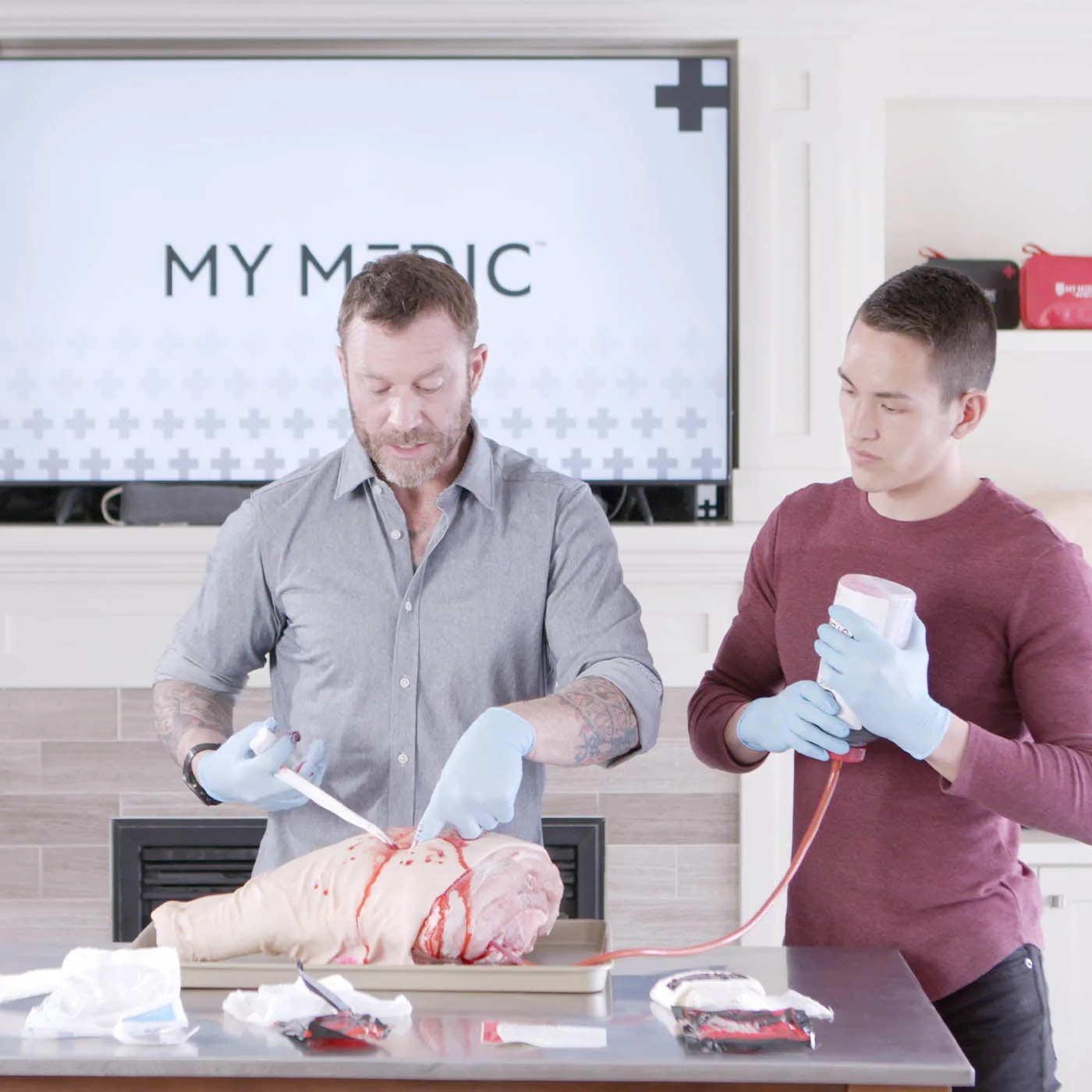
M.A.R.C.H. First Aid Video Training Course
- Assess your environment: a wilderness trip demands more than a basic kit.
- Ensure you have training to use advanced items like tourniquets and chest seals.
- Consider a kit that includes a tourniquet, such as the SAM XT Tourniquet, for severe bleeding control.
Tactical First Aid Kits: For Professionals and Preparedness Enthusiasts
Tactical first aid kits are specialized for high-threat environments such as military operations, law enforcement, or active shooter scenarios. They follow the M.A.R.C.H. algorithm (Massive hemorrhage, Airway, Respiration, Circulation, Hypothermia) and include gear like hemostatic agents, needle decompression tools, and nasopharyngeal airways.
These kits are designed to be rugged, compact, and easy to access under stress. They often attach to vests or belts for quick deployment. While they are essential for professionals, civilians who are serious about preparedness also invest in tactical kits. However, such kits require proper training to use effectively.
- Look for a kit that includes a combat application tourniquet (CAT) or similar device.
- Choose a kit with modular pouches so you can customize it to your mission.
- Remember that training is as important as the gear itself.
Specialized Kits: From Medical Packs to Custom Builds
Beyond basic, advanced, and tactical, there are specialized kits tailored to specific activities or needs. For instance, medical packs are designed for medical professionals or those with advanced training, containing a wider range of medications and tools. Outdoor kits focus on wilderness injuries, including snake bites and hypothermia treatment.
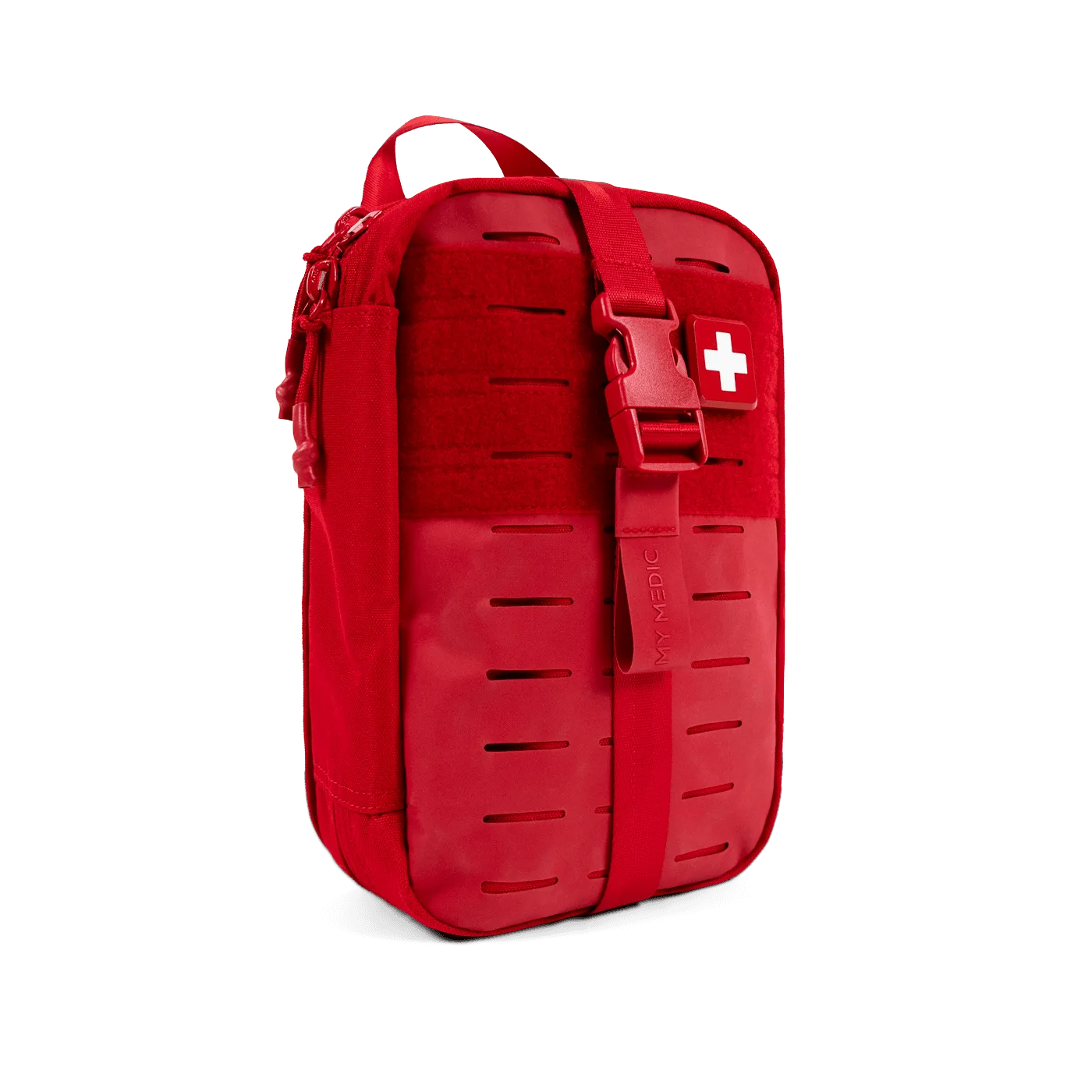
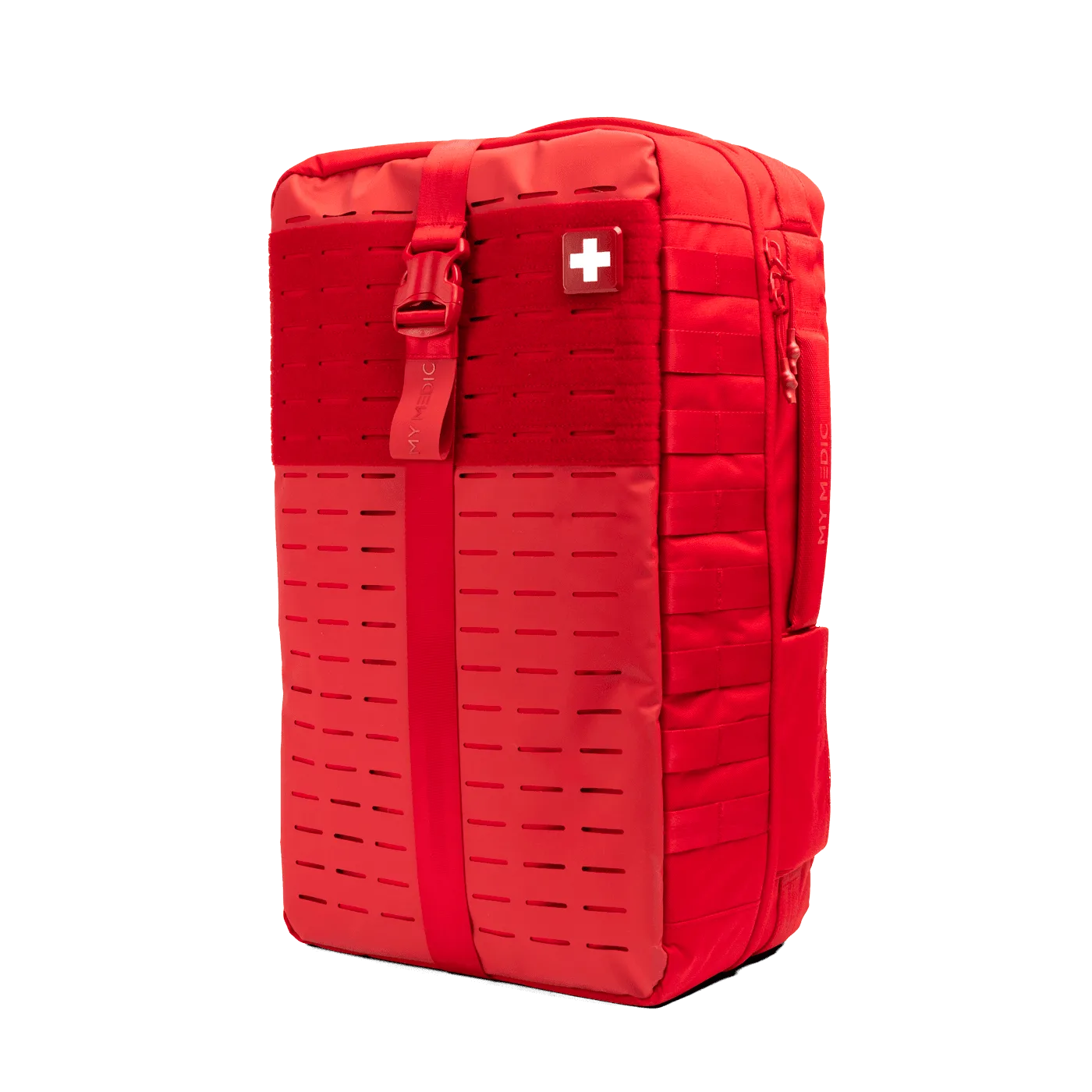
Some companies offer modular systems where you can build your own kit from scratch. For example, the https://mymedicem.com/products/everyday-carry-bag-only-380143Everyday Carry | Bag Only option allows you to start with a quality bag and fill it with your preferred supplies. This is perfect for those who have specific requirements or want to customize their loadout.
- Consider your activities: a hiking kit differs from a vehicle kit.
- If you have allergies, include an epinephrine auto-injector if prescribed.
- Use a modular system to adapt your kit for different trips.
How to Choose the Right Kit for You
Choosing the right first aid kit depends on several factors: your skill level, the environment you're in, and the number of people you're responsible for. Start by assessing your needs. If you're a beginner, a basic kit with a guide is a wise choice. If you're an outdoor enthusiast, an advanced kit with trauma supplies is better.
Also, consider the quality of the components. For example, a reliable pair of EMT Shears (Scissors) can cut through clothing and seatbelts quickly, making them a valuable addition to any kit. Similarly, a CPR Shield Single is a small, lightweight item that can protect you while performing CPR.
Remember, a kit is only as good as your knowledge. Investing in training, such as the M.A.R.C.H. First Aid Video Training Course, can help you use your kit effectively when it matters most.
- Take inventory of your current skills and gaps.
- Think about the worst-case scenario you might face.
- Don't forget to check the kit's storage and organization.
Understanding the different types of first aid kits is the foundation of effective emergency preparedness. Whether you need a basic kit for home or an advanced tactical setup for the field, the right gear can save lives. Explore our selection to find the perfect kit for your needs, and remember to pair it with proper training.