The world of first aid is evolving faster than ever. As we move through 2026, new technologies, materials, and training methods are transforming how we prepare for and respond to emergencies. Whether you're an outdoor enthusiast, a workplace safety officer, or a parent, staying informed about these trends can help you make smarter choices for your first aid kit and your family's safety.
In this article, we'll explore the key trends and innovations shaping the future of first aid. From smart medical devices to advanced wound care solutions, we'll look at what's new and what's coming next. We'll also highlight some of the latest products from My Medic that embody these innovations, helping you stay ahead of the curve.
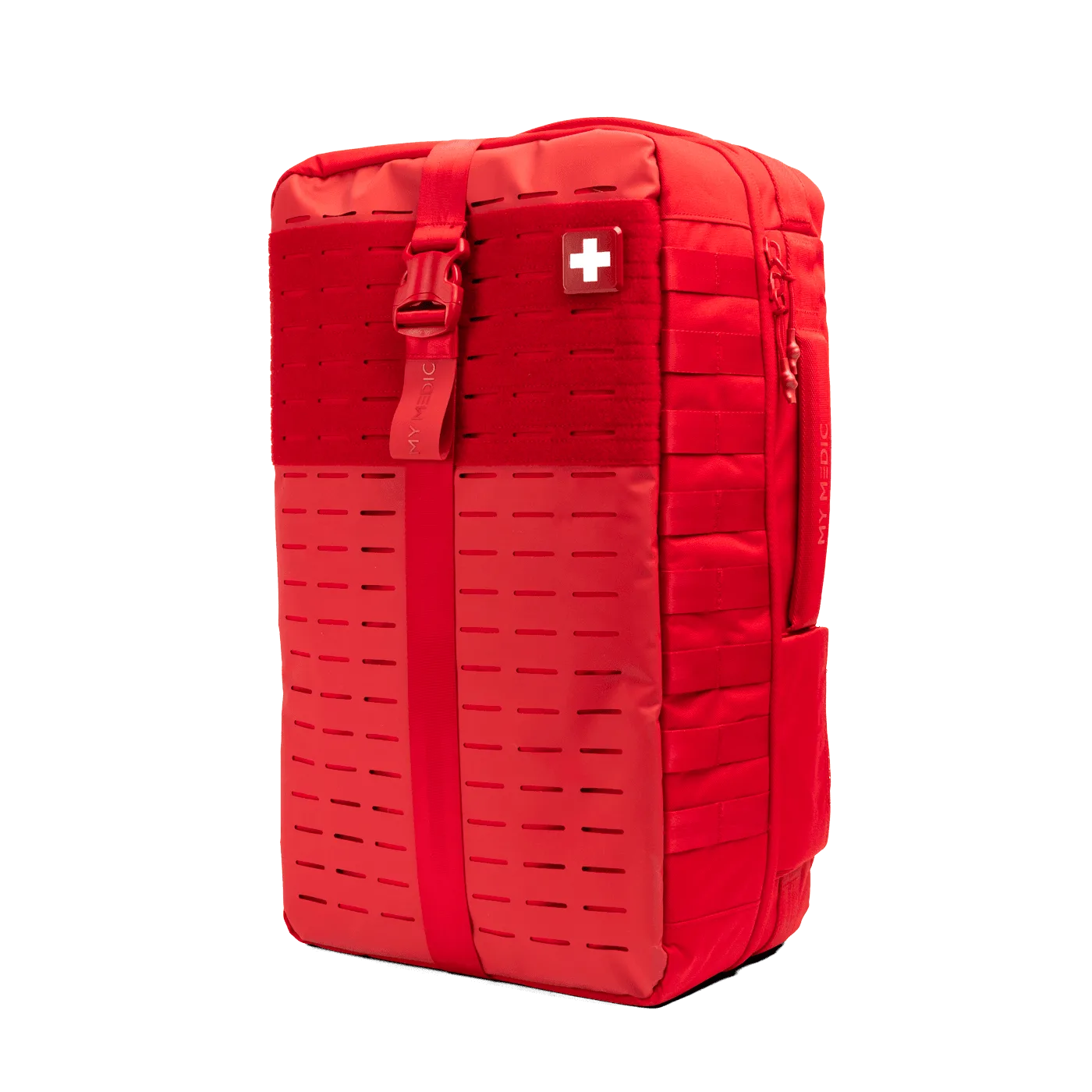
Medic
Smart Technology in First Aid Kits
One of the most exciting trends in first aid is the integration of smart technology. In 2026, we're seeing more kits include digital tools that provide real-time guidance and monitoring. For example, the Finger Pulse Oximeter is becoming a staple in advanced kits, allowing users to quickly check oxygen saturation and pulse rate—critical data in many emergency situations. This device is compact, easy to use, and can be a lifesaver when assessing a casualty's condition.
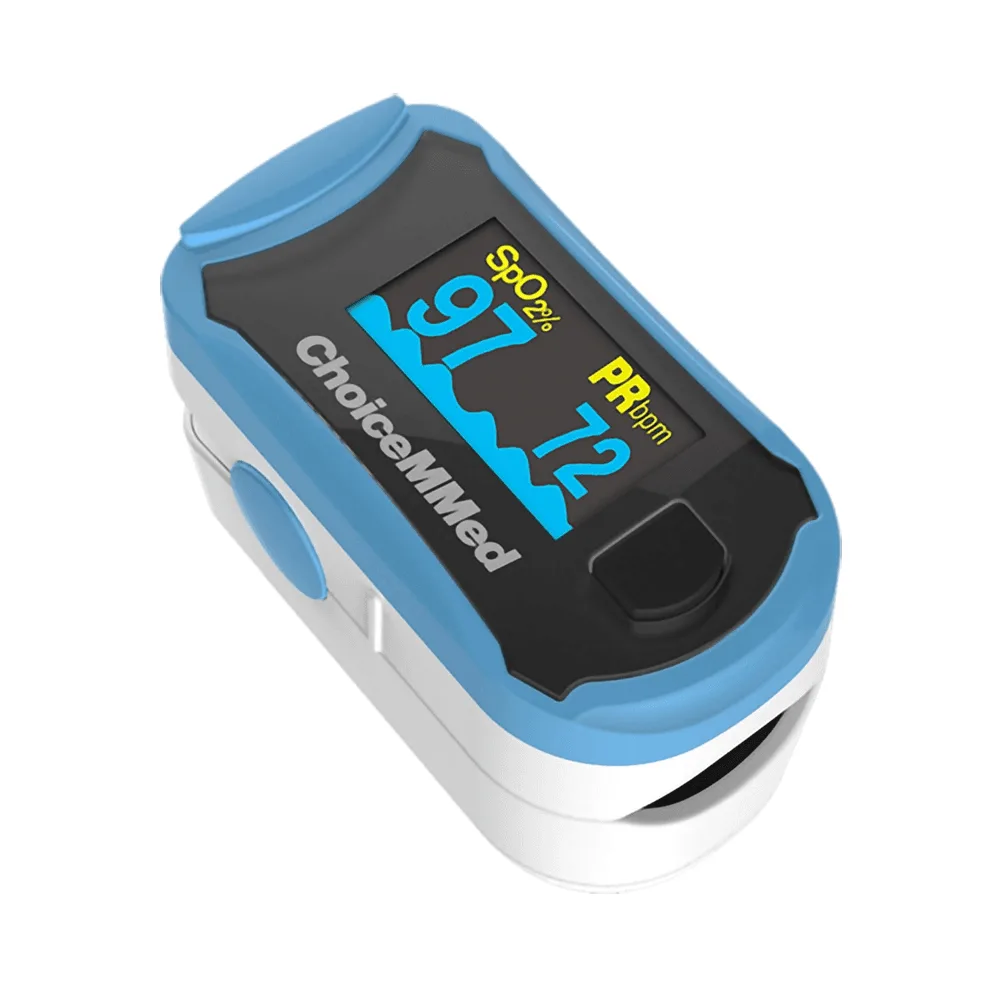
Finger Pulse Oximeter
Another innovation is the use of connected devices that sync with smartphone apps. These apps can walk a rescuer through CPR steps, offer reminders for kit restocking, or even transmit vital signs to emergency services. While not every kit needs full connectivity, having a few smart tools can significantly enhance your preparedness. As technology becomes more affordable, expect to see these features in more consumer-level kits.
- Look for kits that include a pulse oximeter for quick vitals checks.
- Consider apps that guide you through emergency procedures.
Advanced Wound Care and Bleeding Control
Bleeding control remains a top priority in first aid, and 2026 brings even more effective solutions. The RATS Tourniquet has gained popularity for its lightweight, easy-to-apply design, making it a favorite among outdoor enthusiasts and tactical users. Its windlass system provides effective pressure to stop severe bleeding, and its low-profile design means you can carry it without added bulk.
In addition to tourniquets, we're seeing innovations in hemostatic dressings and wound closure. The Wound Closure Kit is a prime example, offering sterile strips and adhesive agents that help close wounds quickly and reduce infection risk. These kits are perfect for situations where stitches aren't immediately available, and they're becoming more common in both personal and professional first aid kits.
- Always carry a tourniquet and know how to apply it.
- Wound closure kits are great for temporary wound management.
Compact and Modular Kit Designs
As people become more mobile, the demand for compact and modular first aid kits is rising. In 2026, we see a shift towards kits that can be customized to fit specific activities, from hiking to travel to home use. The Hiker Medic is a perfect example of this trend. It's designed to be lightweight and packable, yet includes essential supplies for trail emergencies. Its modular pouches allow you to organize items efficiently and access them quickly.
Modularity isn't just about size; it's about adaptability. Many kits now feature removable components, so you can swap out supplies based on the season or your activity. This approach reduces waste and ensures you always have the right tools. When choosing a kit, consider one that offers flexibility, like the Hiker Medic, which can be tailored to your specific needs.
- Choose a kit that matches your primary activities.
- Modular kits allow you to add or remove supplies as needed.
Training and Education Evolution
Technology is also transforming first aid training. In 2026, we're seeing more online courses and virtual reality simulations that make learning accessible and engaging. While hands-on practice remains essential, digital tools can supplement your knowledge and help you stay refreshed on key skills. Many organizations now offer hybrid courses that combine online modules with in-person practice sessions.
The importance of continuous learning cannot be overstated. First aid guidelines evolve, and new techniques emerge. Investing in regular training ensures you're prepared to act confidently in an emergency. Whether you're a professional or a layperson, staying updated is a key part of being an effective first responder.
- Take a refresher course every two years.
- Use online resources to review skills between certifications.
As we look ahead, the future of first aid is bright with innovation. From smart devices to advanced wound care and modular designs, there are more tools than ever to help you stay prepared. By embracing these trends and equipping yourself with the right gear, you can make a difference when it matters most. Explore the latest products from My Medic, like the Hiker Medic, to see how these innovations can fit into your emergency preparedness plan.