First aid kits have come a long way from the simple tin boxes filled with bandages and antiseptic. In 2026, they are smarter, more compact, and more effective than ever. Whether you're an outdoor enthusiast, a parent, or a workplace safety officer, understanding the latest trends in first aid kits can help you make informed decisions about your emergency preparedness.
In this article, we'll explore the evolution of first aid kits, highlighting the key innovations that define 2026. From advanced materials to integrated technology, we'll show you what's new and how these developments are changing the way we respond to injuries. We'll also look at how brands like My Medic are leading the charge with cutting-edge products designed for real-world scenarios.
Medic
The Shift from Basic to Advanced: A Brief History
The concept of first aid kits dates back to the late 19th century, when railway companies began equipping their stations with supplies to treat minor injuries. For decades, the standard kit remained largely unchanged: adhesive bandages, gauze, antiseptic wipes, and maybe a tourniquet. But as medical knowledge expanded and technology advanced, so did the tools we carry.
In the 21st century, the focus shifted from treating minor cuts to managing life-threatening emergencies. This led to the inclusion of items like hemostatic dressings, chest seals, and advanced airway devices. By 2026, first aid kits have become sophisticated systems that prioritize rapid intervention and ease of use, even for untrained bystanders.
- From basic to advanced: the evolution of first aid supplies
- The rise of trauma-focused kits for everyday carry
everyday carry
Smart Technology and Connectivity: The Digital Revolution
One of the most exciting trends in 2026 is the integration of smart technology into first aid kits. Imagine a kit that can guide you through CPR with real-time feedback or automatically alerts emergency services when a severe injury is detected. While these features are still emerging, several manufacturers are experimenting with connected devices that sync with smartphone apps.
For example, some modern kits now include digital thermometers, pulse oximeters, and even portable ECG monitors that can transmit data to healthcare providers. This connectivity allows for more accurate assessments and better communication with first responders. While not yet standard, these innovations are paving the way for a future where first aid kits are not just passive supplies but active participants in emergency care.
- Smart kits with app integration for guided first aid
- Wearable sensors that monitor vital signs and send alerts
Modular and Customizable Designs: Tailoring to Your Needs
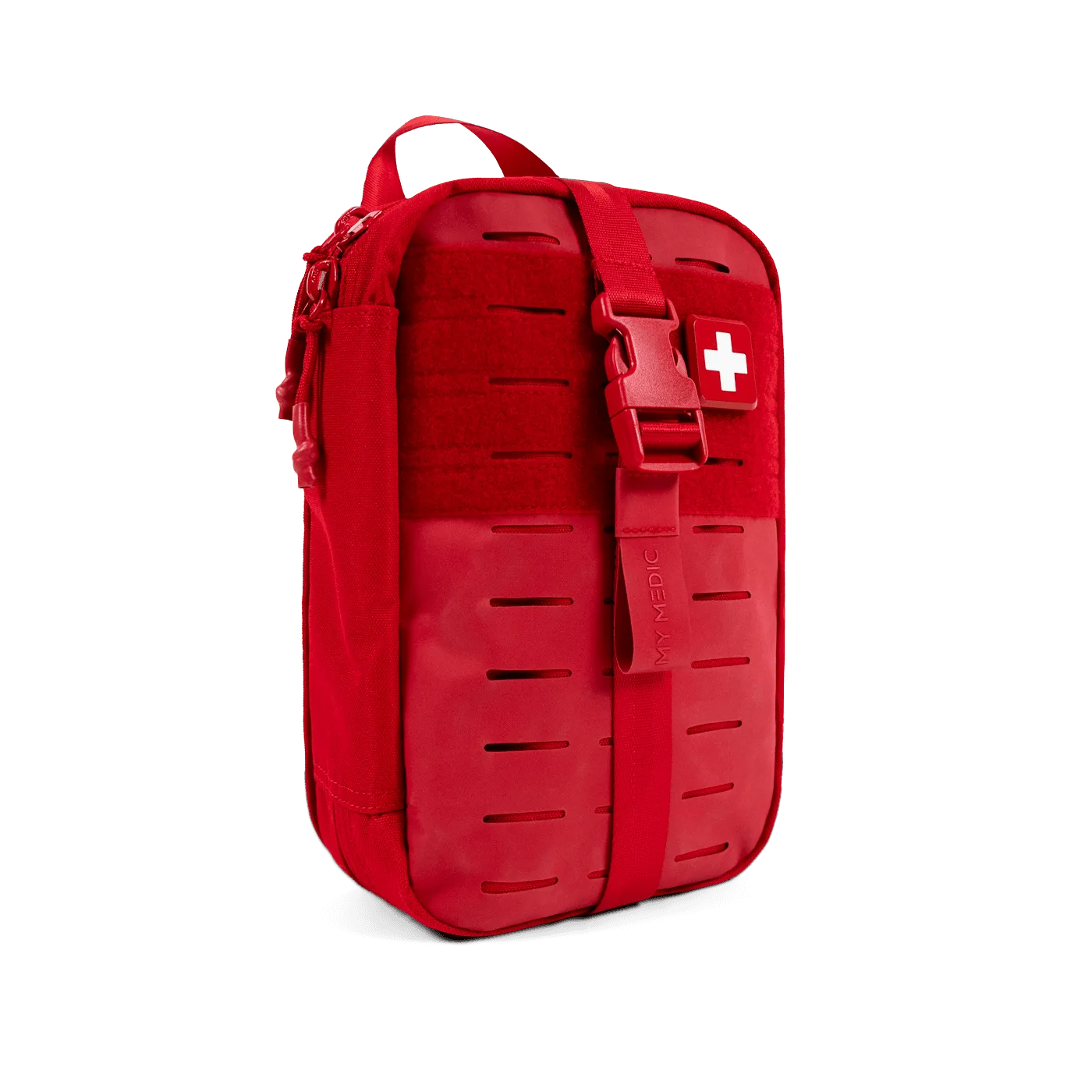
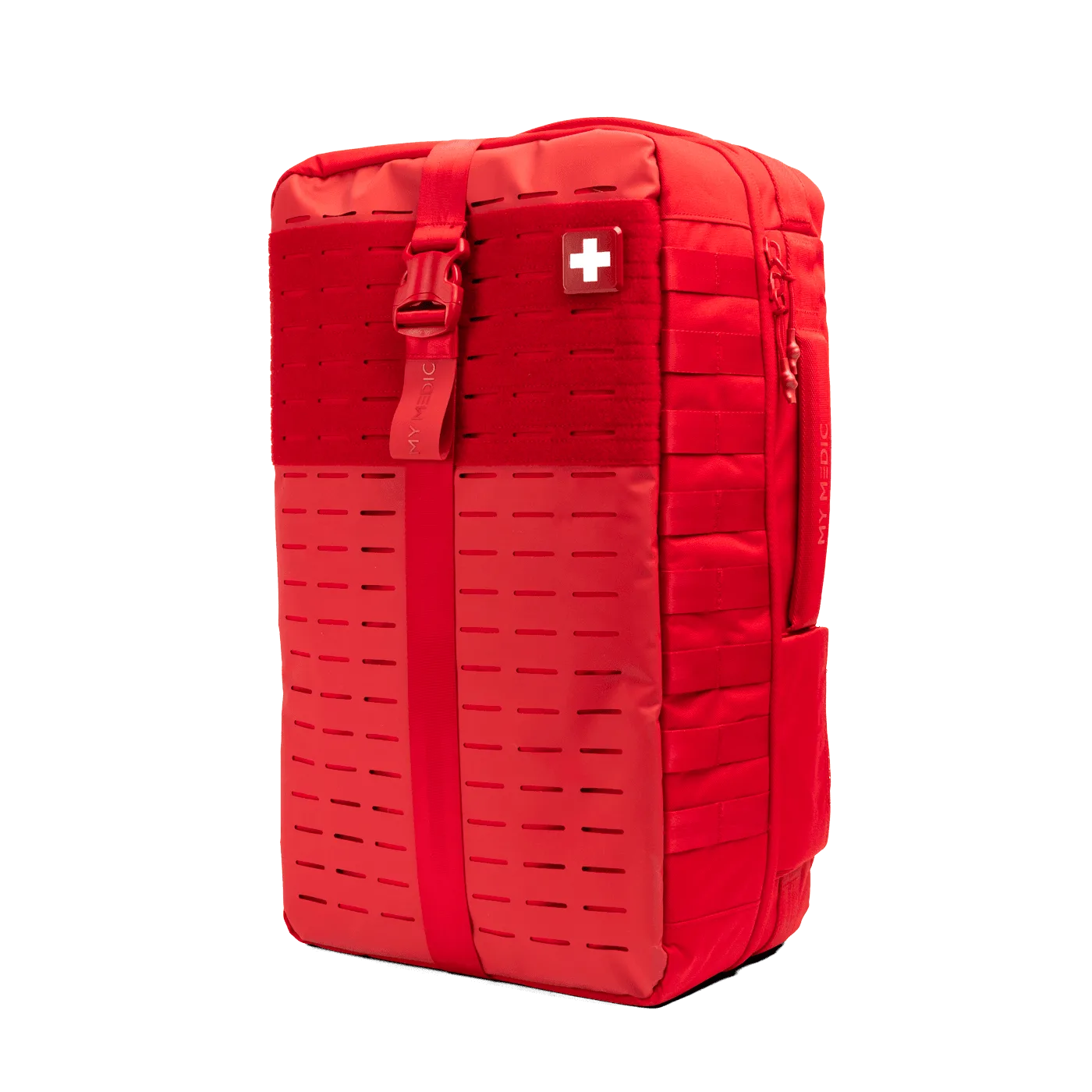
Gone are the days of one-size-fits-all first aid kits. In 2026, modularity is key. Users can now customize their kits based on their specific activities, environments, and skill levels. This trend is exemplified by My Medic's approach, which offers a range of bags and refill options that allow you to build a kit that fits your exact needs.
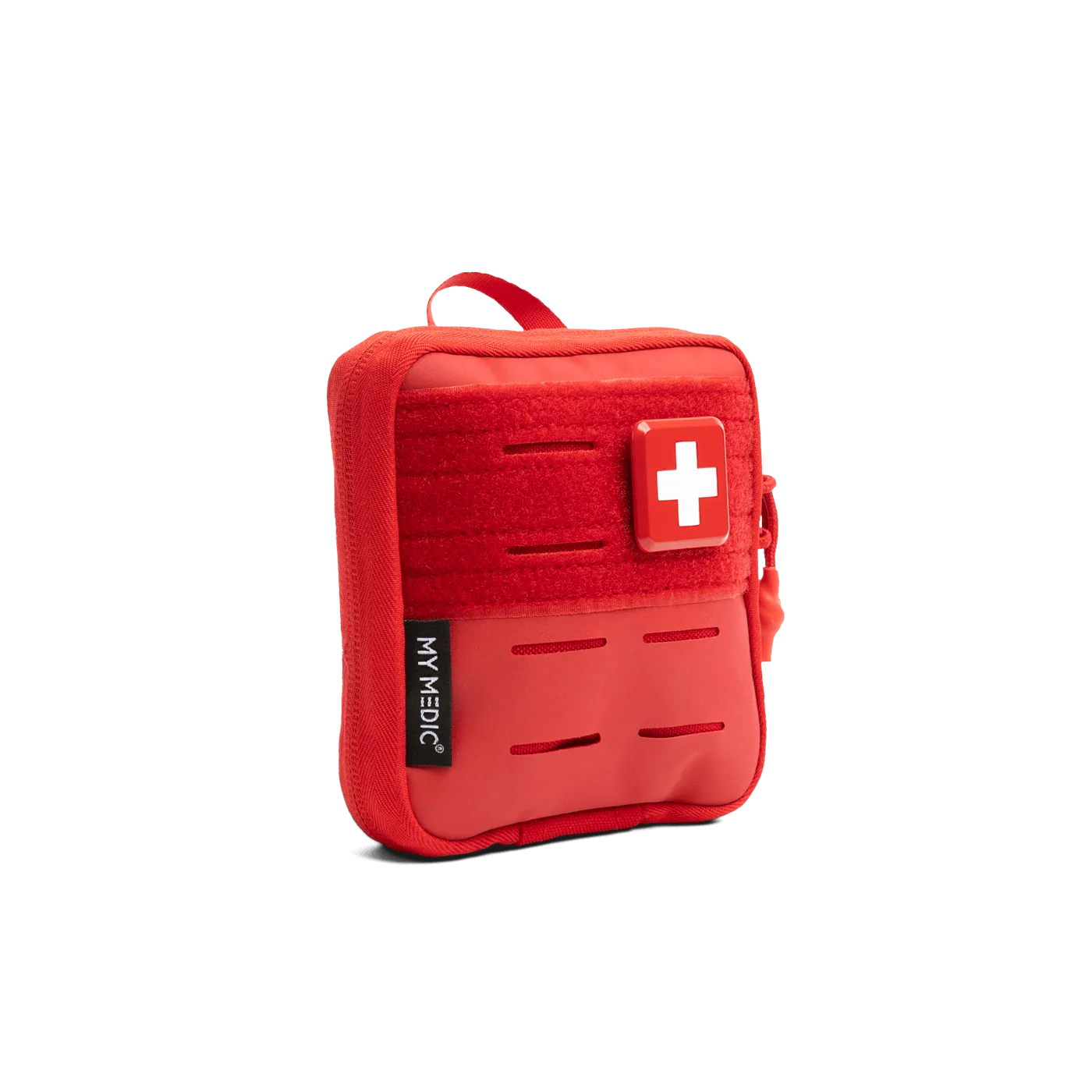
For instance, the scout-bag-only-380138">Scout | Bag Only is a lightweight, compact option that can be tailored for hiking or everyday carry. You can add modules like the Medication MOD to organize your personal medications or choose from a variety of refill packs to ensure you have the right supplies. This flexibility ensures that you're not carrying unnecessary items, making your kit more efficient and easier to manage.
- Modular systems that let you add or remove components
- Customizable kits for specific activities like hiking, camping, or home use
Advanced Materials and Supplies: What's Inside the Modern Kit
The contents of first aid kits have also evolved dramatically. In 2026, you'll find advanced materials that improve outcomes and reduce the risk of infection. For example, waterproof tape is now a staple in many kits, providing durable adhesion even in wet conditions. Similarly, wound closure systems have become more sophisticated, with options like the Wound Closure Kit offering sterile strips that can approximate wound edges without the need for sutures.
Another significant innovation is the inclusion of chest seals, such as the Chest Seal | Vented, which are designed to treat open chest wounds by preventing air from entering the pleural space. These are just a few examples of how modern first aid supplies are becoming more specialized and effective, moving beyond simple bandages to address critical injuries.
- Waterproof and durable materials for all-weather reliability
- Advanced wound care products that promote faster healing
Training and Education: The Human Element
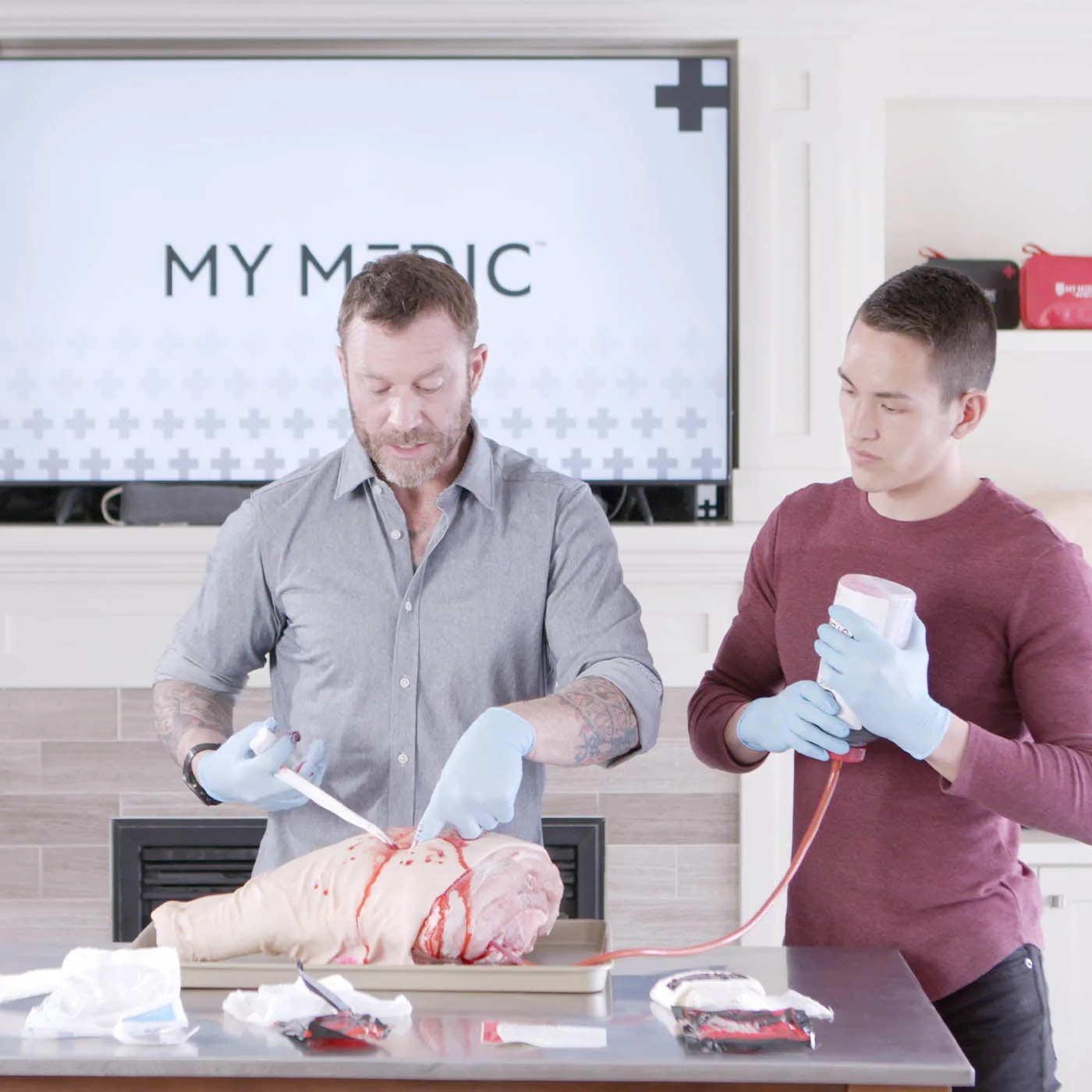
While the tools have evolved, the importance of training cannot be overstated. In 2026, there is a growing emphasis on pairing advanced kits with proper education. Many organizations now offer courses that teach not only how to use specific supplies but also how to make critical decisions in emergency situations. My Medic, for instance, provides comprehensive training courses that complement its products, ensuring that users are confident and competent when it matters most.
The integration of training with kit design is a key trend. For example, the Wilderness Medic kit is designed for extended outdoor trips and includes supplies that require specialized knowledge to use effectively. By offering courses that align with these kits, brands are empowering individuals to take control of their own safety.
- Hands-on training courses that pair with specific kits
- The importance of regular practice and skill refreshment
Sustainability and Eco-Friendly Innovations
As environmental awareness grows, so does the demand for sustainable first aid supplies. In 2026, we're seeing a shift toward eco-friendly materials, such as biodegradable packaging and reusable components. Some companies are even developing refillable systems to reduce waste. This trend is not just about being green; it's about creating products that are both effective and responsible.
For example, My Medic offers refill packs that allow you to replenish your kit without discarding the entire bag. This not only saves money but also reduces environmental impact. Additionally, innovations like the Wool Blanket provide a sustainable alternative to synthetic emergency blankets, offering warmth and durability while being naturally biodegradable.
- Biodegradable and recyclable materials in first aid products
- Refill systems that minimize waste and save money
As we look ahead, it's clear that first aid kits are no longer just a box of bandages. They are sophisticated tools that incorporate technology, advanced materials, and modular design to meet the demands of modern life. Whether you're a seasoned professional or a beginner, staying informed about these trends can help you choose the right kit for your needs. Explore My Medic's innovative range of products to find the perfect kit for your adventures and daily life.