Quick Answer
Enamel pin grades typically range from A (flawless) to C (noticeable flaws), with hard enamel generally considered higher quality than soft enamel due to its smooth, polished surface and durability. For most collectors, hard enamel pins with clean edges and even fill are the best balance of quality and price. Always check the pin's material, finish, and size before buying—these details matter more than the grade label alone.
If you've ever traded pins or browsed a collector forum, you've seen terms like "A grade," "B grade," or "hard enamel" thrown around. But what do these enamel pin grades actually mean, and how do they affect what you should buy?
This guide breaks down the common grading systems, explains the difference between hard and soft enamel, and gives you concrete rules for judging pin quality—so you can make confident decisions whether you're adding to your own collection or hunting for a gift.
What Pin Grades Actually Mean
Pin grades are informal labels used by manufacturers and collectors to describe a pin's condition. An A-grade pin is flawless: no scratches, no enamel overflow, and a perfect metal finish. B-grade pins have minor cosmetic issues like tiny bubbles or slight enamel underfill, often sold at a discount. C-grade pins have more obvious flaws that affect appearance but not function. These grades are not standardized across the industry, so always inspect photos or ask for details before buying.
Some sellers use terms like "collector grade" to imply higher quality, but without a universal standard, the label alone isn't enough. Focus on the specific attributes: enamel type, metal finish, and edge cleanliness. A well-made soft enamel pin can look better than a poorly made hard enamel one.
- Ask for close-up photos of the pin's surface and edges if buying secondhand.
- Remember that grade labels are subjective—trust your eyes over the term.
Hard Enamel vs. Soft Enamel: The Quality Divide
Hard enamel pins are made by filling recessed areas with enamel and then polishing the surface flat, resulting in a smooth, scratch-resistant finish. Soft enamel pins have a raised metal outline with recessed enamel, giving a textured look. Hard enamel is generally more durable and feels more premium, which is why it's often preferred for collector pins. Soft enamel can be more affordable and allows for certain design effects, but it may be more prone to enamel chipping over time.
When you're evaluating enamel pin quality, consider how the pin will be used. If it's going on a jacket that sees daily wear, hard enamel's smooth surface is less likely to snag. If it's for a display board, soft enamel's texture can add visual interest. Neither is inherently "better"—it depends on your priorities.
- Hard enamel: smooth, polished, durable—ideal for everyday wear.
- Soft enamel: textured, often more affordable—great for display or light use.
How to Judge Pin Quality Before You Buy
Start by looking at the metal finish. A clean, even plating (like black nickel or gold) with no pitting or discoloration is a good sign. Check the enamel fill: it should be level with the metal dividers on hard enamel, and evenly recessed on soft enamel without gaps or overflow. The edges of the metal lines should be crisp, not blurry or uneven. Finally, consider the pin's backing—a secure clasp or locking back prevents loss.
Size also matters for perceived quality. Smaller pins can be harder to detail, so a crisp design at 1 inch is a good indicator of careful manufacturing. Larger pins offer more canvas for intricate art but may feel heavier. There's no universal "best" size, but consistency with the design's complexity is key.
- Look for even enamel fill and sharp metal lines.
- A quality backing (like a locking clasp) adds practical value.
Collector Pin Grades and Condition Scales
In the collector market, pins are often graded on a scale similar to comic books or trading cards. A "mint" pin is perfect, while "near mint" may have a tiny flaw only visible under close inspection. "Excellent" might have minor surface scratches, and "good" could have enamel chips or plate wear. These condition grades matter for resale value, but for personal collections, a B-grade pin with a small flaw can be a budget-friendly way to enjoy a design.
If you're buying from a retailer, pins are usually sold as new and ungraded, but you can still apply these criteria. If you're trading, always ask for the seller's grading scale and photos from multiple angles. Reputable sellers will disclose flaws upfront.
- For trades, request photos in natural light to spot flaws.
- A lower grade can be a good deal if the flaw is on the back or edge.
Balancing Quality and Price: What to Expect
Higher-quality pins—hard enamel, clean plating, secure backing—often cost more, but you don't need to spend a lot to get a well-made pin. Many officially licensed pins retail for around $7 to $15, offering excellent quality for the price. Limited editions or complex designs may cost more, but price alone isn't a guarantee of quality. Always compare the specifications.
When budgeting, decide what matters most: durability, design complexity, or collectibility. A $7 hard enamel pin with a simple design can be a better everyday carry than a $20 soft enamel pin with intricate details that might chip. Read product descriptions carefully—they often mention enamel type and finish.
- Don't assume price equals quality; check the specs.
- Officially licensed pins often balance quality and affordability.
Decision Rules for Buying Enamel Pins
- Rule 1: Match enamel type to use: Choose hard enamel for everyday wear on jackets or bags because it's smooth and scratch-resistant. Choose soft enamel for display or light use if you prefer a textured look or a lower price. Hard enamel = durability; soft enamel = texture and value.
- Rule 2: Inspect the metal finish and edges: Look for even plating and crisp metal lines. Pitting, discoloration, or blurry edges indicate lower quality. For online purchases, zoom in on product photos or ask for close-ups. Clean edges and finish are signs of careful manufacturing.
- Rule 3: Check the backing and size: A secure backing (like a locking clasp) prevents loss. Size should suit the design: smaller pins need simpler art to stay legible, while larger pins can handle more detail but may feel heavier. A good backing and appropriate size add practical value.
- Rule 4: Don't overpay for grades: Grade labels are subjective. A B-grade pin with a minor flaw on the back can be a great deal. Focus on the flaws that matter to you—front-facing scratches are more noticeable than edge wear. Buy the pin, not the label.
Examples from Our Catalog
- Five Nights at Freddy's - Possessed Fredbear Collector's Pin: Hard enamel pin, approximately 1.17 inches tall and .88 inches wide. Hard enamel offers a smooth, durable finish that resists scratches—ideal for a pin you plan to wear often.
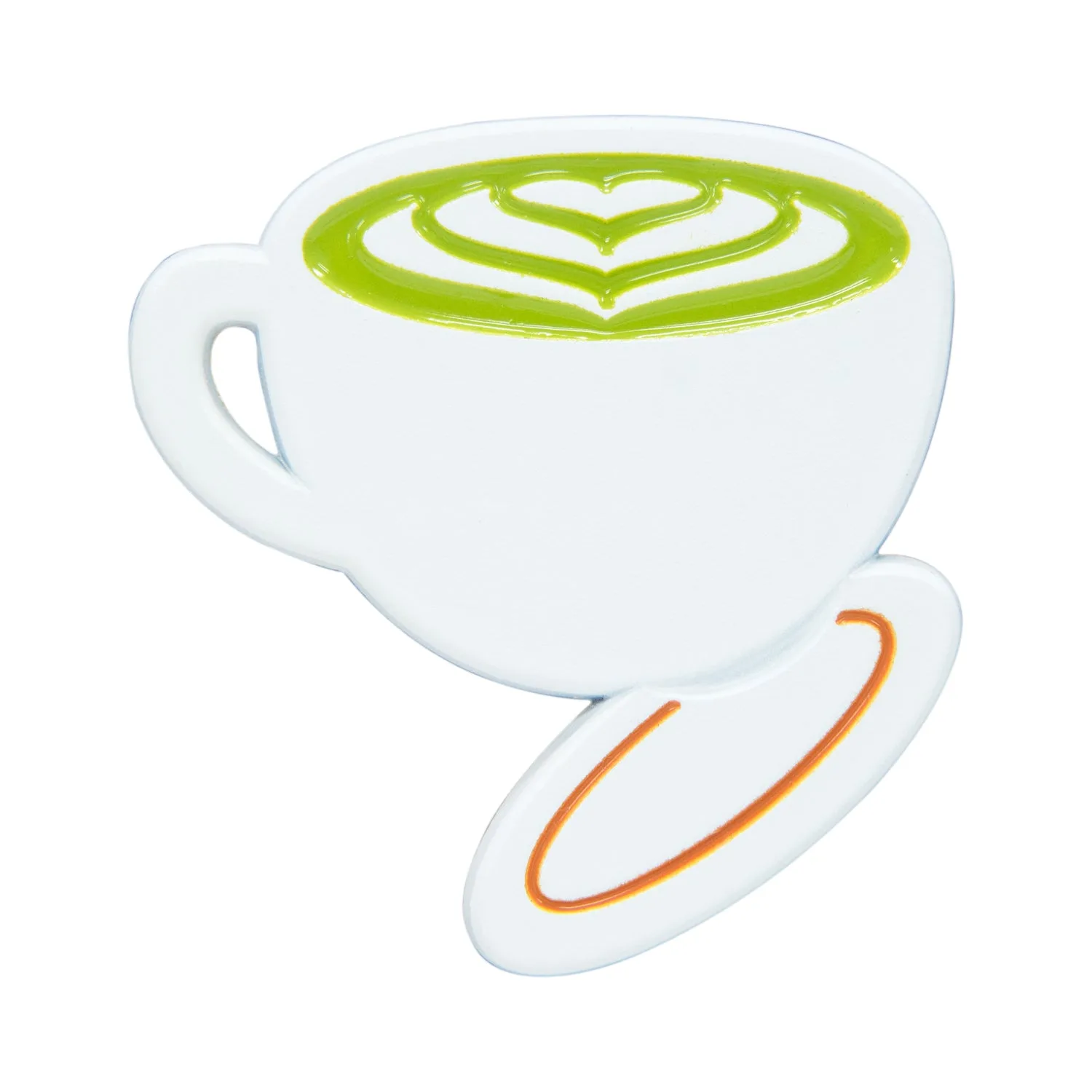
- Coffee Talk - Green Tea Latte Soft Enamel Pin: Soft enamel pin with a design inspired by a green tea latte. Soft enamel gives a textured, slightly raised look that can make certain designs pop, and it's often more budget-friendly.
- Life is Strange - Rachel Amber Collector's Pin: Hard enamel pin with a black nickel finish and screen printed details, approximately 1.3 inches by .85 inches. The black nickel finish and screen printing add contrast and detail, showing how finish choices affect a pin's overall look.
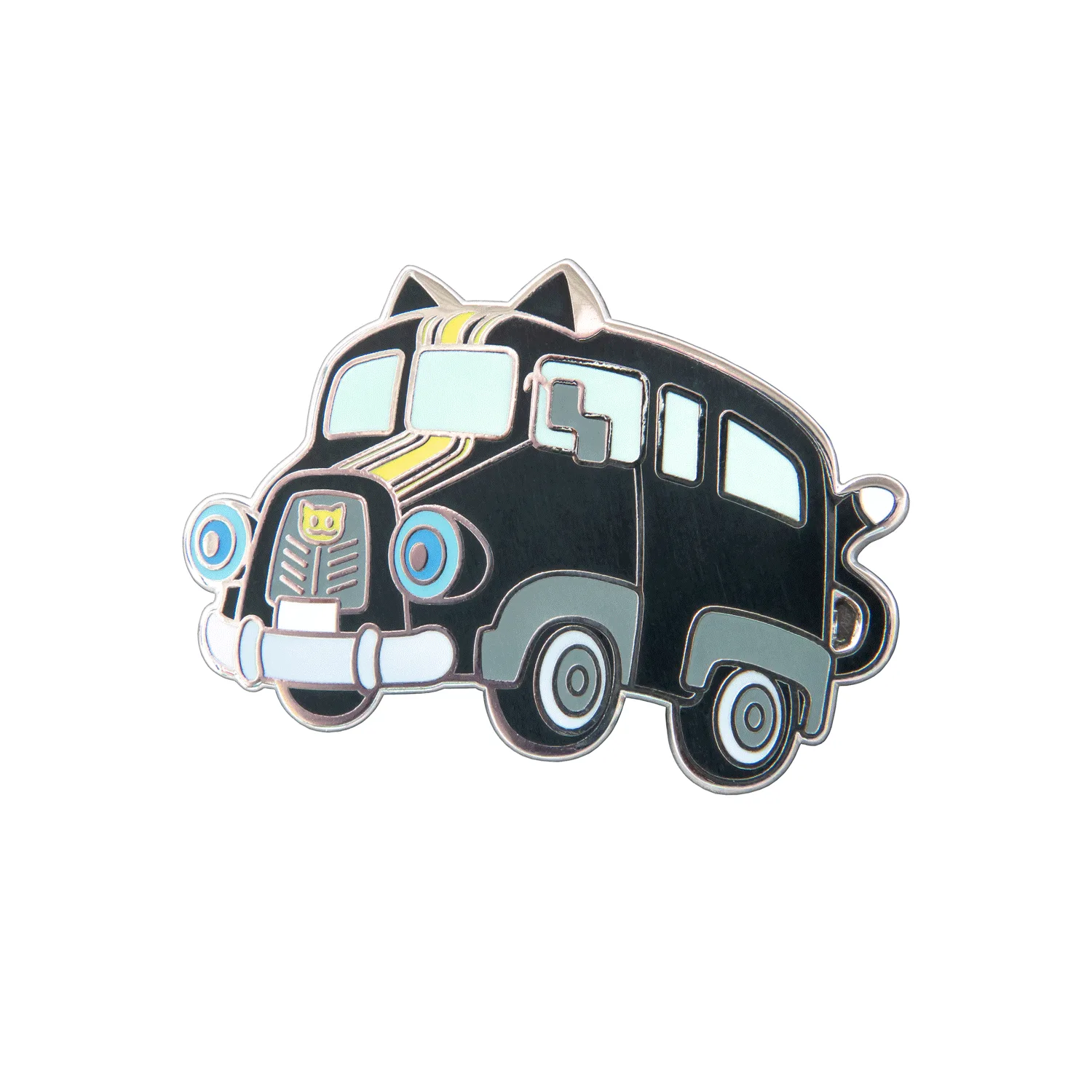
- Persona 5 - Morgana Bus Pin: Pin is approximately 1 inch tall by 1.37 inches wide. A wider pin like this offers more space for detailed art, but may be more prone to snagging—consider where you'll wear it.
Is This Guide for You?
Best for
- New collectors who want to understand quality before buying
- Gift shoppers looking for a durable pin that will last
Not for
- Collectors seeking investment-grade pins with certified grading
- Anyone looking for a specific brand's grading scale—standards vary
Enamel pin grades don't have to be mysterious. By focusing on enamel type, finish, and construction, you can judge quality yourself and choose pins that bring joy for years. Whether you're drawn to a hard enamel collector's pin or a soft enamel design, the right pin is the one that fits your style and budget.