Quick answer
Frame material and total bike weight matter, but not in the way most parents assume. A lighter bike is easier for a child to start, stop, and steer, and aluminum frames are the most common way to get there without giving up durability. Weight alone doesn't make a bike safe or unsafe; fit, brakes, and component quality do just as much work.
Walk into any bike shop conversation about kids' bikes and you'll hear two competing claims: steel is stronger, or lighter is always better. Both are half-truths, and the half that's wrong can push you toward the wrong bike for your child.
This article looks at the most common beliefs about kids bike frame material and weight, gives each one a straight verdict, and explains what actually changes your child's experience on the bike.
Myth: Heavier bikes are safer because they're sturdier
Verdict: False. Weight is not a safety feature. A heavy bike is harder for a small rider to balance at low speed, harder to lift off the ground after a tip-over, and harder to stop because the rider has to manage more mass with smaller hands and less muscle. Safety comes from working brakes, correct fit, and predictable handling, not from pounds on the frame.
What actually signals a sturdy kids' bike is how it's built: sealed hubs, proper air tires, quality braking components, and a frame designed around child proportions. Those are the things that hold up ride after ride. A bike can be light and still be built with real parts rather than toy-grade hardware.
- Judge a bike by its components and fit, not by how heavy it feels in the shop.
- If your child struggles to walk the bike or pick it up, that's a fit and weight problem, not a sign of toughness.
Myth: Any lightweight kids bike is a good bike
Verdict: Not automatically. Light weight is only useful when it comes with real components and geometry that suits a young rider. A bike can be light because it's stripped down, not because it's well engineered. The useful version of lightweight is a bike that keeps proper brakes, a proper drivetrain, and air tires while trimming unnecessary mass.
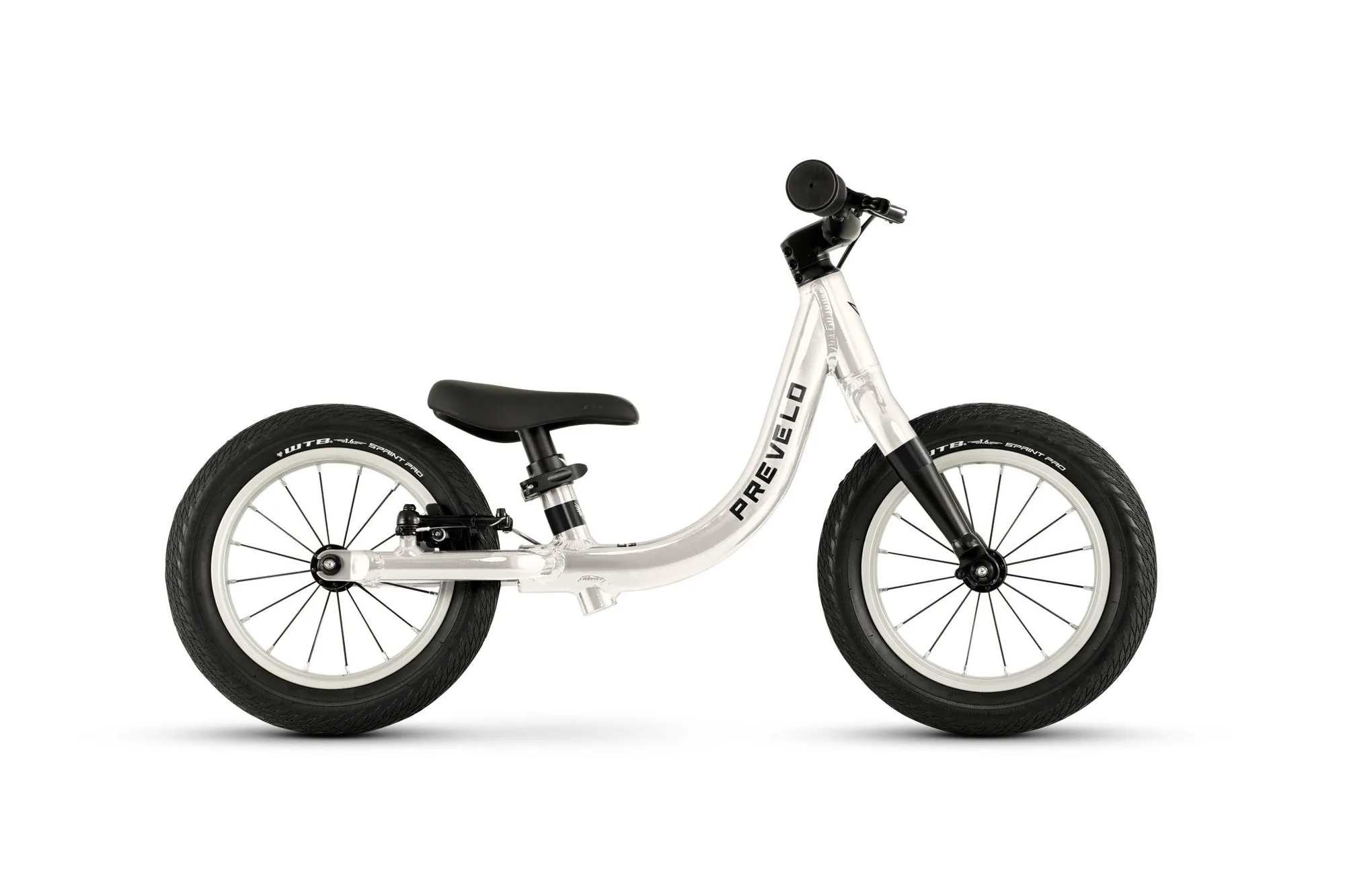
The Alpha Zero Mk III is a good example of weight serving a purpose. It weighs just 6.9 pounds, uses a lightweight aluminum frame, and still includes a real rear V-brake, sealed hubs, air tires, and a low step-through design with tool-free seat adjustment. That's light weight paired with function, not light weight instead of function.
Alpha Zero
- Ask what was kept, not just what was removed, when a bike is described as lightweight.
- For a first bike, low weight plus a real brake and easy seat adjustment is the combination that builds confidence.
Myth: Aluminum frames are weaker than steel
Verdict: False in practice for kids' bikes. Aluminum is the standard frame material for quality youth bikes because it can be shaped into frames that are both light and durable. The frame material matters less than how the frame is designed and welded, and a well-made aluminum frame will outlast the years a child actually rides it.
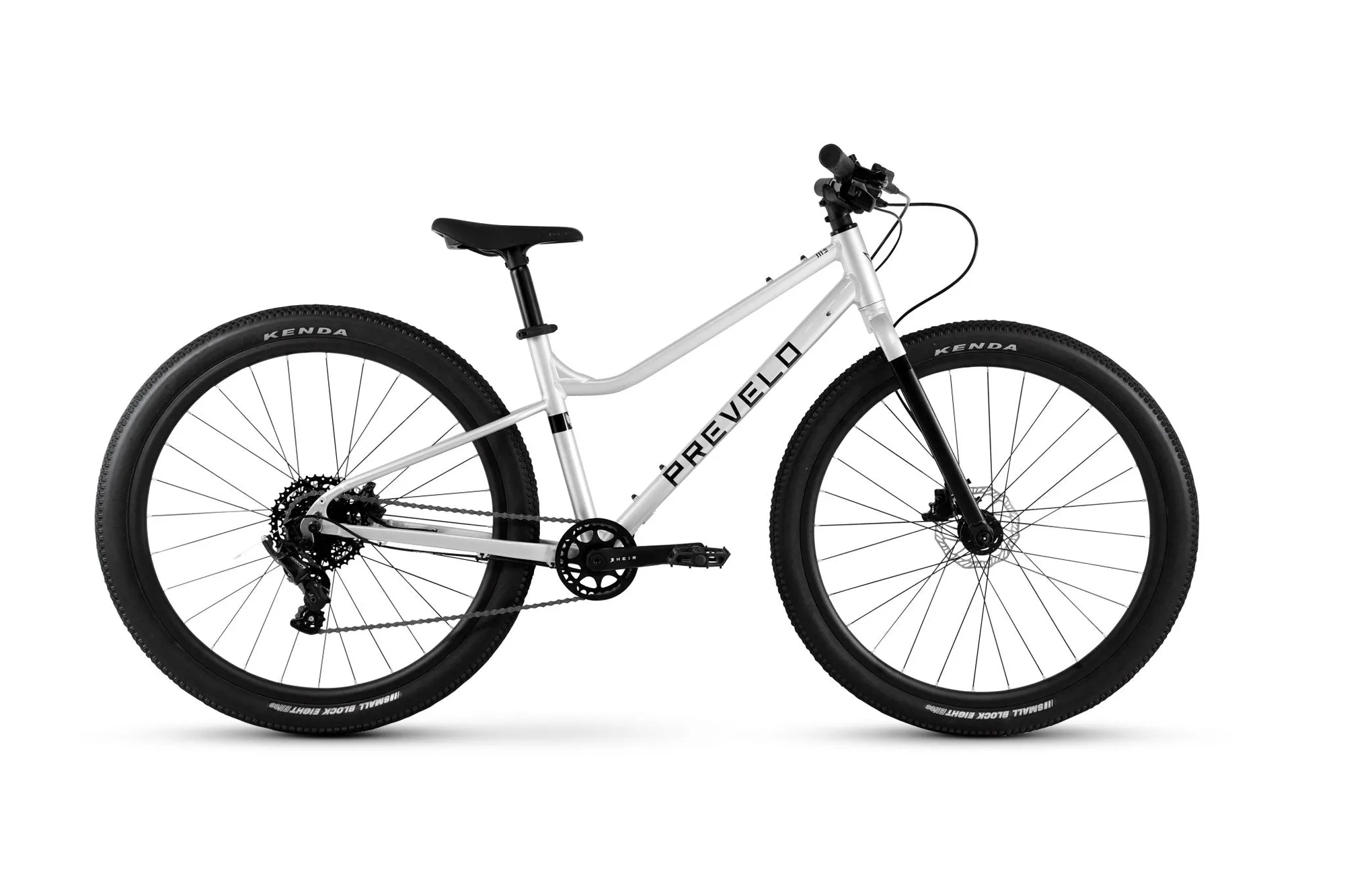
The Alpha Three Mk III shows what aluminum frames make possible at this level: a lightweight 20-inch geared bike for riders ages 5 to 9, with an 8-speed Microshift drivetrain, a wide 11–38T cassette, a clutched derailleur, and Promax hydraulic disc brakes. None of that would be practical on a frame that was heavy for its own sake.
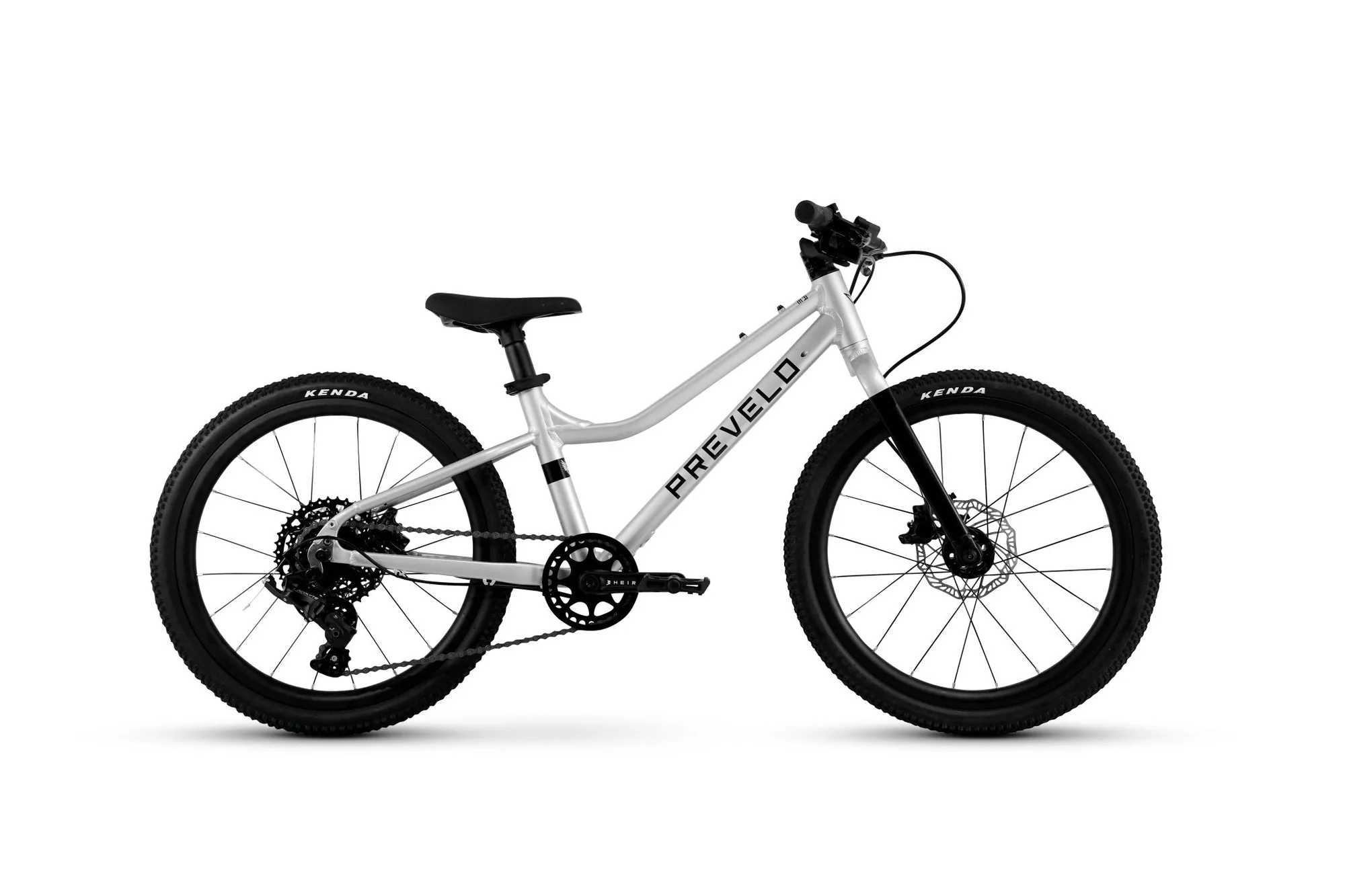
Alpha Three
- Aluminum is the practical default for kids' bikes; steel still appears, but usually on heavier, simpler builds.
- A clutched derailleur and hydraulic disc brakes are component signals that the frame was built to be ridden hard.
Myth: Kids' bike weight only matters for racing
Verdict: False. Weight matters most for the least experienced riders. A lighter bike is easier to pedal uphill, easier to restart from a stop, easier to steer, and less intimidating when a child has to walk it. Those advantages show up on the driveway and the school run, not just on a race course.
The Alpha Five Mk III is built for adventurous riders ages 9 to 13 on paved routes, paths, and light trails, with an 8-speed Microshift Acolyte drivetrain, an 11–38T cassette, a clutched derailleur, Promax hydraulic disc brakes, and tubeless-capable double-wall 26-inch rims. That's a bike where lower weight and better components work together to keep an older kid riding farther without fatigue.
- For a beginner, weight affects confidence more than speed.
- For an older rider covering distance, weight affects how long they can ride before getting tired.
Myth: You should replace the bike as soon as your child outgrows the frame
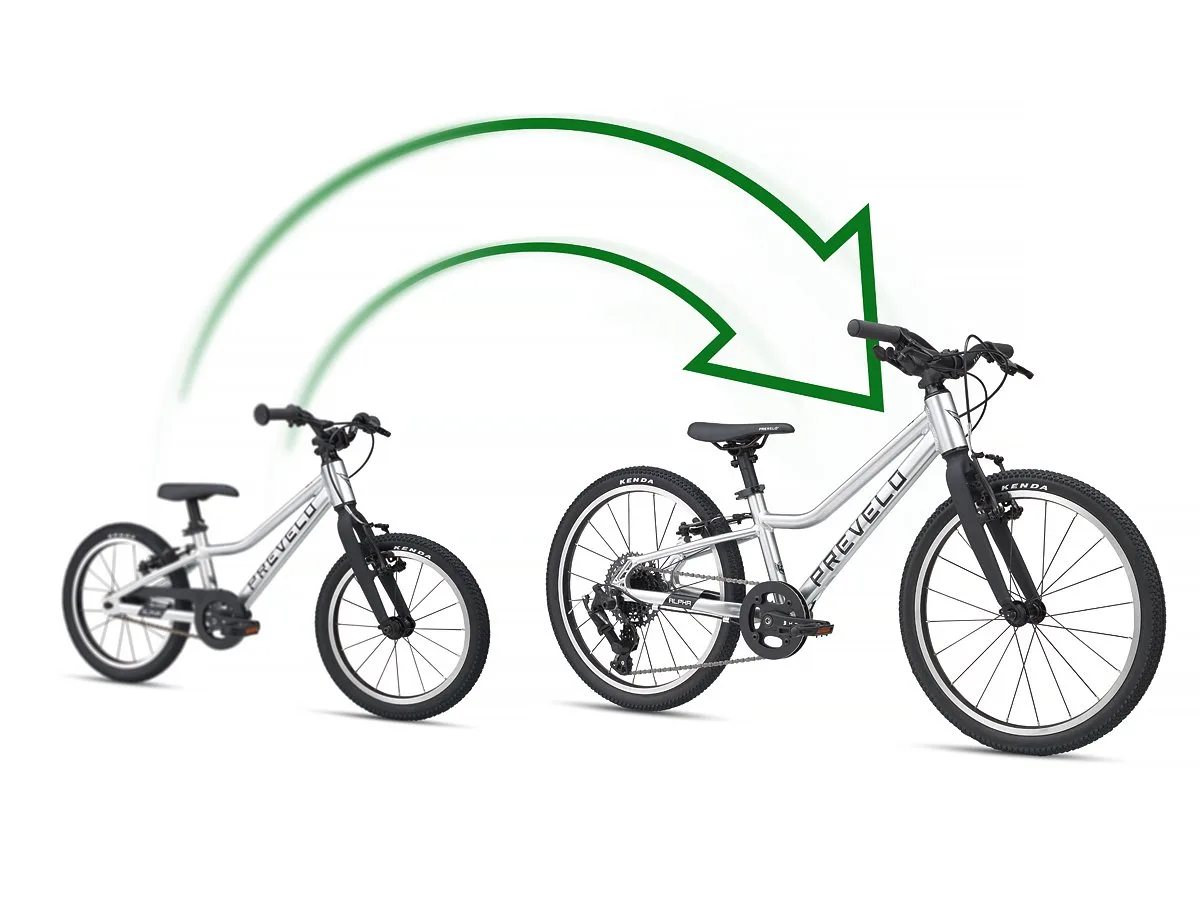
Verdict: Not necessarily. Kids grow, and a bike that no longer fits is a real problem, but the frame isn't the only thing that ages out. The Prevelo Factory Trade-Up Club is designed for exactly this stage: when you're ready to move up to your next Prevelo bike, you send back your previous bike and get back 40% of its original purchase price, with return shipping paid, as a lifetime member.
That changes the math on frame material. If you know the bike has a path forward when your child grows, you can choose the lighter, better-specified frame now instead of buying heavy to hedge against replacement.
- Plan for growth at purchase time, not after your child has already outgrown the bike.
- A trade-up path makes a lighter, better-built frame a more sensible long-term choice.
Verdicts on kids' bike frame material and weight
- Heavier means safer: Extra weight makes balancing, stopping, and lifting harder for small riders without adding any real safety benefit. Verdict: myth. Judge safety by brakes, fit, and components.
- Lightweight is automatically better: Light weight only helps when the bike keeps proper brakes, gearing, and air tires. Stripped-down isn't the same as well-built. Verdict: half-true. Check what was kept, not just what was removed.
- Aluminum is weaker than steel: Aluminum is the standard for quality kids' bikes because it can be both light and durable, and frame design matters more than the raw material. Verdict: myth. Aluminum is the practical default for youth bikes.
- Weight only matters for racing: Weight matters most for beginners and for older kids covering distance, because it affects confidence, effort, and fatigue. Verdict: myth. Weight affects everyday riding, not just competition.
- A growing kid means replacing the whole bike: Growth is real, but a trade-up program can return 40% of the original purchase price and cover return shipping. Verdict: not necessarily. Plan for growth before you buy.
What the specs actually tell you
- Alpha Zero: The Alpha Zero Mk III is a premium balance bike weighing just 6.9 pounds, with a lightweight aluminum frame, sealed hubs, air tires, a real rear V-brake, low step-through design, and tool-free seat adjustment. For a toddler, low weight plus a real brake and easy seat changes is what makes a first bike approachable rather than intimidating.
- Alpha Three: The Alpha Three Mk III is a lightweight 20-inch geared bike for ages 5 to 9 with an 8-speed Microshift drivetrain, wide 11–38T gearing, a clutched derailleur, and Promax hydraulic disc brakes. This is what a lightweight aluminum frame buys you: real gearing and real brakes at a size a young rider can actually manage.
- Alpha Five: The Alpha Five Mk III is a 26-inch geared bike for ages 9 to 13 with an 8-speed Microshift Acolyte drivetrain, an 11–38T cassette, a clutched derailleur, Promax hydraulic disc brakes, and tubeless-capable double-wall rims. Older kids covering distance benefit most from weight savings combined with components that hold up on light trails.
- Prevelo Factory Trade-Up Club: When you move up to your next Prevelo bike, send back your previous bike and get 40% of its original purchase price back, with return shipping paid, as a lifetime member. A trade-up path reduces the risk of choosing a lighter, better-specified frame now instead of a heavier one you'll replace anyway.
Frame material and weight are useful signals, not marketing slogans. Choose a lightweight aluminum frame with real brakes and gearing, make sure it fits your child today, and pick a brand with a plan for when they grow. That combination does more for your child's riding than any single number on a spec sheet.