Quick Answer
A limited edition resin statue becomes collectible when its edition size is small, the studio has a strong reputation, and the design captures a beloved character in a distinctive way. To make a smart purchase, always check the official edition size, confirm the material and scale, and decide whether you value display presence or long-term rarity more.
Limited edition resin statues sit at the top of many anime collections, but not every numbered piece holds its value or feels special. The difference often comes down to a few clear factors: how many pieces the studio produces, the materials used, and the character or scene being captured.
This guide breaks down what makes a limited run anime statue collectible and gives you concrete rules to follow when deciding which piece deserves a spot in your collection.
What Defines a Limited Edition Resin Statue?
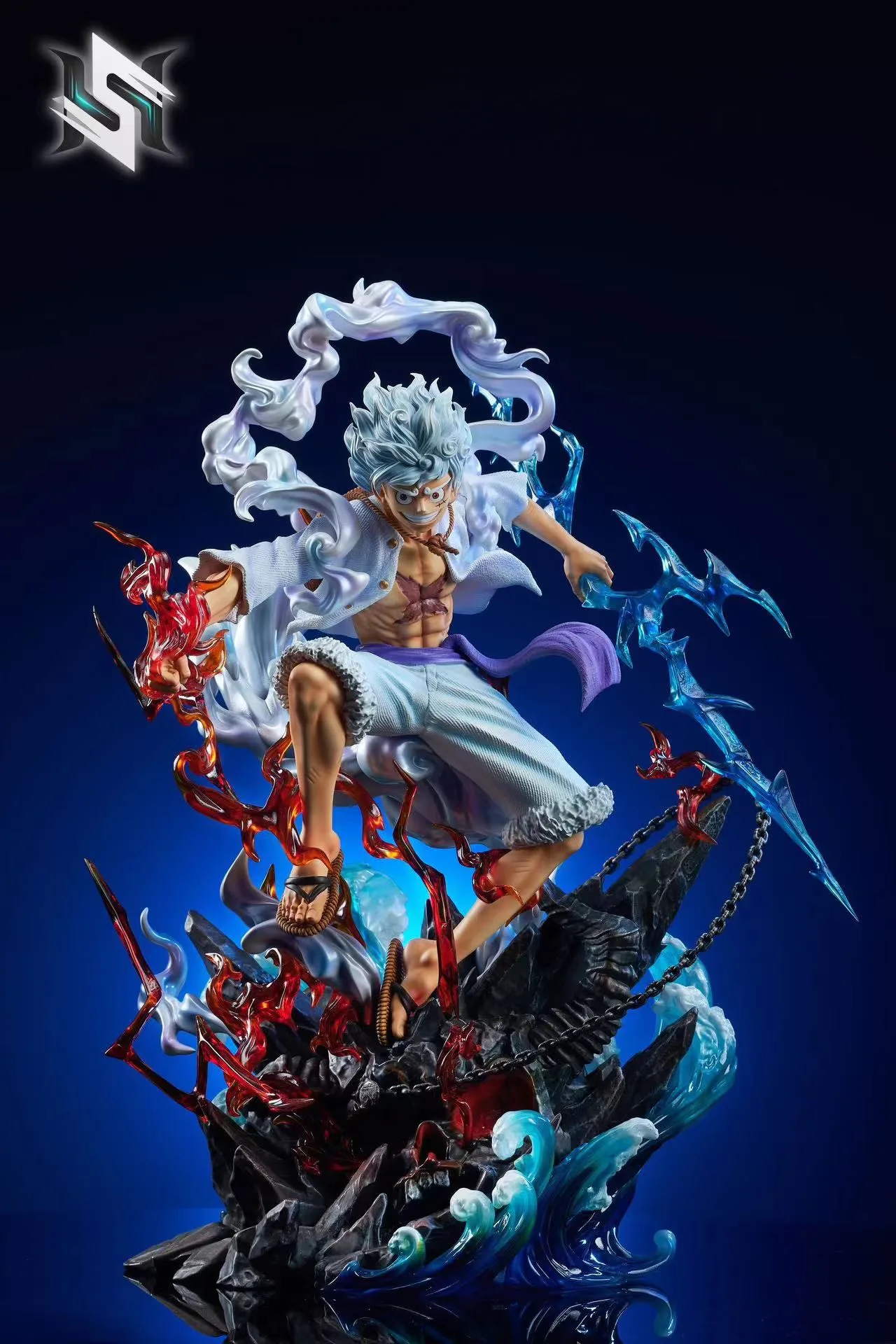
A limited edition resin statue is produced in a fixed quantity, often announced as a specific number of total pieces. Studios may also split a run into versions, such as a Standard and Advanced edition, each with its own cap. The edition size directly affects rarity: smaller runs usually mean higher demand among collectors.
Materials also play a role. Resin and PU are common in high-end statues because they allow fine detail and sharp lines. Some pieces add polystone for weight and stability. Knowing the material helps you judge durability and display quality, not just rarity.
- Check the official edition size before buying. A run of 99 or 188 pieces is more exclusive than one of 500 or more.
- Look for the material composition in the product description. Resin + PU is standard, while polystone adds weight and a premium feel.
Why Edition Size Matters for Collectibility
Edition size is the most visible sign of a collectible resin statue. When a studio limits a piece to a small number, it creates scarcity. For example, the WCF Scale GT Ver. Super Saiyan 4 Son Goku & Super Saiyan 4 Vegeta from Round Studio is limited to 99 pieces per character. That kind of cap makes the piece harder to find later.
But small edition sizes alone do not guarantee value. The character's popularity, the studio's track record, and the design quality all influence demand. A limited run of a niche character may stay under the radar, while a sought-after character like Goku can drive strong interest even at a higher price.
- Compare edition sizes across similar statues. A 99-piece run is more exclusive than a 268-piece run, but the character matters too.
- Check whether the statue has multiple versions. Sometimes a Standard version is limited to 199 pieces while an Advanced version is only 88, affecting rarity and price.
How to Evaluate a Limited Edition Resin Statue Before Buying
Start by confirming the official edition size and whether the run is truly limited. Some statues are labeled 'time-limited' instead of having a fixed number. A time-limited piece may be produced for a set period, which can still create scarcity but less predictable than a hard cap.
Next, consider the scale and dimensions. A 1/6 scale statue with a large base takes up more display space but offers more presence. A smaller piece, like the Baroque Works 001 MR.0 Sir Crocodile at 8.6cm, is easier to fit on a shelf and more affordable, but it lacks the visual impact of a larger statue.
Finally, think about the studio's reputation. Established studios with a history of quality tend to hold value better. If the studio is newer, check the product details for materials, edition size, and estimated shipping dates to gauge professionalism.
- Measure your display space before choosing a scale. A 1/6 statue needs about 30-40cm of shelf height, while a WCF scale fits almost anywhere.
- Look for clear product descriptions that list edition size, material, and dimensions. Vague details may signal a less reliable product.
Decision Rules for Buying Limited Edition Resin Statues
- Check Edition Size First: Always look for the official edition size. A run of 99 or 188 is more collectible than 500. If the size is not listed, treat the rarity as unknown and weigh other factors. Smaller runs usually mean higher collectibility, but confirm the number before paying a premium.
- Match Scale to Your Display: Consider the statue's height and base dimensions. A 1/6 scale statue needs more shelf space but delivers a stronger presence. Smaller scales like WCF are easier to display and often more budget-friendly. Measure your shelf space before committing to a large piece.
- Weigh Material and Build Quality: Resin + PU is standard for detailed statues. Polystone adds weight and stability. A heavier statue feels more premium but may cost more to ship. Material affects both durability and shipping cost, so factor that into your budget.
Limited Edition Resin Statues in Focus
- WCF Scale GT Ver. Super Saiyan 4 Son Goku & Super Saiyan 4 Vegeta - Dragon Ball Statue - Round Studio: PU material, WCF scale, limited to 99 pieces per character, estimated shipping Q1 March 2026. This small edition size makes each character a rare find. The WCF scale is compact, so it fits easily into most displays while still offering the appeal of a limited run.
- https://figurechoicejhz.com/products/full-payment-ver-b-full-statue-standard-with-open-eyes-abd791f5-d8e8-45f4-9762-498421https://figurechoicejhz.com/products/full-payment-ver-b-cfaf2154-19e6-447b-add1-7e1e1166b23a-497986https://figurechoicejhz.com/products/full-payment-ver-b-9e2494c7-642e-4023-b79d-2174a9b3355c-498068https://figurechoicejhz.com/products/full-payment-ver-b-5af7fac8-e4f6-491f-b174-bc4cbf8956b8-501772Full Payment-Ver. B Full Statue Standard with Open Eyes: Resin + PU, 1/6 scale, full statue version limited to 199 pieces, advanced version limited to 88 pieces, estimated shipping Q1 March 2025. The multiple version limits let you choose between a more affordable standard edition and a rarer advanced edition. Knowing the difference helps you pick the level of exclusivity you want.
Who Should Buy a Limited Edition Resin Statue?
Best for
- Collectors who enjoy owning rare pieces with a fixed edition size
- Fans of iconic characters like Goku or Vegeta who want a display centerpiece
- Buyers who plan to display the statue long-term and value craftsmanship
Not for
- Budget-conscious buyers who prefer smaller, more affordable figures
- Collectors who only care about character representation and not rarity
Limited edition resin statues offer a unique mix of artistry, rarity, and fandom. By checking edition size, scale, and materials, you can choose a piece that fits your display and your definition of collectible. Whether you go for a compact WCF scale or a full 1/6 statue, the key is to buy what you love and understand what makes it special.