Quick Answer
Organic tea certification means the tea is grown without synthetic pesticides, fertilizers, or GMOs, and must meet strict standards set by certifying bodies. Look for labels from recognized organizations to ensure authenticity, and remember that 'organic' is a process, not a flavor claim.
When you see 'organic' on a tea label, it's easy to assume it's healthier or tastier. But what does it really mean? Organic certification is a rigorous process that verifies how the tea is grown and processed, not just a marketing buzzword.
In this article, we'll bust common myths about organic tea certification, explain what standards are involved, and give you practical tips for choosing certified organic teas.
Myth #1: 'Organic' Means Pesticide-Free
Many people believe that organic tea is completely free of pesticides. While organic farming prohibits synthetic pesticides, it does allow certain natural pesticides. The key is that these must be approved by organic standards and used in a way that minimizes environmental impact.
Certification ensures that the tea is grown without synthetic chemicals, but it does not guarantee zero residues. Instead, it guarantees adherence to strict guidelines that promote ecological balance and biodiversity.
- Always check for certification logos from recognized bodies like USDA Organic, EU Organic, or ACO (Australian Certified Organic).
Myth #2: All Organic Teas Are the Same
Not all organic teas are created equal. Certification standards vary by country and organization, and some are stricter than others. For example, the USDA Organic standard is different from the EU Organic standard, and both differ from the Australian Certified Organic standard.
Additionally, organic certification covers the entire supply chain, from cultivation to processing and packaging. Some teas may be 'made with organic ingredients' but not fully certified, which means only a percentage of the ingredients are organic.
- Look for '100% Organic' or 'Certified Organic' labels to ensure the product meets the highest standards.
Myth #3: Organic Tea Tastes Better
Taste is subjective and not a guarantee of organic certification. Organic farming practices can influence flavor by promoting healthier soil and plants, but many factors affect taste, including terroir, processing, and brewing.
What organic certification does guarantee is that the tea is grown without synthetic chemicals, which some people prefer for health and environmental reasons. But taste should be judged by your own palate.
- Try different certified organic teas to find the ones you enjoy most, rather than assuming organic equals better taste.
Verdicts on Common Organic Tea Claims
- Claim: 'Organic tea is 100% pesticide-free': Verdict: False. Organic standards prohibit synthetic pesticides, but natural pesticides may be used. Certification ensures adherence to these standards, not zero residues. Look for certified organic labels to ensure compliance.
- Claim: 'All organic teas are equally certified': Verdict: False. Certification standards vary by country and organization. Some products may use the term 'organic' loosely, so verify the certifying body. Check for specific logos like USDA Organic or ACO.
- Claim: 'Organic tea always tastes better': Verdict: Not necessarily. Taste is subjective and influenced by many factors. Organic certification focuses on growing practices, not flavor. Sample different organic teas to find your preference.
Certified Organic Teas to Consider
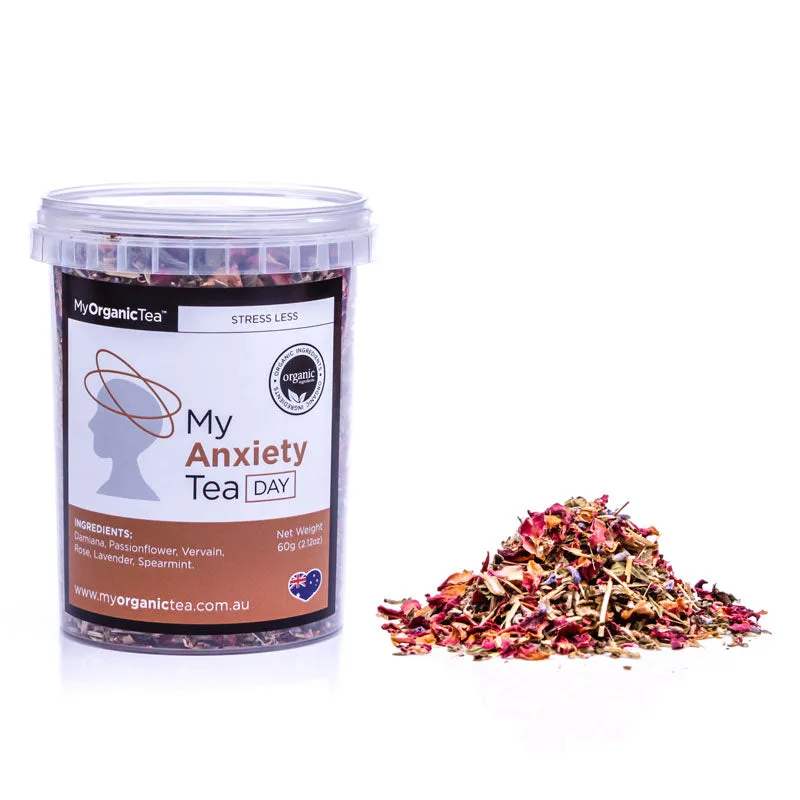
- My Anxiety Tea DAY 60 Grams (30 Serves) Organic Tea Product: This blend is synergistically balanced to calm, and it is from a range that emphasizes understanding what you are buying. When choosing an organic tea for anxiety, you want a product that clearly communicates its ingredients and purpose, so you can trust its quality.
- Lemongrass & Ginger Tea: Ingredients: Lemongrass, Ginger. No artificial preservatives or coloring. Simple, recognizable ingredients are a good sign of quality, and the absence of artificial additives aligns with the organic philosophy.
Understanding organic tea certification helps you make informed choices. Remember that 'organic' is about farming practices, not flavor or absolute purity. Always look for credible certifications and explore a variety of certified organic teas to find what suits your taste and wellness goals.