Quick Answer
Start with the guaranteed analysis to check protein, fat, fiber, and moisture levels, then scan the ingredient list for named animal proteins and recognizable whole foods. Look for an AAFCO nutritional adequacy statement to confirm the food meets minimum standards for your pet's life stage. The label won't tell you everything, but these three sections give you the most reliable starting point.
Pet food labels can feel like they're written in code. Between the flashy front-of-bag claims and the dense fine print on the back, it's easy to walk away with more questions than answers. The good news is that the information you actually need is required by law to be on every package, and once you know where to look, comparing formulas becomes much faster.
This guide answers the most common questions we hear from pet owners about reading dog food labels and cat food labels. We'll cover ingredient lists, guaranteed analysis, nutritional adequacy statements, and the marketing terms that don't mean what you might think. By the end, you'll be able to pick up any bag or can and make a more informed choice for your pet.
What Is the Guaranteed Analysis and Why Does It Matter?
The guaranteed analysis is a required table that lists minimum percentages for crude protein and crude fat, and maximum percentages for crude fiber and moisture. It's not a measure of quality; it's a legal guarantee of nutrient levels. For example, a canned food with 78% moisture might list 10% protein on the label, but on a dry matter basis, that protein level could be closer to 45%. Comparing a dry food to a canned food without converting to dry matter is like comparing apples to oranges.
To compare fairly, subtract the moisture percentage from 100 to get dry matter, then divide the nutrient percentage by the dry matter and multiply by 100. This gives you the percentage of that nutrient in the dry portion of the food. Many brands also list omega fatty acids or glucosamine, but those are voluntary additions and may not appear on every label.
- Always convert to dry matter basis when comparing wet and dry foods.
- Guaranteed analysis values are minimums and maximums, not exact amounts.
- Look for a nutritional adequacy statement near the guaranteed analysis.
How Should I Read the Ingredient List?
Ingredients are listed in descending order by weight, including water. That means a fresh chicken breast, which is about 70% water, will weigh more than a chicken meal that has been rendered and dried. This can push a named meat to the top of the list even if it contributes less protein by dry weight than a meal ingredient further down. It's one reason why judging a food solely by its first ingredient can be misleading.
Instead, look for a named animal protein source, such as chicken, beef, or salmon, in the first few ingredients. Then scan for fat sources, carbohydrate sources, and any preservatives or colors. Ingredients like 'meat meal' or 'poultry by-product meal' are rendered products that can vary in quality, while 'chicken meal' or 'beef meal' are more specific. The Association of American Feed Control Officials (AAFCO) defines these terms, so the label must follow those definitions.
- A named meat or meat meal should appear in the first three to five ingredients.
- Watch for splitting: if corn, wheat, and soy are listed separately, they may collectively outweigh a single meat ingredient.
- Artificial colors, flavors, and preservatives like BHA, BHT, and ethoxyquin are allowed but some owners prefer to avoid them.
What Does the Nutritional Adequacy Statement Tell Me?
The nutritional adequacy statement is the most important sentence on the label. It will say something like 'Animal feeding tests using AAFCO procedures substantiate that this product provides complete and balanced nutrition for maintenance of adult dogs.' This means the food has been tested and meets the minimum nutrient requirements for that life stage. If the statement says 'for all life stages,' it meets the higher requirements for growth and reproduction, which are more stringent than adult maintenance.
If the statement says 'intended for intermittent or supplemental feeding only,' the food is not complete and balanced and should not be the sole diet. This is common with some treats, toppers, and homemade-style foods. Always check the statement before committing to a new food, especially for growing puppies and kittens, pregnant or nursing pets, and pets with special medical conditions.
- Look for 'complete and balanced' and the specific life stage.
- AAFCO statements are required on all pet foods sold across state lines.
- If you see 'intermittent or supplemental feeding only,' treat it as a topper, not a meal.
What Do Marketing Terms Like 'Natural' and 'Holistic' Really Mean?
Terms like 'natural,' 'holistic,' 'premium,' and 'gourmet' have no legal definition in most pet food regulations. 'Natural' has a loose AAFCO definition, but it doesn't guarantee better nutrition. 'Organic' is regulated by the USDA, so if you see the USDA Organic seal, the product must meet specific standards for organic ingredients. 'Human-grade' is also loosely defined and doesn't automatically mean the food is safer or more nutritious.
The most reliable information is on the back of the bag, not the front. Ignore the claims and focus on the guaranteed analysis, ingredient list, and nutritional adequacy statement. If a company makes a claim like 'vet recommended,' check whether they name the veterinarian or provide a source. If not, treat it as marketing.
- Front-of-package claims are designed to sell, not to inform.
- USDA Organic is a verified claim; 'natural' and 'holistic' are not.
- Look for a customer service number or website to ask specific questions.
How Do I Compare Two Different Pet Foods?
Start by converting both foods to a dry matter basis for protein, fat, and fiber. Then compare the ingredient lists, keeping in mind that order is by weight including water. Look at the nutritional adequacy statement to ensure both meet the same life stage. Finally, consider the calorie content per cup or can. A food with higher fat may be more calorie-dense, so you may need to feed less, which can affect cost per day.
If one food costs more but you feed half as much, the daily cost might be similar. Also check for specific ingredients you want to avoid or include, such as grains, chicken, or beef. No single formula is best for every pet; the right choice depends on your pet's age, activity level, allergies, and health conditions.
- Compare dry matter protein and fat, not as-fed percentages.
- Check calories per cup or can to estimate daily feeding cost.
- Consider your pet's individual needs, not just the label.
Frequently Asked Questions
What is the most important part of a pet food label?
The nutritional adequacy statement, because it tells you whether the food is complete and balanced for a specific life stage. Without it, you don't know if the food meets minimum nutrient requirements. Always check for 'complete and balanced' and the life stage before buying.
Can I trust the ingredient list order?
The order is by weight including water, so fresh meats can appear higher than they would on a dry matter basis. Look for named animal proteins and avoid splitting of carbohydrate sources. Use the ingredient list as a guide, but don't rely on it alone.
How do I compare wet and dry food?
Convert both to a dry matter basis by subtracting moisture from 100 and dividing the nutrient percentage by the dry matter. This gives you a fair comparison of protein, fat, and fiber. Dry matter basis is the only way to compare canned and dry foods accurately.
Products That Support Label-Savvy Choices
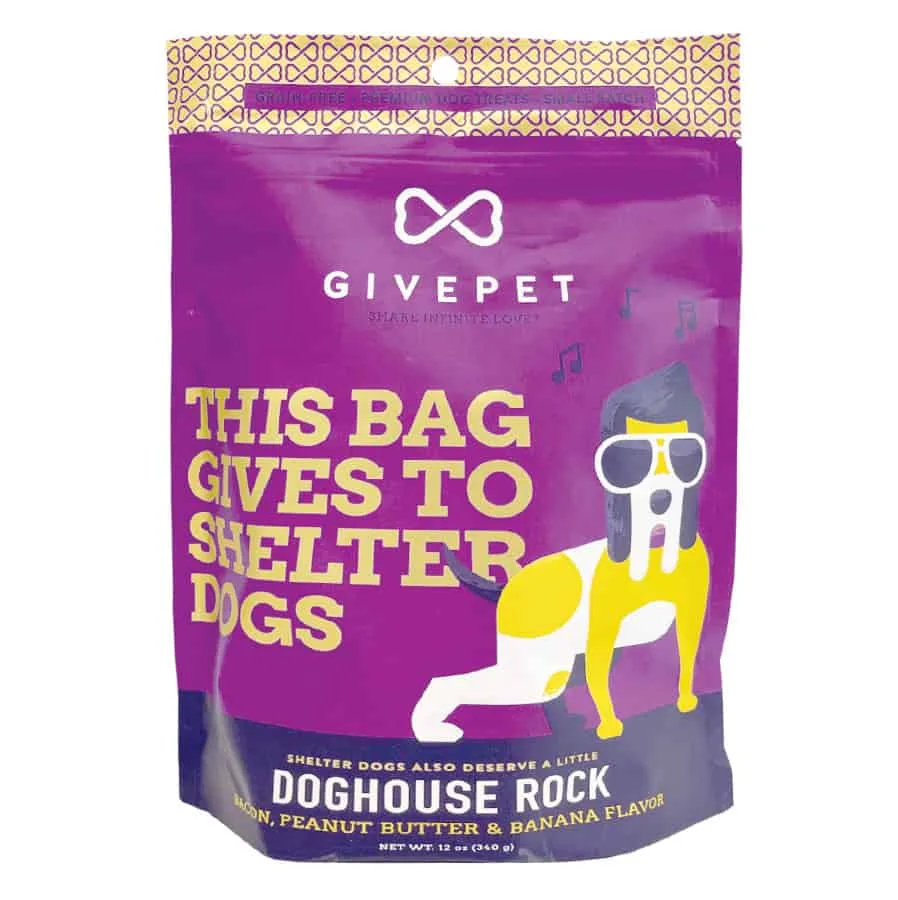
- Givepet Dog Treat Biscuits Doghouse Rock 11 oz: These crunchy oven-baked dog biscuits combine savory bacon, peanut butter, and banana. Treats don't need a guaranteed analysis for completeness, but knowing the main flavors helps you avoid ingredients your dog may be sensitive to.
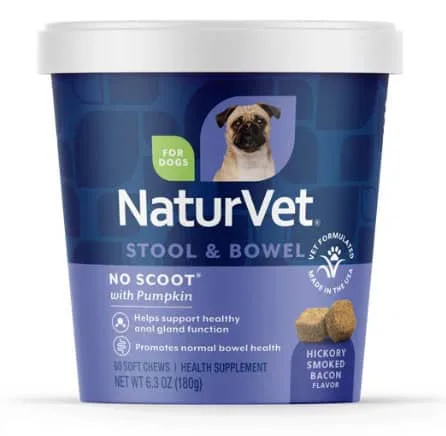
- NaturVet No Scoot Soft Chews for Dogs 60 Ct: These veterinarian-formulated soft chews contain fiber-rich ingredients like pumpkin powder, beet pulp, and flaxseed to help support healthy bowel function and normal anal gland function. If you're reading labels to manage digestive issues, a supplement with recognizable fiber sources can complement a complete and balanced diet.
Reading pet food labels gets easier with practice. Focus on the guaranteed analysis, ingredient list, and nutritional adequacy statement, and treat front-of-bag claims as marketing. If you're ever unsure, ask your veterinarian or contact the manufacturer with specific questions. Your pet's health is worth the extra minute it takes to read the fine print.