Minerals are the unsung heroes of nutrition. While vitamins often steal the spotlight, minerals are just as vital—they help build strong bones, transmit nerve impulses, maintain a healthy heartbeat, and support hundreds of enzymatic reactions. Yet many people fall short on key minerals without realizing it. This guide will help you understand what each mineral does for your body, recognize deficiency signs, and choose a vitamin-mineral supplement that fills the gaps.
Whether you're shopping for a daily multivitamin or a specific mineral supplement, knowing your body's needs is the first step. Let's break down the essential minerals, their benefits, and how to make an informed choice.
Why Minerals Matter: The Essentials Explained
Minerals are inorganic elements that your body cannot produce on its own. They must come from food or supplements. There are two categories: macrominerals, needed in larger amounts (like calcium, magnesium, and potassium), and trace minerals, needed in smaller amounts (like zinc, selenium, and iron). Each plays a unique role, from bone formation to oxygen transport.
A balanced diet is the best source, but modern farming practices, processed foods, and certain health conditions can leave gaps. That's where a vitamin-mineral combination supplement can help. Look for products that provide a broad spectrum of minerals, especially if you have dietary restrictions or a busy lifestyle.
- Macrominerals: calcium, magnesium, phosphorus, potassium, sodium, chloride, sulfur
- Trace minerals: iron, zinc, copper, selenium, iodine, manganese, chromium, molybdenum
Key Minerals and Their Roles in Your Body
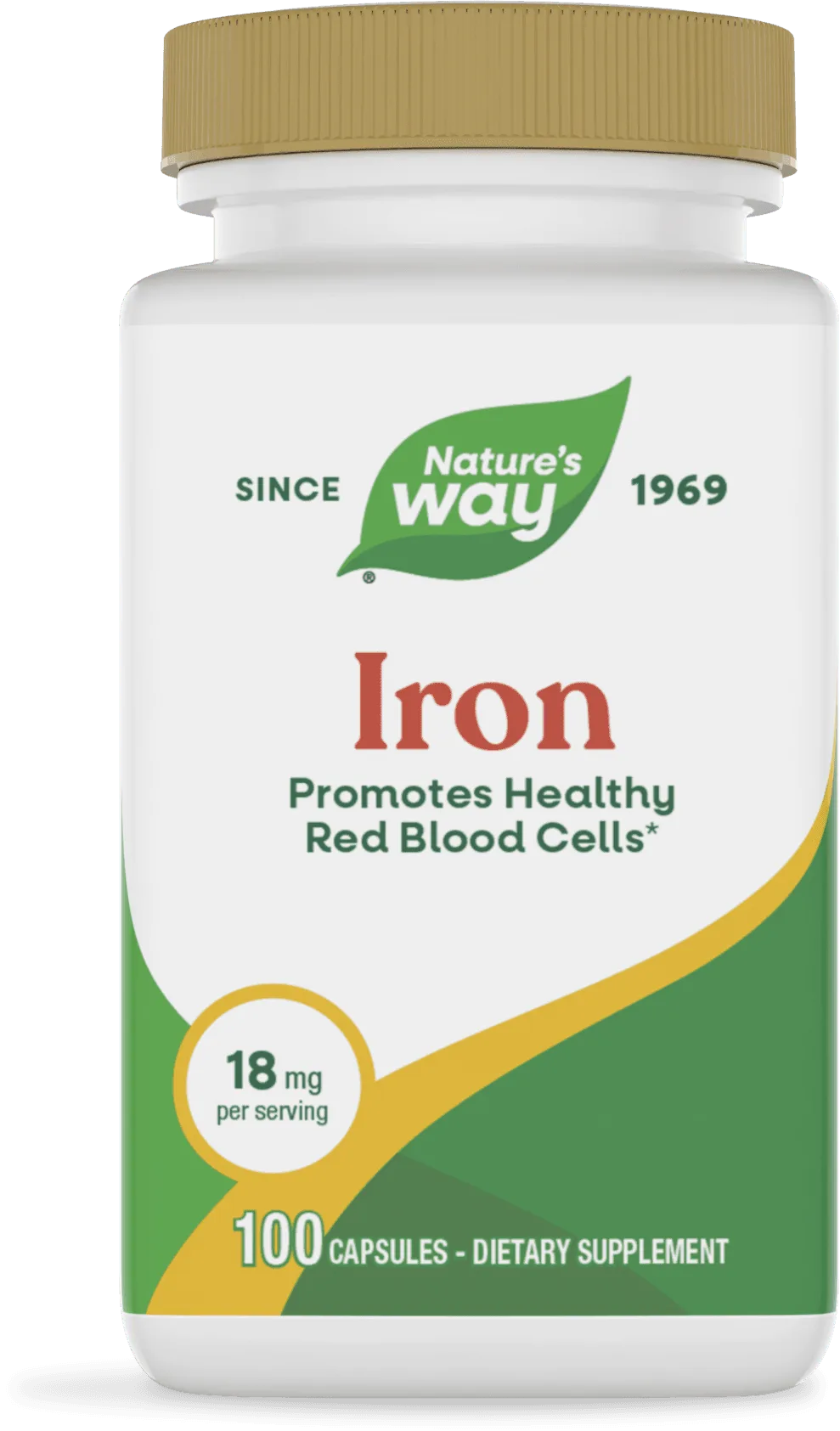
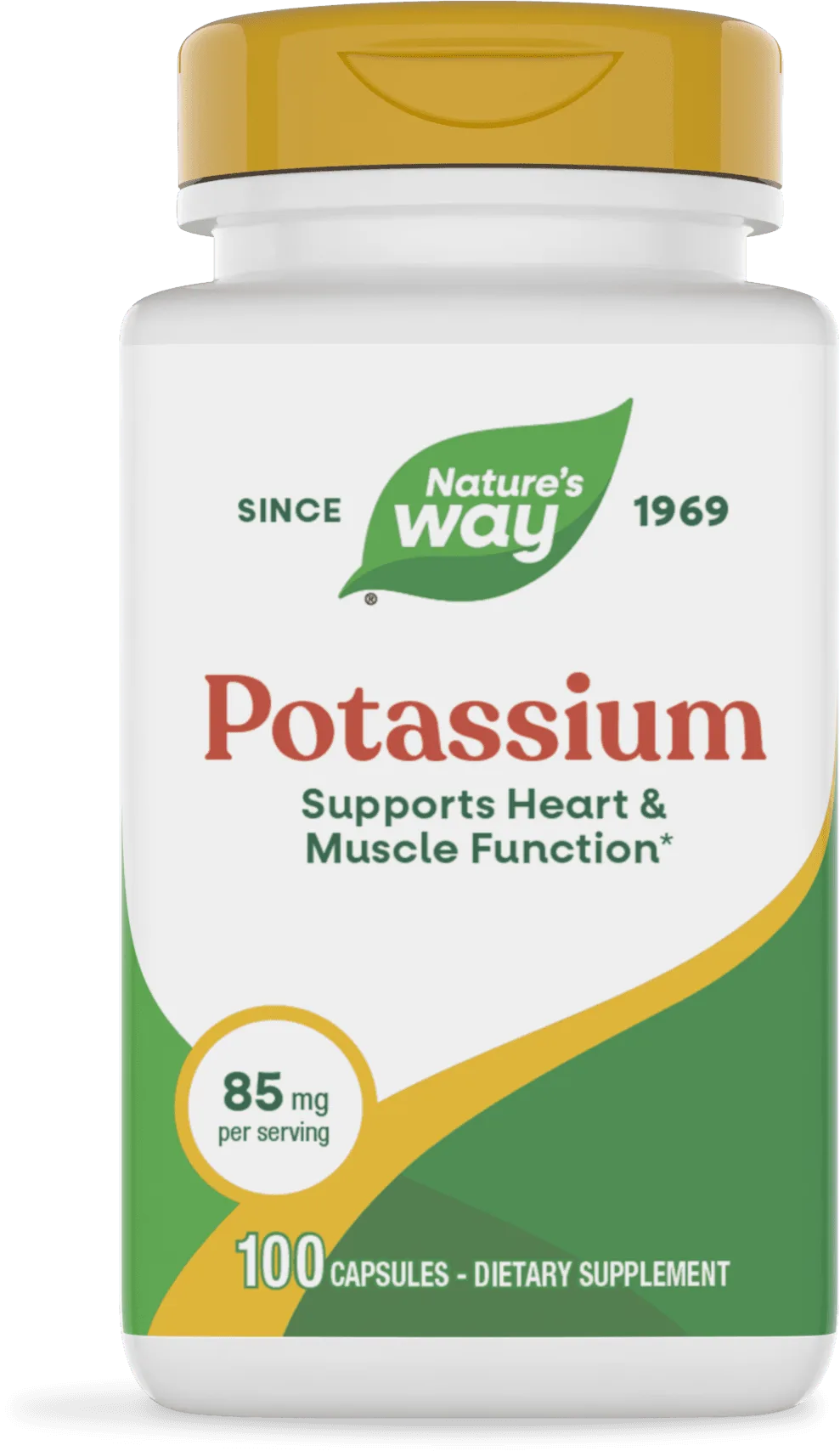
Calcium is well-known for bone health, but it also supports muscle contraction and nerve signaling. Magnesium is involved in over 300 enzymatic reactions, including energy production and muscle relaxation. Potassium helps regulate fluid balance and blood pressure. Iron is essential for carrying oxygen in red blood cells, and zinc is critical for immune function and wound healing.
Selenium acts as an antioxidant, protecting cells from damage, while iodine supports thyroid function. Copper aids in iron metabolism and connective tissue formation, and chromium helps regulate blood sugar. Each mineral has a specific job, and a deficiency can lead to noticeable symptoms.
- Calcium: bones, teeth, muscle function
- Magnesium: energy, muscle relaxation, heart rhythm
- Zinc: immune support, skin health, DNA synthesis
- Iron: oxygen transport, cognitive function
Signs of Mineral Deficiency You Shouldn't Ignore
Mineral deficiencies can manifest in subtle ways. For example, fatigue and weakness might indicate low iron or magnesium. Muscle cramps or spasms could be a sign of magnesium or potassium deficiency. Brittle nails and hair loss may point to zinc or biotin issues. Poor immune function, frequent colds, and slow wound healing are often linked to zinc deficiency.
If you experience any of these symptoms, it's wise to consult a healthcare professional before supplementing. Blood tests can confirm deficiencies, and your doctor can recommend appropriate dosages. Self-diagnosing can lead to imbalances, so professional guidance is key.
- Fatigue, weakness, or pale skin (iron)
- Muscle cramps or twitches (magnesium, potassium)
- Frequent infections or slow healing (zinc)
- Hair loss or brittle nails (zinc, selenium)
Choosing the Right Vitamin-Mineral Supplement
When selecting a supplement, consider your diet, lifestyle, and specific health goals. A comprehensive multivitamin with minerals is a convenient way to cover basics. For targeted support, you might choose individual minerals. For example, if you're vegan or vegetarian, you may need extra iron, zinc, or calcium. Athletes might benefit from magnesium and electrolytes.
Look for products that use bioavailable forms, such as citrate or glycinate for minerals. Check the label for dosages that meet daily needs without exceeding upper limits. Also, consider third-party testing for quality assurance. At Nature's Way, you can find a range of vitamin-mineral supplements designed to support your health naturally.
- Read labels for elemental mineral amounts
- Choose forms like magnesium citrate or zinc picolinate for better absorption
- Consider your diet: vegans may need extra iron and calcium
How to Incorporate Mineral Supplements into Your Routine
Consistency is key when taking supplements. Some minerals are better absorbed with food, while others are best taken on an empty stomach. For example, iron is best absorbed with vitamin C and on an empty stomach, but it can cause stomach upset, so many take it with food. Calcium and magnesium can be taken together, but high doses may compete for absorption, so it's often recommended to take them at different times.
Start with a low dose and gradually increase if needed. Keep a journal to track how you feel. Remember that supplements are meant to complement a healthy diet, not replace it. Aim to get minerals from whole foods like leafy greens, nuts, seeds, and legumes whenever possible.
- Take iron with vitamin C for better absorption
- Avoid taking calcium and magnesium at the same time in high doses
- Pair minerals with meals to reduce stomach upset
Understanding what each mineral does for your body empowers you to make better supplement choices. Whether you need a broad multivitamin or a specific mineral like zinc or magnesium, Nature's Way offers high-quality options to support your daily needs. Always consult with a healthcare provider to tailor supplementation to your unique health profile.