Quick Answer
Underwire discomfort almost always comes from a size or shape mismatch. Start by checking your band and cup size, then adjust the wires to sit flat against your ribcage. If pain persists, consider a different style like a plunge or balconette that suits your breast shape.
Underwire bras are a staple for many women because they offer lift and definition that soft-cup styles can't match. But when the wire digs, pokes, or leaves red marks, it can ruin your day. The good news: most underwire problems are fixable once you understand what's causing them.
In this guide, we'll walk through the most common underwire bra fit issues, their likely causes, and step-by-step solutions. We'll also share when it's time to stop troubleshooting and choose a different bra style altogether.
Underwire Digging into Your Ribcage
If your underwire feels like it's stabbing your ribs, the band is probably too loose. When the band rides up in the back, the front of the bra drops, causing the wires to dig into your chest. Check your band fit: it should be level all the way around and snug enough that you can slide two fingers underneath but no more.
Another culprit is a cup that's too small. If your breast tissue pushes the wire away from your ribcage, the wire will tilt and poke. To test, lift your arms: if the band shifts significantly, the band is too loose. If the wire lifts off your chest, try a larger cup size.
Solution: First, try the bra on with the tightest hook. If that helps, the band is too big—go down a band size. If the wire still digs, move up a cup size. Remember, about 80% of women wear the wrong bra size, so it's worth a professional fitting.
- Always fasten your bra on the loosest hook when new; as the band stretches, tighten it.
Underwire Poking at the Center Front
Pain at the sternum, where the wires meet in the middle, often means the bra's center gore isn't lying flat. In a well-fitted underwire bra, the gore should touch your breastbone. If it floats or presses painfully, your cups are likely too small or the bra's shape doesn't match your breast separation.
For women with close-set breasts, a high gore can cause discomfort. In that case, a plunge bra with a lower center front can be a comfortable alternative while still providing underwire support.
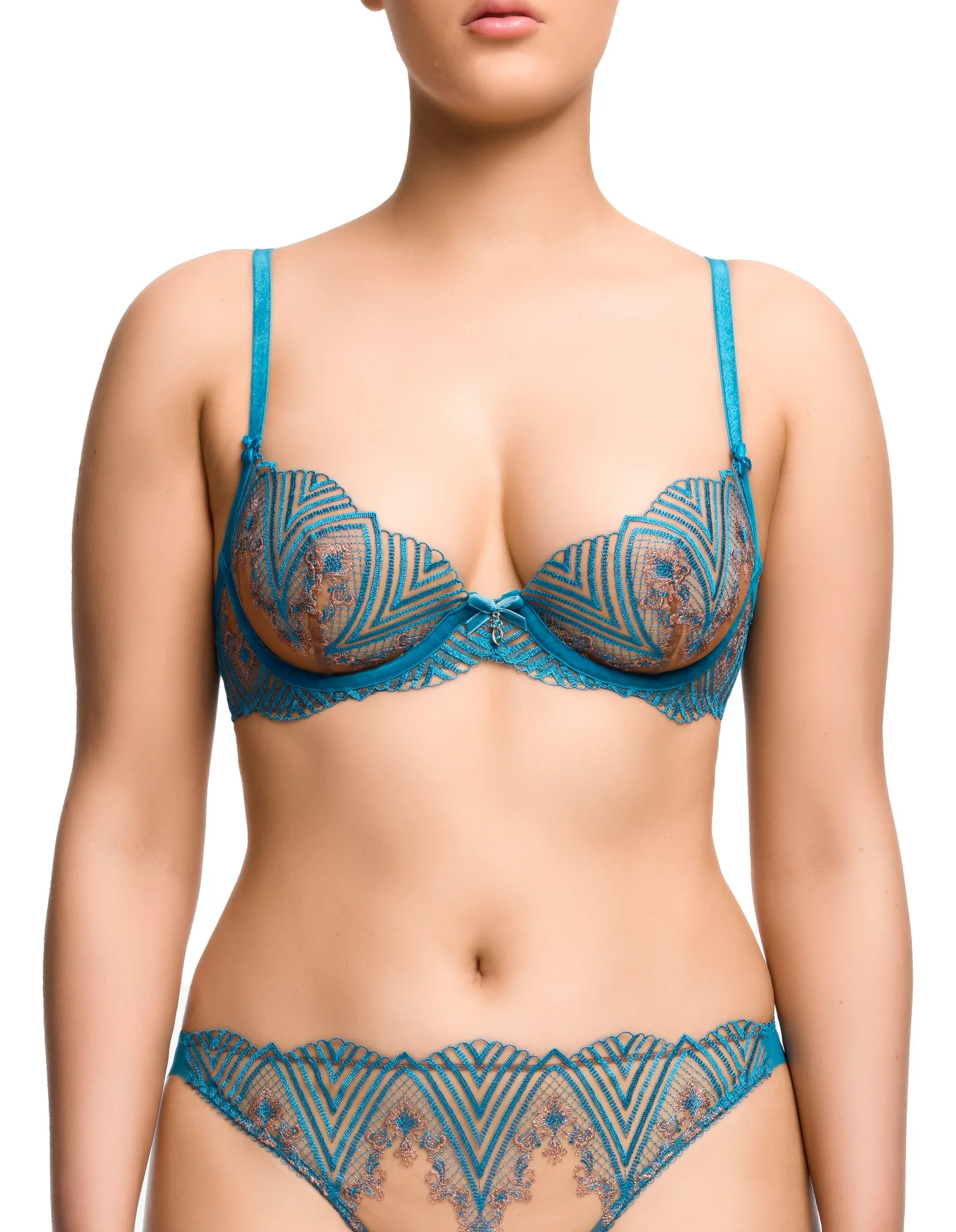
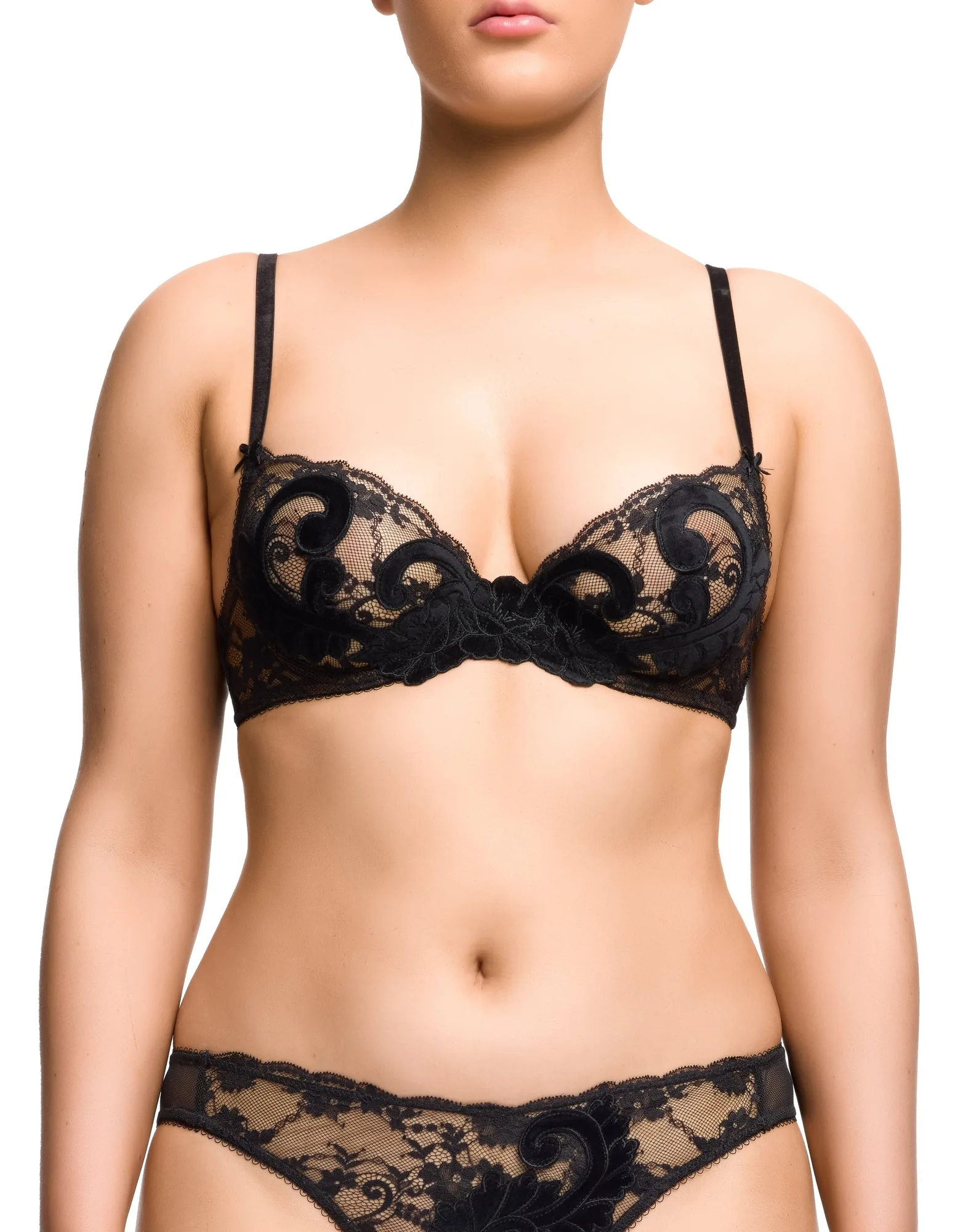
Solution: Check that the gore sits flat. If it doesn't, try a cup size up. If you have close-set breasts, look for plunge or balconette styles with a lower gore. The Fortunia Plunge Bra and Velveteese Plunge Bra are designed with a lower front, which can relieve pressure on the sternum.
Underwire Rubbing Under the Arms
Wires that poke your underarms usually mean the cup is too wide or too tall for your breast root. If the wire extends past your breast tissue into your armpit, it will rub with every movement. This can also happen if the band is too tight, pulling the wires backward.
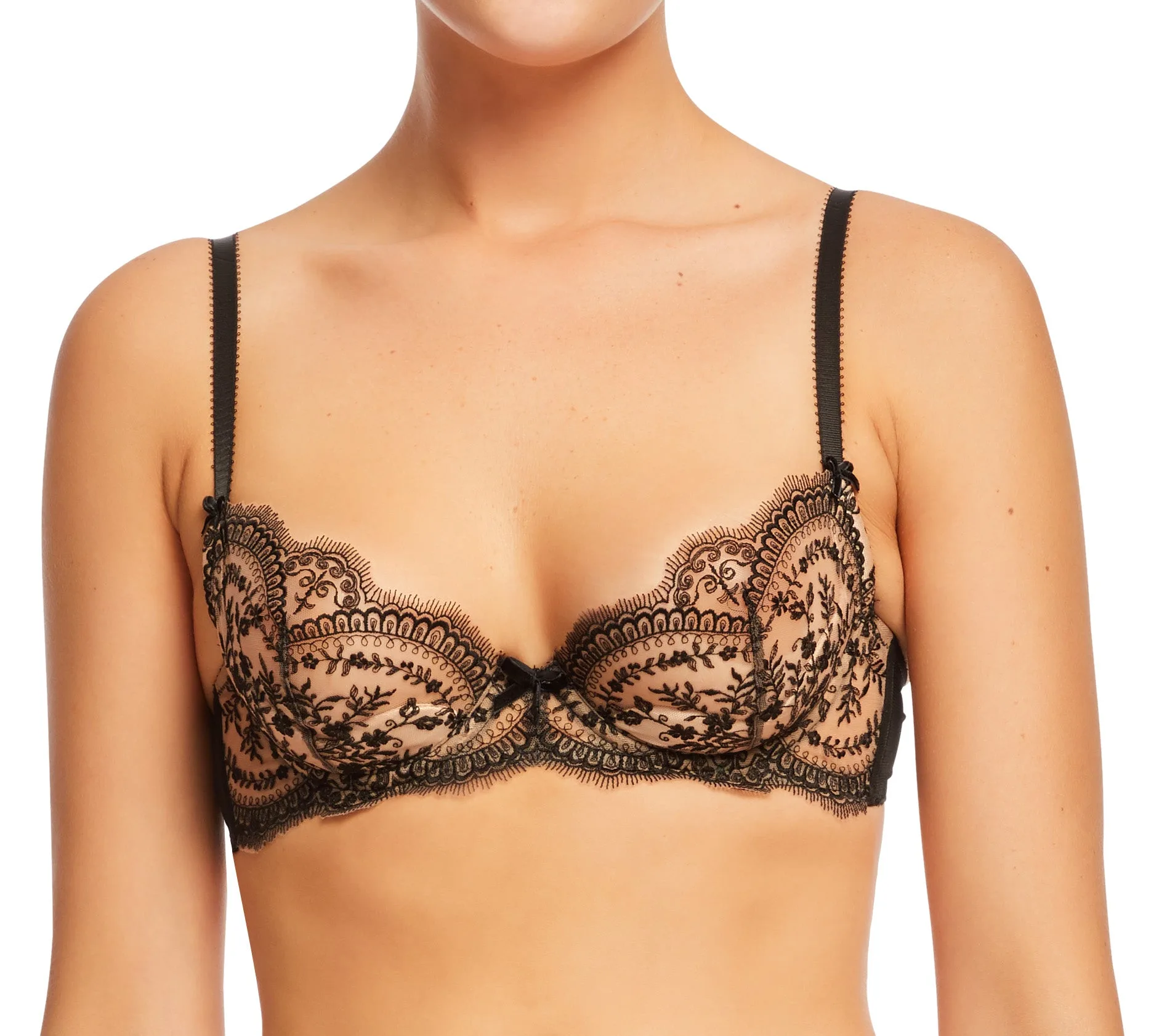
Solution: First, check that the band isn't too tight—you should be able to breathe comfortably. If the band fits, you may need a style with narrower wires or a different cup shape. Balconette bras often have a lower side profile, which can help. The Floradora Balconette Bra is a good option if you prefer a lighter, stretch-lace cup with a lower wing.
Underwire Bra Pain and Red Marks
Some women experience general soreness or red marks even when the bra seems to fit. Red marks are normal if they fade within 30 minutes of removing the bra, but persistent pain is a sign of a problem. Common causes include wearing the bra too long, a band that's too tight, or wires that are too rigid for your activity level.
Solution: Limit underwire wear to 8-10 hours a day. Make sure the band is snug but not restrictive. If you're between sizes, opt for the larger band. Also, consider rotating with non-underwire styles for days when you want more comfort. Remember, underwire should support, not hurt.
Diagnosis: Symptom, Cause, Fix, or Stop
- Symptom: Wire digs into ribs: Check band fit: if the band rides up, it's too loose. Also check if the cup is too small, which tilts the wire. Fix: Tighten the band or go down a band size. If still digging, try a cup size up.
- Symptom: Wire pokes at sternum: The center gore may be too high for your breast shape or the cup too small. Fix: Ensure the gore lies flat. If not, size up or choose a plunge style.
- Symptom: Wire rubs underarms: Cup wires may be too wide or tall for your breast root. Fix: Try a balconette or style with lower side wires. If still rubbing, consider a non-underwire bra.
Underwire Bras That Address Fit Issues
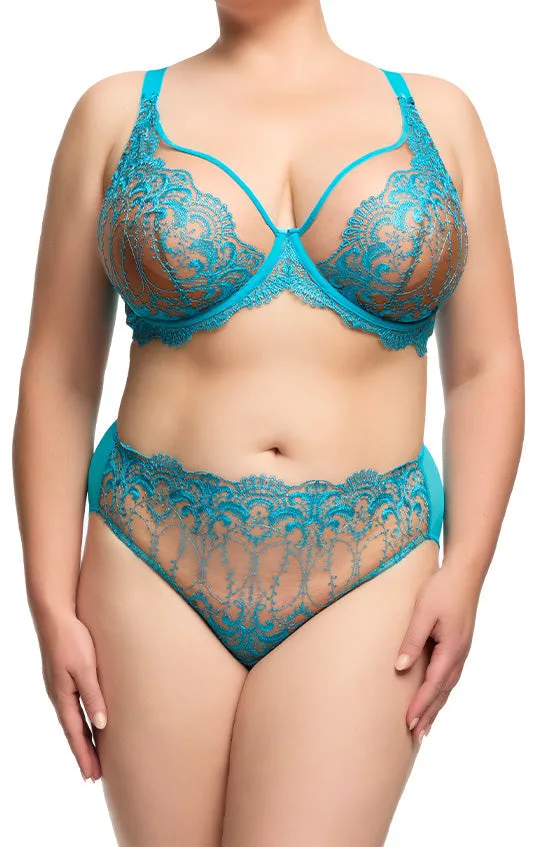
- Fortunia Plunge Bra - Mosaic Blue: The Fortunia Plunge bra is an underwired bra and features the embroidery on "illusion" mesh through the sheer cups. It has velvet shoulder straps and detailing and jewel trinket trim. The plunge design lowers the center gore, making it a smart choice if you experience sternum pressure from a traditional high-gore bra.
- Velveteese Plunge Bra - Black: Velveteese is a sheer underwired bra featuring velvet detailing in the cups and stretch fishnet back. The bra has velvet shoulder straps. The stretch fishnet back adapts to your body, which can help keep the band from riding up—a common cause of underwire digging.
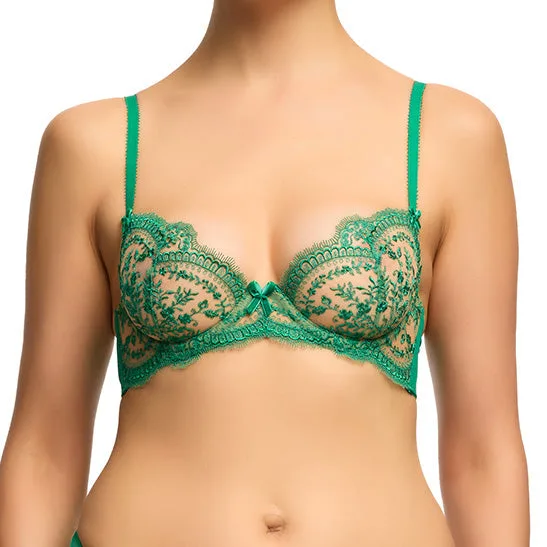
- https://ditavonteeselingeriethz.com/products/severine-underwire-bra-emerald-6fca51febe4b736886f43a6a-988145Severine Underwire Bra - Emerald: The Severine Underwire Bra has delicate sheer embroidered cups and tulle inserts for lift and shape. Floral embroidery on soft nude mesh creates an alluring effect. The tulle inserts provide structure without heavy padding, which can reduce bulk and help the wires sit closer to your ribcage for a smoother fit.
Underwire bras can be your best friend when they fit correctly. Take the time to diagnose the specific symptom, adjust your size, or explore different styles. If you've tried multiple fixes and still experience pain, it's okay to switch to a non-underwire or wireless style. Your comfort is the ultimate priority.