Two Blue Lenses, Two Different Color Stories
Solara Blue and Jupiter Blue are both 1-year lenses from Unibling, and both are priced below their listed comparison price in the ColorEye catalog. The similarity stops at the color family. The catalog copy positions Solara Blue as a high-pigment, maximum-coverage lens with deep, captivating color. Jupiter Blue is framed around range instead: oceanic depth to sky-inspired brilliance, with a note that it matches all eye colors.
That difference is the heart of this comparison. If you want the blue to read as a strong, saturated statement, Solara Blue is the catalog's bolder description. If you want a blue that can feel more adaptable, Jupiter Blue is the one described as flexible across natural eye colors. Neither description is a performance guarantee, but they point to different expectations.
What the Catalog Says About Solara Blue
-
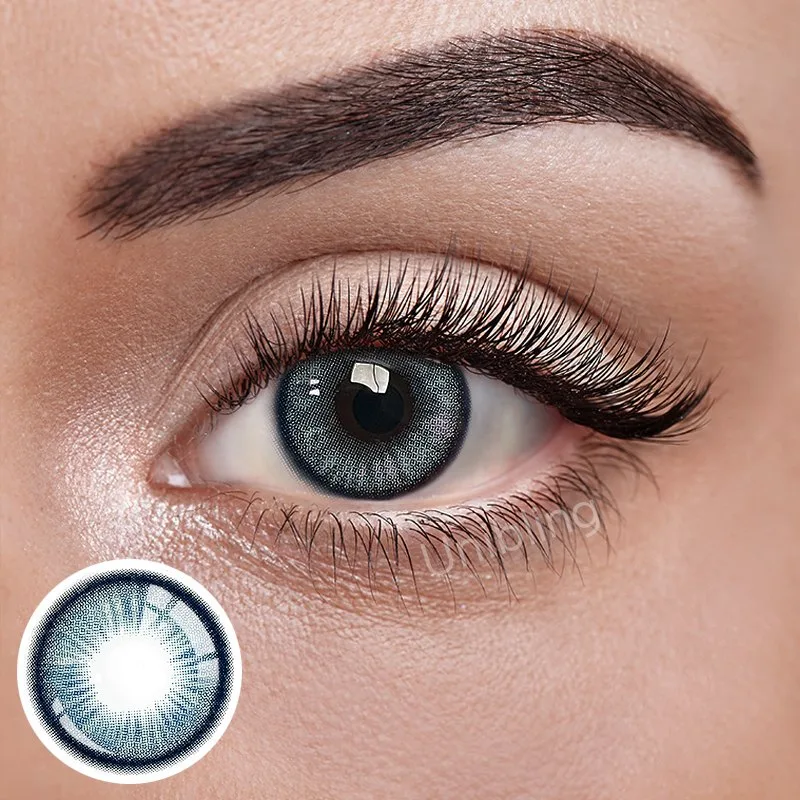
Unibling Solara Blue (1-Year): Designed to deliver high-pigment vibrancy and deep, captivating color. This is the clearest signal that Solara Blue aims for a saturated, deep blue result rather than a subtle tint.
Unibling Solara Blue (1-Year)
-
Unibling Solara Blue (1-Year): Provides maximum coverage for a striking, alluring gaze. Coverage is the key phrase for readers who want the lens color to dominate rather than blend with their natural iris.
-
Unibling Solara Blue (1-Year): The rich color enlarges depth and warmth and keeps eyes feeling fresh and comfortable. The catalog pairs the deep color with a comfort claim, which matters for a lens you plan to wear across a year.
What the Catalog Says About Jupiter Blue
-
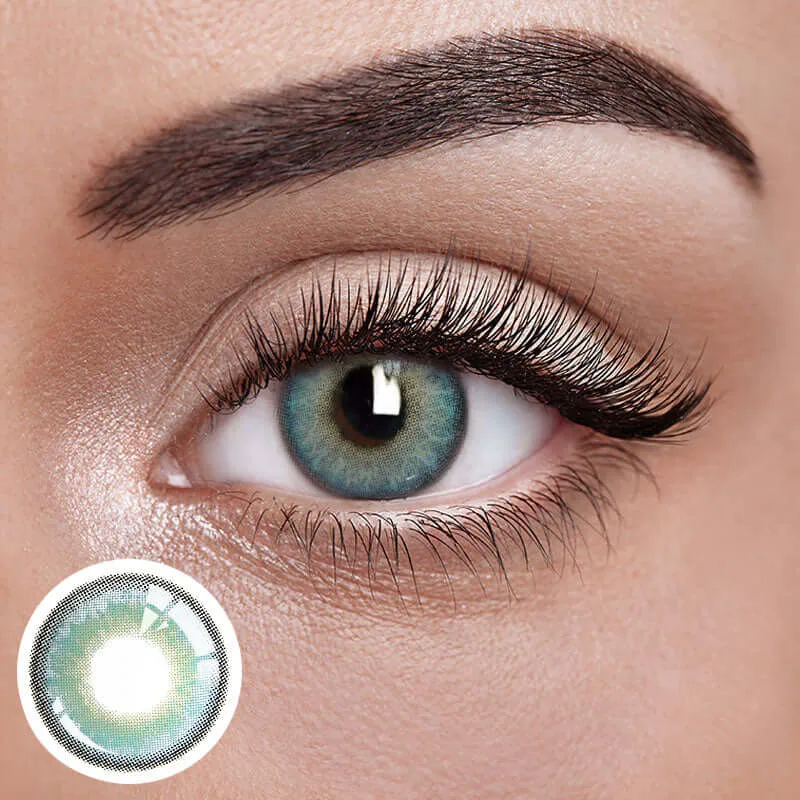
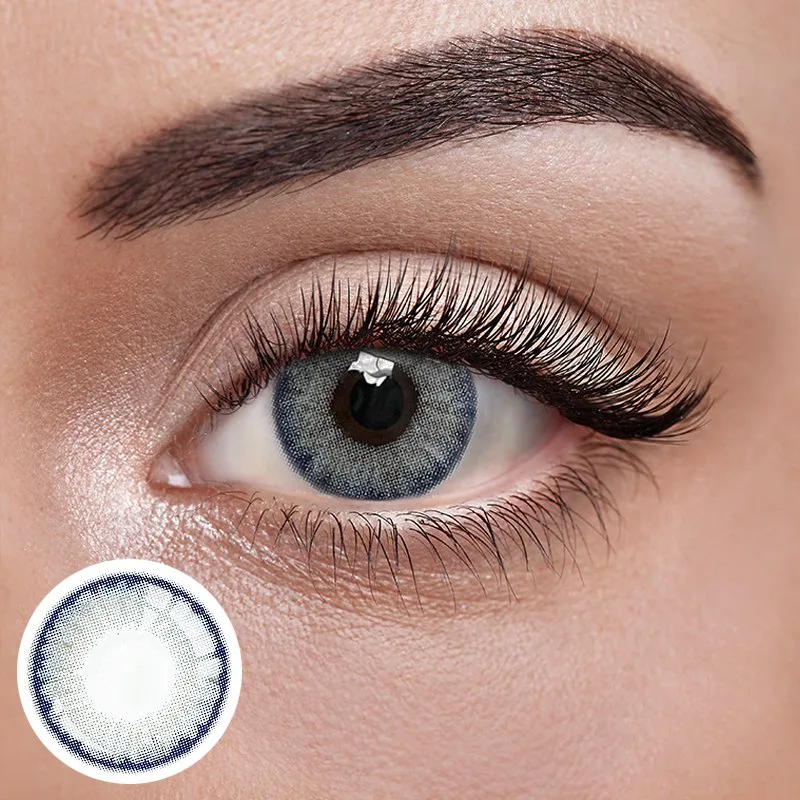
Unibling Jupiter Blue (1-Year): Transforms every gaze, from oceanic depth to sky-inspired brilliance. The range described here suggests Jupiter Blue is positioned as a more variable blue rather than one fixed deep tone.

Unibling Jupiter Blue (1-Year)
-
Unibling Jupiter Blue (1-Year): Described as the perfect match for all eye colors, bringing a captivating aquatic charm. This is the catalog's compatibility claim, and it is the main reason to consider Jupiter Blue if you worry about a blue lens clashing with your natural eye color.
Solara Blue vs Jupiter Blue at a Glance
The table below uses only what the catalog states. It is not a wear test, and it does not predict how either lens will look on your specific eyes.
- Color direction: Solara Blue: deep, high-pigment blue with warmth. Jupiter Blue: a blue range from oceanic depth to sky-inspired brilliance.
- Coverage: Solara Blue: maximum coverage. Jupiter Blue: no coverage level is stated in the supplied catalog copy.
- Eye color fit: Solara Blue: no universal-match claim is supplied. Jupiter Blue: described as a perfect match for all eye colors.
- Catalog price: Solara Blue: USD 20.99, compared with a listed USD 29.99. Jupiter Blue: USD 18.59, compared with a listed USD 29.99.
- Wear period: Both are 1-year lenses.
Bright Blue vs Deep Blue: How to Read the Difference
The phrase bright blue vs deep blue contacts often gets used loosely, but the catalog gives you a practical way to separate these two. Solara Blue is explicitly tied to depth: deep color, rich warmth, maximum coverage. That combination usually means the blue is meant to be the dominant feature of the eye look, not a wash of color over your natural tone.
Jupiter Blue is described with movement, from oceanic depth to sky-inspired brilliance. That language suggests a blue that can shift in impression depending on lighting and your natural eye color, which is why the catalog can call it a match for all eye colors. If you have been hesitant about blue lenses because a flat, heavy blue can look artificial, Jupiter Blue is the more forgiving description. If you have been disappointed by blue lenses that disappear on dark irises, Solara Blue's maximum-coverage claim is the one to note.
Choose Solara Blue If...
- You want the blue to be unmistakable: The high-pigment, maximum-coverage description is the strongest color statement in this pair.
- You prefer a deep, warm blue over a sky blue: The catalog emphasizes depth and warmth, not brightness or lightness.
- You are comfortable paying a little more for the deeper look: At USD 20.99 against USD 18.59 for Jupiter Blue, Solara Blue carries the higher catalog price in this comparison.
Choose Jupiter Blue If...
- You want a blue that adapts to your natural eye color: The catalog describes it as a perfect match for all eye colors, which is the clearest compatibility statement between the two.
- You like the idea of a blue that ranges from deep to sky-like: The oceanic-to-sky description points to a more variable blue than Solara Blue's fixed deep tone.
- You want the lower catalog price of the two: Jupiter Blue is listed at USD 18.59, compared with USD 20.99 for Solara Blue.
What the Catalog Does Not Tell You
Neither product record supplies care instructions, safety guidance, base curve, diameter, water content, or replacement schedule beyond the 1-year label. That means this comparison can help you choose a color direction, but it cannot tell you whether either lens will fit your eyes comfortably or how to care for it. Those details need to come from the packaging or the brand's own instructions, not from this article.
The catalog also does not describe how either lens looks on a specific natural eye color. Jupiter Blue's all-eye-colors claim is a positioning statement, not a verified result for every wearer. Treat both descriptions as a starting point for your own decision, especially if you are new to blue circle lenses.