Quick Answer
Upgraded components can enhance tactile enjoyment and visual clarity, but they rarely change core mechanics. Whether they improve gameplay depends on how much you value production quality versus game design. For most players, a well-designed game with standard components offers the same strategic depth as a deluxe edition.
Board game enthusiasts often debate whether upgraded components—thicker cardboard, wooden tokens, or premium artwork—truly make a game better. Some argue that deluxe components elevate the experience, while others insist that gameplay is king. In this article, we separate fact from fiction using examples from Czech Games Edition, a publisher known for thoughtful production.
We’ll examine specific titles to see how component choices influence play, and offer practical advice for deciding when an upgrade is worth your money.
The Role of Component Quality in Gameplay
Component quality affects how a game feels in your hands, but it doesn’t alter the rules or strategic decisions. For instance, a game like Dungeon Lords relies on resource competition and tactical monster placement—mechanics that remain identical whether you use standard or upgraded pieces. High-quality components can make information easier to read (e.g., clearer icons), but they don’t add new layers of strategy.
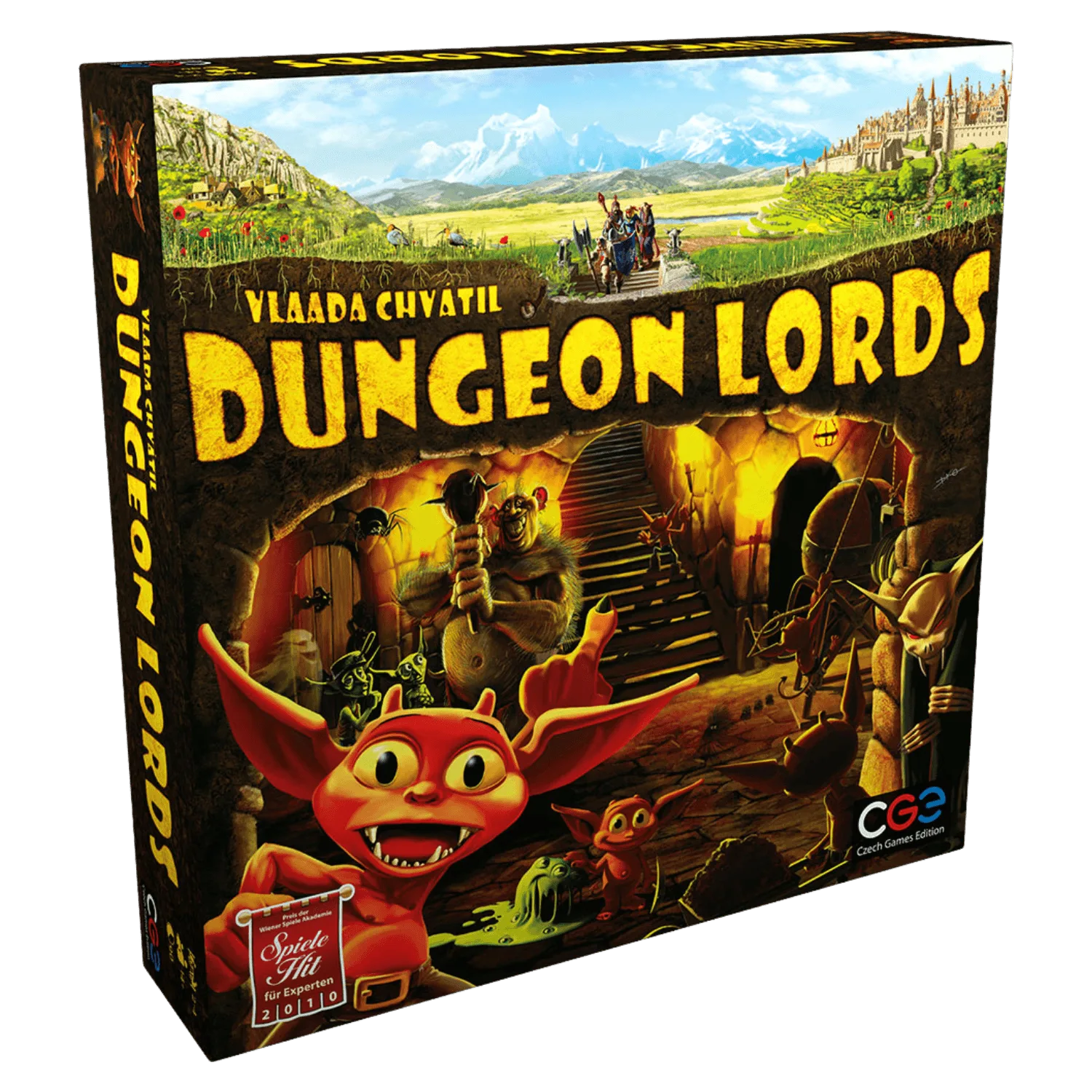
Dungeon Lords
That said, production quality can impact accessibility. Durable cards and tiles withstand frequent shuffling and handling, which matters for games you play often. In cooperative games like Letter Jam, where players hold cards so only others see them, card legibility and finish are crucial—a glossy surface could create glare, hindering play. Thus, component choices can indirectly affect gameplay by influencing usability.
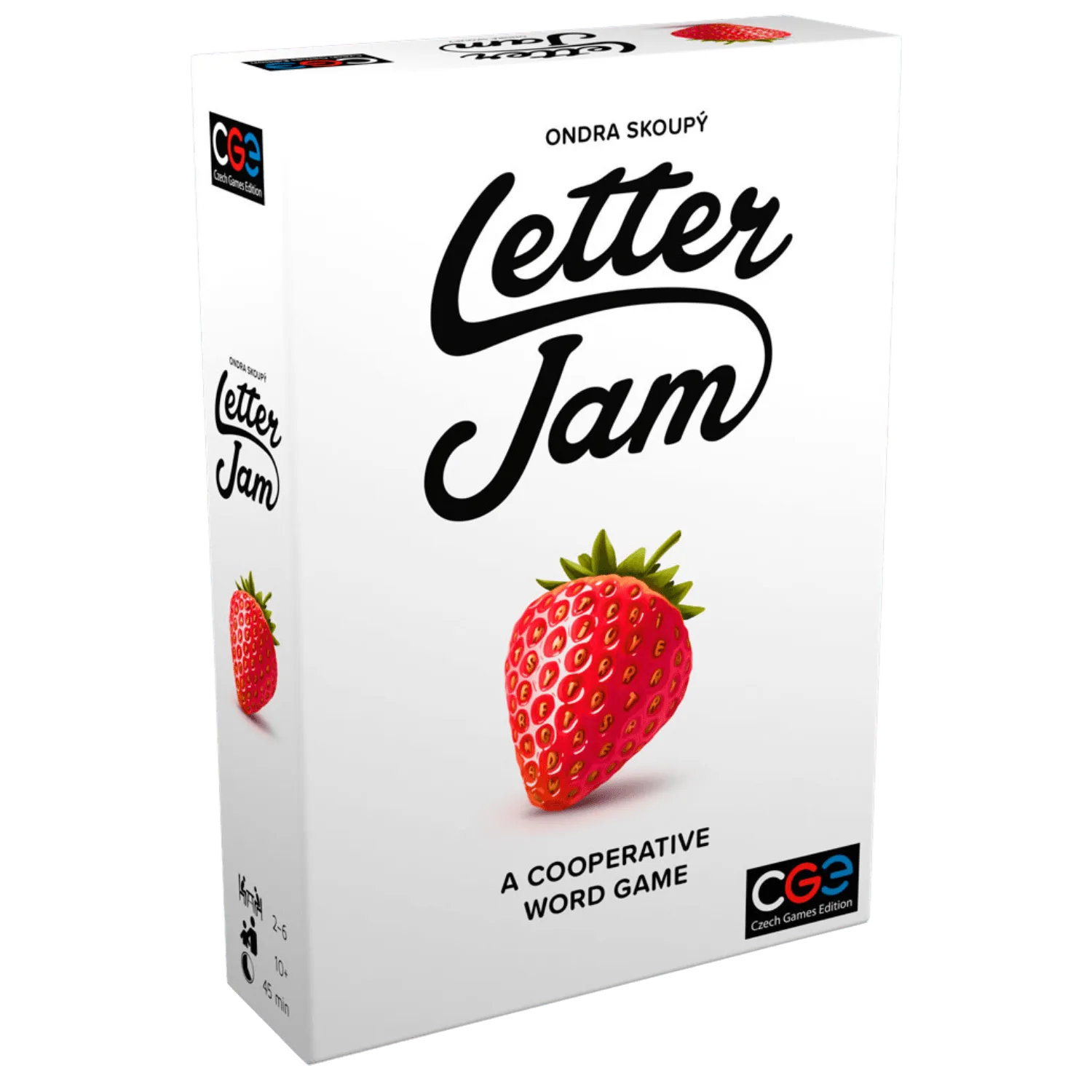
Letter Jam
- Evaluate how often you’ll play a game before investing in deluxe components.
- Check if upgraded components improve readability or durability in your specific play environment.
When Upgrades Matter: Practical Examples
Czech Games Edition offers several titles where component design is thoughtfully integrated. For example, codenames-pictures-new-7c6bffca3d52e0b6fe7a02c9-1019420">CODENAMES: Pictures uses images instead of words, so the quality of the artwork directly affects how players interpret clues. In this case, clear, vibrant pictures enhance the experience because the game’s core is visual association. An upgraded art edition can genuinely improve play by reducing ambiguity.
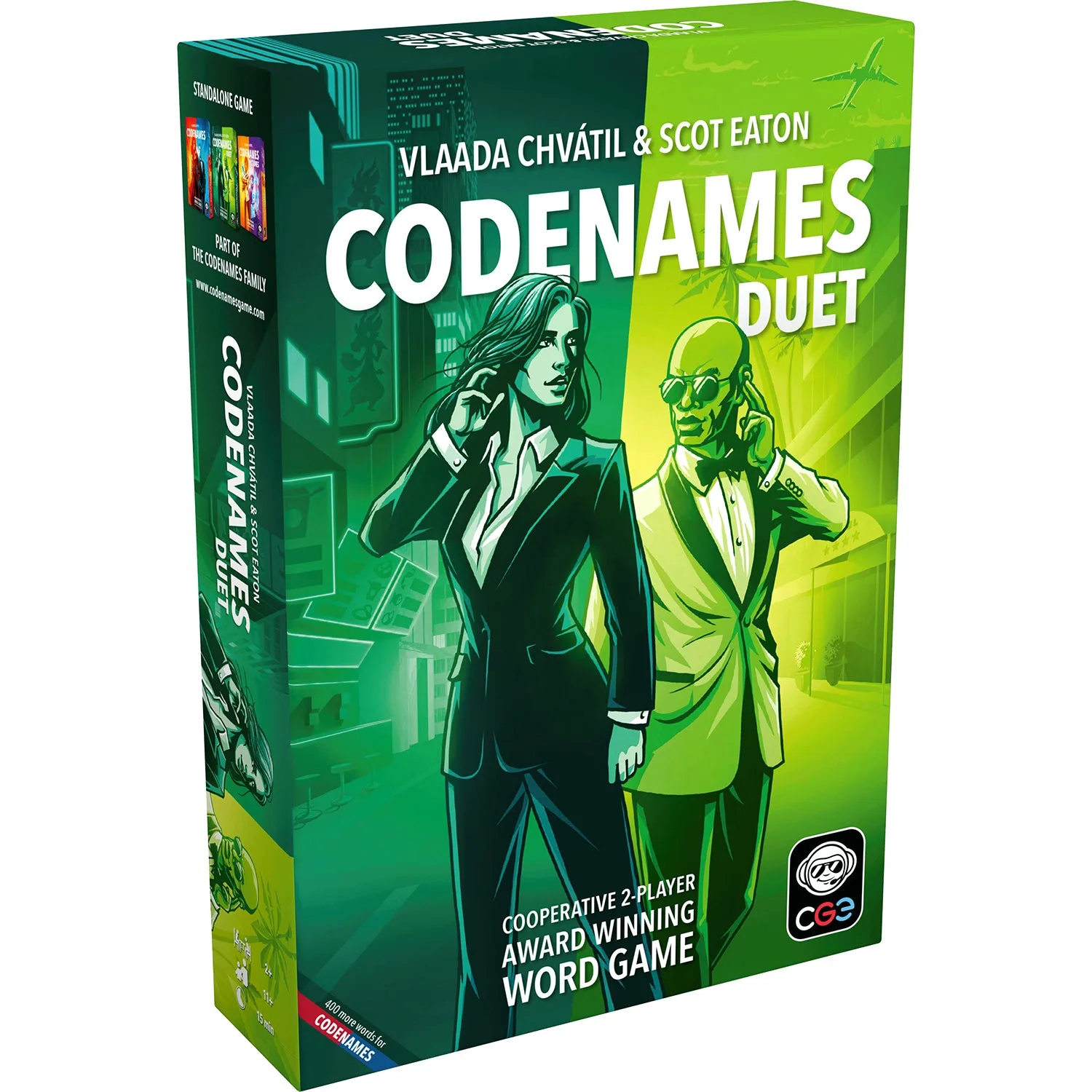
Similarly, CODENAMES: Duet relies on shared deduction and clue-giving. Here, component quality matters less than card readability and the word list. The revised edition includes a new word list, which is a content update rather than a component upgrade—showing that sometimes gameplay improvements come from design changes, not materials.
The Myth of 'Better Components Equal Better Game'
The claim that upgraded components automatically make a game more enjoyable is a myth. A game like Mü & More, a trick-taking classic, succeeds on its clever bidding and trump mechanics. Its simple components—cards and a scorepad—are sufficient. Adding metal coins or neoprene mats wouldn’t deepen the strategy; it would only elevate the price.
In contrast, expansions like Last Will: Getting Sacked introduce new cards and boards that add variety. Here, the value lies in new content, not component quality. The game’s humor and mechanics benefit from additional scenarios, but the physical components remain standard. Thus, when considering an upgrade, focus on whether it adds new gameplay elements or merely replaces existing ones with pricier versions.
- Ask: Does the upgrade add new rules, scenarios, or content? If not, it’s purely cosmetic.
- For trick-taking or card games, standard components usually suffice—invest in expansions instead.
Verdicts on Common Component Claims
- Claim: Upgraded components make games more fun: No evidence from game design suggests that thicker cardboard or wooden tokens increase enjoyment. Fun comes from mechanics and social interaction. Verdict: Myth
- Claim: Deluxe components improve readability: Sometimes true. In visual games like Codenames: Pictures, clear artwork reduces ambiguity. But for text-based games, standard cards are fine. Verdict: Depends on the game
- Claim: You need deluxe editions to play optimally: False. All supplied Czech Games Edition titles are fully playable with standard components. Upgrades are optional enhancements, not requirements. Verdict: Myth
How Czech Games Edition Titles Handle Components
- Dungeon Lords: It is not easy, as the competition for resources is stiff and sometimes you have to get a bit evil to get what you want - and the more evil you get, the stronger the adventurers your dungeon attracts. Twice a game, these adventurers set off to conquer your dungeon. Command your monsters and use your traps to stop them, before they do too much damage. The game’s depth comes from resource management and tactical choices, not component heft. Upgraded pieces might look nicer but won’t change the strategic puzzle.
- CODENAMES: Pictures: Spymasters give one-word clues to help their teammates identify secret agents hidden among mysterious images. Players interpret layered, imaginative pictures instead of words—each one packed with quirky visual elements and multiple meanings. Here, visual clarity is paramount. A high-quality print with distinct, evocative images can reduce misinterpretation, making component quality directly impact gameplay.
- Letter Jam: Letter Jam is a 2-6 player cooperative word game where players assist each other in composing meaningful words from letters around the table. The trick is holding the letter card so that it’s only visible to other players and not to you. Card legibility and finish are critical because players must read others’ cards from across the table. Upgraded cards with a matte finish can prevent glare, improving the experience.
Investing in upgraded components is a personal choice. If you value tactile pleasure and play a game often, a deluxe edition might be worth it. But remember that great gameplay comes from design, not materials. Evaluate each purchase based on how it enhances your specific play experience, and you’ll make the right call.