Quick answer
For urban astronomy, a light pollution filter or narrowband filter can dramatically improve contrast on nebulae and galaxies. A compact, high-quality refractor like the Altair EDT-X 80 gives you sharp views without the bulk, while a used Schmidt-Cassegrain like the Celestron C6 XLT offers more aperture for the money—ideal for bright city targets like the Moon and planets.
Why light pollution matters for city stargazing
City lights scatter in the atmosphere, washing out faint deep-sky objects. Even suburban skies suffer from sky glow that reduces contrast. The key is to choose gear that either blocks or bypasses artificial light wavelengths.
Filters: your first line of defense
A broadband light pollution filter cuts common sodium and mercury vapor streetlight emissions, improving contrast on galaxies and reflection nebulae. For emission nebulae, a narrowband filter (like an O-III or UHC) is even more selective, passing only the wavelengths emitted by ionized gas. Both work best with moderate to large aperture scopes that gather enough light.
Choosing a telescope for urban skies
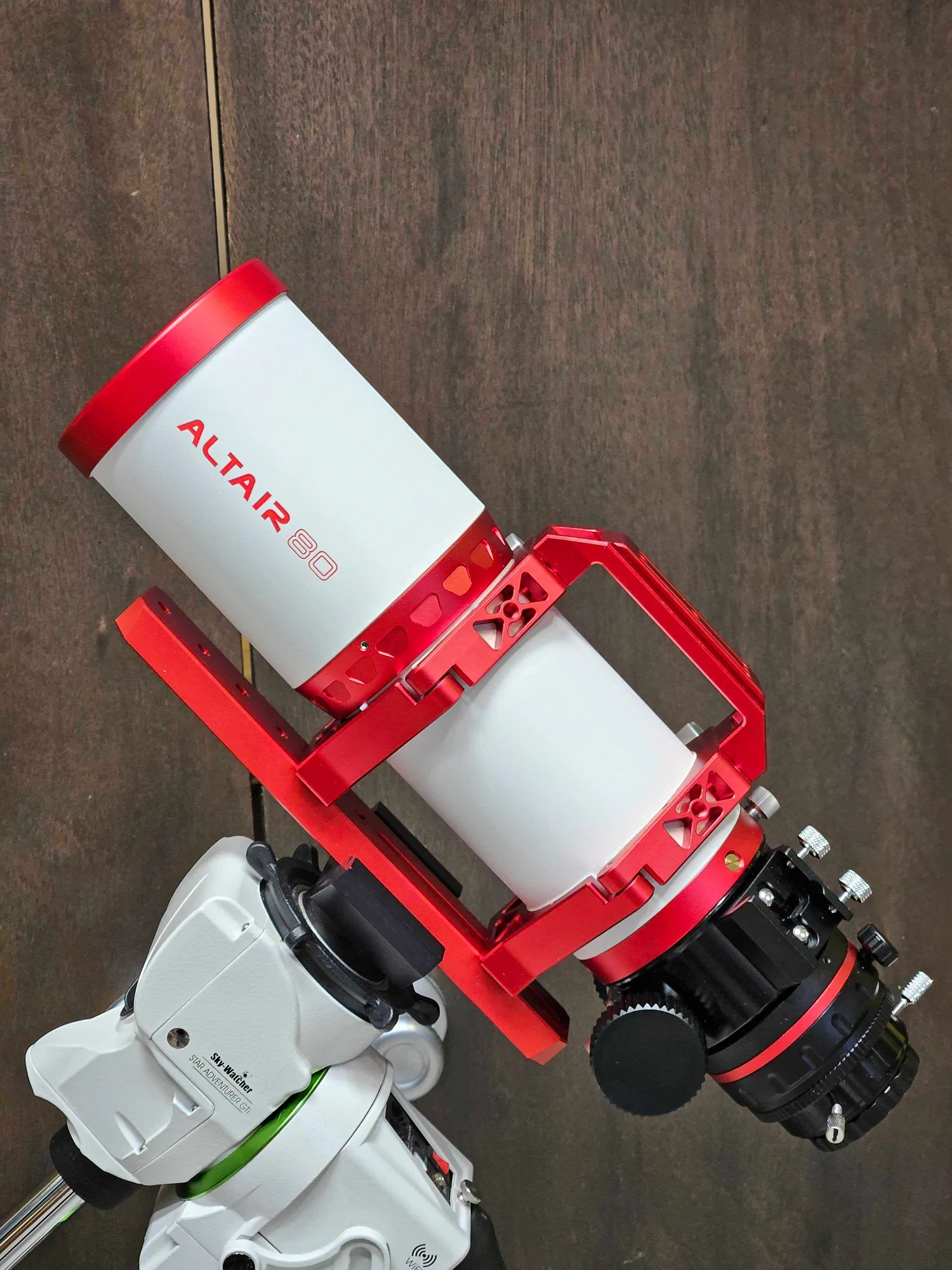
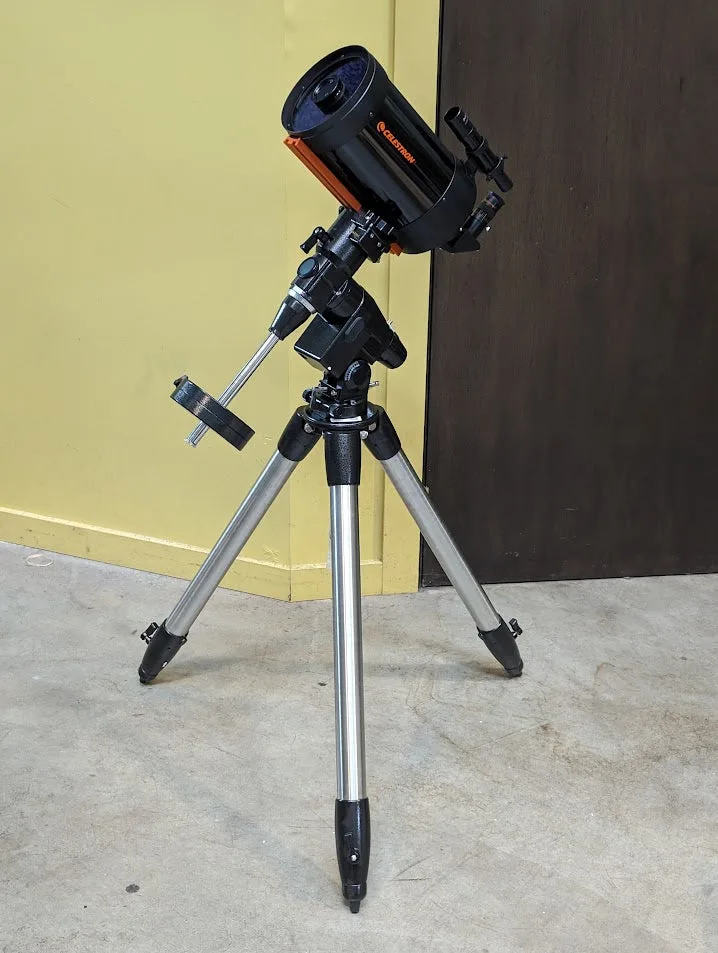
Aperture helps, but in the city you also want portability and quick setup. A 3-inch to 4-inch ED refractor (like the Altair EDT-X 80) offers excellent contrast and sharpness with minimal cool-down time. A 6-inch Schmidt-Cassegrain (like the Celestron C6 XLT) gives you more light grasp for faint objects, though it may need a bit more time to acclimate. Both are compact enough for a balcony or quick trip to a darker patch.
Practical observing tips for urban astronomers
Start with the Moon, planets, and double stars—they tolerate light pollution best. Use a star chart or app to find brighter deep-sky objects like the Orion Nebula or the Andromeda Galaxy. Shield your eyes from direct streetlights with a hood or towel. And if you can, drive 20–30 minutes to a darker site once a month; even a small reduction in sky glow transforms what you can see.
Diagnosis: Is your gear ready for urban skies?
- Symptom: Faint deep-sky objects are invisible or washed out from your backyard. You're fighting sky glow, not a gear defect.
- Likely cause: Light pollution from streetlights and buildings overwhelms the contrast your telescope can deliver. A filter or a change in target selection is often the simplest fix.
- Corrective action: Add a light pollution filter or narrowband filter to your eyepiece or diagonal. If you already use one, consider upgrading to a telescope with better contrast (like an ED refractor) or more aperture (like a 6-inch SCT). Test with the filter first—it's the cheapest improvement.
- When to stop or choose another option: If you've tried filters and still can't see the objects you want, your sky may be too bright for those targets. Consider a used telescope like the Celestron C6 XLT for brighter planets and the Moon, or plan monthly trips to a darker site. No gear can fix extreme light pollution—sometimes relocation is the real solution.
Gear that helps with light pollution
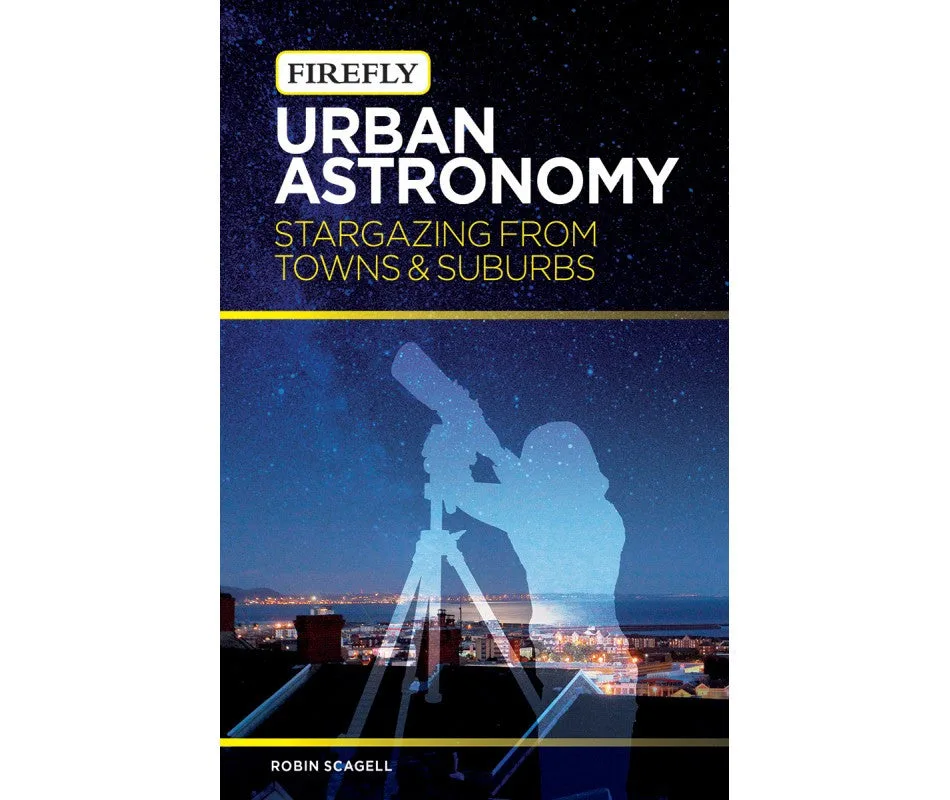
- Urban Astronomy: Stargazing from Towns & Suburbs: The book 'Urban Astronomy: Stargazing from Towns & Suburbs' by Robin Scagell is an ideal introduction to astronomy in the city, covering how to observe despite sky glow from lights up to 200 miles away. It gives you practical strategies and target lists tailored to light-polluted skies, so you can make the most of your gear.
- USED - Altair EDT-X 80: The Altair Astro 80mm ED Triplet APO refractor uses FPL53 ED glass and has a 480mm focal length, with a Zygo interferometer report included. This used unit is in great condition with clear optics. Its triplet design and ED glass deliver high contrast and minimal chromatic aberration—critical for separating faint details from city sky glow.
- USED - Celestron C6 XLT kit: The Celestron C6 XLT kit includes a 6-inch Schmidt-Cassegrain OTA, a 25mm Plössl eyepiece, and a finder scope. This used kit is in good condition; the corrector plate has some internal haze that may slightly affect contrast. The 6-inch aperture gathers enough light for brighter deep-sky objects from the city, and the compact tube is easy to transport to darker sites. The slight haze is a trade-off for the lower price.