If you struggle with dry, rough, or flaky skin, you have likely encountered two powerhouse ingredients: urea and salicylic acid. Both are widely used in skincare for exfoliation and hydration, but they work in very different ways. Understanding the differences between urea cream vs salicylic acid can help you choose the right treatment for your skin type and concerns.
In this article, we will break down how each ingredient functions, their unique benefits, and when to use one over the other. Whether you are dealing with cracked heels, keratosis pilaris, or general dryness, this comparison will guide you toward the most effective solution.
What Is Urea Cream and How Does It Work?
Urea is a natural humectant found in the skin that helps retain moisture. In skincare, urea cream is used to hydrate and gently exfoliate the outermost layer of the skin. It works by breaking down the protein bonds that hold dead skin cells together, allowing them to slough off more easily while simultaneously drawing water into the skin.
Higher concentrations of urea (20% to 40%) are often used for intensive exfoliation and softening of thick, rough skin on the feet, elbows, and knees. Lower concentrations (5% to 10%) are better for facial hydration and mild exfoliation. Urea is especially beneficial for conditions like eczema, psoriasis, and severely dry skin because it both moisturizes and exfoliates without stripping the skin barrier.
- Urea is a humectant that attracts and holds water in the skin.
- It gently dissolves dead skin cells for smoother texture.
- Ideal for very dry, cracked, or calloused skin.
What Is Salicylic Acid and How Does It Work?
Salicylic acid is a beta hydroxy acid (BHA) that is oil-soluble, meaning it can penetrate deep into the pores to dissolve excess sebum and dead skin cells. It is best known for treating acne, but it is also highly effective for rough, bumpy skin conditions like keratosis pilaris and calluses.
Salicylic acid works by softening keratin, the protein that makes up the outer layer of skin. This makes it excellent for smoothing rough patches, reducing the appearance of clogged pores, and improving overall skin texture. It is often found in concentrations of 0.5% to 2% in over-the-counter products and can be used on both the face and body.
- Salicylic acid is oil-soluble and penetrates pores deeply.
- It softens keratin and smooths rough, bumpy skin.
- Great for acne-prone skin and keratosis pilaris.
Urea Cream vs Salicylic Acid: Key Differences
When comparing urea cream vs salicylic acid, the main difference lies in their mechanism and best-use scenarios. Urea is primarily a moisturizer with mild exfoliating properties, making it ideal for dry, dehydrated skin that also needs smoothing. Salicylic acid, on the other hand, is an exfoliant that targets oil and buildup, making it better for oily, acne-prone, or bumpy skin.
For example, if you have cracked heels or extremely dry hands, a high-concentration urea product like the 40% Urea Cream + 2% Salicylic Acid can provide deep hydration and powerful exfoliation in one step. This combination leverages the strengths of both ingredients, making it a versatile option for rough, stubborn areas.
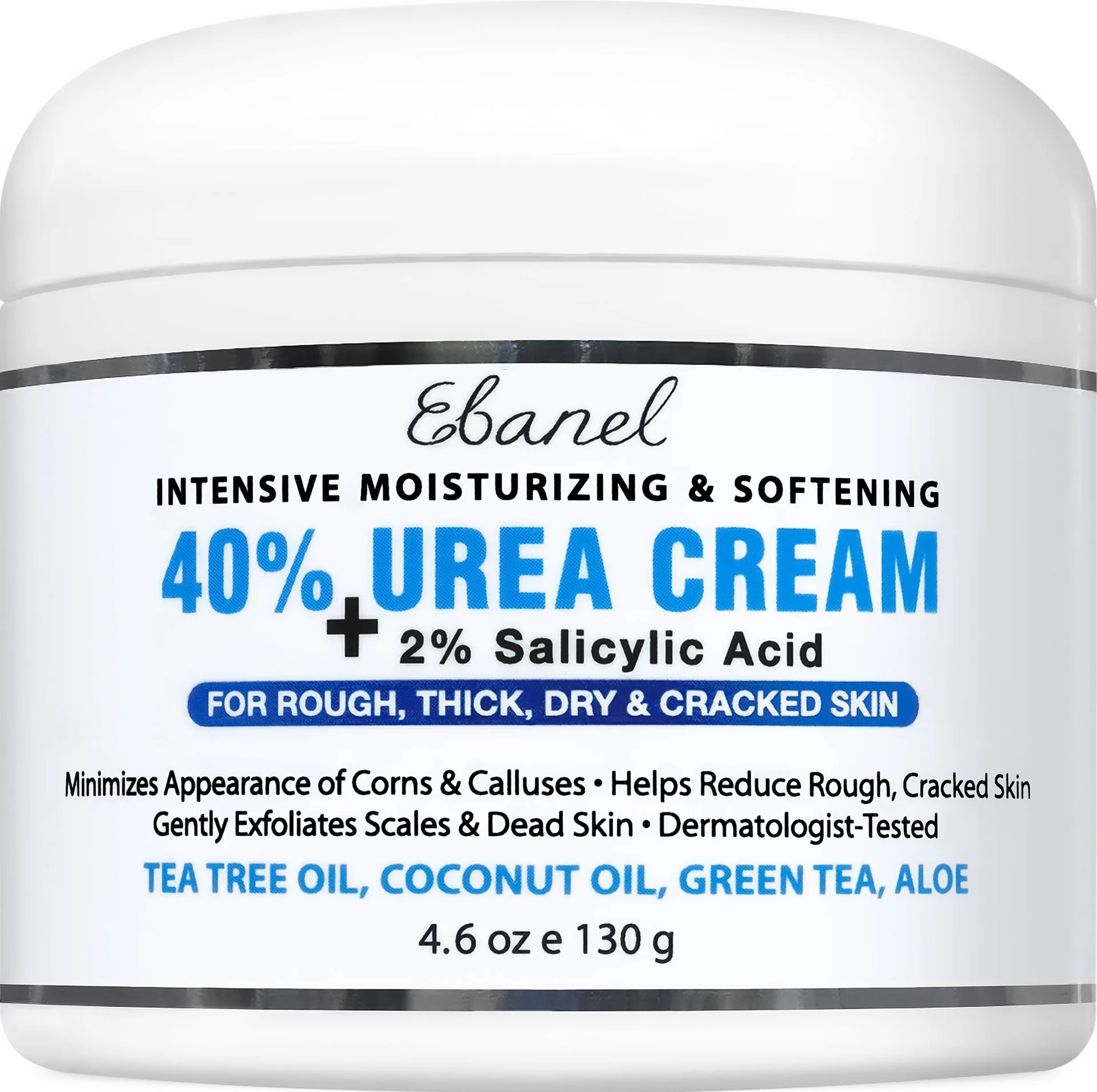
40% Urea Cream + 2% Salicylic Acid
If your primary concern is clogged pores or small bumps on the arms or thighs, a pure salicylic acid product may be more effective. However, for overall dry skin relief, urea is often the gentler and more moisturizing choice.
- Urea: hydrates + gently exfoliates; best for dry, cracked skin.
- Salicylic acid: deep pore exfoliation; best for oily, bumpy skin.
- Combination products offer the benefits of both ingredients.
When to Choose Urea Cream
Urea cream is the go-to choice for anyone dealing with chronic dryness, flaking, or thick calluses. It is especially effective for foot care, as it softens hard skin and helps prevent cracking. People with eczema or psoriasis often find urea soothing because it hydrates without irritation.
For best results, apply urea cream to damp skin after bathing to lock in moisture. Products with 40% urea are potent enough to tackle even the toughest rough patches, while lower percentages are safe for daily facial use. If you have sensitive skin, urea is generally well-tolerated and less likely to cause stinging compared to acids.
- Perfect for dry, cracked heels and elbows.
- Safe for sensitive skin when used in appropriate concentrations.
- Apply to damp skin for maximum hydration.
When to Choose Salicylic Acid
Salicylic acid is ideal for those with oily or combination skin who experience clogged pores, blackheads, or bumpy texture. It is also a top treatment for keratosis pilaris, the small red or white bumps often found on the back of the arms and thighs.
Because salicylic acid can be drying, it is important to follow up with a moisturizer, especially if you have dry skin. Start with a lower concentration (0.5% to 1%) to see how your skin reacts, then gradually increase if needed. For spot treatments on rough patches, a product like the Bio Drying Lotion can help dry out blemishes while exfoliating the area.
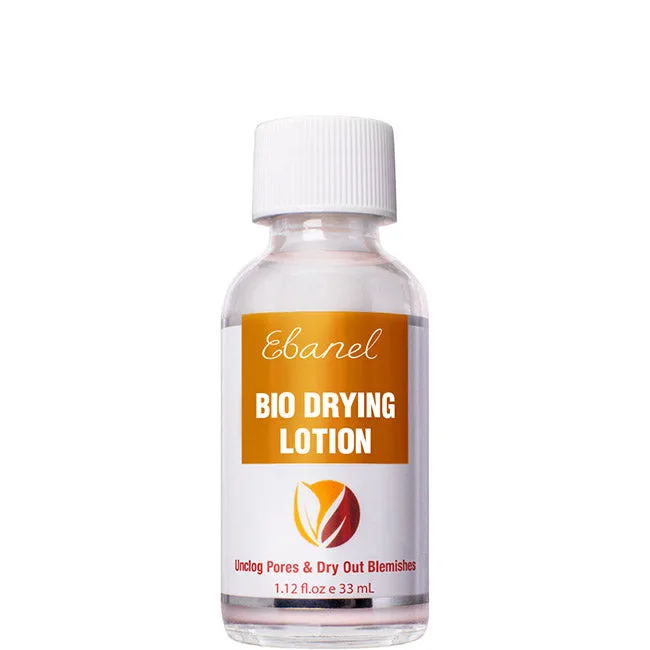
Bio Drying Lotion
- Best for acne-prone and oily skin types.
- Effective for keratosis pilaris and rough bumps.
- Always use sunscreen when using acids, as they increase sun sensitivity.
Can You Use Urea and Salicylic Acid Together?
Yes, you can use urea and salicylic acid together, but it requires some care. Because both ingredients exfoliate, using them simultaneously may over-exfoliate sensitive skin. However, many products combine them in balanced formulations for enhanced results.
For example, a product containing both 40% urea and 2% salicylic acid offers the deep hydration of urea with the pore-clearing power of salicylic acid. This combination is excellent for treating rough, calloused skin that also has clogged pores or bumps. Start by using the combination product a few times per week and adjust based on your skin's tolerance.
- Combination products can save time and simplify your routine.
- Monitor your skin for signs of irritation like redness or peeling.
- Always moisturize after using exfoliating treatments.
Choosing between urea cream and salicylic acid ultimately depends on your skin's specific needs. For dry, rough skin that needs hydration and gentle exfoliation, urea is your best bet. For oily, bumpy, or acne-prone skin, salicylic acid shines. If you want the best of both worlds, consider a product that combines both ingredients, like the 40% Urea Cream + 2% Salicylic Acid, to effectively soften and smooth even the most stubborn rough patches.