Quick Answer
When buying a used rangefinder, prioritize shutter accuracy, rangefinder alignment, and lens condition. For medium format models like the Fujica GW690 III or Fujifilm GS645S, also check film advance and pressure plate integrity.
Why Shutter Accuracy Matters Most
A rangefinder's leaf shutter is its mechanical heart. Inaccurate speeds can lead to overexposed or underexposed frames, especially at slower speeds. Testing all speeds, from 1 second to 1/500, is essential. Listen for consistent timing and a crisp click. If a speed sounds sluggish or erratic, budget for a CLA (clean, lubricate, adjust) service.
For medium format rangefinders, the leaf shutter is often in the lens, so a sticky or inaccurate shutter affects every shot. A simple test is to fire at each speed and compare the sound and feel. If possible, use a phone app to measure shutter speed.
Rangefinder Alignment: Don't Trust Your Eyes
The rangefinder patch must align perfectly at infinity and at close distances. Misalignment means out-of-focus photos even when the patch appears correct. Test by focusing on a distant object and checking if the patch aligns when the lens is set to infinity. Then test at a close distance (e.g., 1 meter) to ensure the patch remains accurate.
Adjusting rangefinder alignment is possible but requires precision tools and patience. Unless you're skilled at DIY repairs, factor in the cost of professional calibration.
Lens Condition: Look Beyond Scratches
Check the lens for scratches, fungus, and haze. Scratches on the front element may have minimal impact on image quality, but fungus or haze can cause contrast loss and flare. Shine a flashlight through the lens to inspect for internal issues. Also check the aperture blades for oil or sticking.
For fixed-lens rangefinders, a damaged lens is a deal-breaker because you can't swap it. For interchangeable models, you can replace the lens, but that adds cost. Always test the aperture ring to ensure it clicks smoothly at each stop.
Film Advance and Pressure Plate: The Overlooked Essentials
A smooth film advance is crucial. Test the advance lever or knob for consistent tension and no skipping. A sticky advance can indicate a broken gear or dried lubricant. Also inspect the pressure plate for scratches or dents—these can scratch film and cause uneven flatness, leading to soft focus.
Open the back and check the film rails and pressure plate. They should be clean and smooth. If the camera has a film counter, ensure it resets properly when the back is opened.
Decision Rules for Used Rangefinder Inspection
- Shutter test: Fire at every speed and listen for consistent timing. If any speed sounds off, assume a CLA is needed and negotiate the price accordingly. If you can't test all speeds, at least test 1s, 1/60, and 1/500 to catch common issues.
- Rangefinder alignment: Focus on a distant object and verify the patch aligns at infinity. Then test at close range. If misaligned, decide if you can fix it or if the price reflects the repair cost. A misaligned rangefinder is a common issue; factor in $50–$100 for calibration.
- Lens inspection: Shine a light through the lens to check for fungus, haze, or scratches. Test the aperture ring for smooth clicks. If the lens is damaged, consider whether replacement is possible and affordable. For fixed-lens rangefinders, a bad lens is a deal-breaker unless the price is very low.
- Film advance and pressure plate: Advance the film with the back open (if possible) to feel for smoothness. Inspect the pressure plate for scratches or dents. A rough advance or damaged plate can ruin film. If the pressure plate is damaged, ask for a discount—it's a critical part.
- Light seals: Check the foam seals around the back and film door. Deteriorated seals cause light leaks. Replacement is cheap and easy, but if they're missing, assume you'll need to replace them. Bring a bright light to inspect seals; dark spots indicate wear.
- Battery and meter (if applicable): If the camera has a light meter, test it with a known battery. If the meter is inaccurate or dead, decide if you'll use an external meter or rely on sunny-16. Many rangefinders work fine without a meter; don't overpay for a broken one.
Medium Format Rangefinders to Consider
-
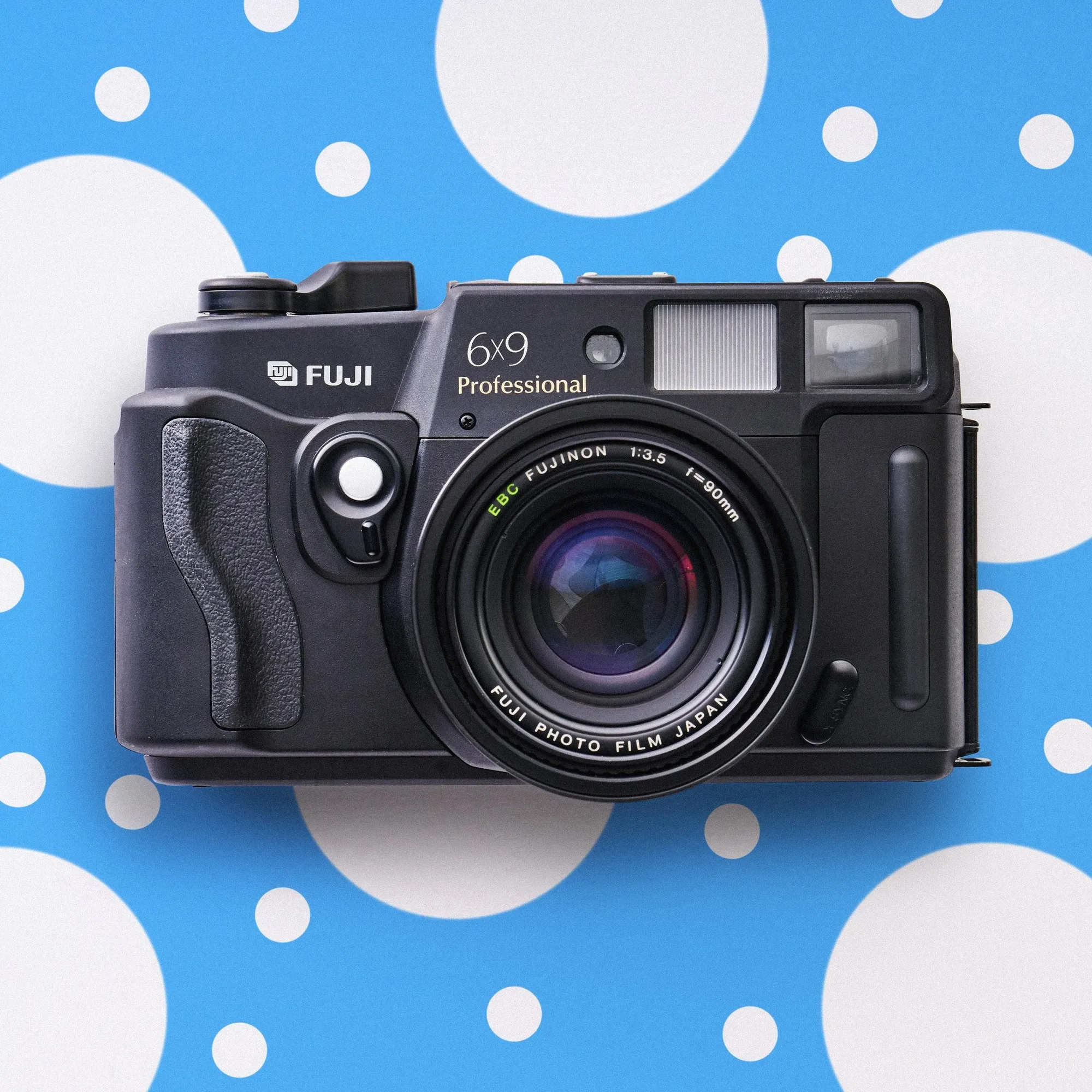
Fujica GW690 III | Medium Format Film Camera: The Fujica GW690 III earns its 'Texas Leica' nickname with enormous 6×9 negatives and direct, mechanical shooting. The large negative size means incredible detail, but the camera is bulky—make sure you're comfortable carrying it before buying.
Fujica GW690 III | Medium Format Film Camera
-
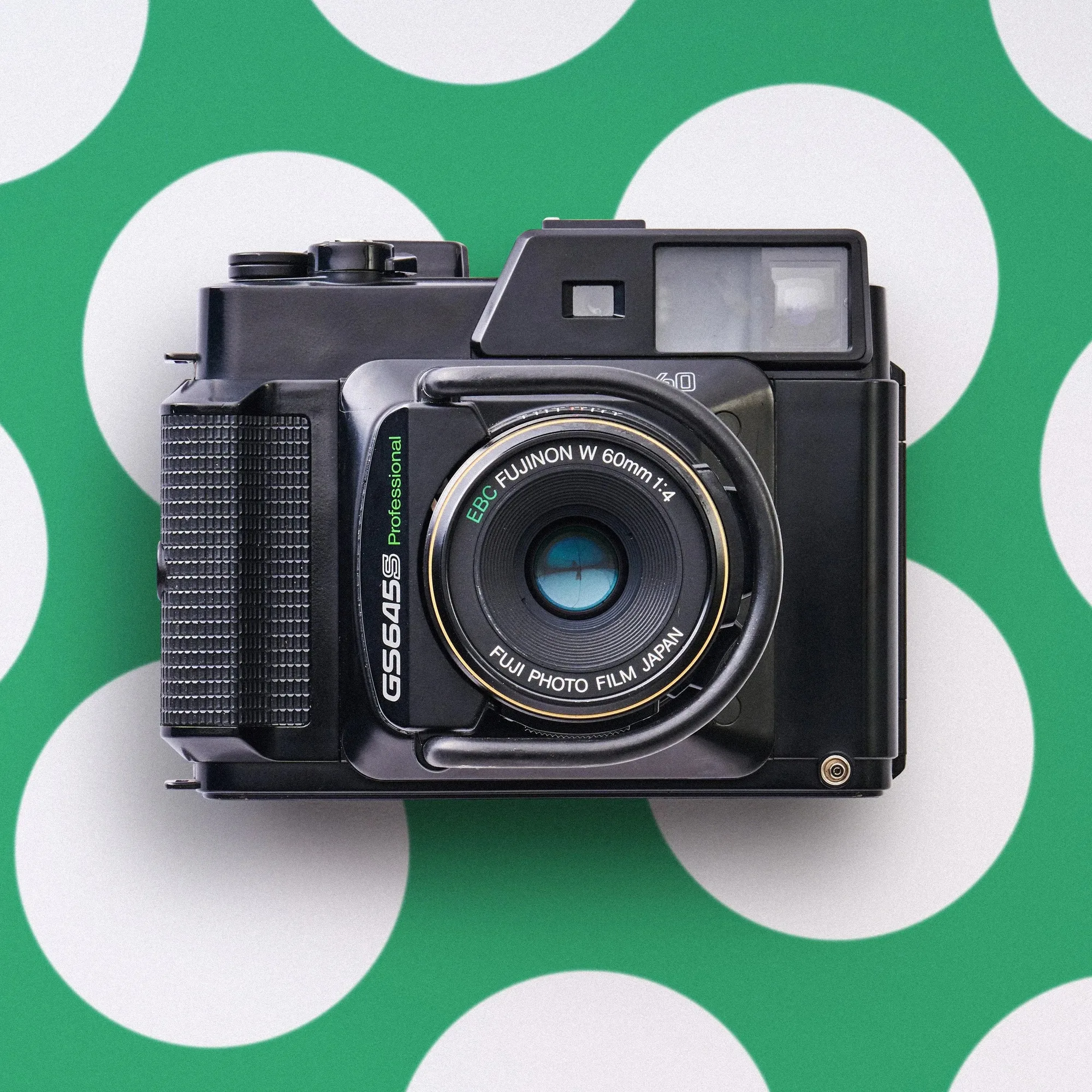
Fujifilm GS645S | Medium Format Film Camera: The Fujifilm GS645S made medium-format detail portable enough for real adventures. Its compact size makes it a great travel companion, but the smaller 6×4.5 negative format offers less resolution than 6×9—weigh portability against image size.
Fujifilm GS645S | Medium Format Film Camera
Which Rangefinder Is Right for You?
Best for
- Photographers who prioritize maximum image detail and don't mind a heavier, bulkier camera—the Fujica GW690 III with its 6×9 negatives is ideal.
- Travelers and street shooters who want medium format quality in a compact, portable body—the Fujifilm GS645S is a great match.
Not for
- Buyers who need a lightweight everyday carry—the Fujica GW690 III is large and heavy.
- Those who want autofocus or built-in metering—these are fully manual, mechanical cameras.