Quick answer
Use the PlanToys Musical Bird Walker to support first steps by adjusting the wheel speed with the tension key, encouraging upright posture, and letting your child push at their own pace while the music and moving birds motivate movement.
Why a push walker helps first steps
Unlike stationary activity centers, a push walker lets your child practice weight shifting and balance while moving forward. The Musical Bird Walker provides auditory and visual feedback that encourages repeated attempts, building confidence and coordination.
Adjusting the walker for your child's skill level
The walker includes a tension key to control wheel rolling speed. For a beginner, tighten the wheels so they roll slowly, reducing the chance of the walker getting ahead of your child. As they gain stability, loosen the tension gradually to allow a more natural walking pace.
Step-by-step guide to using the Musical Bird Walker
- Set up the walker on a flat, non-slip surface: Place the walker on a carpet or rug to prevent it from sliding out from under your child. Avoid hard floors until your child has good control. Check that the surface is even and free of obstacles.
- Adjust wheel speed using the tension key: Turn the tension key clockwise to tighten the wheels for slower movement. For a first-time user, start with the tightest setting. Test the resistance by pushing the walker gently. Tight wheels give more control; loose wheels require better balance.
- Position your child behind the walker with both hands on the bar: Ensure your child stands upright, holding the handlebar at waist height. Their feet should be flat on the floor, not on tiptoes. This promotes proper walking posture. If your child leans forward or reaches up, the handlebar may be too low or too high.
- Encourage pushing with gentle guidance: Stand behind or beside your child and place your hands lightly on their shoulders or hips. Let them initiate the push. The music and moving birds will motivate them to keep going. Avoid pulling the walker forward; let your child control the movement.
- Practice in short sessions and celebrate progress: Limit practice to 5–10 minutes at a time to avoid fatigue. Clap and smile when your child takes steps. Over time, gradually increase session length as their stamina improves. Stop if your child seems frustrated or tired; walking should feel like play.
Product details
-
Musical Bird Walker: The walker comes with a tension key to adjust the rolling speed of the wheels. This lets you slow the walker for beginners and increase speed as your child gains confidence, preventing frustration or falls.
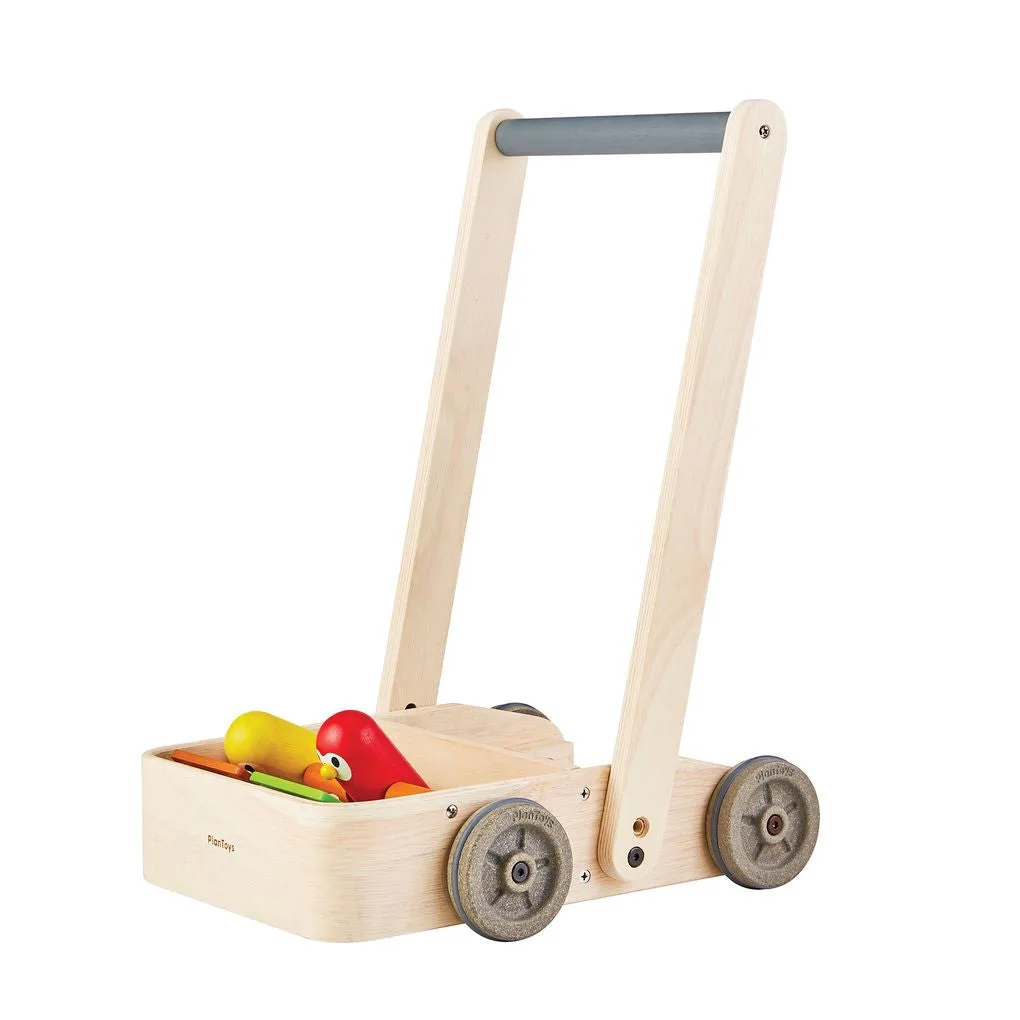
Musical Bird Walker