Quick answer
A cinema 4x5.65 linear polarizer gives you precise control over reflections and glare on set, and the NiSi True Color CPL avoids the warming cast common in other polarizers, making color correction in post much simpler.
Linear vs. circular: what matters on set
Most cinema cameras use a mirrorless or DSLR design that relies on a beam splitter for autofocus and metering. A linear polarizer can interfere with that beam splitter, causing exposure errors or autofocus issues. However, on a dedicated cinema camera with manual controls and no beam-splitting mirror, a linear polarizer is safe and often preferred for its simpler construction and consistent polarization effect.
When to use the NiSi Yellow Light Blocker (Natural Night)
The NiSi Natural Night filter is designed to cut sodium-vapor and mercury-vapor light pollution. It is not a polarizer and does not replace one. Use it when shooting night exteriors with artificial street lighting to reduce the orange or green cast. Pair it with the True Color CPL for daytime scenes where you need both polarization and color accuracy.
Cinema 4x5.65 Linear Polarizer FAQ
Can I use a linear polarizer on any cinema camera?
Yes, as long as your camera does not rely on a beam-splitting mirror for autofocus or metering. Most dedicated cinema cameras (RED, ARRI, Sony Venice, Canon C-series) are safe. Check your camera manual or test with a still frame if unsure. Always verify your camera's autofocus system before using a linear polarizer.
How do I attach a 4x5.65 filter on set?
Use a matte box with 4x5.65 slots. Slide the filter in gently, ensuring it sits flat and does not touch the lens. For the NiSi True Color CPL, the linear polarizing film is sealed (Cine Sealed Technology), so you can rotate it by turning the ring on the matte box tray.
What is the difference between the NiSi True Color CPL and a standard CPL?
Standard CPLs often add a warm color cast. The NiSi True Color CPL is designed to eliminate that warming cast, giving you neutral polarization. This is especially helpful for video color correction because you avoid an extra white-balance step. If you shoot skin tones or product close-ups, the True Color CPL saves time in post.
Can I stack the NiSi Natural Night filter with the True Color CPL?
You can stack them in a matte box, but be aware that stacking adds thickness and may cause vignetting with wide lenses. The Natural Night filter is a solid blocker, not a polarizer, so use it only when you need to cut light pollution. For daytime scenes, the True Color CPL alone is sufficient. Test the combination at your widest focal length to check for vignetting.
Product facts
-
NiSi Cinema 4×5.65” True Color Linear Polarizing Filter: True color without the warming cast seen with many other CPLs. This means you spend less time fixing color shifts in video color correction, keeping skin tones and skies natural.
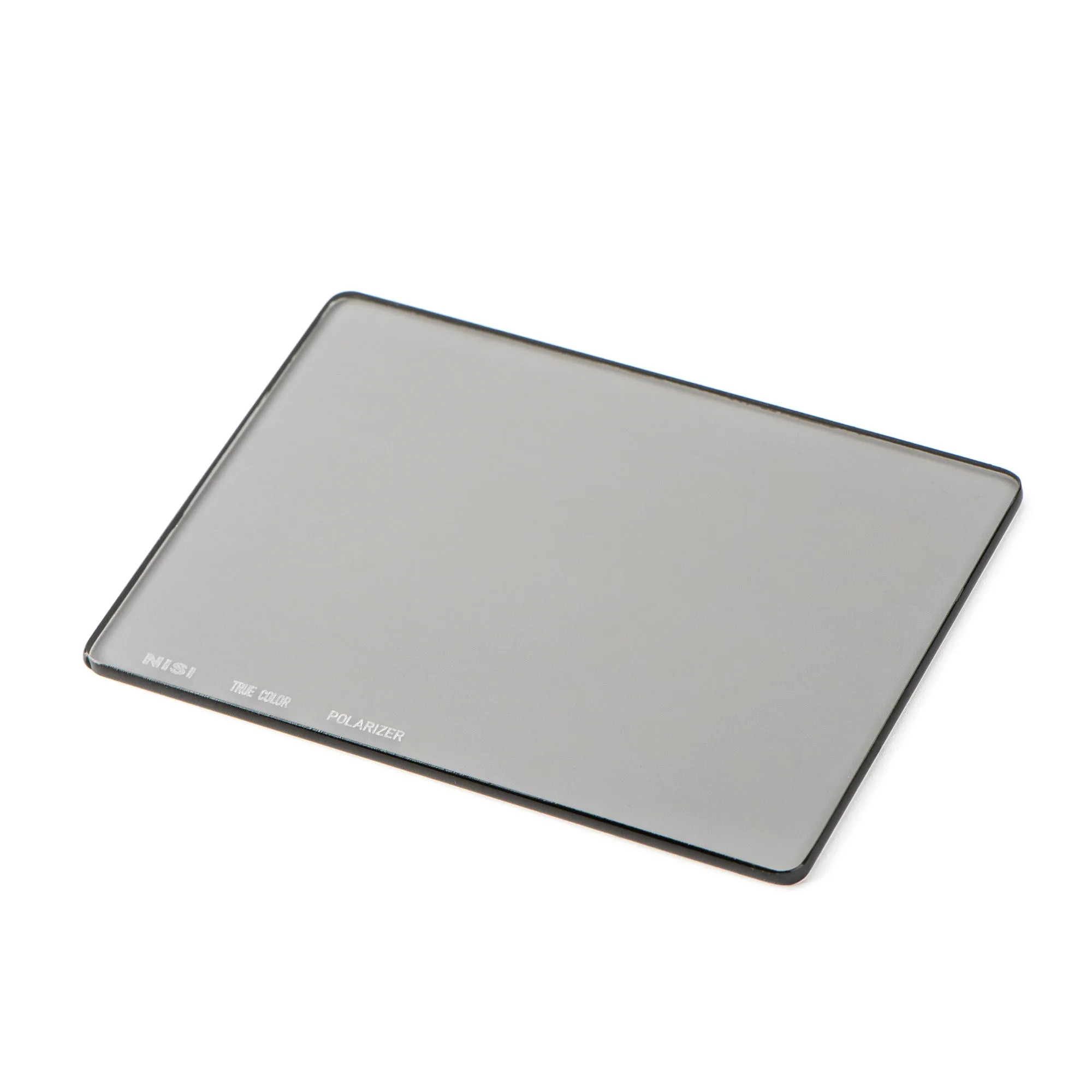
NiSi Cinema 4×5.65” True Color Linear Polarizing Filter
-
NiSi Cinema 4×5.65” Yellow Light Blocker (Natural Night): Blocks yellow sodium-vapor and mercury-vapor light to reduce light pollution in night skies. Combine this with a polarizer for daytime exteriors; on its own, it cleans up night cityscapes without affecting the rest of the scene.
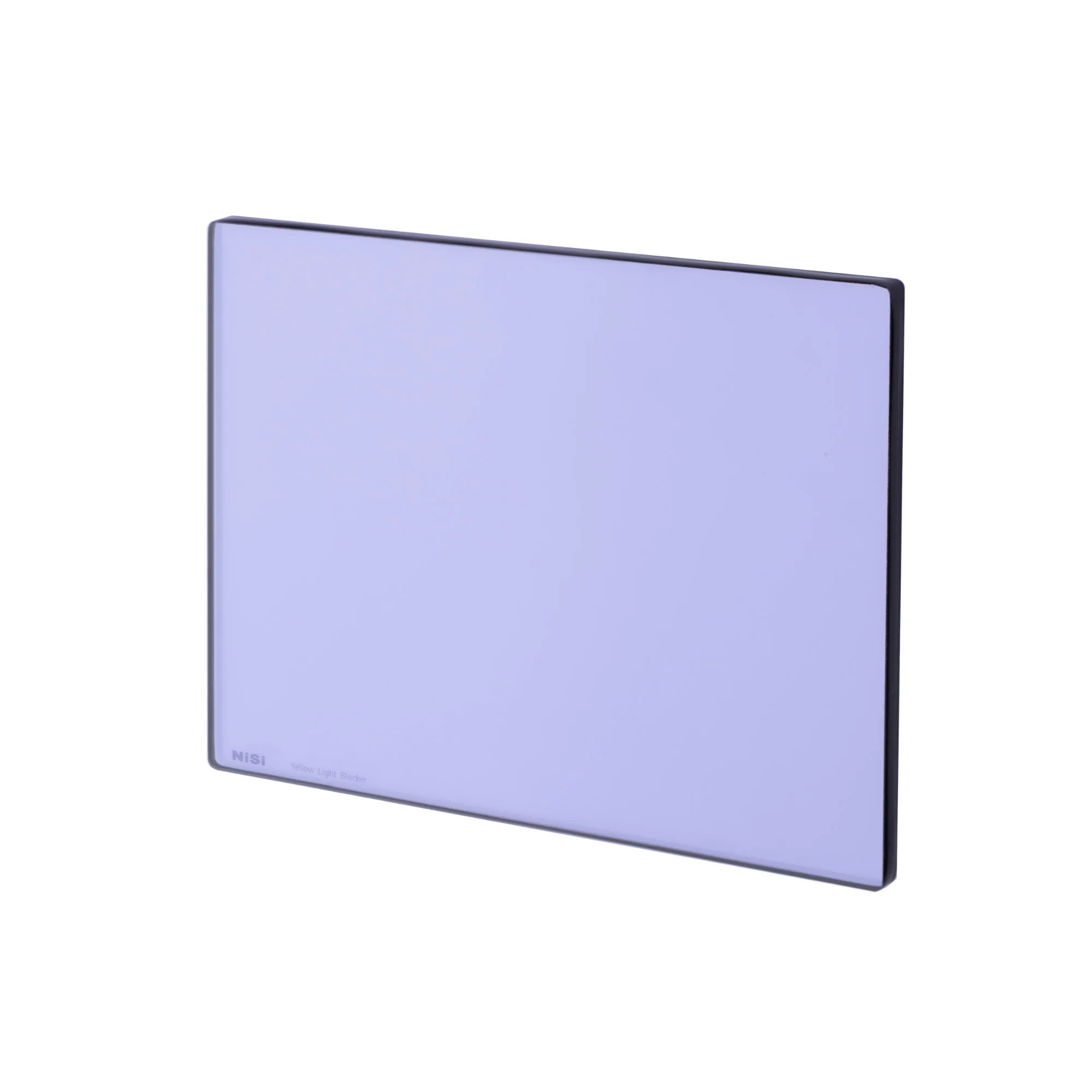
NiSi Cinema 4×5.65” Yellow Light Blocker (Natural Night)