Quick answer
A well-made multi-coated UV filter does not noticeably reduce image quality on modern lenses, but a cheap or dirty filter can introduce flare and softness.
Why the myth persists
The belief that UV filters always degrade sharpness comes from early single-coated or uncoated filters that scattered light and added reflections. Modern multi-coated designs have largely solved those problems.
When a filter can hurt
Even a good filter can cause issues in extreme backlight or when dirty. If you see flare or haze, try removing the filter. A smudged filter will always soften an image more than no filter.
When a filter helps
In dusty, sandy, or rainy conditions, a UV filter acts as a sacrificial layer that protects your front element from scratches and debris. Replacing a $10 filter is far cheaper than repairing a lens.
Myth-busting verdicts
- Claim: UV filters always reduce sharpness: False. A multi-coated filter like the K&F Concept 72mm MCUV is designed to be optically neutral. In normal light, you will not see a difference in resolution.
- Claim: UV filters cause flare: Partly true. Any extra glass can flare in direct sunlight, but quality multi-coating reduces this dramatically. If flare appears, remove the filter. Test your filter in backlit scenes before relying on it.
- Claim: You never need a UV filter on modern lenses: False. While UV light is less of a concern on digital sensors, the filter still protects against physical damage. The trade-off is acceptable in harsh environments. Use a filter only when conditions demand protection; skip it for critical low-light or backlit shots.
Filter that proves the point
-
K&F Concept 72mm UV Lens Protection Filter: The K&F Concept 72mm MCUV Lens Protection Filter has 18 multi-coated layers and an ultra-slim design. 18 layers of coating minimize reflections and ghosting, so this filter adds protection without the glare that older filters caused.
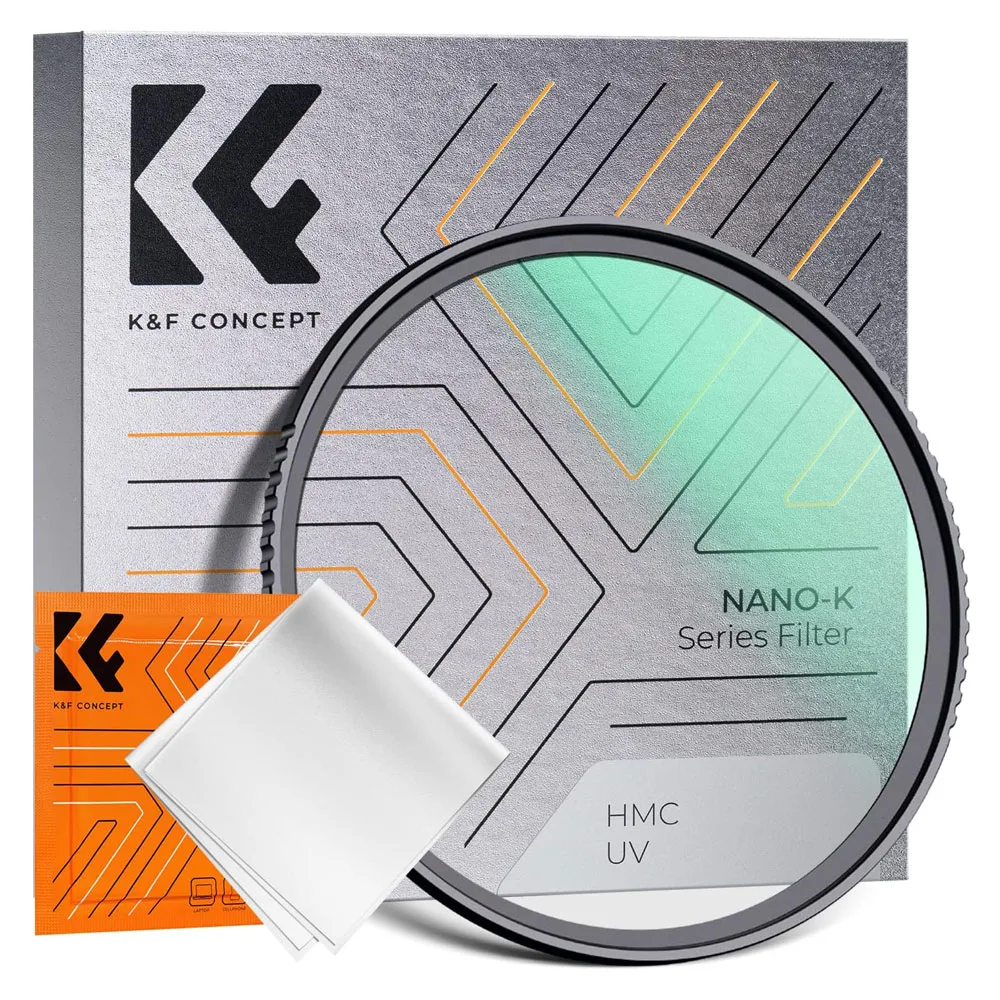
K&F Concept 72mm UV Lens Protection Filter