Quick answer
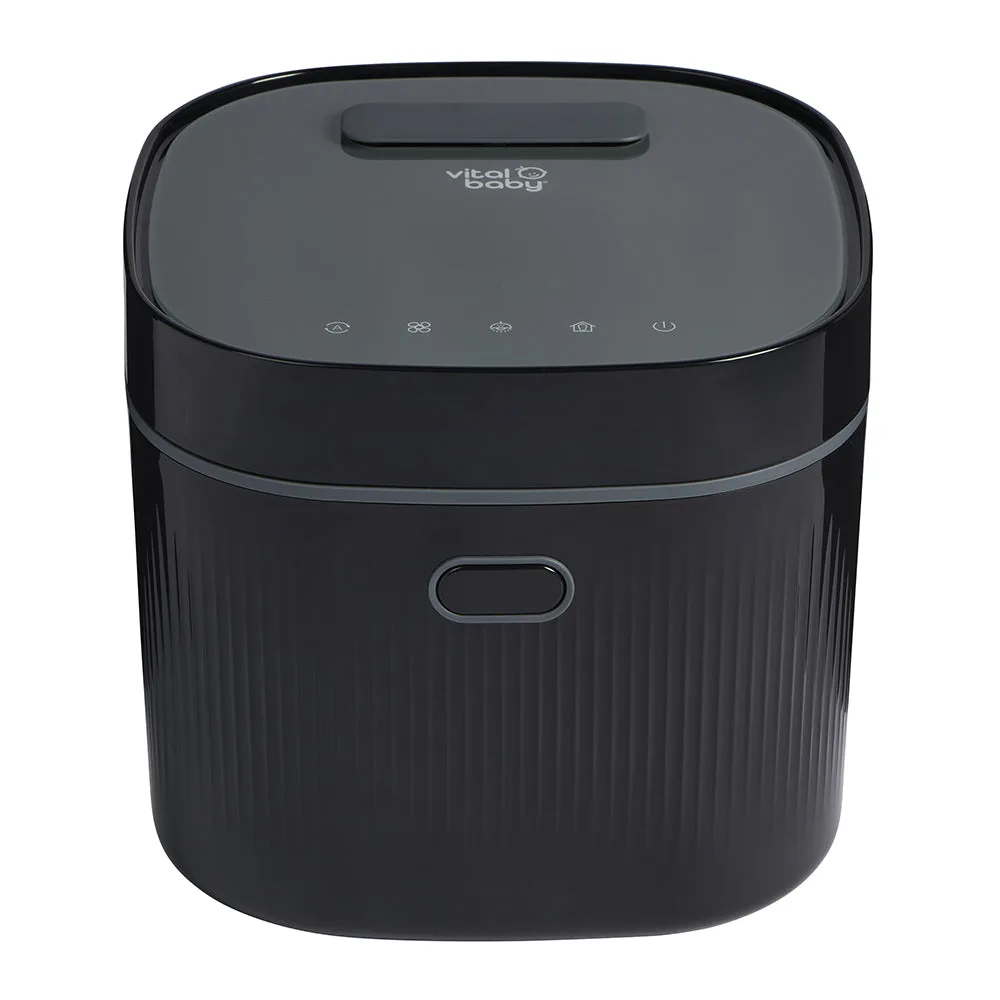
For most parents who want speed, convenience, and a dry finish without a microwave or stovetop, a UV steriliser and dryer like the advanced pro UV steriliser & dryer is the stronger everyday choice. Steam sterilising remains a reliable, lower-cost option if you already have a microwave or large pot and don't mind air-drying. Your best pick depends on how often you sterilise, what you need to sterilise beyond bottles, and whether you want a dry, ready-to-use result in minutes.
How UV and steam sterilising actually work
Steam sterilising uses boiling water or a microwave to create high-temperature steam that kills bacteria and viruses on bottles, teats, and pump parts. It's a proven method, but items come out wet and must be air-dried or dried with a clean cloth, which can reintroduce germs if not handled carefully.
UV sterilising uses ultraviolet light to destroy the DNA of bacteria, viruses, and mould. The advanced pro UV steriliser & dryer uses UV LED technology to safely destroy 99.99% of bacteria, viruses, and mould in just 5 minutes. It then dries items with HEPA-filtered air in 17 minutes and can sterile-store them for up to 3 days. Because it's a dry process, there's no residual moisture and no need for a separate drying rack.
Speed and convenience: where UV pulls ahead
A full steam cycle typically takes 5–10 minutes plus cooling and drying time, and you need access to a microwave or stove. UV sterilising with the advanced pro UV steriliser & dryer gives you a sterile, dry result in about 22 minutes total—5 minutes to sterilise and 17 minutes to dry. The sterile-store function keeps contents ready for up to 3 days, so you can sterilise a batch and grab what you need without re-running a cycle.
UV sterilisers also handle items steam can't: cosmetic brushes, mobile phones, keys, and small toys. That versatility means one appliance can serve your baby's bottles and your own daily items, which is a practical win for busy households.
Safety and material compatibility
Steam is safe for most bottle parts, but high heat can degrade some plastics over time and may warp items not marked heat-safe. UV light is gentler on materials, but prolonged exposure can discolour some plastics or degrade certain silicone parts. The advanced pro UV steriliser & dryer is designed for versatility, but always check the manufacturer's guidance for specific items.
For UV sterilising safety, keep the unit out of direct reach of children, don't stare into the UV light during operation, and follow the manual for loading. Both methods are effective when used correctly; the key is matching the method to the items you need to sterilise and your tolerance for wet parts.
Cost and long-term value
Steam sterilising has a lower upfront cost—often just the price of a microwave-safe container or a basic electric steam unit—but you'll use water and electricity every cycle, and you may need to replace worn bottles sooner if heat degrades them. UV sterilisers cost more initially, but UV LED technology is energy-efficient and doesn't require water. The advanced pro UV steriliser & dryer is priced at USD 97.99 (compared to USD 139.99), which reflects its larger capacity and dry-and-store features.
If you sterilise multiple times a day for years, the convenience and reduced water use of UV can offset the higher initial price. If you sterilise occasionally or already have a microwave, steam remains a budget-friendly backup.
What about bottles and feeding gear?
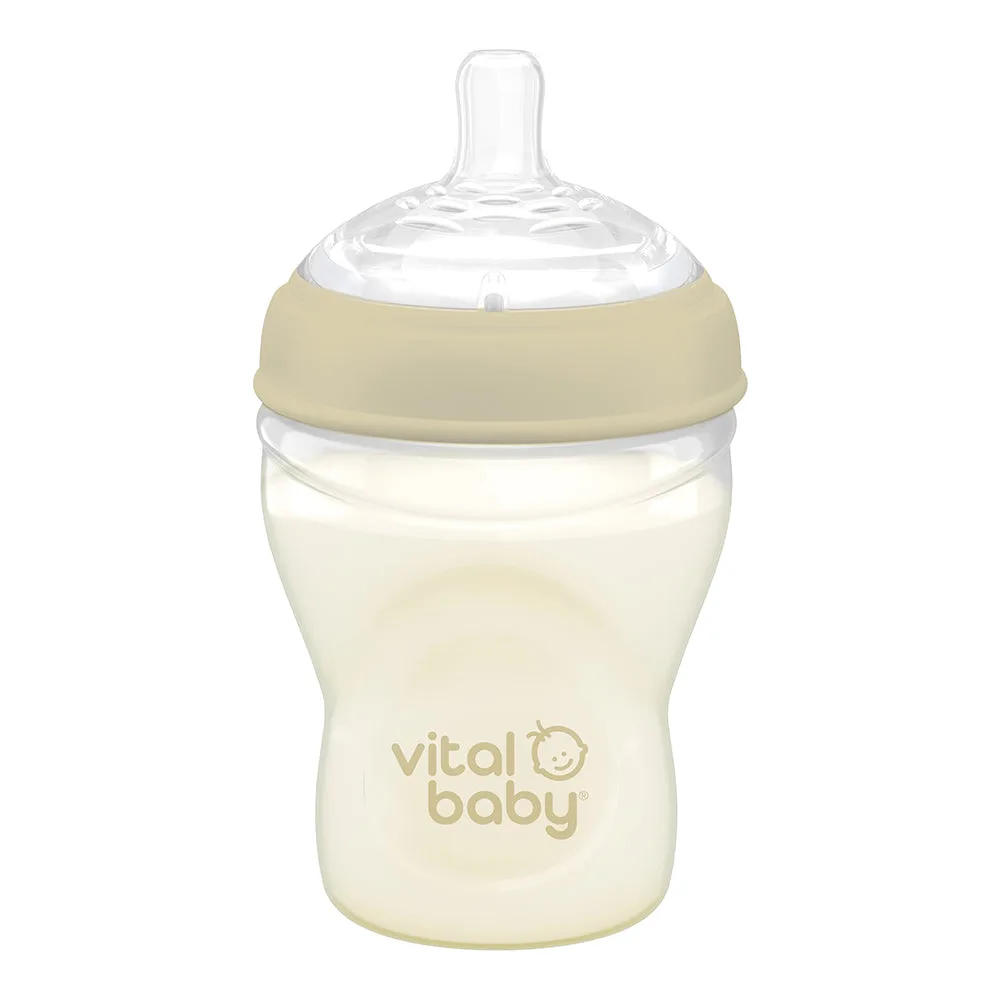
Whichever sterilising method you choose, the bottles themselves matter. The breast like bottle 240ml and breast like bottle 150ml are both self-sterilising for convenience, which means you can sterilise them in the microwave without a separate steam unit. They also feature triple anti-colic valves to help prevent colic symptoms and a breast-like teat to ease transition between breast and bottle.
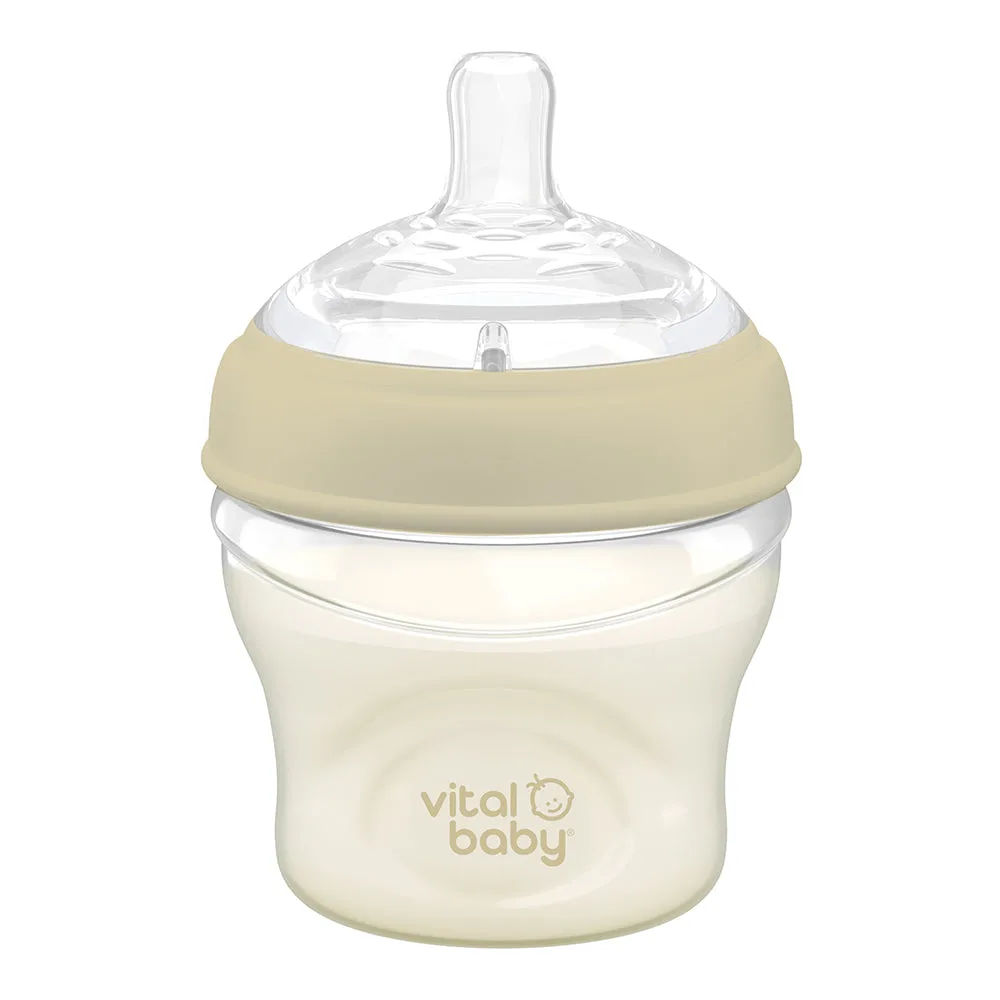
breast like bottle 150ml
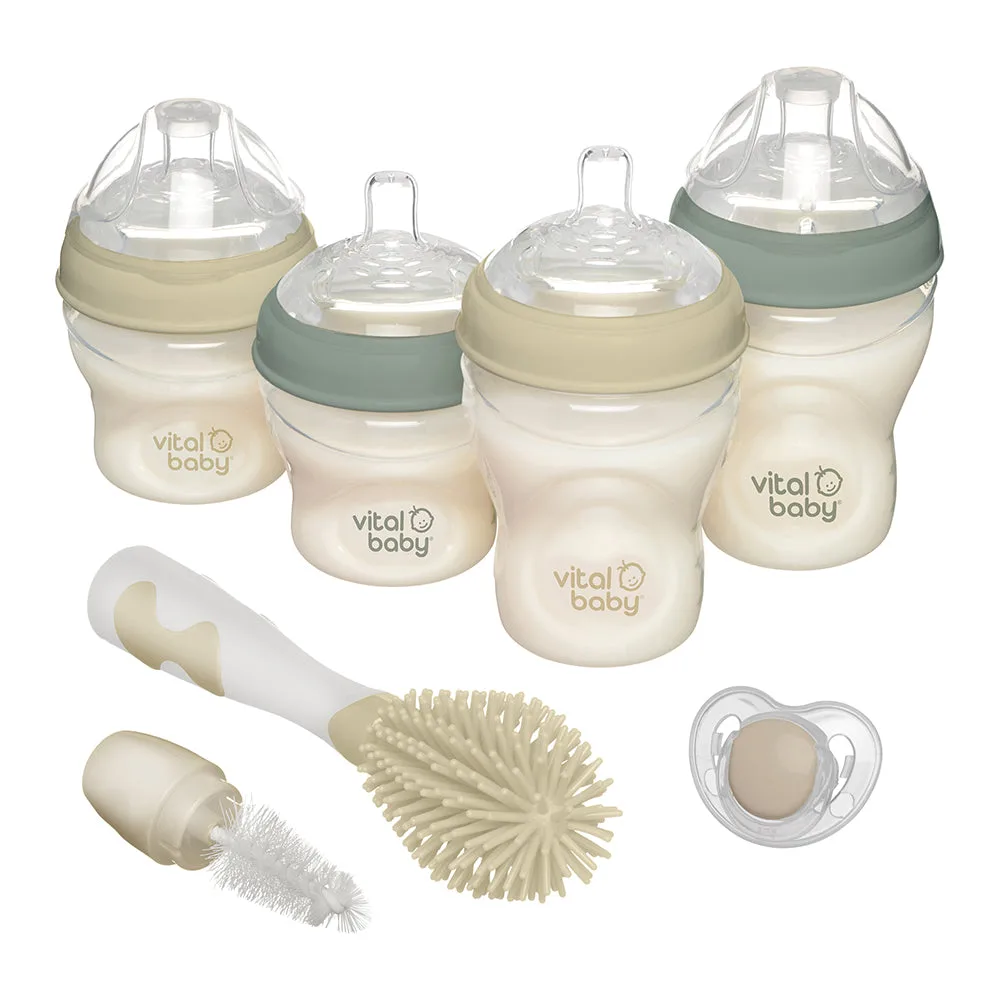
If you're building a feeding setup, the breast like starter set includes two bottles, a 2-in-1 bottle and teat brush, and is BPA-, latex-, and phthalate-free. It's a practical starting point that works with either sterilising method, though the self-sterilising feature may reduce your reliance on a separate steriliser for daily bottle prep.
Trade-offs at a glance
- Upfront cost vs long-term convenience: Steam sterilising is cheaper to start, often under USD 30 for a basic unit. The advanced pro UV steriliser & dryer costs USD 97.99 (compared to USD 139.99), but it eliminates water use, dries items, and stores them sterile for up to 3 days. If you sterilise daily for months, UV's convenience may justify the higher initial price.
- Speed and dryness: Steam cycles take 5–10 minutes plus drying time, and items come out wet. UV sterilising with the advanced pro takes 5 minutes to sterilise and 17 minutes to dry with HEPA-filtered air, giving a dry, ready-to-use result. Choose UV if you want to skip the drying rack and handle items immediately.
- What you can sterilise: Steam is limited to heat-safe bottles, teats, and pump parts. UV can also handle toys, cosmetic brushes, phones, and keys, making it more versatile for household items. If you want one appliance for baby gear and personal items, UV is the more flexible option.
Key product facts
- advanced pro UV steriliser & dryer, 3rd gen: Safely destroys 99.99% of bacteria, viruses, and mould in just 5 minutes using UV LED technology; sterile and dry in 22 minutes; dry with HEPA-filtered air in 17 minutes; sterile-store for up to 3 days. You get a dry, sterile result fast and can leave items stored safely for days, cutting down daily sterilising cycles.
- breast like bottle 240ml: Self-sterilising for convenience, triple anti-colic valves to prevent colic symptoms, and breast-like teat to aid bottle transition and combination feeding. These bottles can be sterilised without a separate appliance, and the anti-colic design may reduce feeding discomfort.
- breast like starter set: Anti-colic bottle starter kit with triple anti-colic valves, self-sterilising, flattened teat, 2-in-1 bottle and teat brush, BPA-, latex-, and phthalate-free. A ready-to-use set that supports combination feeding and includes cleaning tools, so you can start with either sterilising method.
Which steriliser is best for you?
Best for
- Parents who sterilise multiple times a day and want a dry, ready-to-use result without a microwave.
- Households that want to sterilise non-baby items like phones, keys, or toys alongside bottles.
- Caregivers who value sterile storage for up to 3 days and energy-efficient UV LED technology.
Not for
- Parents on a very tight budget who already have a microwave and don't mind air-drying parts.
- Those who rarely sterilise and prefer the lowest upfront cost.
- Anyone who needs to sterilise large items that don't fit in a countertop UV unit.