Quick answer
For keeping a single hot meal hot until lunchtime, a vacuum insulated food jar is the better choice because its double-wall vacuum insulation traps heat with fewer openings. A lunch jar system is better when you want to carry multiple foods separately and don't mind slightly more heat loss. If you need one container that stays hot for hours, choose a food jar; if you want variety and compartmentalized packing, choose a lunch jar.
You pack a hot lunch at 7 a.m. and by noon it's lukewarm. The container you choose decides whether that happens. Vacuum insulated food jars and lunch jars look similar on a shelf, but they are built for different jobs, and the difference shows up at lunchtime.
This comparison uses supplied Zojirushi product facts to explain how each type retains heat, what sizes and features matter, and which one fits your work or school routine. No invented test results, just the practical trade-offs you need before buying.
How vacuum insulated food jars retain heat
A vacuum insulated food jar uses a double wall with a vacuum between the layers. That vacuum blocks heat transfer by conduction and convection, so hot food stays hot for hours. The lid usually seals with a gasket and opens wide for eating directly from the jar. Because there is one compartment and one opening, less heat escapes each time you open it.
Zojirushi's vacuum insulated food jars are part of the Vacuum Insulated Food Jars category. The catalog does not list specific heat retention hours for every model, so check the individual product page for tested performance. As a rule, a wider mouth and a tight-sealing lid are the two features that matter most for keeping soup or stew hot until noon.
- Look for a jar with a wide mouth for easy filling and eating.
- A gasket-sealed lid reduces heat loss better than a screw-on plastic cap.
How lunch jars differ in design and heat retention
A lunch jar system often includes multiple stacked containers or a main jar plus side containers. That design lets you pack a main dish, a side, and a dessert separately. The trade-off is more surface area and more openings, so heat retention is usually lower than a single vacuum food jar. Some lunch jars still use vacuum insulation in the main container, but the side containers may be uninsulated.
If you want hot rice and a cool side salad in the same bag, a lunch jar makes that possible. If you want one hot entrée to stay piping hot, a single food jar wins. The catalog does not list heat retention hours for lunch jars, so compare the insulation type and number of containers before deciding.
- Count the containers: more compartments mean more heat loss.
- Check whether side containers are insulated or just plastic.
Size and capacity: matching the jar to your meal
Food jars and lunch jars come in sizes from about 10 oz. to 34 oz. A 10–17 oz. jar holds a single serving of soup or stew. A 20–27 oz. jar fits a larger appetite or a meal plus a snack. A 34 oz. jar is best for sharing or for an all-day work shift. The Zojirushi Stainless Bottle SJ-TG08/10 comes in 27 oz. and 34 oz. capacities, which gives you a sense of how those sizes feel in a bag.
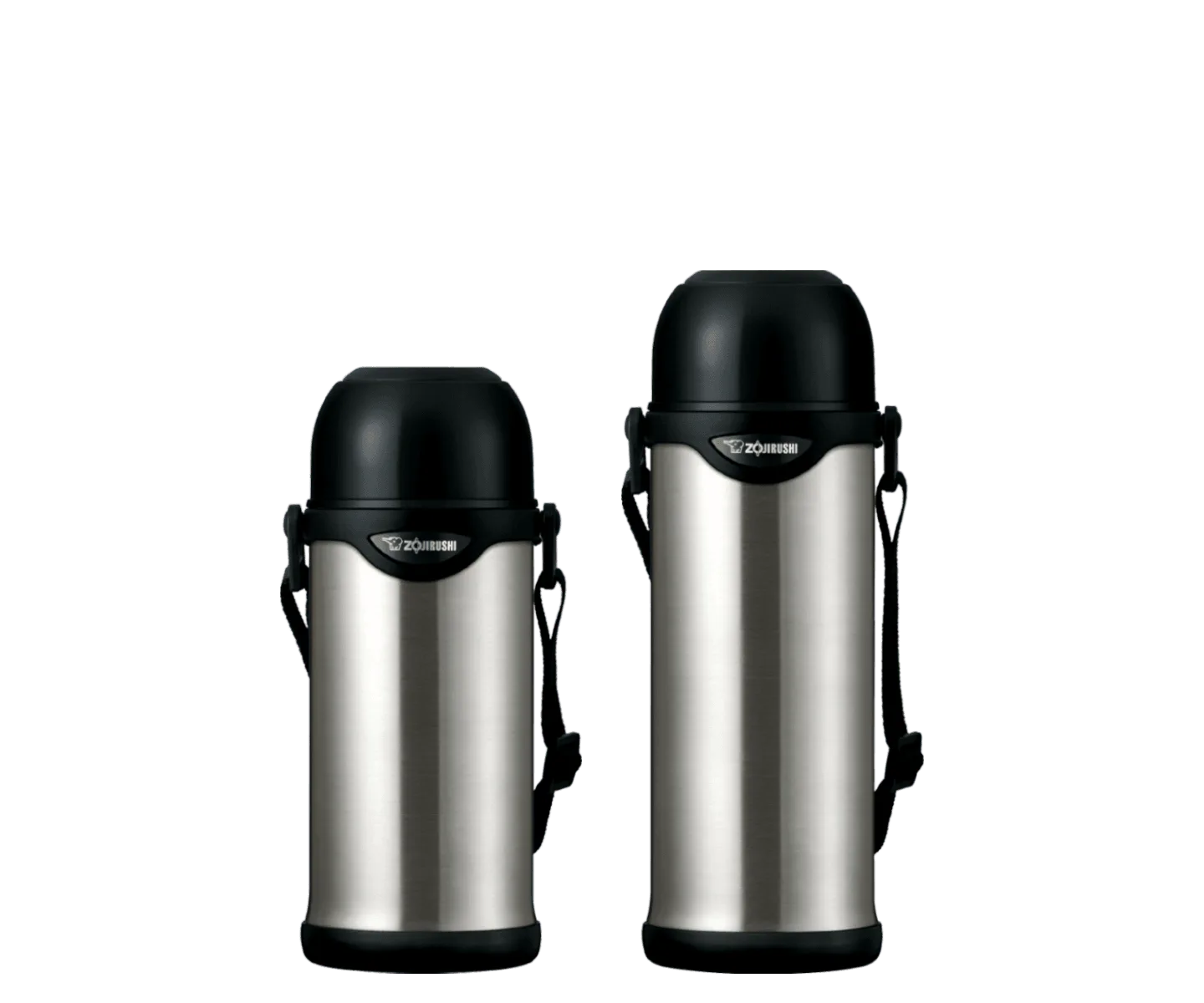
Stainless Bottle SJ-TG08/10
For a lunch jar system, capacity is split across containers, so the total volume may be larger than a single food jar even if the main compartment is smaller. Measure your typical lunch portion before buying. If you usually eat one bowl of soup, a 17 oz. food jar is enough. If you pack rice, protein, and vegetables separately, a lunch jar with multiple containers makes more sense.
- 17 oz. is a common single-meal size for adults.
- 34 oz. suits long shifts or sharing.
Portability, weight, and daily use
Vacuum insulated food jars are generally lighter and more compact than lunch jar systems because they have one container. That makes them easier to slip into a tote or backpack. Lunch jars add bulk and weight from extra containers, but they keep foods from mixing and can be easier to clean if you pack messy sides.
The Zojirushi 34 oz. Stainless Mug with Lid Handle SU-DA100 shows how a large capacity can still be portable when the lid has a handle. A food jar with a similar handle or a wide grip is easier to carry on a commute. If you walk or take public transit, weight matters. If you drive and eat at a desk, a larger lunch jar system is less of a burden.
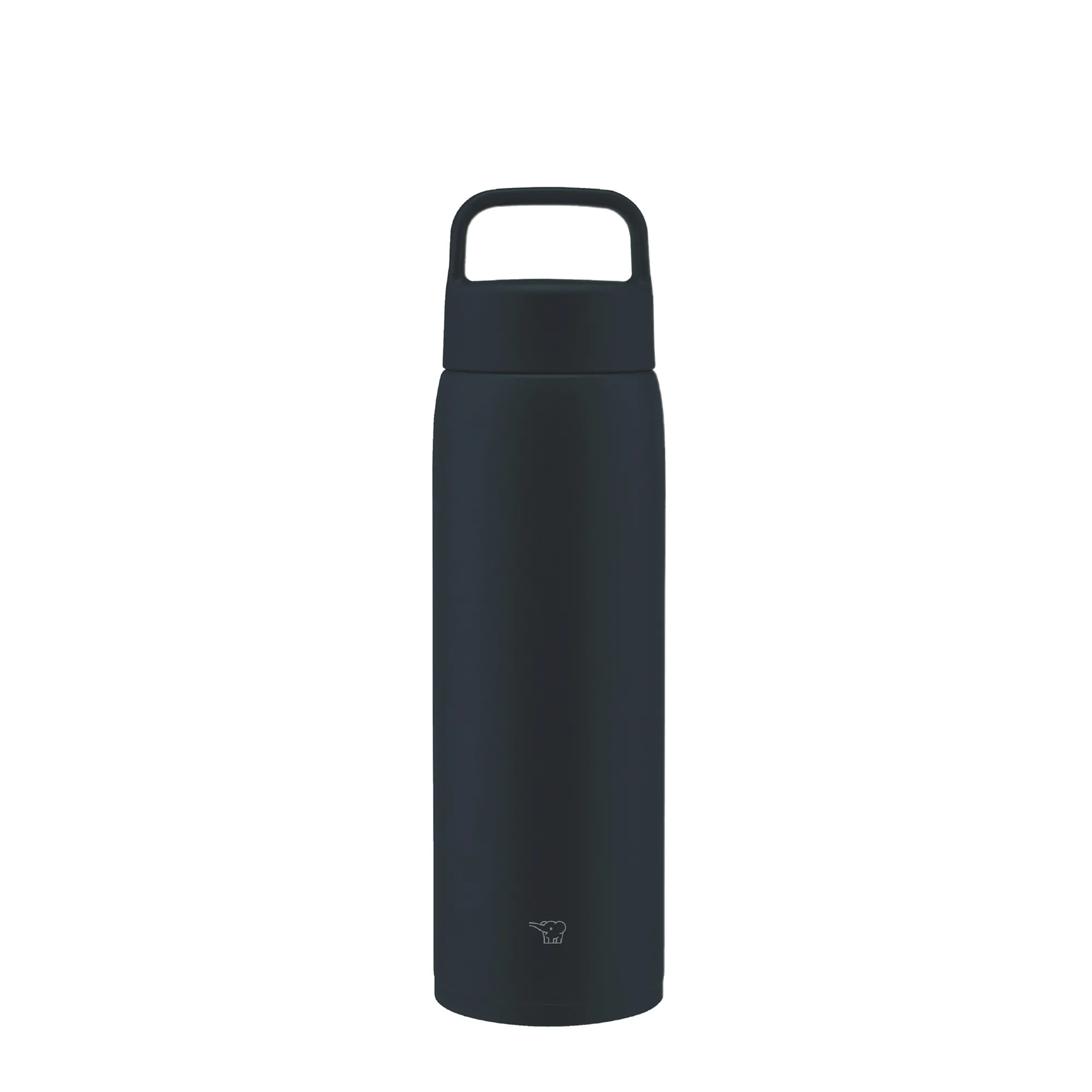
34 oz. Stainless Mug with Lid Handle SU-DA100
- Weigh your packed lunch bag before committing to a multi-container system.
- A lid handle helps when your hands are full.
Cleaning, parts, and long-term care
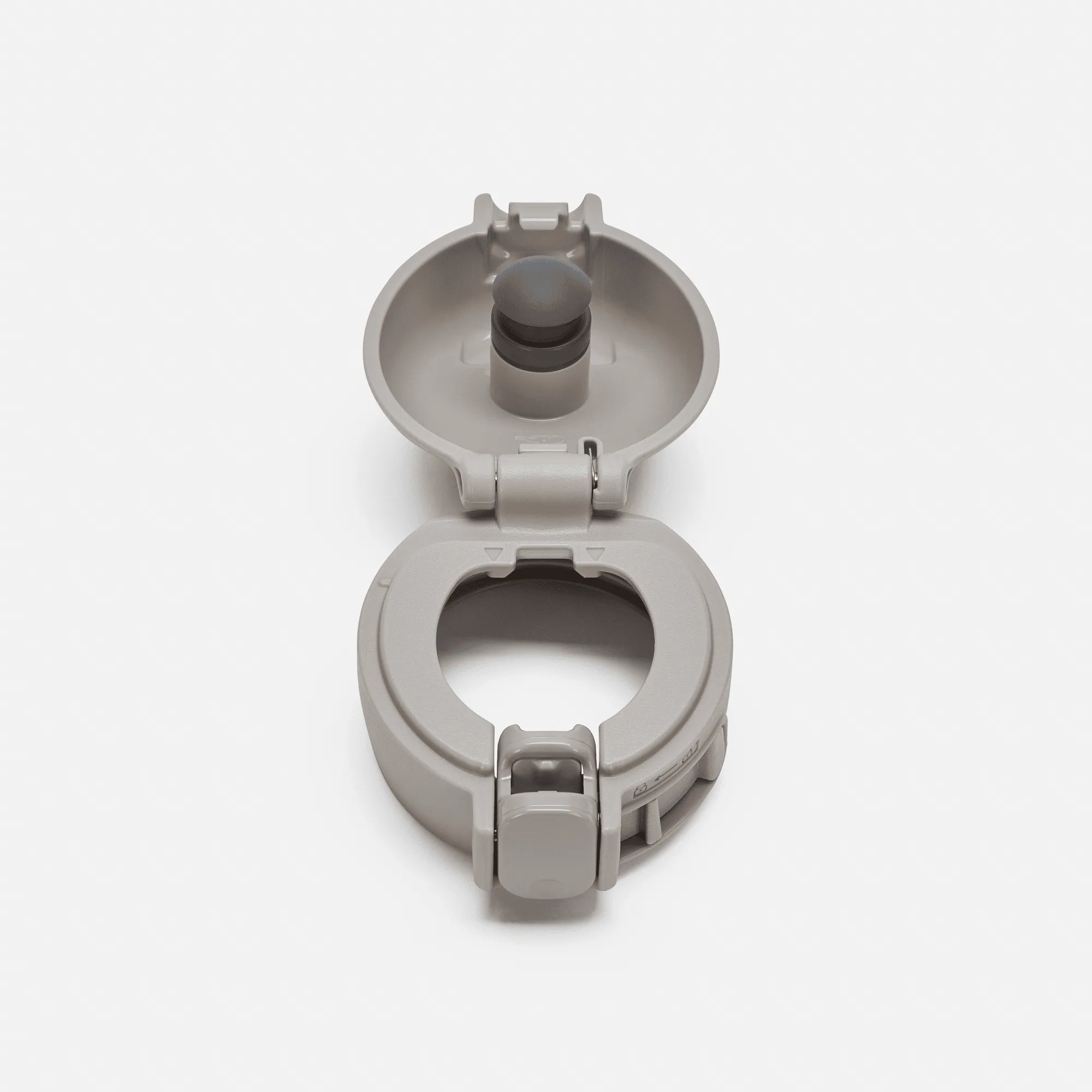
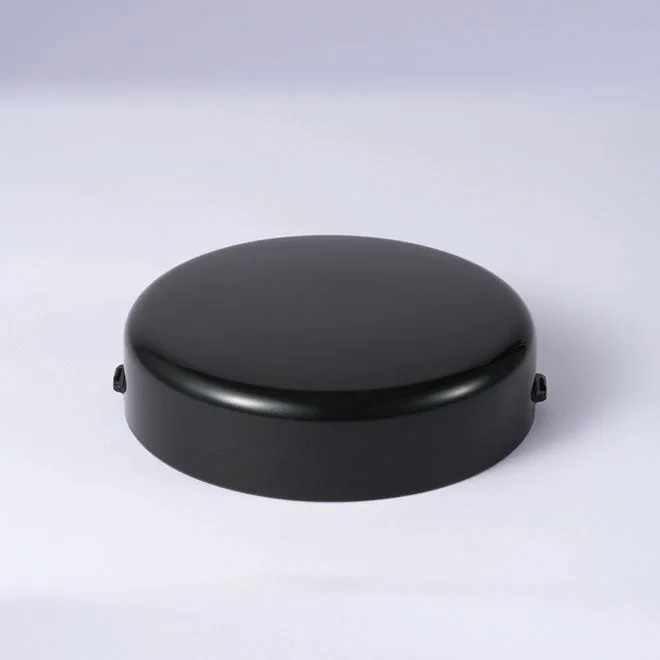
Both food jars and lunch jars need regular cleaning to prevent odors and bacteria. Removable gaskets and wide mouths make cleaning easier. Some Zojirushi parts are sold separately, which extends the life of your jar. For example, the Outer Lid for SL-XE20 is a replacement part for a Zojirushi vacuum insulated lunch jar, and the Stopper Cover Set (Gray) for SM-WS (-HM) Gray **EXCLUDES STOPPER SET** is a replacement cover for a specific model.
If you already own a Zojirushi lunch jar, check the model number before ordering parts. A replacement lid or stopper cover can restore a good seal and improve heat retention without buying a whole new jar. The Tea Strainer for SM-JTE34/46 is another example of a model-specific part, showing that Zojirushi supports repairs for many containers.
- Note your model number before shopping for replacement parts.
- A worn gasket is a common cause of heat loss.
Trade-offs: food jar vs. lunch jar
- Heat retention: A single vacuum insulated food jar loses less heat because it has one opening and less surface area. A lunch jar with multiple containers loses more heat each time you open a compartment. Choose a food jar if maximum heat retention is your priority.
- Meal variety: A lunch jar system lets you pack separate containers for a main, sides, and dessert. A food jar mixes everything in one compartment. Choose a lunch jar if you want separate foods and don't mind slightly cooler temperatures.
- Portability and weight: Food jars are lighter and more compact. Lunch jars add bulk from extra containers but may offer handles or a more organized bag. Choose a food jar for commuting or hiking; choose a lunch jar for desk lunches where weight is less important.
- Cleaning and parts: Both need regular cleaning. Wide mouths and removable gaskets help. Zojirushi sells replacement parts like the Outer Lid for SL-XE20 and the Stopper Cover Set (Gray) for SM-WS (-HM) Gray **EXCLUDES STOPPER SET**. Check part availability for your model before buying; it extends the jar's life.
Product facts that matter
- Stainless Bottle SJ-TG08/10: Available in 27 oz. / 0.8 liter (SJ-TG08XA) and 34 oz. / 1.0 liter (SJ-TG10XA) capacities, Stainless finish, with replacement parts available. These capacities show the size range you can expect from a vacuum insulated container. The 27 oz. size fits a large single meal; the 34 oz. size suits long shifts or sharing. Replacement parts mean you can keep using it even if a gasket wears out.
- Outer Lid for SL-XE20: A replacement outer lid for the SL-XE20 model, listed under Parts for Zojirushi vacuum insulated lunch jars, PFA-free. If your lunch jar lid cracks or stops sealing, this part restores heat retention without replacing the whole jar. It also confirms that Zojirushi lunch jars use replaceable lids, which is a long-term cost advantage.
- 34 oz. Stainless Mug with Lid Handle SU-DA100: 34 oz. capacity, double-wall stainless steel vacuum insulation, leak-proof gasket-free one-piece lid, available in 3 colors. This shows how a large 34 oz. container can still be portable and leak-proof. The lid handle makes it easier to carry, a useful feature if you commute with a full lunch bag.
Which should you buy?
Best for
- Anyone who wants one hot meal to stay hot for 5+ hours, like soup, stew, or chili.
- Commuters, hikers, and students who need a lightweight, leak-proof container.
- People who eat directly from the jar and prefer a simple one-container cleanup.
Not for
- People who want to pack multiple separate foods and keep them from mixing.
- Those who need to carry both hot and cold items in one system.
- Anyone who prefers a compartmentalized lunch box over a single jar.
If your goal is a hot lunch at noon, a vacuum insulated food jar is the more reliable choice because it retains heat with fewer openings. If you want variety and separate containers, a lunch jar system serves that need better, even if it runs slightly cooler. Match the size to your appetite and check replacement parts for the model you choose.