Quick answer
Vacuum seal bags save more space than compression panels because they remove air entirely, shrinking bulky clothes by about 50%. Compression panels only flatten items, so they help but can't match that level of compression. If maximum space savings is your goal, choose vacuum seal bags with a pump; if you want a lightweight, tool-free option, choose compression panels.
When you're trying to pack for a long trip in a carry-on, every inch of luggage space counts. Two popular tools promise to help: vacuum seal bags and compression panels. But they work in very different ways, and one clearly saves more space than the other.
Vacuum seal bags use a pump to suck air out of a sealed bag, shrinking clothes dramatically. Compression panels use zippers or straps to flatten items inside your suitcase. In this comparison, we'll look at how each performs, what trade-offs you make, and which one fits your travel style.
How vacuum seal bags save space
Vacuum seal bags work by removing the air from inside a sealed plastic bag. When you use a pump, like the Mini Vacuum Pump 2.0 (NEW) + Vacuum Bags (5 Pack) - Black, you can shrink bulky sweaters and outfits by about 50%. That means a week's worth of clothes can fit into a weekend-sized stack, letting you pack for long trips in a carry-on and skip checked bag fees.
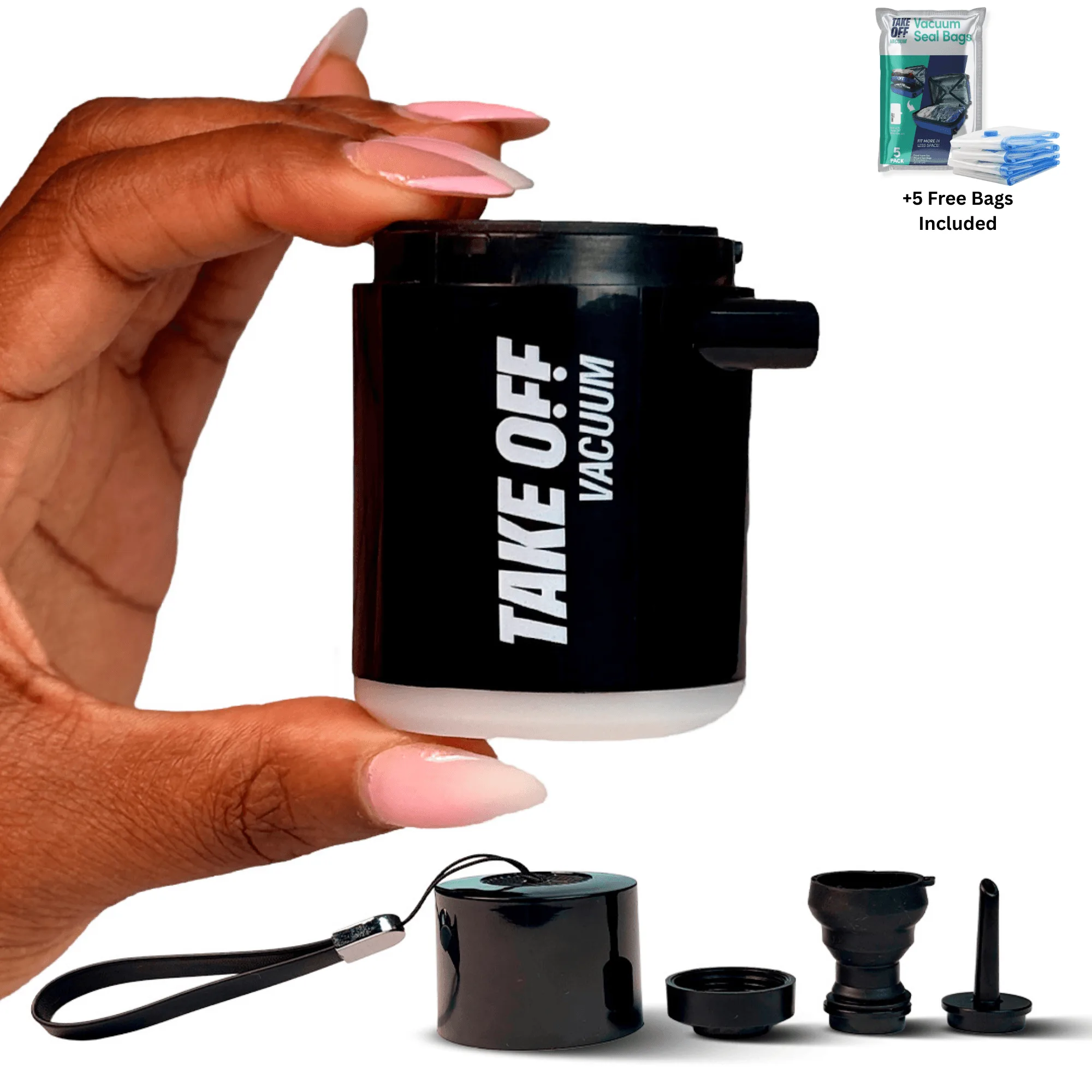
Mini Vacuum Pump 2.0 (NEW) + Vacuum Bags (5 Pack) - Black
The key advantage is that air is completely eliminated, not just pushed aside. This makes vacuum bags the most effective way to compress soft, bulky items like jackets, sweaters, and jeans. However, you need to carry the pump (the Mini Vacuum Pump 2.0 is pocket-sized) and find a flat surface to seal the bags. Also, some items may wrinkle more under this level of compression.
- Best for bulky clothing like sweaters and jackets.
- Requires a pump and a few minutes to seal each bag.
- Can cause wrinkles in some fabrics—consider using a wrinkle-release spray or packing delicate items separately.
How compression panels work
Compression panels are built into some suitcases or sold as separate zippered compartments. They use a second zipper or straps to flatten the contents, reducing bulk without removing air. This method is quick and doesn't require any tools, making it convenient for travelers who pack and repack frequently.
The trade-off is that compression panels can't achieve the same level of space savings as vacuum bags. They might reduce volume by 10–20% at best, depending on how much you compress. They're great for keeping clothes organized and slightly flattened, but they won't turn a week's worth of clothes into a weekend-sized stack.
- No extra tools needed—just zip and go.
- Less effective for very bulky items.
- Works well for keeping clothes neat and slightly compressed.
Space savings compared
When it comes to raw space savings, vacuum seal bags win by a wide margin. The Mini Vacuum Pump 2.0 + Vacuum Bags set claims to shrink clothes by 50%, which can be the difference between fitting everything in a carry-on and paying for a checked bag. Compression panels, while convenient, typically only save a fraction of that space.
If your main goal is to maximize luggage space, vacuum bags are the clear choice. But if you prioritize speed and simplicity, compression panels might be sufficient for shorter trips or when you're not packing extremely bulky items.
- Vacuum bags: up to 50% space savings.
- Compression panels: roughly 10–20% space savings.
- Choose based on how much space you need to save and how much effort you're willing to put in.
Convenience and durability
Vacuum seal bags require a pump and a power source if you're using an electric pump (the Mini Vacuum Pump 2.0 is manual and pocket-sized). You also need to reseal them each time you repack. The bags themselves can wear out over time, especially if you're rough with them. Compression panels are built into the suitcase or attached, so there's nothing extra to carry or lose.
For frequent travelers who repack often, compression panels offer a hassle-free experience. For those willing to trade a bit of convenience for significant space savings, vacuum bags are worth the effort.
- Vacuum bags need a pump and careful sealing.
- Compression panels are always ready to use.
- Consider a hybrid approach: use vacuum bags for bulky items and compression panels for the rest.
Trade-offs at a glance
- Space savings: Vacuum seal bags remove air entirely, shrinking clothes by about 50%. Compression panels only flatten items, saving roughly 10–20%. Vacuum bags win if maximum space is your priority.
- Convenience: Vacuum bags require a pump and careful sealing. Compression panels are built-in and ready to use instantly. Compression panels win for speed and simplicity.
- Durability and care: Vacuum bags can wear out and may wrinkle clothes. Compression panels are low-maintenance but less effective. Consider your packing frequency and fabric types.
Product facts
- Mini Vacuum Pump 2.0 (NEW) + Vacuum Bags (5 Pack) - Black: SHRINK YOUR CLOTHES. DOUBLE YOUR SPACE. This pocket-sized powerhouse sucks the air out of your clothes, shrinking bulky sweaters and outfits by 50%. Comes with 5 FREE vacuum seal bags. This is the most effective tool for maximizing space in a carry-on, letting you pack for long trips without checking a bag.
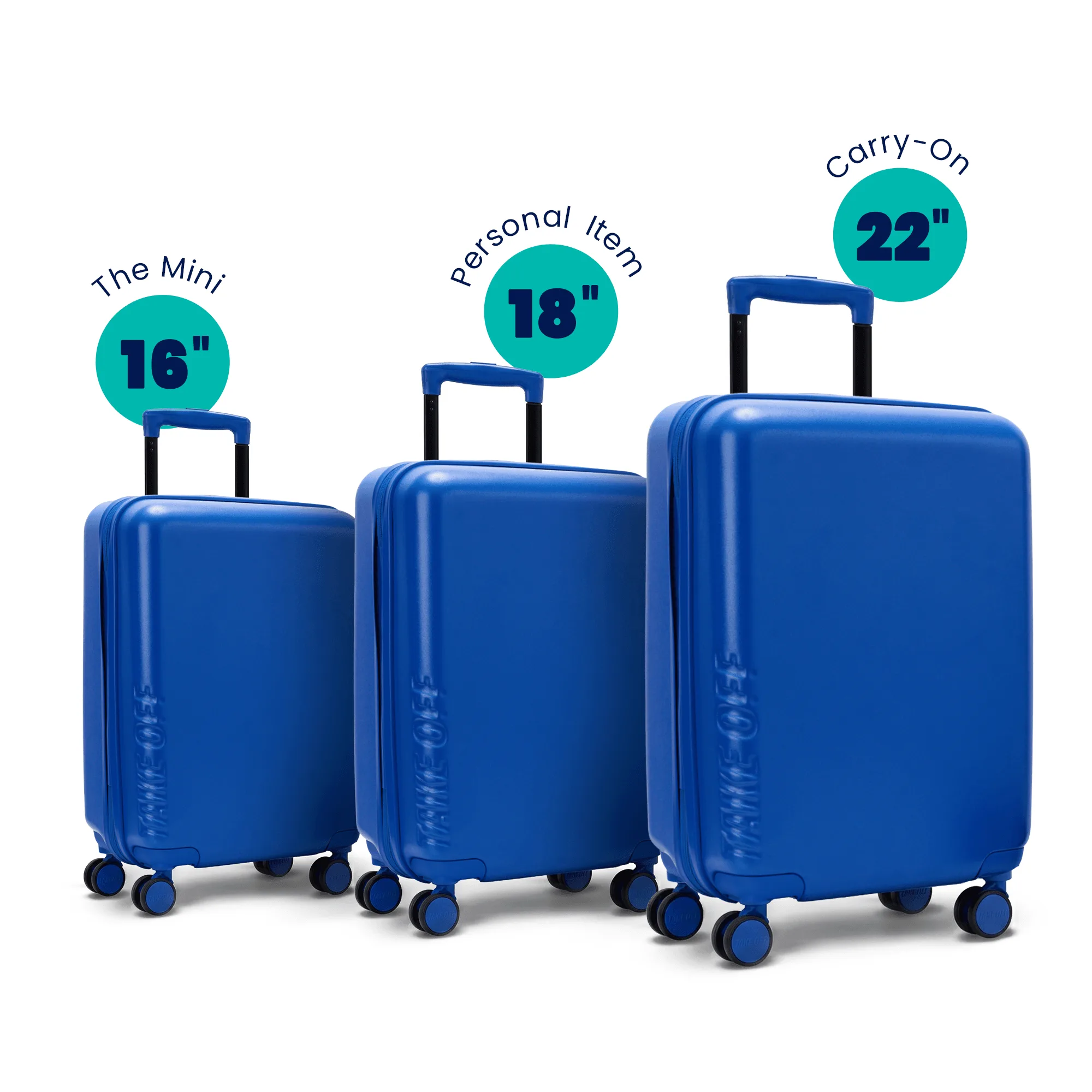
- TAKE OFF 3-Piece Travel Bundle 4.0: Includes the legendary under-seat bag that Oprah featured as a favorite, a spacious 22" Carry-On, and the brand-new 16" TAKE OFF MINI. Engineered to conquer strict international budget flights and cross-country domestic overhead bins. A complete luggage system that pairs well with vacuum bags or compression panels, giving you flexibility for different trip lengths.
Which should you choose?
Best for
- Travelers who need to maximize carry-on space and avoid checked bag fees.
- Trips with bulky clothing like sweaters, jackets, or jeans.
Not for
- Travelers who want a tool-free, quick packing solution.
- Those who pack wrinkle-prone fabrics and prefer minimal compression.
Vacuum seal bags save significantly more space than compression panels, making them ideal for carry-on-only travel. Compression panels offer convenience but limited savings. Choose based on whether space or simplicity matters more to you.