Quick answer
A vaginal pessary is a removable support device that can reduce prolapse symptoms and stress incontinence leaks without surgery, while surgery aims for a more permanent repair. Start by asking whether your symptoms are mild enough for a pessary, whether you can manage insertion and removal, and what follow-up care is realistic for you. If you want a low-commitment option to try first, a Contiform vaginal pessary is a practical starting point, but it is not right for everyone.
What a pessary can and cannot do
A vaginal pessary is designed to hold the vaginal walls and pelvic organs in a more supported position. For stress incontinence, it can help reduce leaks triggered by coughing, laughing, sneezing, or movement. It does not strengthen the pelvic floor muscles the way a trainer or Kegel exercise can, and it does not remove the need for surgery in every case.
The main trade-off is that a pessary is reversible and removable. You can try it, stop using it, or switch sizes without committing to an operation. The downside is that it needs cleaning, regular checks, and sometimes refitting. If you want to avoid surgery or delay it, a pessary is often the first thing to discuss.
Pessary vs surgery: the honest comparison
Surgery for prolapse or stress incontinence aims to repair or support the pelvic structures more permanently. Recovery takes time, and there are risks with any operation, including bleeding, infection, pain, or recurrence. A pessary avoids those surgical risks, but it may not fully resolve severe prolapse symptoms and can cause discharge, irritation, or discomfort if it does not fit well.
Your decision often comes down to symptom severity, your health history, whether you want more children, and how much follow-up you can manage. A pessary is usually the lower-commitment first step. Surgery may be more appropriate when symptoms are severe, a pessary has not worked, or you prefer a one-time repair.
Fitting questions to ask before you choose
Fitting is the part that makes or breaks a pessary. Ask your clinician how they will size you, what type they recommend for your symptoms, and what to do if it feels uncomfortable. A ring pessary is common for prolapse and some incontinence, but shape and size vary by anatomy and diagnosis.
Also ask how often the pessary should be removed and cleaned, whether you can remove it yourself, and when to return for a check. If you cannot manage removal, a clinician may schedule regular removals. If you can, you may only need check-ups every few months. Get clear instructions before you leave the appointment.
Cost and care: what to plan for
Pessary costs include the device itself, fitting appointments, and ongoing care such as cleaning supplies, follow-up visits, or replacement if the size changes. Surgery costs more upfront and carries recovery time, but may reduce the need for ongoing appointments if it succeeds. Ask your clinic what is covered and what you will pay out of pocket.
For day-to-day care, follow the cleaning routine your clinician gives you. Some pessaries can be removed and washed at home; others need professional removal. Do not use harsh soaps or leave a pessary in longer than advised. If you notice odour, discharge, bleeding, or pain, contact your clinician rather than waiting.
When a support garment may be enough
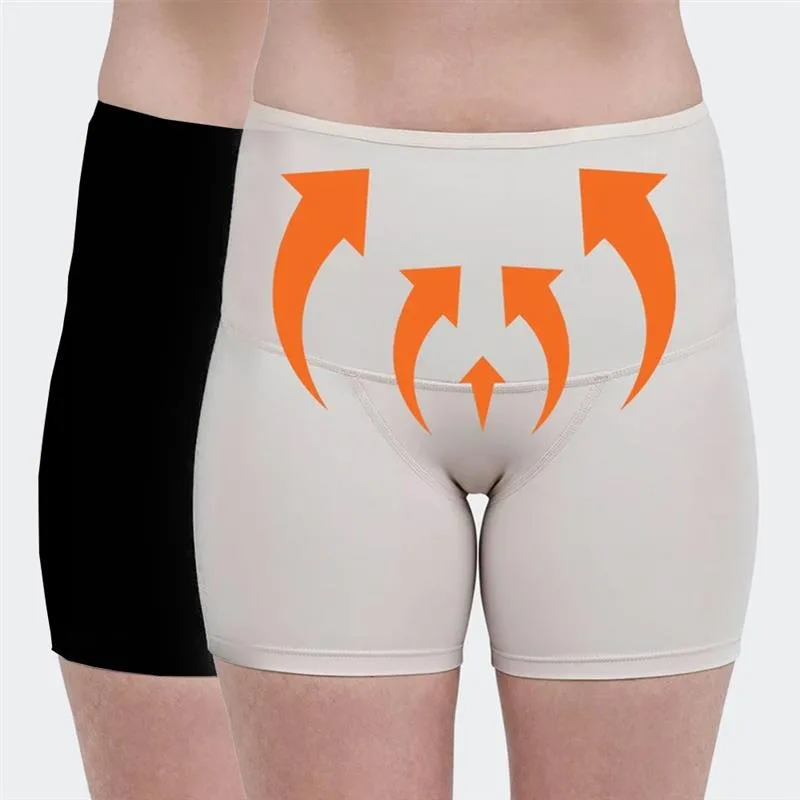
If your symptoms are mild and mainly happen during exercise, a support garment can be a simpler first option. Compression support shorts are designed to provide gentle, targeted support for mild pelvic organ prolapse, bladder prolapse, and stress urinary incontinence. They are not a replacement for a pessary or surgery, but they can help you stay active while you decide.
A support garment is also useful after childbirth or during a temporary flare-up. It does not need fitting by a clinician in the same way a pessary does, and it can be worn during sport. If you find it controls your symptoms well enough, you may not need a pessary at all. If it does not, that is useful information to take back to your clinician.
Decision rules: pessary, surgery, or support garment
- Choose a pessary first if: Your symptoms are mild to moderate, you want to avoid or delay surgery, you are willing to attend fitting and follow-up appointments, and you can manage cleaning or removal with guidance. A pessary is reversible, so it is often the best first trial.
- Discuss surgery if: Your prolapse or incontinence is severe, a properly fitted pessary has not controlled your symptoms, or you prefer a more permanent repair and accept the recovery and risks. Ask about surgical risks, recovery time, and recurrence rates before deciding.
- Try a support garment if: Your symptoms are mild and mainly triggered by exercise, you want something you can wear without a fitting appointment, or you need support while waiting for a specialist opinion. If it controls your symptoms, you may not need a pessary; if not, that is useful information for your clinician.
Products that may help you compare options
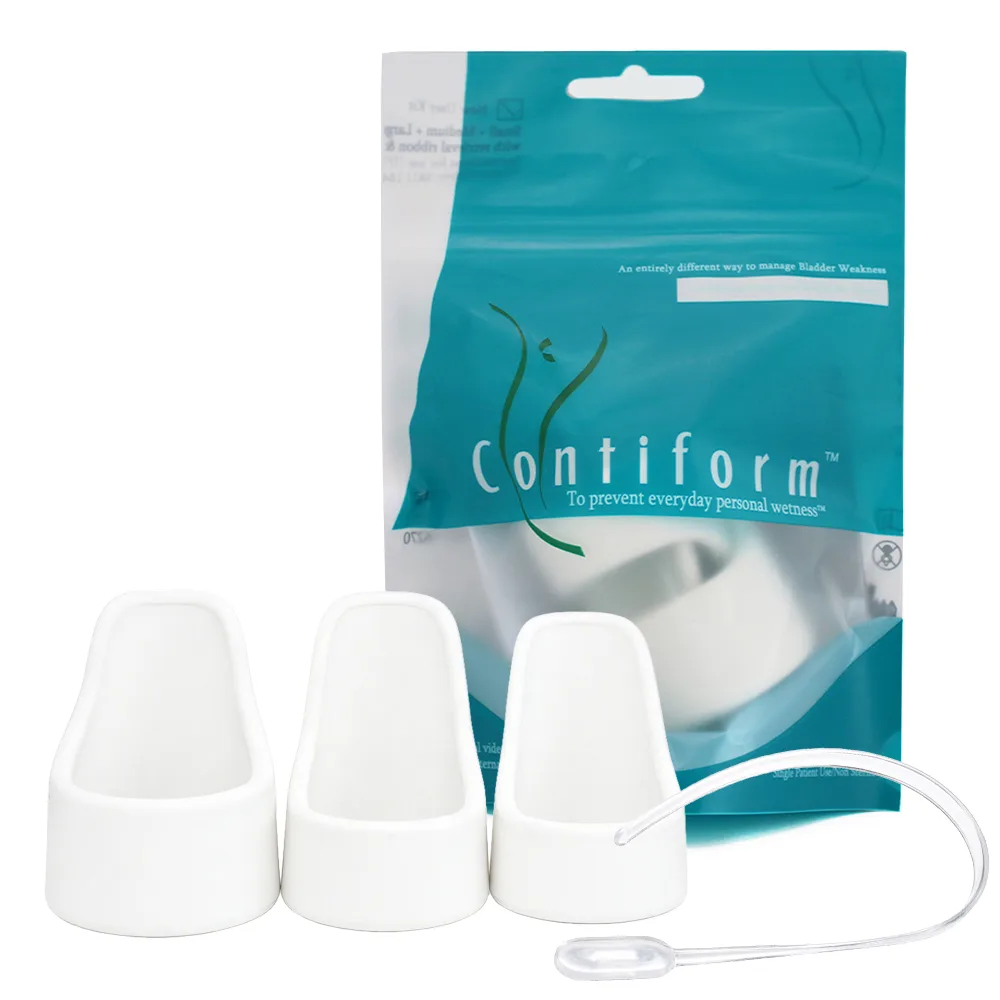
- Contiform Vaginal Pessary for Stress Incontinence: Contiform Vaginal Pessary for Stress Incontinence is designed to give immediate protection from stress incontinence leaks, so you can jog, lift weights, or get through the day without worrying about coughing, laughing, or sneezing at the wrong moment. This is a practical first option if you want to try a removable pessary before committing to surgery, but it still needs correct fitting and follow-up.
- SRC Health Restore Incontinence and Prolapse Compression Support Shorts: SRC Health Restore Incontinence and Prolapse Compression Support Shorts are clinically developed to provide gentle, targeted support for women managing mild pelvic organ prolapse, bladder prolapse (cystocele), and stress urinary incontinence. If your symptoms are mild or mainly exercise-related, this garment can be a lower-commitment alternative or a bridge while you decide on a pessary or surgery.
Fitting and sizing guidance
Best for
- Women with mild to moderate prolapse or stress incontinence who want a removable, non-surgical option
- Women who are willing to attend follow-up appointments and learn how to clean or remove the device
- Women who want to try a pessary before deciding on surgery
Not for
- Women with severe prolapse or symptoms that have not improved with a properly fitted pessary
- Women who cannot attend follow-up care or who are not comfortable with insertion and removal
- Women who want a permanent repair without ongoing maintenance