Quick answer
For most everyday baking, vanilla extract is the practical choice: it's easy to measure, dissolves quickly, and delivers consistent flavor. Use whole vanilla beans when you want visible specks, a more complex aroma, or a special dessert that deserves the extra cost and effort.
Vanilla is the quiet workhorse of baking, but the choice between whole beans and extract can feel confusing. Both come from the same orchid pods, yet they behave differently in the bowl. The right pick depends on your recipe, your budget, and how much vanilla presence you want.
This guide compares vanilla beans and extract across flavor, convenience, and cost, so you can decide with confidence. We'll also look at what makes Madagascar vanilla beans a favorite among pastry chefs and home bakers alike.
Flavor and Aroma: Beans vs Extract
Vanilla extract is made by steeping chopped beans in alcohol and water, which pulls out the flavor compounds. It's concentrated, consistent, and easy to pour. In baked goods where vanilla is a background note, extract performs beautifully.
Whole vanilla beans offer a more complex, nuanced aroma. When you split a pod and scrape the seeds, you get tiny black specks that carry intense flavor and a visual sign of quality. The pod itself can also be steeped in liquids like cream or milk to infuse deeper flavor.
Madagascar vanilla, like the Norohy beans used by Valrhona, is prized for its rich, sweet, and slightly fruity profile. This complexity shines in custards, ice cream, and desserts where vanilla is the star, not just a supporting note.
- Use extract for even distribution in batters and doughs.
- Reserve whole beans for recipes where vanilla is the main flavor or where specks add appeal.
Convenience and Cost: What to Expect
Vanilla extract is the more convenient option. It's shelf-stable, easy to measure by teaspoon, and ready to use straight from the bottle. This makes it ideal for everyday cookies, cakes, and quick breads.
Whole vanilla beans require a bit more work. You need to split the pod, scrape the seeds, and often heat the pod in liquid to release its full flavor. They also cost more per use, though the flavor payoff can be worth it for special recipes.
If you bake often and want to balance cost with quality, extract is the budget-friendly choice. But if you're making a dessert where you want to see and taste real vanilla, beans are worth the splurge.
- For frequent baking, extract offers the best value.
- For show-stopping desserts, beans add visual and aromatic impact.
How to Use Vanilla Beans in Recipes
Using a whole vanilla bean is straightforward. Split it lengthwise with a sharp knife, then scrape out the seeds with the back of the knife. Add the seeds to your wet ingredients, and drop the empty pod into your cream, milk, or syrup to infuse extra flavor.
You can also dry and reuse the spent pod by grinding it into vanilla sugar or steeping it in alcohol to make your own extract. This stretches the value of a premium bean.
For recipes that call for extract, you can substitute one bean for about one teaspoon of extract. Keep in mind that the flavor profile will be slightly different—more aromatic and less alcohol-forward—which is often a welcome change.
- Infuse the empty pod in liquids to extract every bit of flavor.
- Store unused beans in an airtight container to keep them moist.
The Trade-Off: Beans vs Extract
- Flavor intensity: Whole beans offer a more complex, aromatic flavor with visible specks. Extract is consistent but less nuanced. Choose beans when vanilla is the star; extract for background flavor.
- Cost per use: Beans are more expensive per use, but a single pod can flavor multiple batches if you reuse the spent pod. Budget-conscious bakers may prefer extract for everyday use.
- Convenience: Extract is ready to pour and measure. Beans require splitting, scraping, and often infusion. Time-pressed bakers should stick with extract for quick recipes.
Products to Consider
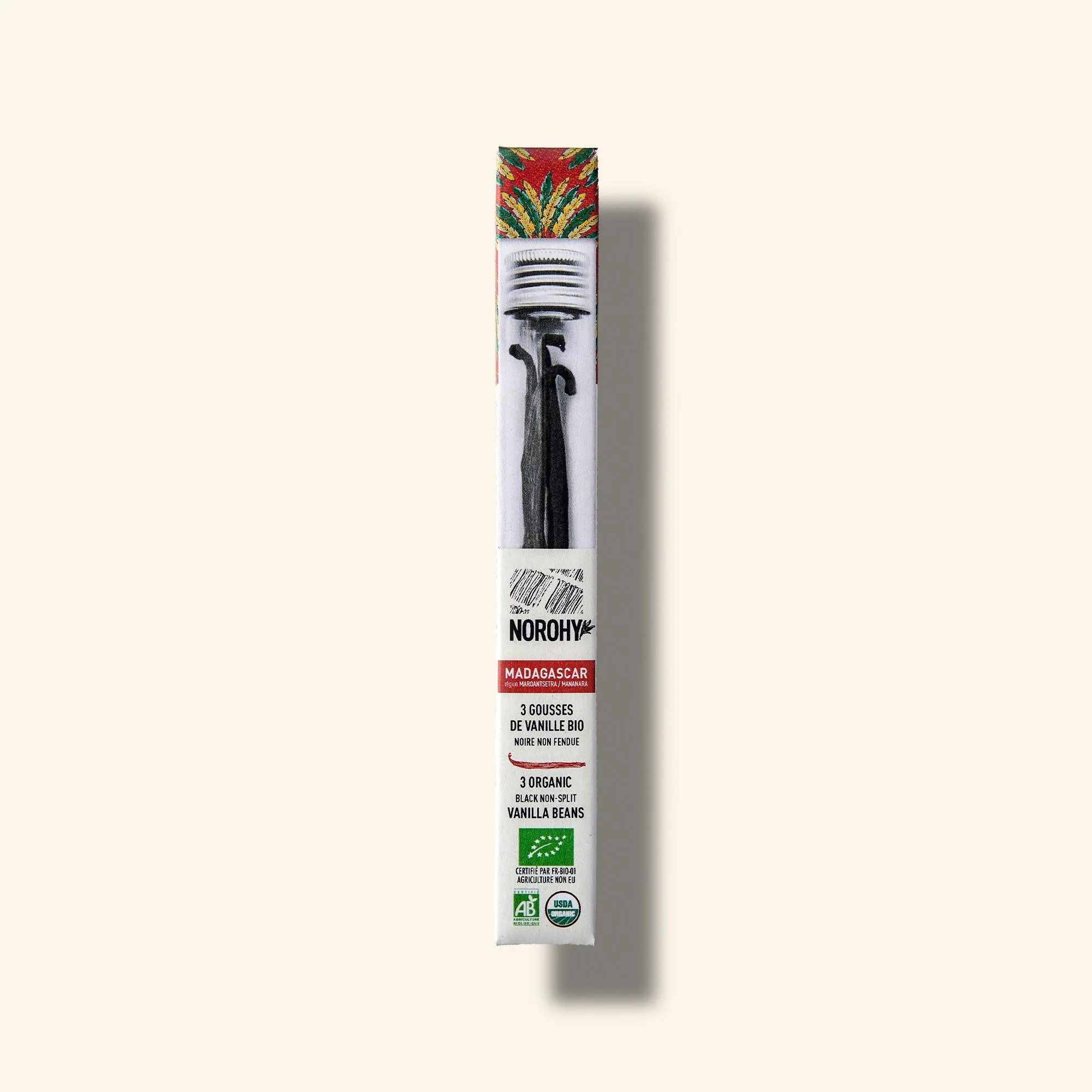
- Organic Madagascar Vanilla Beans - Tube of 3: Organic Vanilla Pods from Madagascar Tube of 3. Intended for vanilla lovers looking for quality and reliability, Norohy vanilla presents the qualities sought by the greatest chefs: the best gourmet vanilla with a complex and intense aromatic profile. Partner of the Valrhona brand and also committed to an exceptional product, Norohy aims to support chefs by offering a high-quality product: a black vanilla, not split. These beans deliver the complex, intense aroma that makes whole vanilla worth the effort. The tube of three is ideal for testing or for a few special recipes.
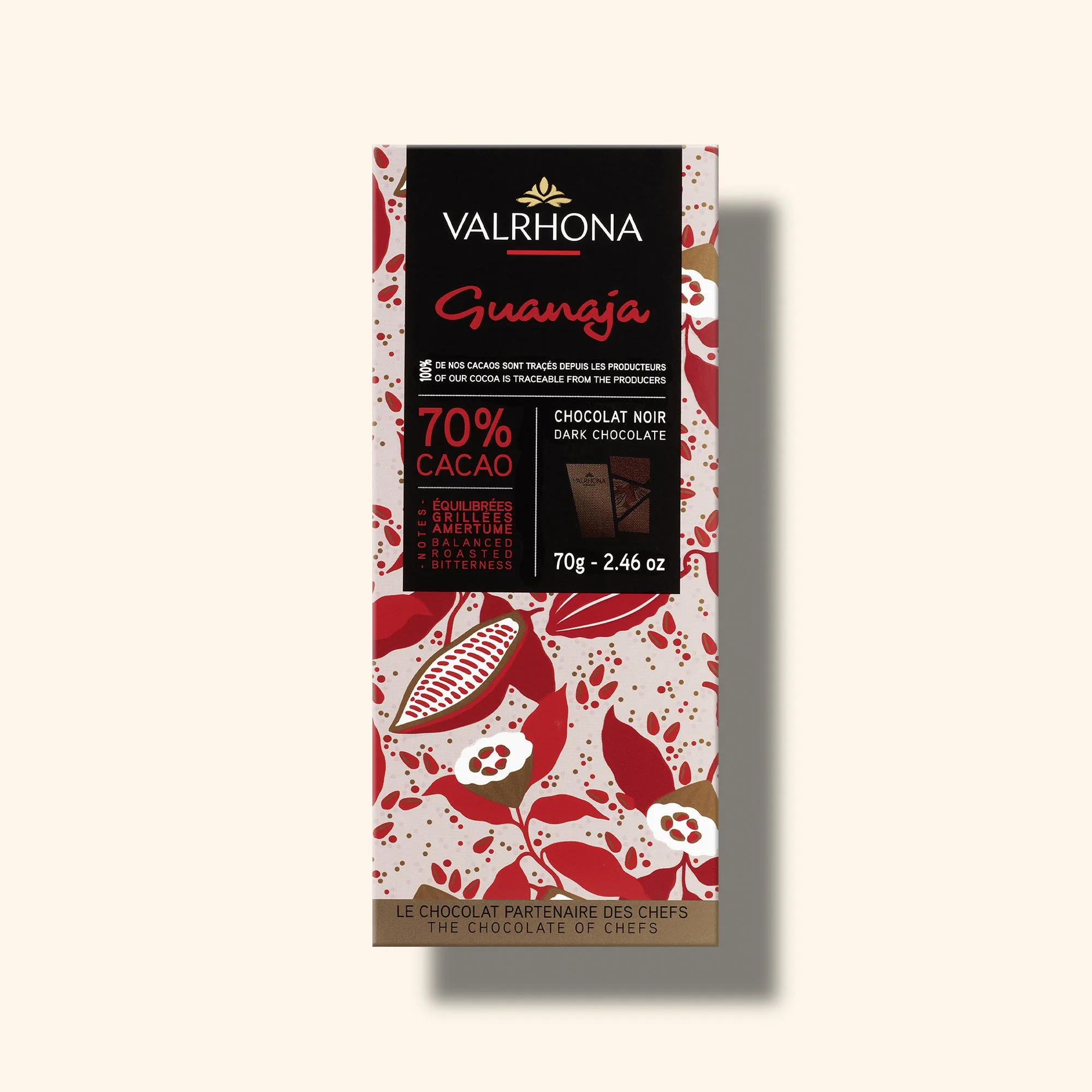
- Dark Chocolate Bar Guanaja 70% - 2.46oz: Dark Chocolate Bar Guanaja 70% - 2.46oz. Discover the iconic Guanaja 70% dark chocolate bar created by Valrhona. The world's first bitterest chocolate, Guanaja has become the flagship of Valrhona's dark chocolates. In 1986, Valrhona created the world's most bitter chocolate with 70% cocoa. Pairing vanilla with high-quality dark chocolate like Guanaja enhances both flavors. The bittersweet profile of Guanaja balances the sweet, floral notes of vanilla in desserts.
Which Should You Choose?
Best for
- Everyday cookies, cakes, and quick breads where vanilla is a background note
- Bakers who want consistent results without extra prep time
Not for
- Show-stopping desserts like crème brûlée or vanilla ice cream where vanilla is the main flavor and specks are desired
Both vanilla beans and extract have a place in your kitchen. For everyday baking, extract is the practical, affordable choice. When you want to elevate a special dessert or showcase vanilla's complexity, whole beans—especially Madagascar varieties—are worth the extra effort. Keep both on hand and you'll be ready for any recipe.