Quick answer
Choose Vanilla Black if you want a soft, aromatic cup that leans dessert-like and gentle. Choose Almond Black if you want a nutty flavor backed by a robust black tea finish that stands up to milk and mornings. Both are flavored black teas, so the real decision is whether you want vanilla's delicate spice or almond's toasted nuttiness.
Flavor profile: delicate vanilla vs. nutty almond
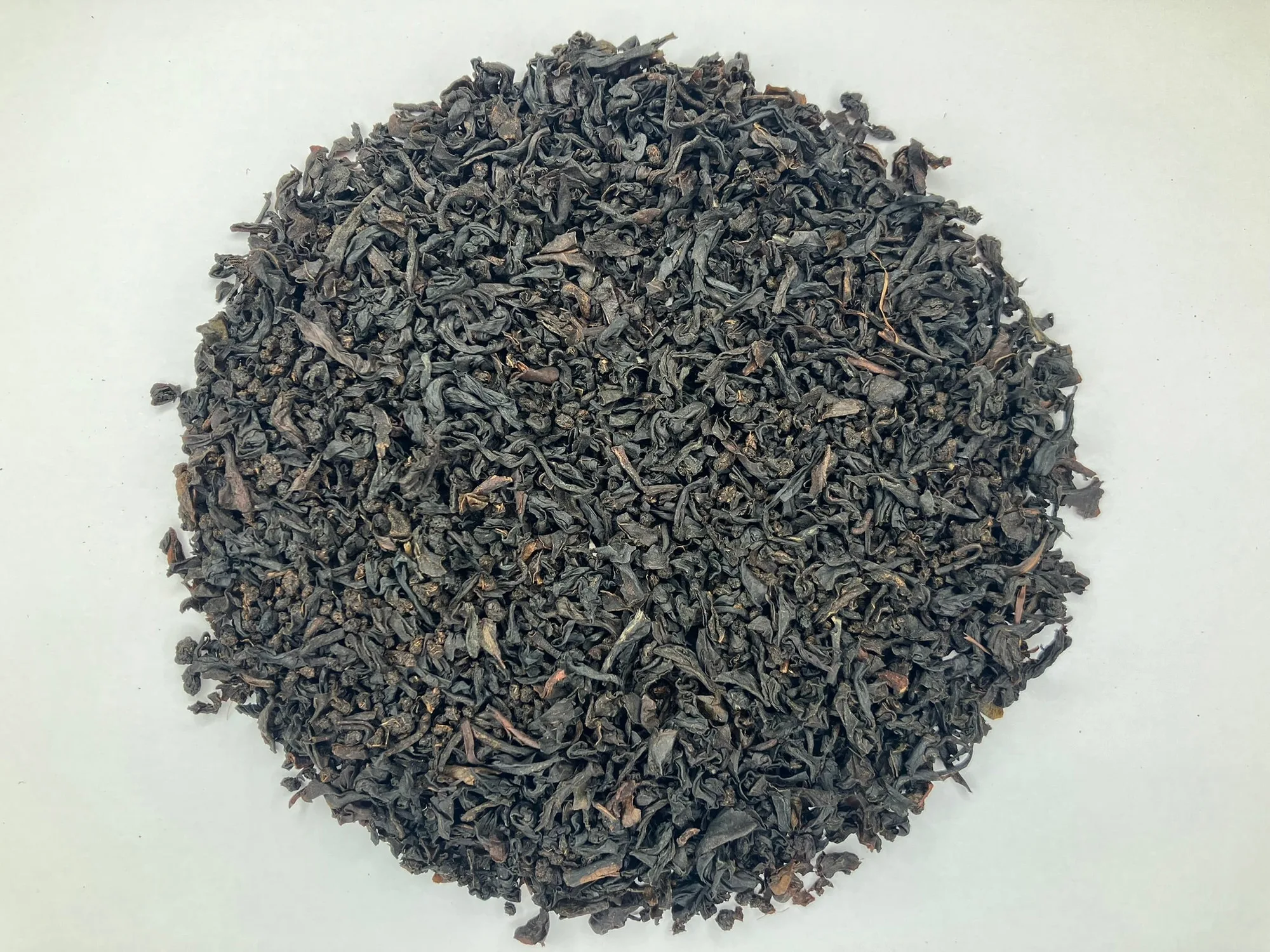
Vanilla Black is built around the fragrance of vanilla, which the catalog describes as pure, spicy, and delicate. That means the cup leads with aroma and a soft, almost dessert-like sweetness rather than a heavy flavor punch. If you like the idea of vanilla in baked goods and want that same scent in tea, this is the closer match.
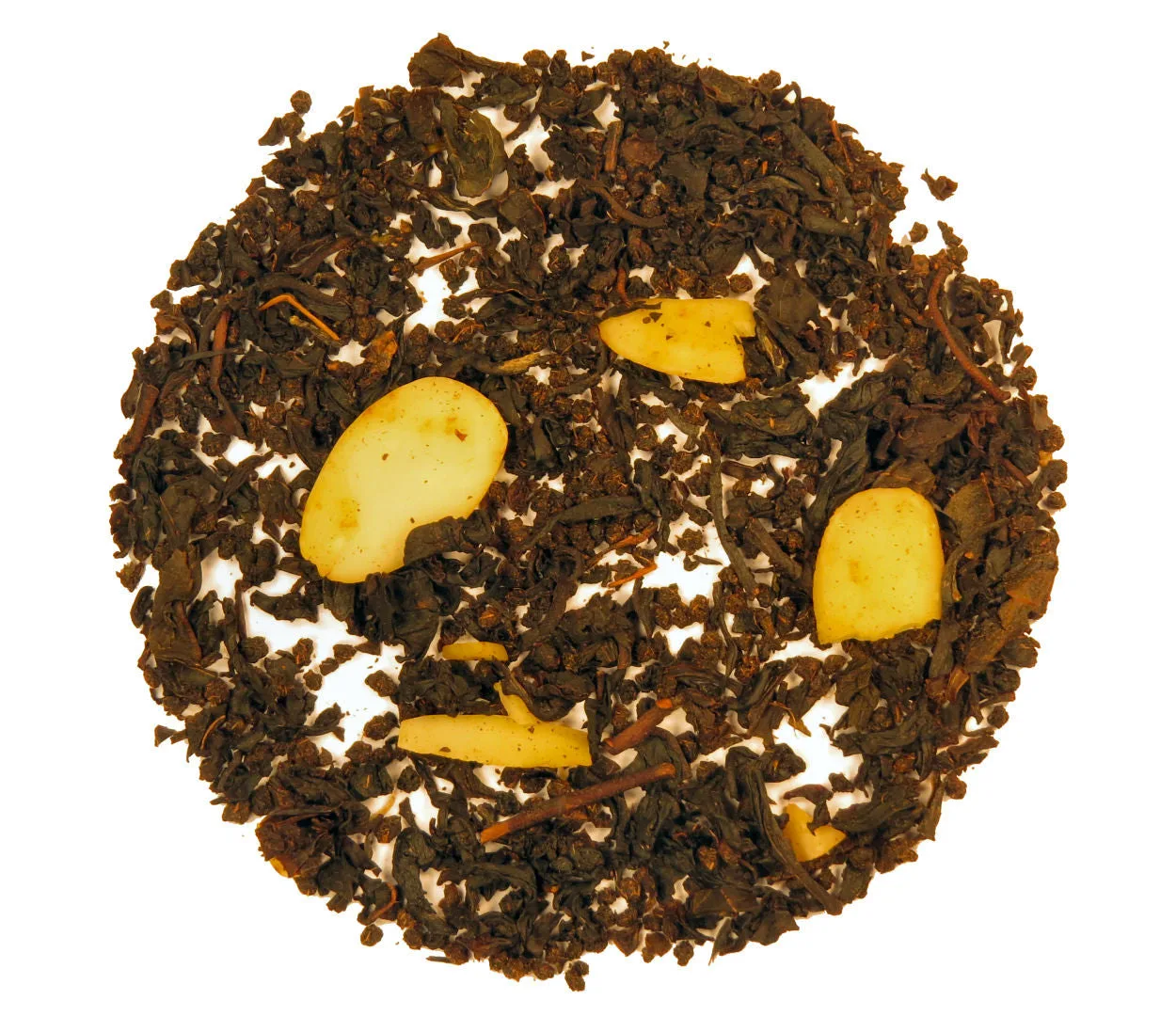
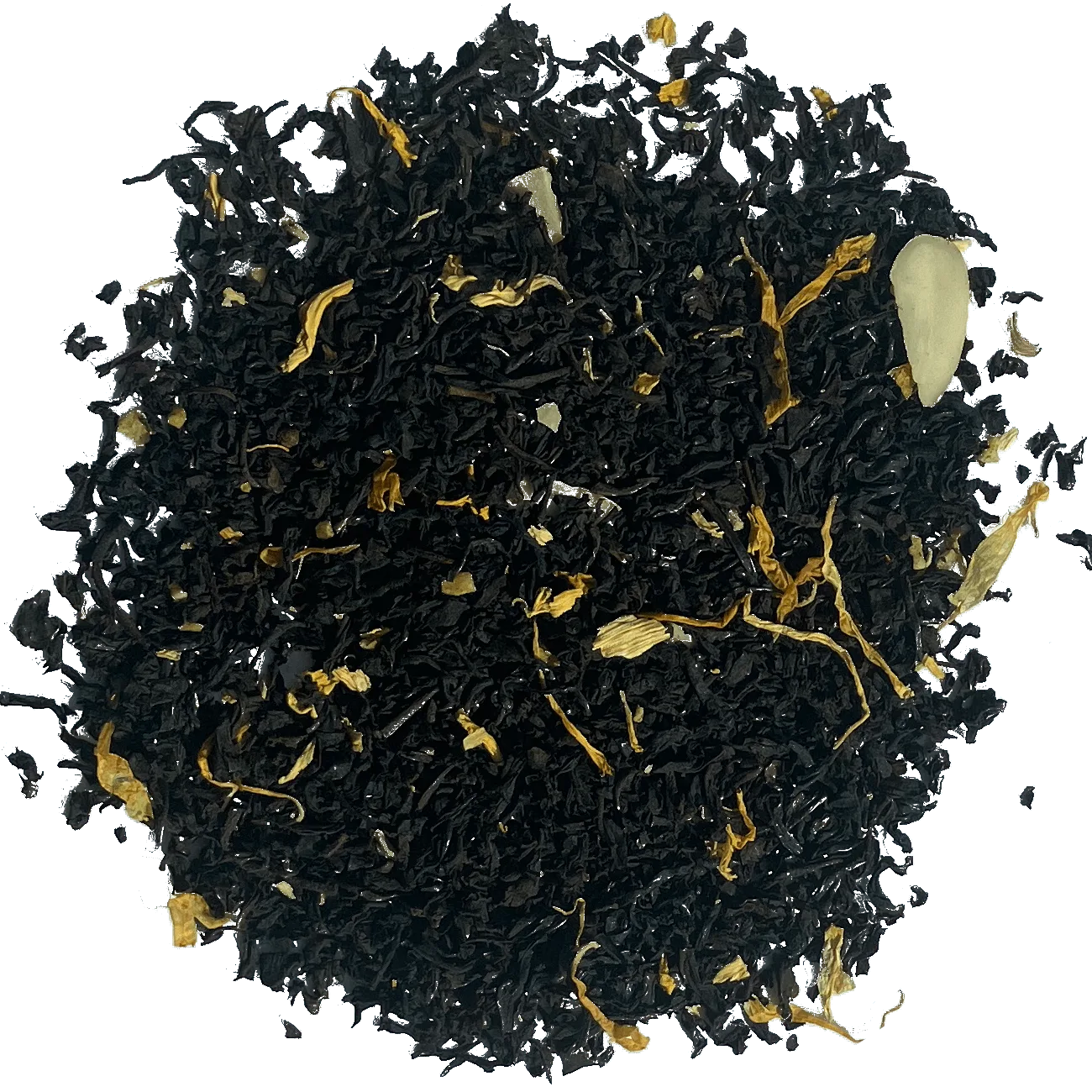
Almond Black goes in the opposite direction. The catalog calls it a delectable nutty flavor with a robust black tea aftertaste. The almond note is present, but the black tea base stays noticeable, so the finish is stronger and less sweet. It is a good fit if you find very soft flavored teas a little flat.
Caffeine and when to drink each
Both teas are flavored black teas, but the catalog only lists caffeine content for some products. Vanilla Black and Almond Black do not have a stated milligram range in the supplied facts, so treat them as standard black tea unless you confirm otherwise. If you are sensitive to caffeine, that uncertainty matters: you may want to brew a shorter cup or save these for earlier in the day.
For a morning wake-up, Almond Black's robust aftertaste holds up well to a brisk start. Vanilla Black is easier to sip slowly in the afternoon or after a meal because its flavor is softer and more aromatic. Neither is a caffeine-free option, so if you need an evening cup without caffeine, look for a dedicated herbal or decaf tea instead.
Brewing and add-ins
Because Almond Black has a robust black tea aftertaste, it can take a splash of milk without losing its nutty character. Vanilla Black is more delicate, so milk or a lot of sugar can bury the vanilla. Try Vanilla Black plain first, then add sweetener only if you want it closer to a dessert.
Both are sold by size, so you can start with a smaller amount if you are unsure. If you already know you like a stronger cup, Almond Black is the safer first bag. If you want a tea that smells as good as it tastes, Vanilla Black is the better starting point.
Where these fit next to other dessert teas
If you are comparing these to a coconut-almond dessert tea like Snowflake, note that Snowflake has a black tea base and contains coconut flakes, almond, and vanilla, with 35–40 mg of caffeine per 8 oz cup. That makes Snowflake a richer, more layered dessert option, while Vanilla Black and Almond Black each focus on one main flavor note.
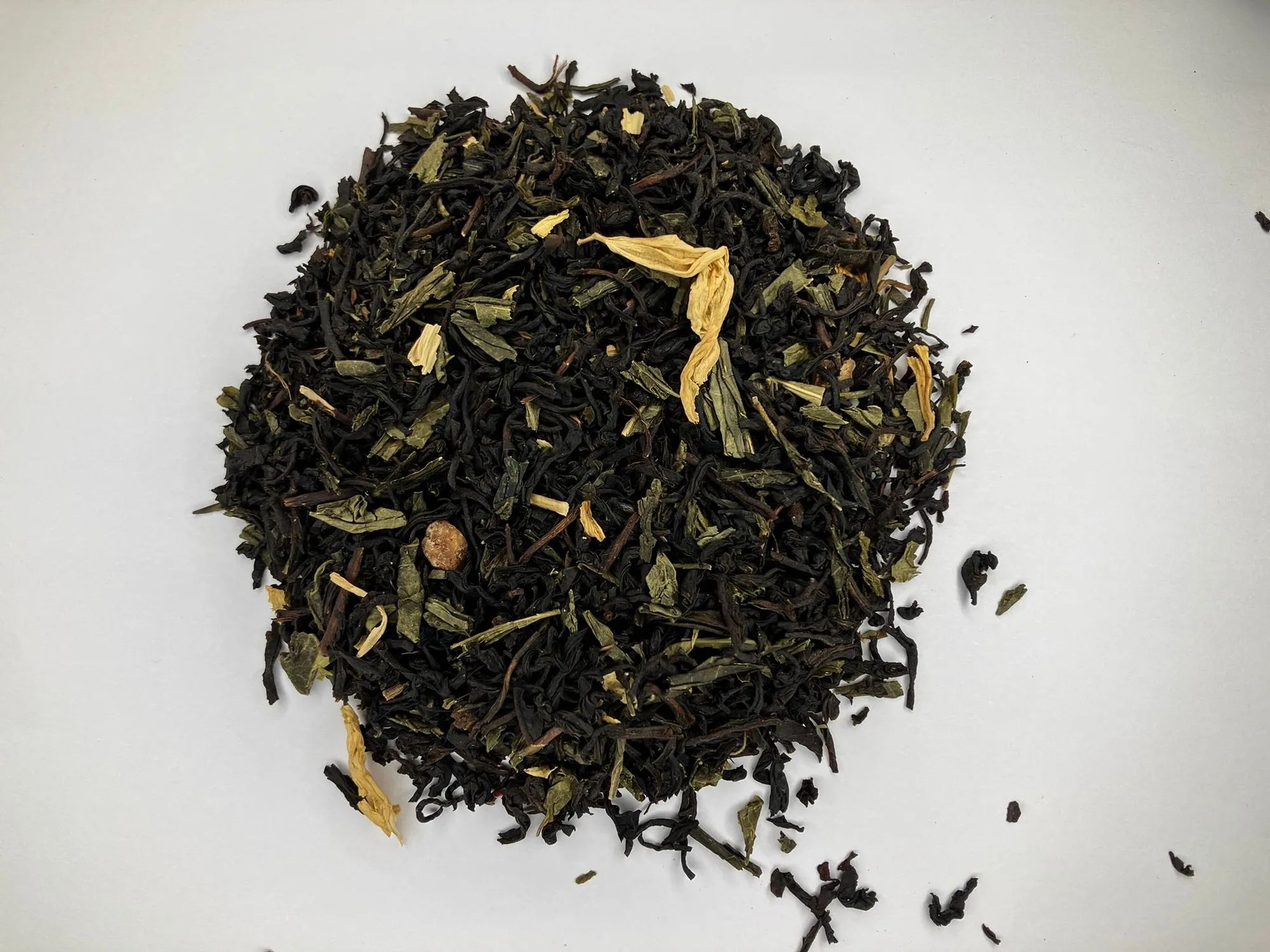
If you want fruit instead of dessert, Midsummer Night's Dream blends green and black tea with pineapple, strawberry, and papaya bits and lists 30–40 mg per 8 oz cup. It is a different direction entirely, but useful if you are deciding between nutty, vanilla, or fruity flavored teas.
Trade-offs to weigh before you buy
- Flavor intensity: Vanilla Black is delicate and aroma-forward; Almond Black is nutty with a robust black tea finish. Pick vanilla for softness, almond for a stronger cup.
- Milk and sweetener: Almond Black can stand up to milk; Vanilla Black's vanilla can get lost if you add too much. If you always take milk, start with Almond Black.
- Caffeine clarity: The catalog does not list caffeine milligrams for Vanilla Black or Almond Black, unlike Snowflake and Midsummer Night's Dream. If caffeine amount matters, ask before buying or choose a tea with a listed range.
Product facts at a glance
- Vanilla Black: Vanilla Black is described as having a pure, spicy, and delicate vanilla flavoring. Best if you want an aromatic, dessert-leaning cup that is gentle rather than bold.
- Almond Black: Almond Black is described as a delectable nutty flavor with a robust black tea aftertaste. Best if you want a nutty tea that still tastes like a strong black tea and can handle milk.
- Snowflake: Snowflake is a dessert tea with coconut flakes, almond, vanilla, and black tea, and lists 35–40 mg caffeine per 8 oz cup. A useful reference point if you want a layered dessert tea rather than a single-note vanilla or almond cup.
- Midsummer Night's Dream: Midsummer Night's Dream blends green and black tea with pineapple, strawberry, and papaya bits, and lists 30–40 mg caffeine per 8 oz cup. A fruit-forward alternative if neither vanilla nor almond sounds right.
Which one should you choose?
Best for
- Drinkers who want a soft, aromatic vanilla tea for afternoon sipping
- Anyone who prefers a nutty, robust black tea that can take milk
- Gift buyers choosing between two classic dessert tea flavors
Not for
- People who need a caffeine-free evening tea
- Shoppers who want a fruit-forward or green tea blend
- Anyone who needs a listed caffeine range before purchasing