Quick answer
If you want a dairy-free, plant-based protein source with no added sugar, a vegan protein bar like Barebells Vegan Protein Bar – Fudge Brownie is a smart choice. Regular whey bars offer a different amino profile and may suit those who tolerate dairy well.
Protein source and digestibility
Vegan protein bars use plant proteins such as pea, rice, or soy. These are generally easier on the stomach for people with lactose intolerance or dairy sensitivity. Regular bars typically rely on whey or casein from milk, which can cause bloating in some individuals.
Whey protein is a complete protein with a fast absorption rate, making it popular post-workout. Plant proteins can also be complete when blended, but their digestion may be slightly slower. This difference matters if you prioritize rapid muscle repair versus sustained satiety.
Nutritional profile and added sugar
Many vegan protein bars are formulated without added sugars, using natural sweeteners or sugar alcohols. For example, Barebells Vegan Protein Bar – Fudge Brownie delivers 15g of protein with no added sugar, making it a clean option for those monitoring sugar intake.
Regular protein bars vary widely. Some contain added sugars or syrups to improve taste and texture. Always check the label if sugar content is a concern. The trade-off is that vegan bars may have a slightly different mouthfeel or sweetness profile compared to whey-based bars.
Taste and texture expectations
Vegan protein bars have improved dramatically in taste, but they can still differ from whey bars. Plant proteins can lend a denser, sometimes grainier texture. Brands like Barebells have refined their recipes to create a fudgy, chocolatey experience that mimics brownie batter.
Regular whey bars often have a creamier, milkier flavor that many people enjoy. If you are transitioning from whey to vegan, you might notice a difference in richness. Trying a few brands can help you find a vegan bar that satisfies your palate.
Trade-offs at a glance
- Protein source: Vegan bars use plant proteins (pea, rice, soy) – complete when blended, slower digestion. Regular bars use whey/casein – fast absorption, complete but dairy-based. Choose vegan if you avoid dairy or want a slower protein release. Choose whey for rapid post-workout recovery.
- Digestive comfort: Vegan bars are naturally lactose-free and often easier on sensitive stomachs. Whey bars can cause bloating or discomfort for those with lactose intolerance. If you have digestive issues, a vegan bar is the safer bet.
- Sugar content: Many vegan bars, including Barebells Vegan Protein Bar – Fudge Brownie, contain no added sugar. Regular bars may include added sugars or syrups for taste. For a low-sugar option, check labels; vegan bars often lead in this area.
- Taste and texture: Vegan bars can be fudgy or dense; whey bars are often creamier. Brand innovation has narrowed the gap, but personal preference plays a big role. Taste test a few brands to find your favorite texture and flavor.
Product spotlight
-
Vegan Protein Bar – Fudge Brownie: Fudgy, chocolatey, and packed with plant-based power—this brownie-inspired bar delivers 15g of protein and no added sugar. You get a satisfying dessert-like treat that supports your protein intake without spiking your blood sugar, ideal for a clean diet.
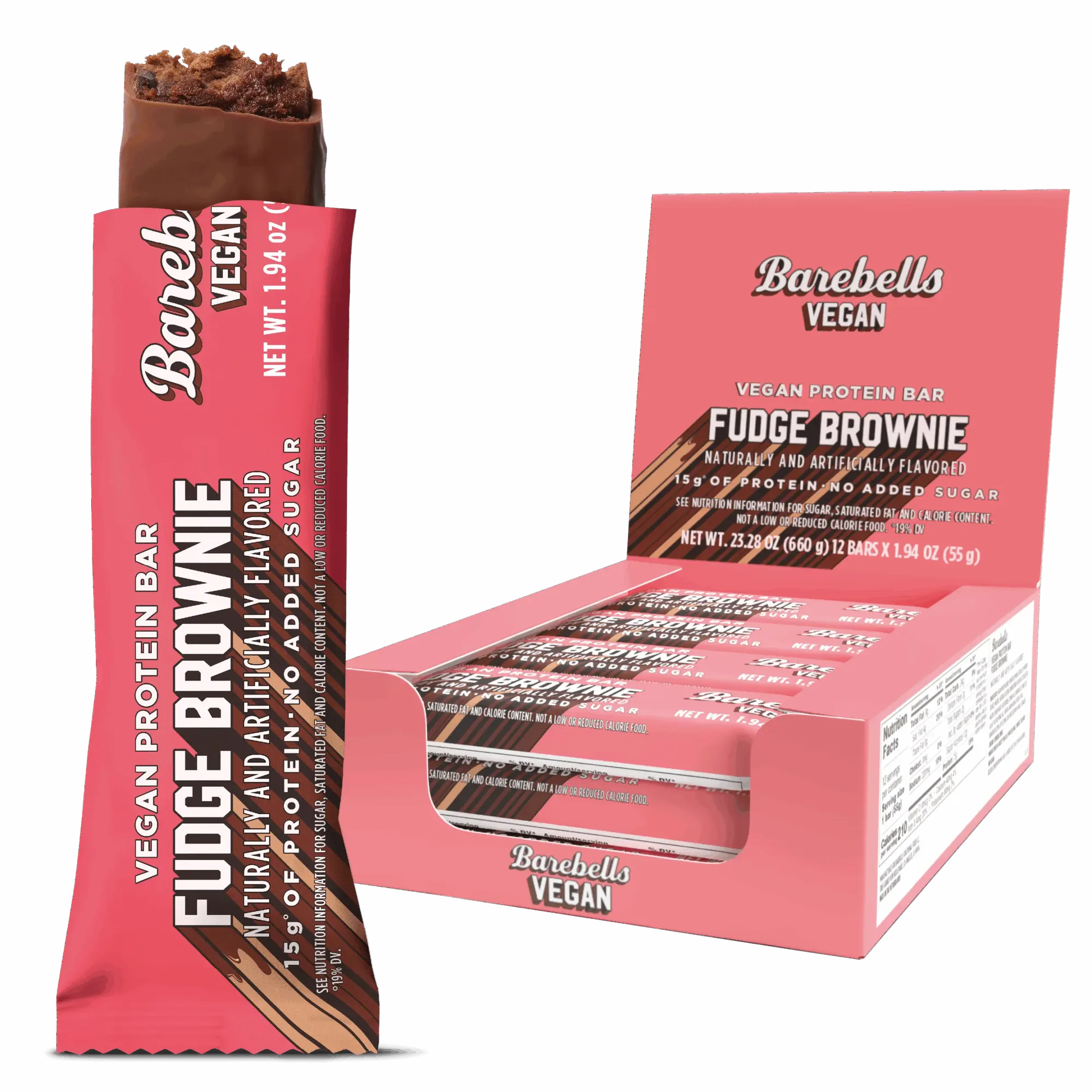
Vegan Protein Bar – Fudge Brownie
Which should you choose?
Best for
- Vegan or plant-based dieters who want a dairy-free protein source
- People with lactose intolerance or sensitive digestion
- Anyone seeking a protein bar with no added sugar
Not for
- Athletes who specifically want the rapid absorption of whey protein post-workout
- Those who prefer the creamy, milky taste of whey-based bars