Quick answer
For protecting delicate, high-polish pieces from scratches, velvet-lined boxes are the safer choice because the soft pile cushions metal and stones. Leatherette earns its place on the outside, where it resists scuffs and wipes clean, and it works well as a wipe-clean outer wrap over a velvet insert. If you want one box to do both jobs, choose a leatherette exterior with a velvet or satin-lined interior rather than an all-fabric box.
What each material actually does
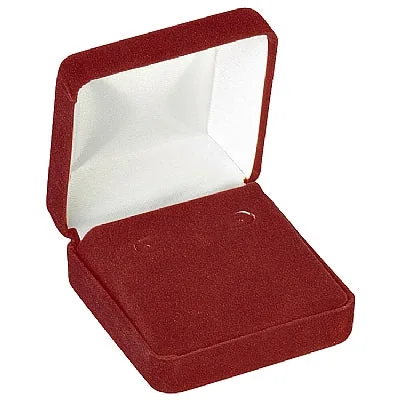
Velvet is a tufted pile fabric. That raised surface is what absorbs contact: a ring or bangle settles into the fibres instead of sliding across a hard face, which reduces the fine surface scratches that show up on polished gold and silver. The trade-off is that velvet holds dust and lint, and it can be harder to spot-clean than a smooth surface.
Leatherette is a coated material that mimics leather. It gives a firm, structured shell, resists everyday scuffing, and can be wiped over with a soft damp cloth. Its weakness is abrasion against the jewellery itself: if a piece sits directly on a hard leatherette surface, it can move and mark. That is why the best protective jewellery box usually pairs a leatherette shell with a soft insert.
How to judge the insert, not just the exterior
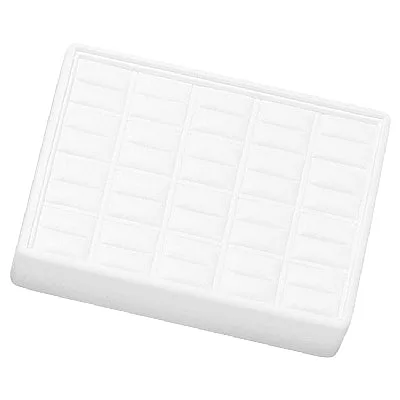
The insert is where protection is won or lost. Look for a lining that matches the shape of the piece, so the item cannot slide. A ring slot, a pendant cut-out, or a shaped earring recess holds jewellery still during transit, while a flat pad lets it shift. Check the lid too: a satin or velvet inner lid cushions the top of the piece and stops it rubbing against the closure.
Colour matters for resale and gifting. A pale insert shows tarnish and dust quickly; a dark insert hides handling marks but can make dark stones harder to see. For retail counters, a mid-tone insert under good lighting usually reads as the most premium option.
Tarnish, humidity and storage
Neither velvet nor leatherette is a barrier against humidity on its own. Silver and copper alloys tarnish faster in damp air, so the box matters less than where it is stored. Keep boxes in a dry drawer or cabinet, avoid bathrooms and kitchens, and use anti-tarnish strips or a sealed outer bag for long-term storage. If you are packing for shipping, a snug insert plus a sealed outer packer does more for the piece than the lining choice alone.
Cost and presentation trade-offs
Velour and velvet boxes tend to be the lower-cost option at entry level, which makes them practical for volume gifting and retail packaging. Leatherette boxes with gold accents and matching packers sit higher in price but present a more structured, branded look on a counter or in an unboxing photo. Decide which matters more for the piece: a protective jewellery box for daily storage, or a presentation box that carries the brand.
One practical compromise is to standardise on a soft-lined box for the jewellery itself and use branded outer packaging for the retail experience. That keeps the protection where it counts and puts the branding on the part customers see first.
Trade-offs at a glance
- Velvet and velour inserts: Soft pile cushions polished metal and stones, reducing fine scratches, but it traps dust and lint and needs gentle cleaning. Choose velvet when the jewellery is delicate, high-polish or likely to be handled often.
- Leatherette exteriors: A coated shell resists scuffs and wipes clean, but a hard surface in direct contact with jewellery can cause marking. Choose leatherette for the outside, and pair it with a soft insert inside.
- Structured presentation: Leatherette boxes with gold accents and matching packers cost more but look more branded on a counter or in photos. Choose this for retail displays and gifting where the unboxing matters.
Products that show the difference
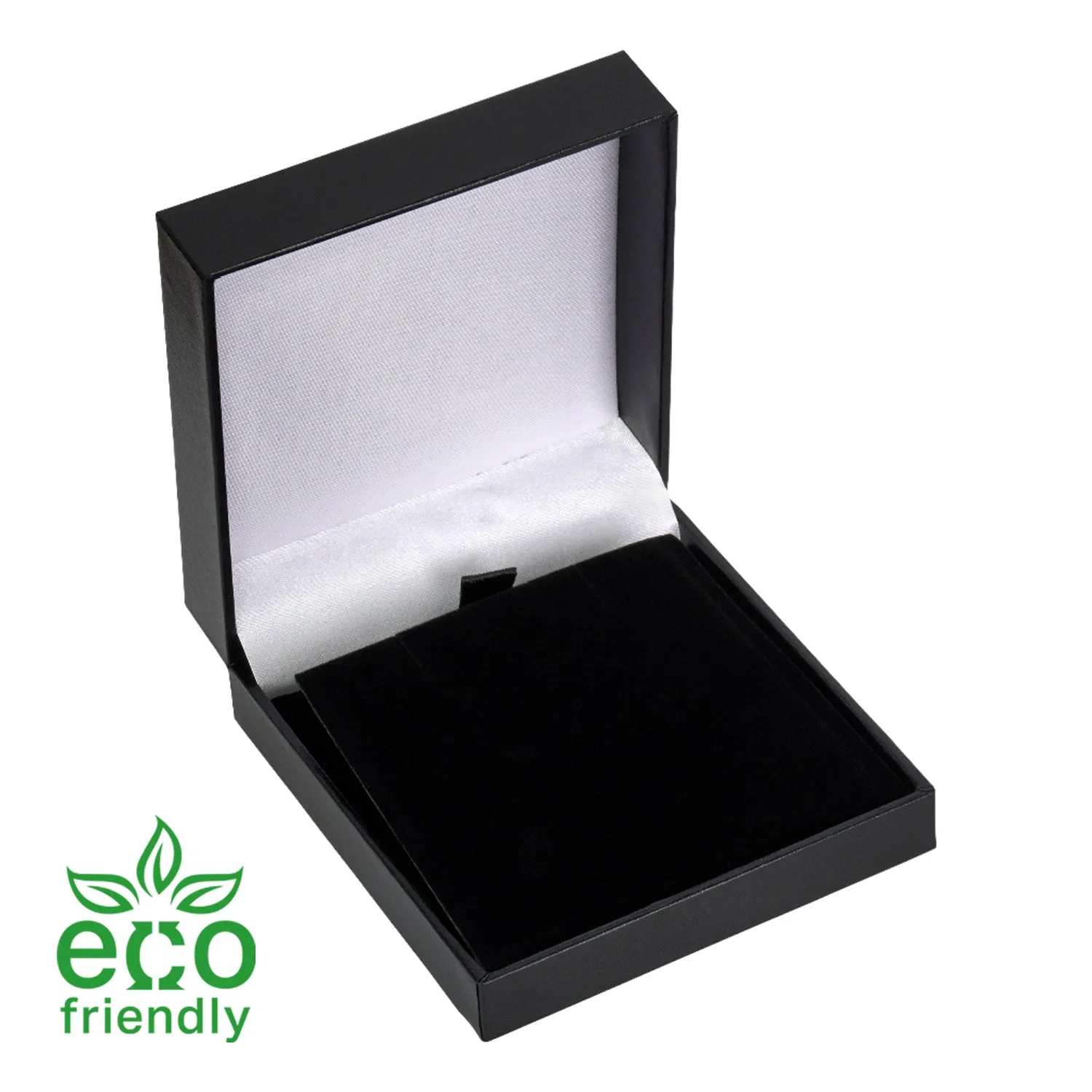
- Eco-Friendly Luxury Paper Universal Box with Velvet Insert: The London collection box is crafted from recycled plastic with leatherette paper exterior, velvet interior and a satin-lined lid. This is the hybrid approach: a wipe-clean leatherette shell with a soft velvet and satin interior, so you get scuff resistance outside and scratch protection inside.
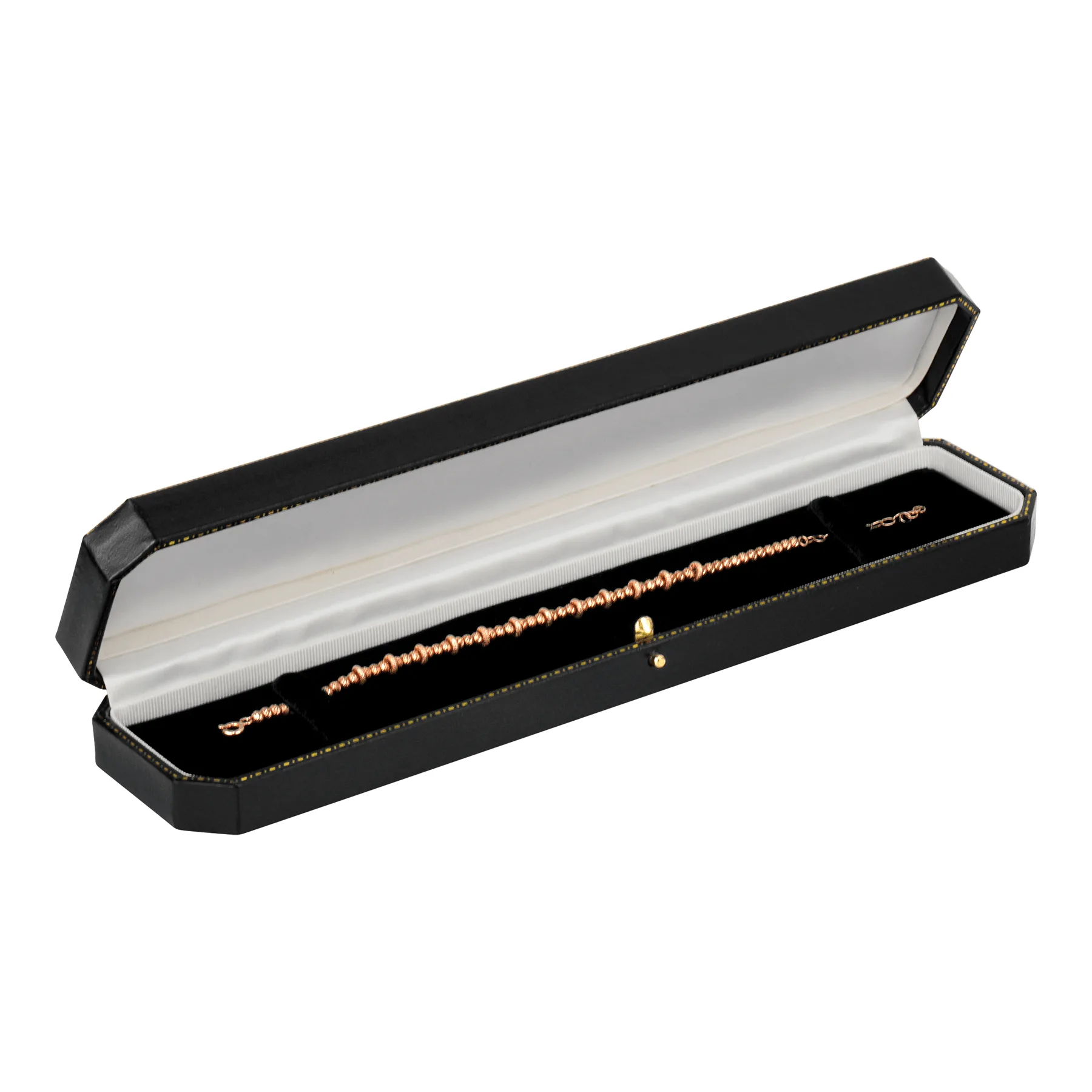
- Leatherette Bracelet Box with Gold Accent and Matching Insert: The Osaka collection bracelet box has a leatherette exterior, velvet interior with a satin window, gold push-button closure, gold tooling accents and a matching two-piece packer. The shaped velvet interior and satin window hold a bracelet in place, while the packer protects the box itself in transit and storage.
- Velour Hoop Earring Box with White Sleeve: The New York collection velour hoop earring box has curved corners, matching velour inserts and a white satin-wrapped inner lid, with the exterior made from velour metal. A soft velour insert and satin lid cushion hoop earrings on both sides, which is the configuration that best limits movement and surface marks.
Which should you choose?
Best for
- Retailers packing delicate rings, pendants and earrings where scratch protection is the priority
- Gift packaging where a soft interior and satin lid give a premium feel at a lower unit cost
- Pieces stored long term in a drawer or cabinet where the insert must hold the item still
Not for
- High-volume shipping where the outer packer must survive rough handling on its own
- Brands that need a structured, wipe-clean counter box with visible gold detailing
- Buyers who want a single material to handle both presentation and protection without an insert