Quick Answer
Choose velveteen for structured projects that need a short, dense nap and a stable hand—think quilted jackets, bags, or light upholstery. Choose cotton velvet when you want a deeper pile, richer drape, and a more fluid garment like a dress or skirt. If you're sewing with kids or new to nap fabrics, start with velveteen because it's easier to cut and press.
What Actually Separates Velveteen from Cotton Velvet
Both fabrics share a woven cotton base and a raised surface, but the pile height and density differ. Velveteen has a shorter, tighter nap and a firmer hand, so it holds shape well and resists crushing better than cotton velvet. Cotton velvet has a longer, looser pile that gives it a deeper sheen and more fluid drape.
That difference shows up in how each fabric behaves at the machine. Velveteen feeds more evenly because the nap is dense and low, while cotton velvet can shift and creep under the presser foot. If you've sewn with quilting cotton before, velveteen will feel like a natural next step; cotton velvet demands more pinning, a walking foot, and patience.
Nap Direction and Cutting: The Step That Decides Your Result
Nap is the direction the pile leans. Cut all pattern pieces in the same direction or the light will hit each piece differently and your finished project will look like it was made from two different fabrics. With velveteen, the nap is short enough that a single-layer layout on a large table works well. With cotton velvet, the pile is deeper, so cut in a single layer and mark the nap direction on every piece with chalk before you move anything.
For both fabrics, lay pieces with the nap running up for richer color or down for a smoother, more durable wear surface. Pick one direction and stay consistent—mixing directions is the most common reason a velvet project looks uneven.
Sewing, Pressing, and Seam Bulk
Use a walking foot or a roller foot on both fabrics, but expect different results. Velveteen's shorter nap lets you use a standard presser foot with light pressure on straight seams. Cotton velvet needs the walking foot almost everywhere because the longer pile grabs the feed dogs and causes uneven stitches.
Pressing is where velveteen wins for beginners. Set the iron to a low steam setting and press from the back on a towel or needle board. Velveteen tolerates this well; cotton velvet can crush permanently if you press directly on the pile. For either, trim seam allowances and grade them to reduce bulk, then finish raw edges with a serger or zigzag stitch before the fabric sheds.
Durability, Care, and How Each Fabric Ages
Velveteen's dense, short pile resists abrasion better than cotton velvet's longer pile, which is why velveteen is the more practical choice for upholstery, cushions, and bags that see daily handling. Cotton velvet is more prone to matting and pile loss in high-contact areas, but it drapes and reflects light in a way velveteen can't match.
Care instructions for both are similar: machine wash cold on a delicate cycle and tumble dry low. Check the specific listing for shrinkage details—some cotton fabrics shrink 3-5% after the first wash. Pre-wash before cutting if the finished project needs to fit precisely, and avoid bleach on either fabric.
Trade-Offs at a Glance
- Nap height: Velveteen has a short, dense nap; cotton velvet has a longer, looser pile. Shorter nap means easier cutting and less shifting at the machine. Choose velveteen if you want predictable results; choose cotton velvet if you want depth and sheen.
- Drape and structure: Velveteen holds shape and resists crushing; cotton velvet drapes fluidly and reflects more light. That makes velveteen better for bags and upholstery, and cotton velvet better for dresses and skirts. Match the fabric's hand to the silhouette you want, not the other way around.
- Pressing and care: Velveteen tolerates low-steam pressing from the back; cotton velvet can crush permanently if pressed on the pile. Both wash cold and dry low, but cotton velvet needs more careful handling over time. If you want low-maintenance finishing, velveteen is the safer pick.
Fabric Options to Consider
- Lush Velveteen Cadet from Robert Kaufman: 100% cotton, 42 inches wide, 6.78 oz. per square yard The heavier weight and plush hand make this a strong candidate for structured projects like quilted jackets, bags, or light upholstery where velveteen's short nap holds shape.
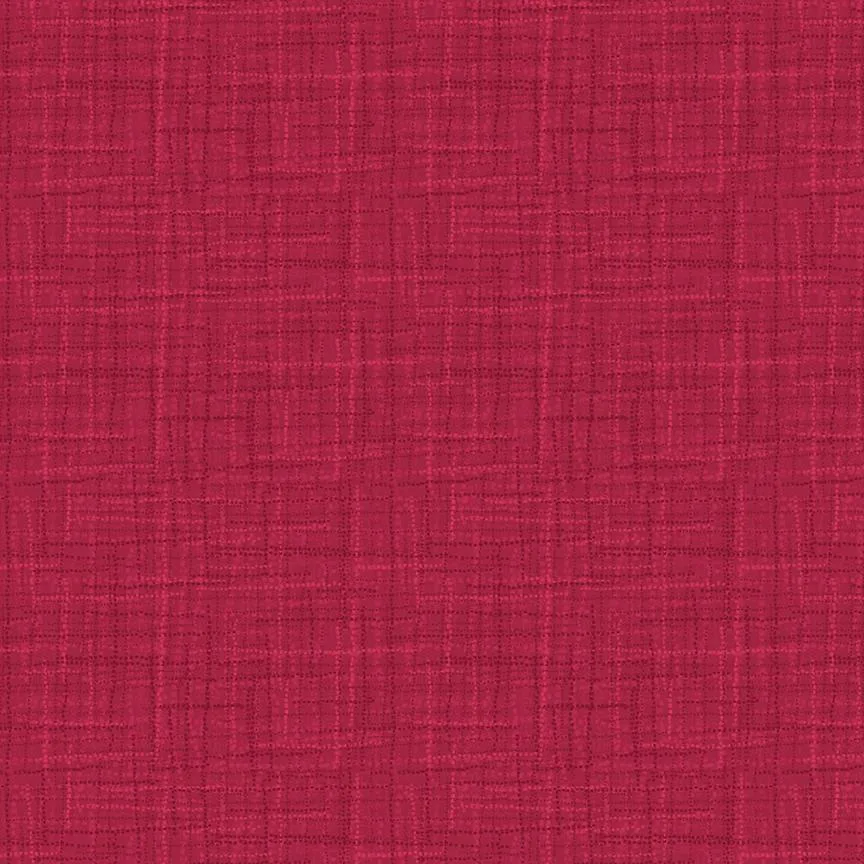
- Grasscloth Cottons Wine by Heather Peterson for Riley Blake Designs: 100% cotton, 43/44 inches wide, machine wash cold and tumble dry A mid-weight cotton with a woven-look finish that works for quilting, apparel, and home decor, giving you a lower-commitment way to test a nap-style fabric before moving to velvet.
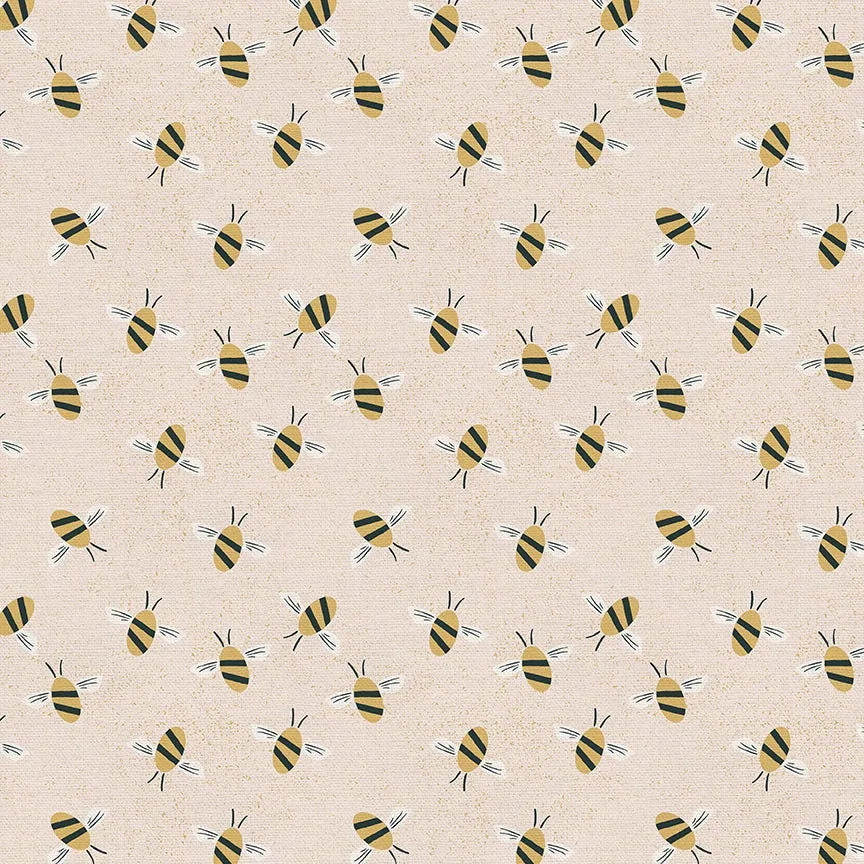
- Bees Cream from Sweet Little Friends by Gabriela Dachin for Paintbrush Studios: 100% cotton, 44/45 inches wide, 143 GSM, shrinkage 3-5% A lighter quilting cotton with documented shrinkage, useful as a lining or contrast fabric alongside velveteen without adding bulk at the seams.
Which Should You Choose?
Best for
- Structured garments like quilted jackets, vests, and bags
- Light upholstery, cushions, and home decor that sees daily use
- Sewists new to nap fabrics who want easier cutting and pressing
Not for
- Flowing dresses or skirts where you want deep drape and sheen
- Projects that need a luxurious, light-catching pile
- Anyone unwilling to cut in a single layer and mark nap direction