Quick Answer
If your dog pulls on leash, a no-pull harness like the Safeguard Harness ECO is your best bet for everyday walks. If your dog walks politely but needs freedom of movement, a Y-harness like the Seeker Harness offers comfort and adjustability. Choose based on your dog's pulling behavior and training goals.
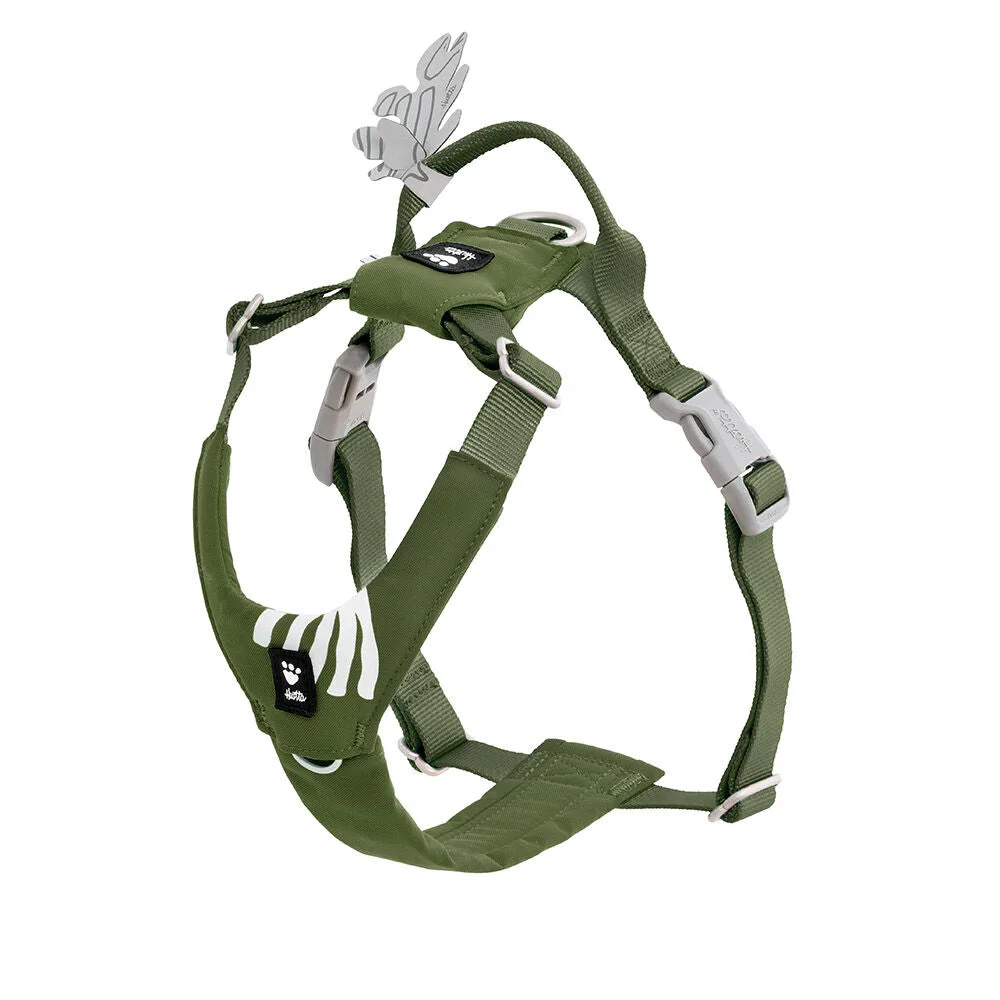
Seeker Harness
Everyday walks should be enjoyable for both you and your dog. The right harness can make the difference between a relaxed stroll and a tug-of-war. Two popular styles are no-pull harnesses and Y-harnesses, each designed with different priorities in mind.
This comparison breaks down the key differences between these two harness types, using real product examples to help you decide which one fits your dog's needs. We'll look at how they work, who they're best for, and the trade-offs you should consider.
How No-Pull Harnesses Work
No-pull harnesses are designed to discourage pulling by applying gentle pressure to the dog's chest when they strain against the leash. This pressure redirects the dog's attention and can make pulling less rewarding. They often have a front attachment point for the leash, which gives you more control and steering ability.
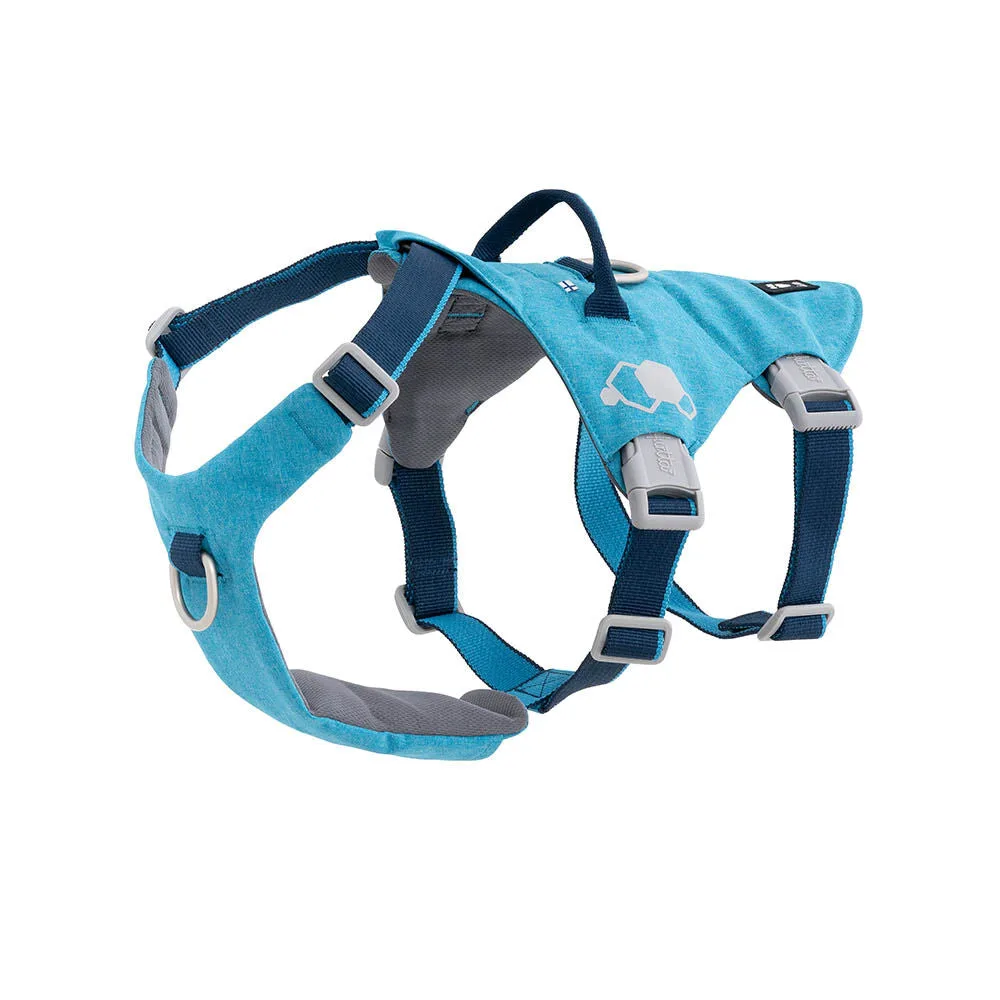
The Safeguard Harness ECO is a prime example. It's described as ideal for rescue dogs, clever dogs prone to slipping out of their harness, and young pups still mastering leash manners. This escape-proof design goes beyond just no-pull; it also prevents dogs from backing out, which is a common issue with traditional harnesses. If your dog is a puller or an escape artist, this style offers both control and security.
- Front leash attachment for better steering
- Escape-proof design for dogs that slip out
- Great for training loose-leash walking
How Y-Harnesses Work
Y-harnesses are named for the Y-shape the straps form over the dog's shoulders. This design allows for natural shoulder movement, making them comfortable for active dogs. They typically have a back attachment point for the leash, which is fine for dogs that don't pull much.
The Seeker Harness is a great example of a Y-harness. It's designed for small and medium dogs, including puppies, and offers abundant adjustability. Made from lightweight, soft recycled materials, it's ready for first leash walks, forest hikes, and city strolls. The emphasis here is on comfort and freedom of movement, not on correcting pulling behavior.
- Allows natural shoulder movement
- Lightweight and comfortable for all-day wear
- Back attachment point for the leash
Key Differences at a Glance
The main difference lies in the attachment point and the intended purpose. No-pull harnesses like the Safeguard Harness ECO use a front clip to discourage pulling, while Y-harnesses like the Seeker Harness use a back clip for dogs that don't need that extra correction. This affects both control and comfort.
No-pull harnesses can feel more restrictive to some dogs, especially if they're not used to the pressure. Y-harnesses, on the other hand, are often more comfortable for dogs that like to explore and move freely. Your choice should depend on your dog's behavior and what you want to achieve on your walks.
- Front clip vs. back clip
- Escape-proof vs. natural movement
- Training tool vs. everyday comfort
Trade-Offs to Consider
- Control vs. Freedom: No-pull harnesses give you more control over pulling but can feel restrictive. Y-harnesses allow natural movement but offer less steering. If your dog pulls, choose control; if they walk politely, choose freedom.
- Escape-proof vs. Lightweight: The Safeguard Harness ECO is escape-proof, but it may be heavier than the lightweight Seeker Harness. Y-harnesses are lighter and softer, but may not prevent determined escape artists. Consider your dog's tendency to slip out of gear.
- Training vs. Casual Use: No-pull harnesses are great for training loose-leash walking. Y-harnesses are better for dogs that already walk well and just need comfortable gear for daily adventures. Match the harness to your training goals.
Product Facts
- Safeguard Harness ECO: Is your dog a bit of an escape artist? Ideal for rescue dogs, clever dogs prone to slipping out of their harness, and young pups still mastering leash manners, the Safeguard Harness ECO, will make this worry a thing of the past. If your dog pulls or tries to back out, this harness provides the security and control you need for everyday walks.
- Seeker Harness: Perfect for small and medium dogs, including puppies, this harness offers abundant adjustability and is made from lightweight, soft recycled materials. It's ready for any journey, whether it's your pup's very first leash walk, forest hikes, and city strolls. For dogs that walk politely, this harness offers all-day comfort and freedom of movement, making it ideal for casual everyday use.
Which Harness Fits Your Dog?
Best For
- Dogs that pull on the leash and need training support
- Dogs that are prone to slipping out of their harness
Not For
- Dogs that walk politely and need maximum freedom of movement
- Very small dogs that may find a no-pull harness too bulky
Choosing between a no-pull harness and a Y-harness comes down to your dog's behavior and your walking goals. If pulling is a problem, the Safeguard Harness ECO offers the control and security you need. If your dog walks well and you want comfort, the Seeker Harness is a great everyday choice. Consider your dog's size, temperament, and training needs to make the best decision.