Quick answer
Vertical Wall Uprights offer a fixed, sturdy solution for organizing food pans and kitchen tools, while wall tracks provide adjustable shelving flexibility. Choose uprights for permanent weight-bearing storage and tracks for reconfigurable layouts.
Space and Layout Considerations
Vertical Wall Uprights are designed to maximize vertical space in tight kitchens, attaching directly to walls for a permanent footprint. Wall tracks, on the other hand, allow you to reposition shelves and hooks along a horizontal rail, making them ideal for evolving storage needs.
If your kitchen layout changes frequently—like in a bustling restaurant with seasonal menu shifts—wall tracks offer the flexibility to adapt. For a fixed, dedicated storage zone, uprights provide a no-fuss solution.
Weight Capacity and Durability
Cambro Vertical Wall Uprights are built with commercial-grade materials to handle heavy loads like full food pans and bulk ingredients. Their rigid attachment to wall studs ensures stability over time. Wall tracks, while sturdy, distribute weight across a rail system, which may limit maximum load per shelf.
For heavy-duty storage of dense items like canned goods or large mixing bowls, uprights are the safer bet. Lighter items like small utensils or dry goods work well on track systems.
Installation and Cost
Vertical Wall Uprights require precise measurement and mounting into wall studs, which can be more labor-intensive initially but offers a permanent, low-maintenance solution. Wall tracks involve installing a rail and then adding brackets, which can be quicker but may require more components.
Budget-wise, uprights are often more cost-effective for a single, high-capacity storage area. Wall tracks can be pricier due to the rail and accessory kit, but they allow incremental expansion.
Trade-Offs at a Glance
- Fixed vs Flexible Layout: Vertical Wall Uprights lock your storage in place; wall tracks let you rearrange shelves without new holes. Choose uprights for stable zones, tracks for evolving needs.
- Weight Capacity: Uprights support heavier loads due to direct wall mounting; tracks have weight limits per rail section. Use uprights for bulk items, tracks for lighter gear.
- Installation Effort: Uprights require stud mounting and careful planning; tracks install faster with a rail and brackets. Opt for uprights if you can commit to a layout, tracks for quicker setup.
- Cost Considerations: Uprights are generally cheaper for a single area; tracks can cost more but allow phased additions. Budget uprights for one zone, tracks for expandable systems.
Product Facts
-
Vertical Wall Uprights: Cambro Vertical Wall Uprights are designed to provide sturdy, reliable support for your storage needs. These uprights are part of the Cambro product line, known for durability and practical design in commercial environments. They offer a fixed, permanent storage solution that handles heavy loads, ideal for busy commercial kitchens needing consistent organization.
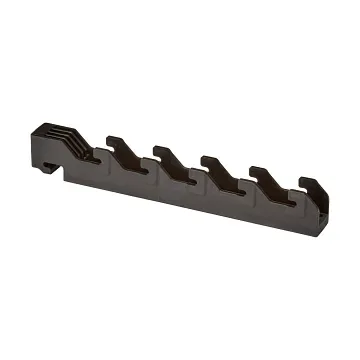
Vertical Wall Uprights
Which One Fits Your Kitchen?
Best for Vertical Wall Uprights
- Commercial kitchens needing heavy-duty, permanent storage for food pans and bulk ingredients
- Kitchens with a fixed layout and no plans for frequent reconfiguration
Not ideal for
- Kitchens that require frequent layout changes or adjustable shelving heights
- Light-duty storage of small items where flexibility is valued over maximum weight capacity