Quick answer
Choose a quilting video class when you want to learn to quilt on your own schedule, pause tricky steps, and keep the lessons for reference. Choose an in-person quilting workshop when you need hands-on feedback, a machine already set up, and the accountability of a fixed date. Many quilters use both: a video class to build the skill, then a workshop to troubleshoot.
The right class format depends less on the quilt you want to make and more on how you learn, when you can sew, and how much guidance you need at the machine. A quilting video class and an in-person quilting workshop teach the same skills, but they trade control for feedback in opposite ways.
This comparison looks at pacing, feedback, setup, and cost so you can pick the format that actually gets you to a finished project. It also covers how to combine both when one format alone leaves a gap.
How each format actually works
A quilting video class is recorded instruction you stream or download. You control when you watch, how often you pause, and whether you rewind a step you missed. The trade-off is that no one watches your seam allowance or tells you your quarter-inch is drifting. You have to self-correct, which is fine if you already know what good looks like.
An in-person quilting workshop is live instruction with a teacher in the room. You get real-time correction, and you can ask the question that only makes sense when your fabric is under the needle. The trade-off is the schedule: you sew when the class meets, at the pace the group moves, not your own.
- Video class: pause, rewind, and rewatch as many times as you need.
- Workshop: raise your hand and get an answer in the same session.
Pacing and schedule
If your sewing time is unpredictable, a video class wins. You can watch twenty minutes on a weeknight and pick up the same lesson next weekend without falling behind. This is the format that fits around work, caregiving, and any week where the sewing room stays dark.
A workshop runs on a fixed calendar. That structure is the point for some quilters: a date on the calendar gets the project started. But if you travel, work shifts, or share a machine, a fixed date can turn a hobby into another appointment.
- Choose video if you cannot commit to the same time each week.
- Choose a workshop if a deadline is what gets you sewing.
Feedback and skill building
Feedback is where a workshop pulls ahead. A teacher can see that your strips are bowing, that your bobbin tension is off, or that you are pressing instead of pressing open. That correction happens before you repeat the mistake across a whole quilt top.
A video class can still teach accuracy if you build in checkpoints. Pause after each step, measure a seam, and compare it to the instructor's result. The trade-off is honesty: no one is checking your work but you, so a small error can travel a long way before you catch it.
- In a video class, measure after every step instead of waiting for the end.
- In a workshop, bring a practice block so you spend class time on technique, not setup.
Setup, tools, and cost
A workshop often supplies the machine, table, and cutting space, which matters if you do not own a machine or your setup is cramped. You still bring or buy your own fabric, thread, and notions, so budget for supplies on top of the class fee. A video class assumes you already have a machine and a place to sew.
Cost works differently too. A video class is usually a one-time purchase you can rewatch, so the cost per hour drops the more you use it. A workshop is a single event: you pay for the room, the teacher's time, and the group experience. Neither is automatically cheaper; it depends on how many times you will use what you learn.
- Check whether the workshop provides machines and mats before you pack your own.
- For a video class, confirm how long you keep access before you buy.
Choosing between them
Pick a video class if you are self-directed, short on predictable time, or want a reference you can return to when a pattern gets confusing. Pick an in-person workshop if you are new enough that you do not yet know what a mistake looks like, or if you want the energy of sewing next to other people.
You do not have to choose permanently. A common path is to learn to quilt from a video class, then book a workshop once you have a specific problem to solve. That way you spend the live hours on feedback instead of on the basics.
- New to rotary cutting or machine quilting? Start in person if you can.
- Confident with the basics? A video class stretches your budget further.
The trade-offs at a glance
- Control vs feedback: A video class gives you full control over pace and repetition but no one checks your seams. A workshop gives you live correction but you follow the group's pace. If you cannot spot your own errors yet, pay for feedback first.
- Schedule vs spontaneity: A workshop needs a fixed date and travel time. A video class fits any free hour, including short ones. Count your realistic sewing hours before you commit to a date.
- One-time cost vs repeat value: A workshop is a single event with a room and a teacher. A video class can be rewatched, so its value grows with use. Estimate how many times you will rewatch before you compare prices.
Tools that support either format
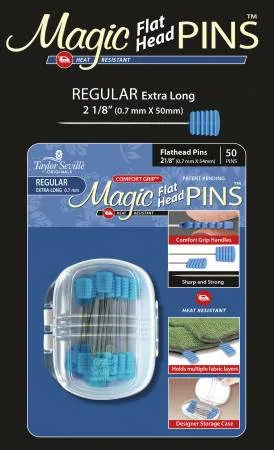
- Magic Pins Flat Head Regular 50pc #219904: Comfort Grip flat head pins, 0.7mm, heat resistant, 50 pieces. A flat head is easier to grab and to iron over than a round-head pin, which helps in a workshop where you pin and press at speed.
- Strip Cocoon Pattern 163: A quick and easy quilt made from 2-1/2 inch strips only, with crib, lap, twin/full, and queen sizes. A strip-only pattern is a good class project because the cutting is simple and the piecing repeats, so you can focus on technique instead of complex templates.
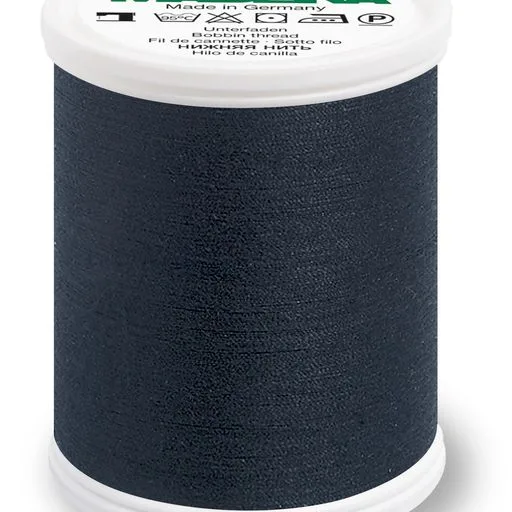
- Madeira Bobbinfil 60 Bobbin Thread Cones - Black -1100 yds - Item 9770: Bobbinfil No. 60 is a fine thread for winding your own bobbins, usable on sewing and embroidery machines. Winding several bobbins before a workshop or a long video session keeps you sewing instead of stopping to refill mid-lesson.
Which format fits you
Best for
- Self-directed quilters who want to pause, rewind, and keep a reference
- Quilters with unpredictable sewing time or no local class nearby
- Anyone who already knows what a correct seam looks like
Not for
- Total beginners who need someone to catch mistakes in person
- Quilters who want machines, tables, and cutting space provided
- Anyone who needs a scheduled date to actually start
Match the format to the gap you actually have. If you need flexibility and repetition, a video class is the better buy. If you need eyes on your work and a room already set up, book the workshop. When in doubt, start with the format that removes your biggest obstacle, then add the other later.