Quick answer
Not all paint flaws on vinyl figures are defects — many are normal production artifacts. Knowing the difference helps you buy with confidence and avoid returning perfectly fine collectibles.
Why paint imperfections happen in vinyl production
Vinyl figures are mass-produced using rotational casting and hand-assembly. Each piece goes through multiple paint stations, often by different workers. Minor color variation, tiny specks, or slightly uneven edges are common and not considered flaws by most manufacturers.
Limited-edition runs, like the 500-piece Phibby — OG (Green) by Hebru Brantley, often involve hand-painted or hand-finished details. With human involvement comes natural variation. A small paint skip on an edge is not a quality failure — it's a signature of the production method.
When a paint flaw is actually a defect
A true defect is something that affects the structural integrity or intended design. Missing paint on a character's face, large drips that obscure details, or paint that chips off easily after light handling are legitimate issues. These are rare but do happen.
For blind-box items like the Tokidoki x Hello Kitty Series 3, minor paint inconsistencies are expected at the $11.52 price point. The cost reflects the production scale and materials. Expecting museum-grade finish from a $16 retail item sets you up for disappointment.
Common myths and verdicts
- Myth: Any paint imperfection means the figure is defective: Verdict: False. Tiny specks, slight color variation, and minor edge unevenness are normal in vinyl production, especially at lower price points. Check if the flaw is on a non-critical area before requesting a return.
- Myth: Hand-painted figures should have zero flaws: Verdict: False. Hand-painting introduces natural variation. Limited editions like Phibby — OG (Green) are prized for their unique finish, not factory perfection. Embrace small quirks as part of the artist's process.
- Myth: Expensive figures never have paint issues: Verdict: False. Higher price often means more complex paint applications, which can still have minor inconsistencies. True defects are rare regardless of cost. Focus on structural integrity and design intent, not microscopic flaws.
Real examples from the catalog
-
Phibby — OG (Green): Limited edition of 500 pieces in this color. Strictly limited to one of each color per customer/household. Small production runs often involve more hand-finishing, so minor paint variation between units is normal and even desirable for collectors seeking uniqueness.
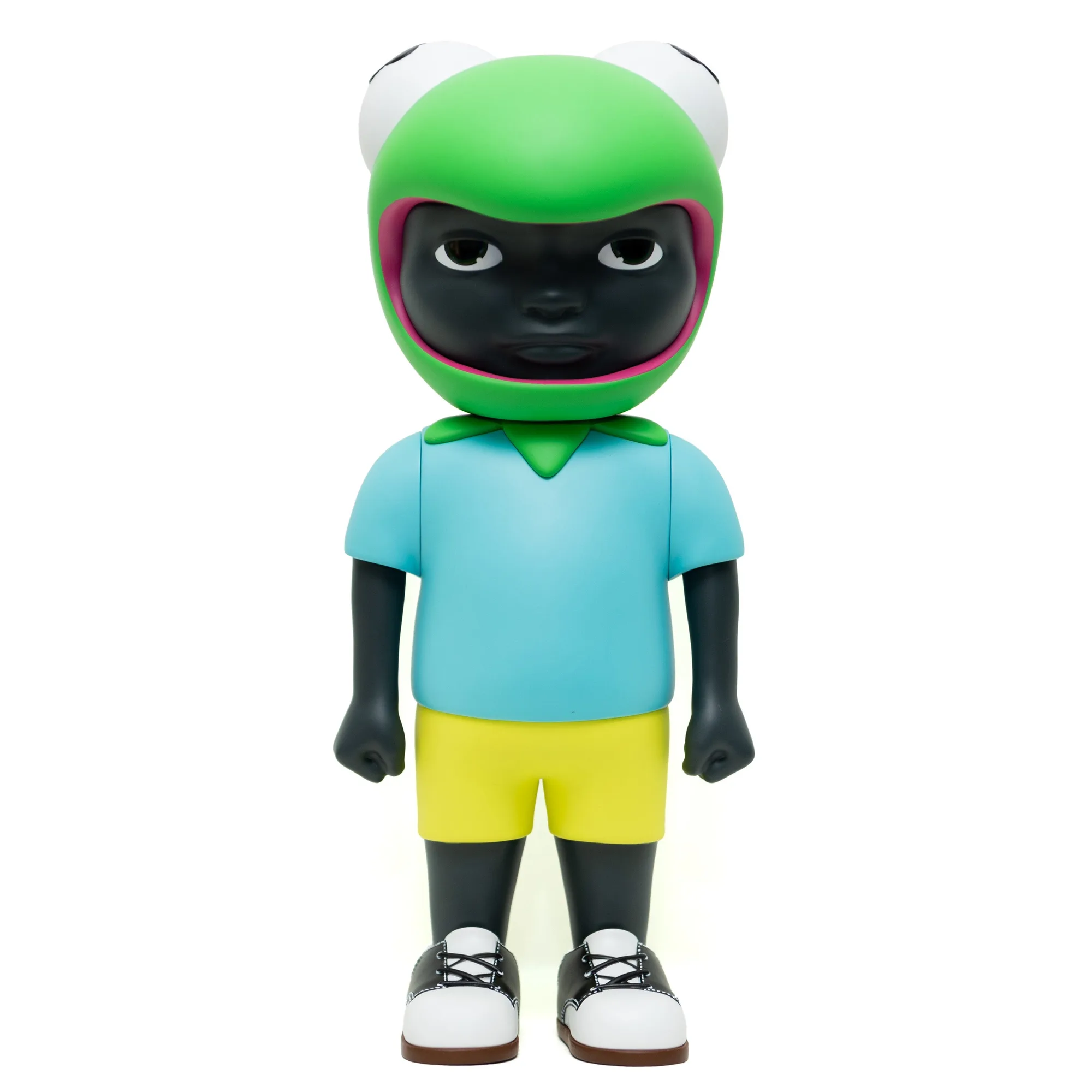
Phibby — OG (Green)
-
Tokidoki x Hello Kitty Series 3 ( Limited Edition ): Known for its vibrant purple color, Ube is a yam that can be used to make many kinds of yummy treats! At this price point, some paint variation is expected — focus on overall design and character expression rather than microscopic perfection.
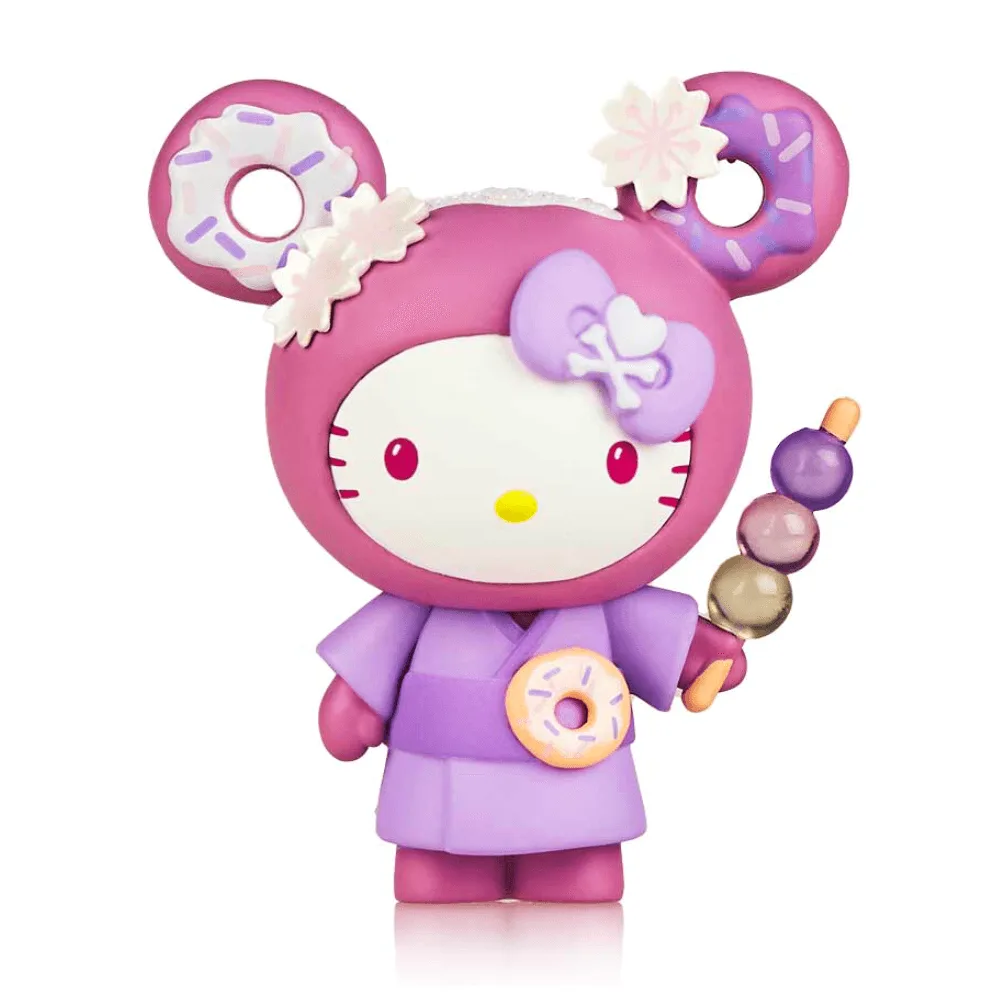
Tokidoki x Hello Kitty Series 3 ( Limited Edition )
-
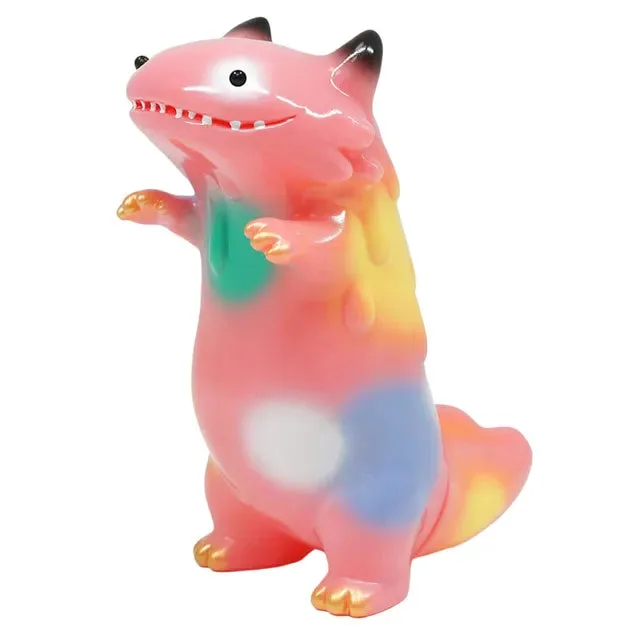
Byron — Red Dots: These little pastel-colored monsters evoke a world where fear turns playful. Shoko Nakazawa explores the emotional and captivating side of Kaiju. Artist-driven figures often embrace organic, hand-painted looks — small paint quirks can actually enhance the handmade feel that collectors value.