Quick answer
Vinyl toys generally resist impacts and temperature changes better, making them more durable for everyday handling. Resin toys are more brittle but hold fine detail and color longer if displayed carefully. Your choice depends on whether you prioritize drop resistance or long-term visual fidelity.
Material properties and everyday durability
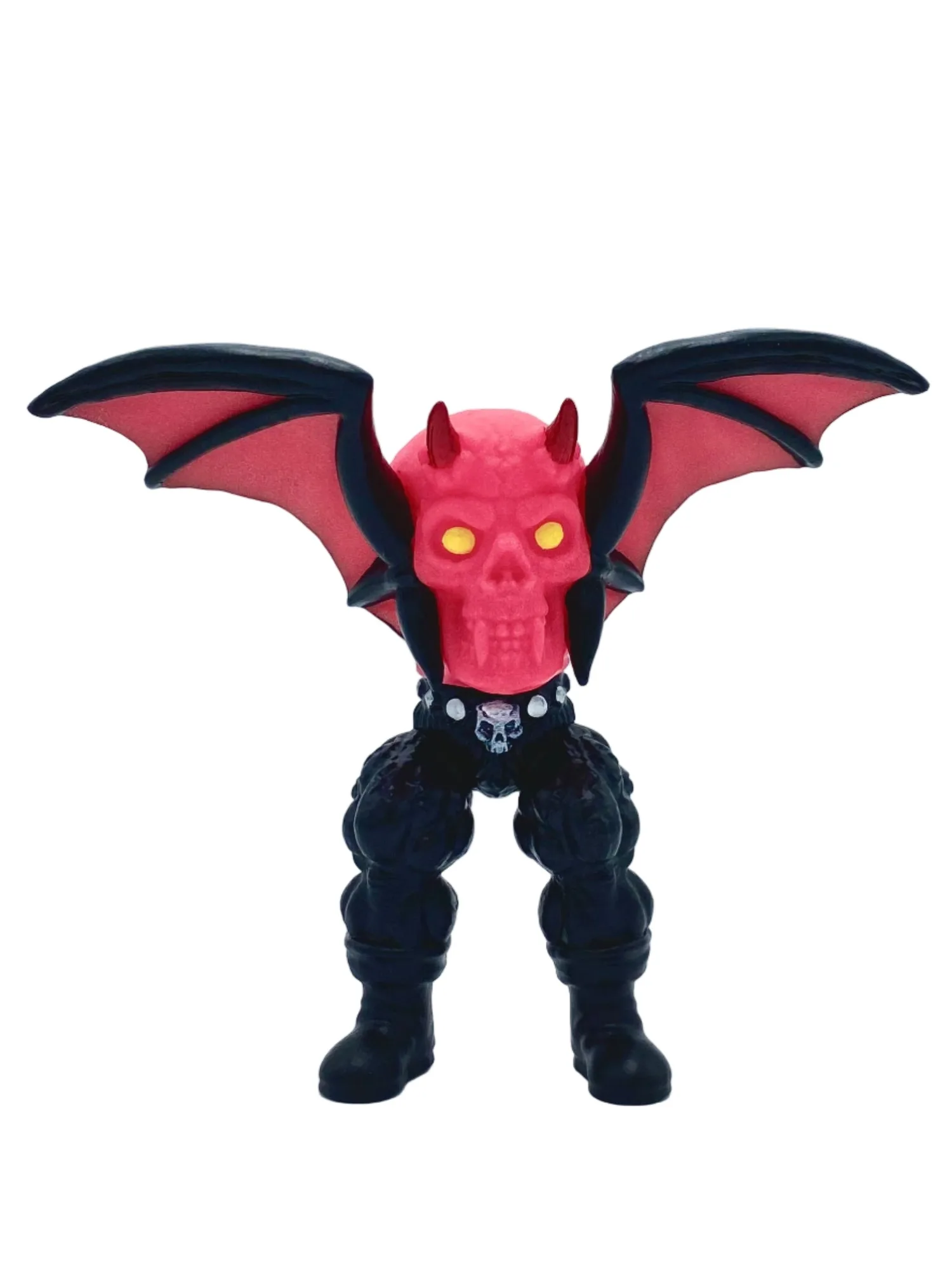
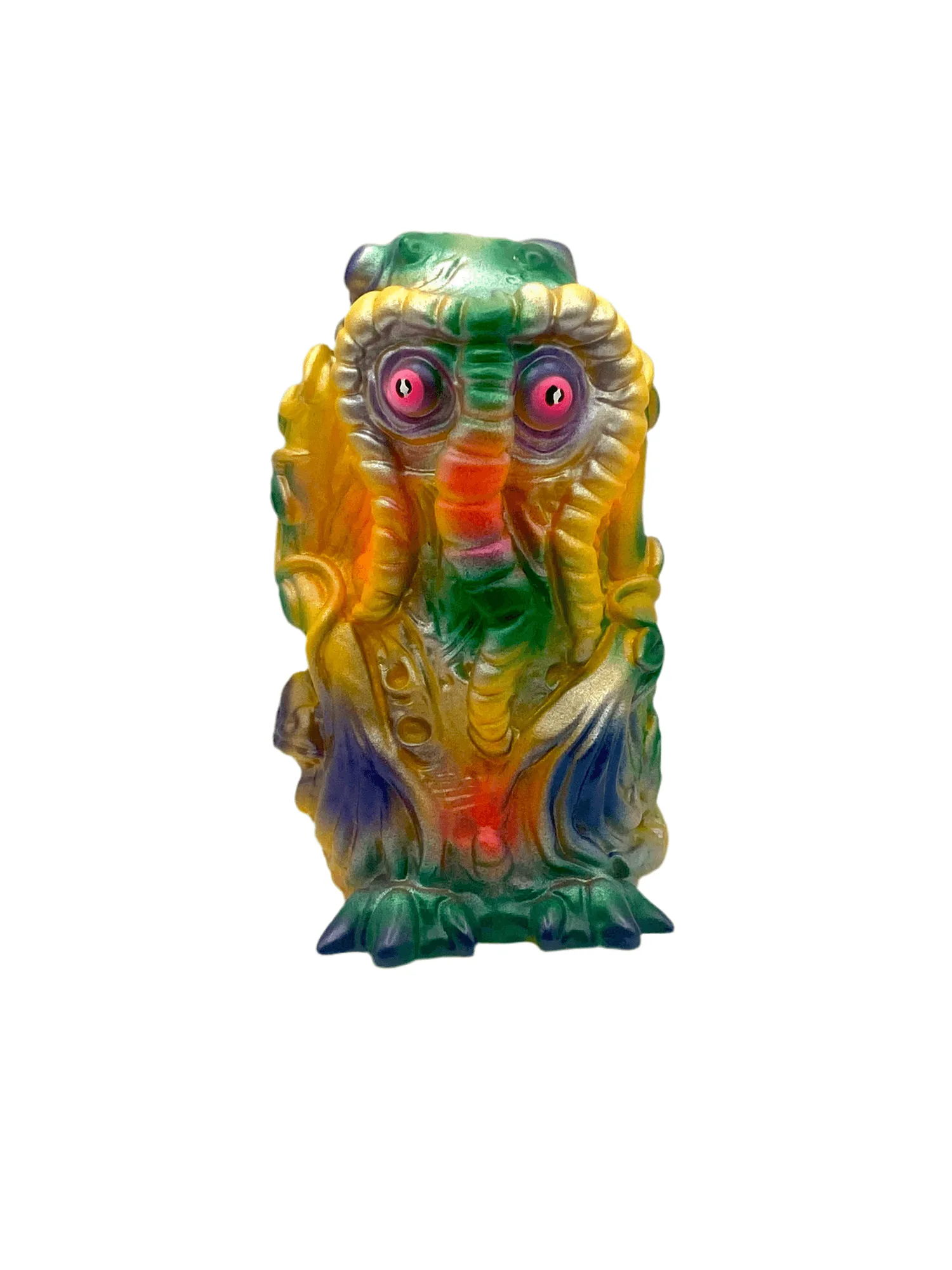
Vinyl is a flexible plastic that absorbs shocks without cracking. A vinyl figure like the Brandt Peters Night King, with articulated wings and a top hat accessory, can survive a tumble from a shelf better than a resin piece. Resin, on the other hand, is a hard, brittle material that chips or shatters under impact. The Eyes of the Forest resin sculpture, cast in Semiclear Pink, demands a stable display spot away from edges.
Temperature and humidity also affect each material differently. Vinyl can soften in high heat or become brittle in extreme cold, but it handles normal indoor shifts well. Resin is more stable in moderate conditions but can yellow or warp if exposed to direct sunlight over time. Neither material is immune to environmental stress, so keeping figures out of direct light and away from heat sources extends the life of both.
Long-term appearance and care
Resin holds paint and fine detail exceptionally well because it is non-porous and takes primer smoothly. The hand-painted finish on a one-of-a-kind Man-Thing vinyl figure is more vulnerable to rubbing or fading because vinyl surfaces can be slightly porous. Over years of display, resin sculptures like Eyes of the Forest maintain crisp edges and color saturation, while vinyl may show wear on painted areas if handled frequently.
Cleaning methods differ too. Dust vinyl with a soft dry cloth; avoid solvents that can react with the plastic. Resin can be wiped with a slightly damp cloth, but never soak it. For both materials, use a display case or cabinet to minimize dust buildup and accidental knocks.
Vinyl vs. Resin: Tradeoffs for Longevity
- Impact resistance: Vinyl bends and bounces; resin cracks or chips. If you have kids, pets, or shaky shelves, vinyl is safer. Vinyl wins for rough environments.
- Detail and paint retention: Resin holds fine detail and resists paint fading for decades. Vinyl paint can wear with handling. Resin wins for long-term display quality.
- Environmental sensitivity: Vinyl warps in heat; resin yellows in sunlight. Both need indirect light and stable temperatures. Neither is maintenance-free.
- Articulation and moving parts: Vinyl supports joints and accessories without breaking. Resin figures are typically static sculptures. Vinyl suits poseable or interactive figures.
Product facts at a glance
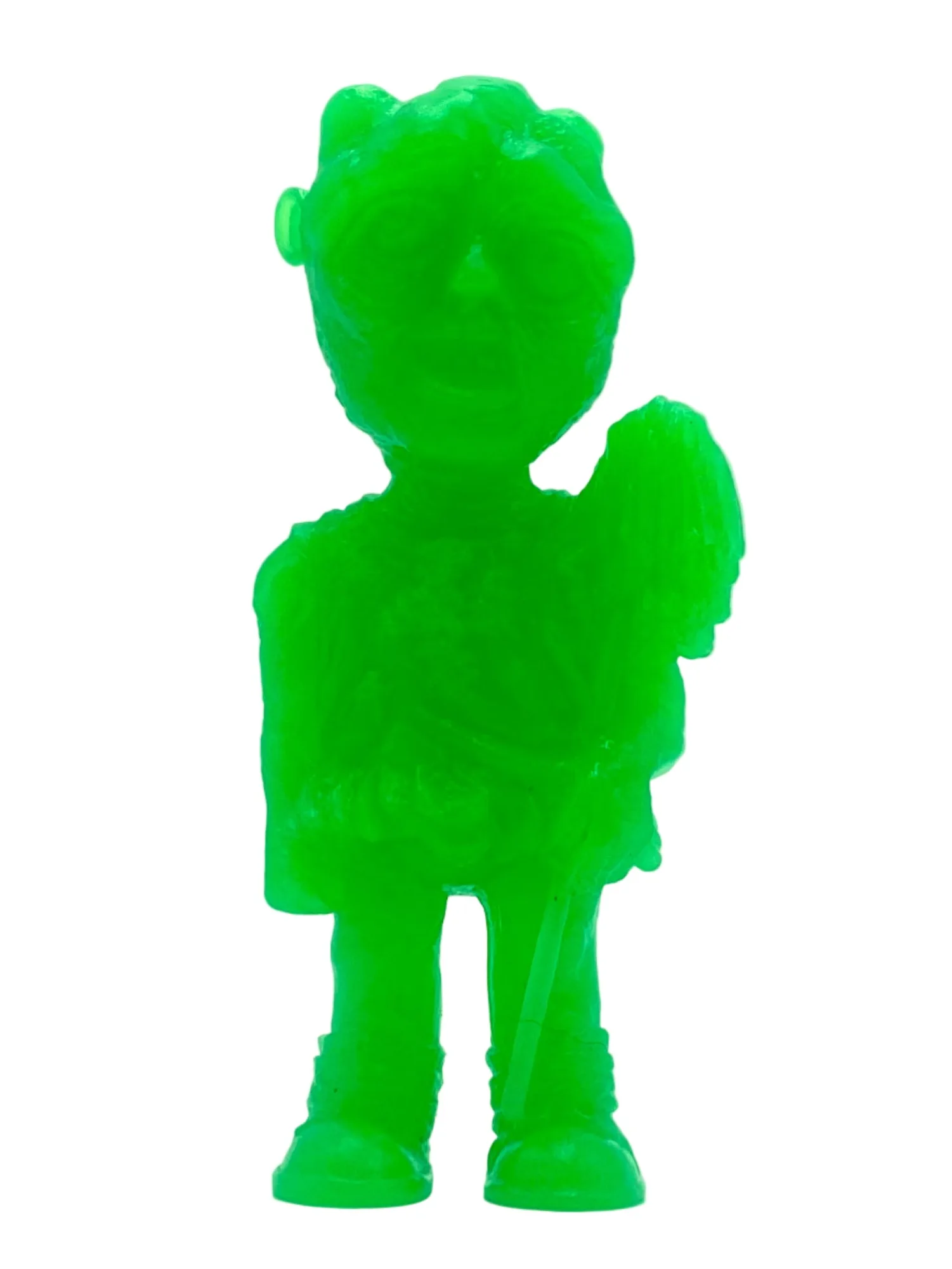
- Man-Thing Vinyl Figure 1/1 Painted by Ressinblood: One-of-a-kind 1/1 vinyl figure, individually painted by Ressinblood. Features a detailed, hand-applied paint scheme that highlights the character's organic and swampy design. The hand-painted finish makes this piece unique, but the vinyl base means the paint may wear over time if handled often. Display it in a low-traffic spot to preserve the artwork.
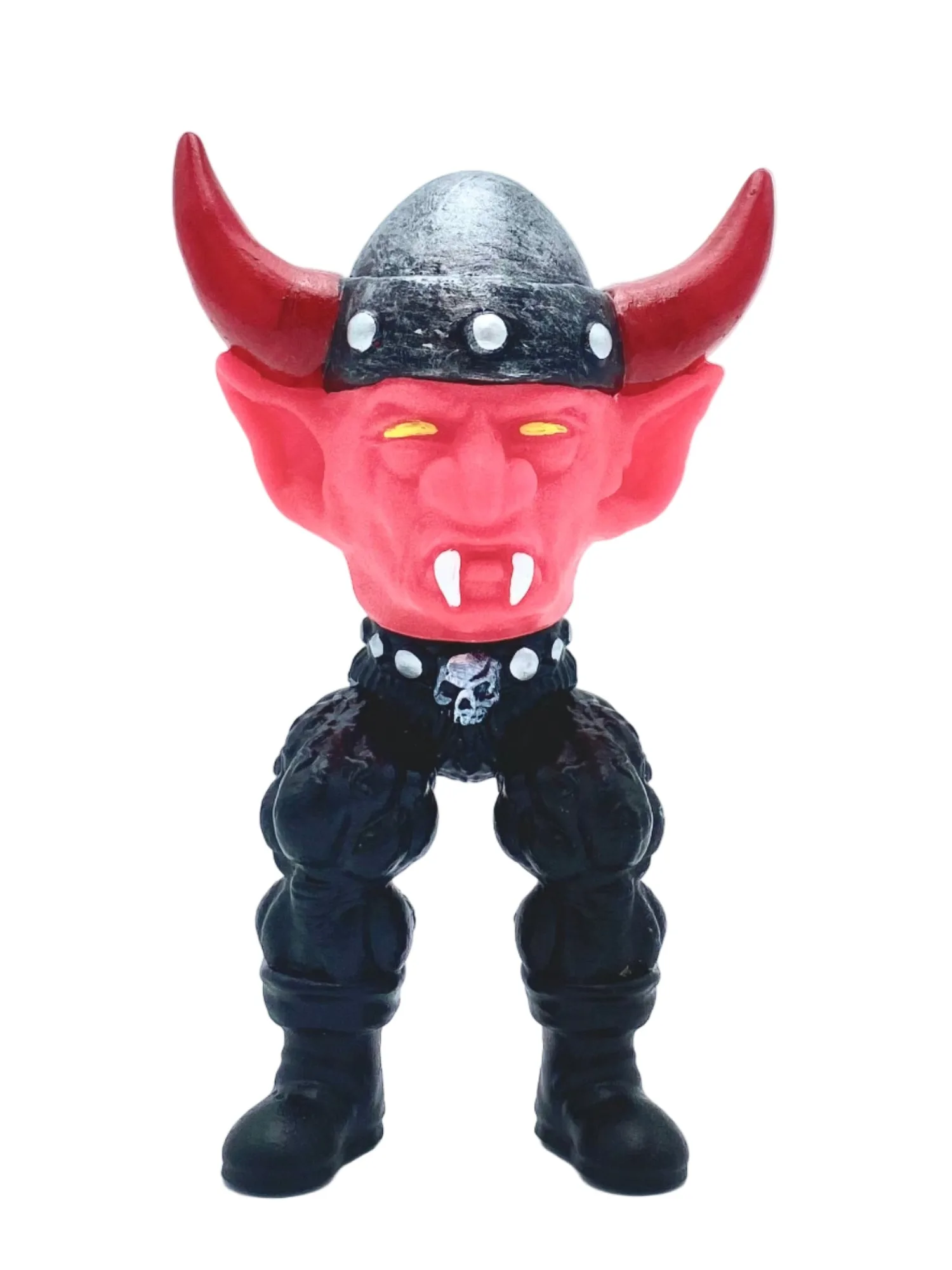
- Brandt Peters - Night King - Candy Corn Colorway: Brandt Peters Night King Half-Dead Edition limited to 350 pieces. Approx 8" tall with articulated ball joint wings and top hat accessory. Articulated parts add playability and display options, but they also create potential stress points. Vinyl's flexibility helps the joints hold up better than resin would in a similar design.
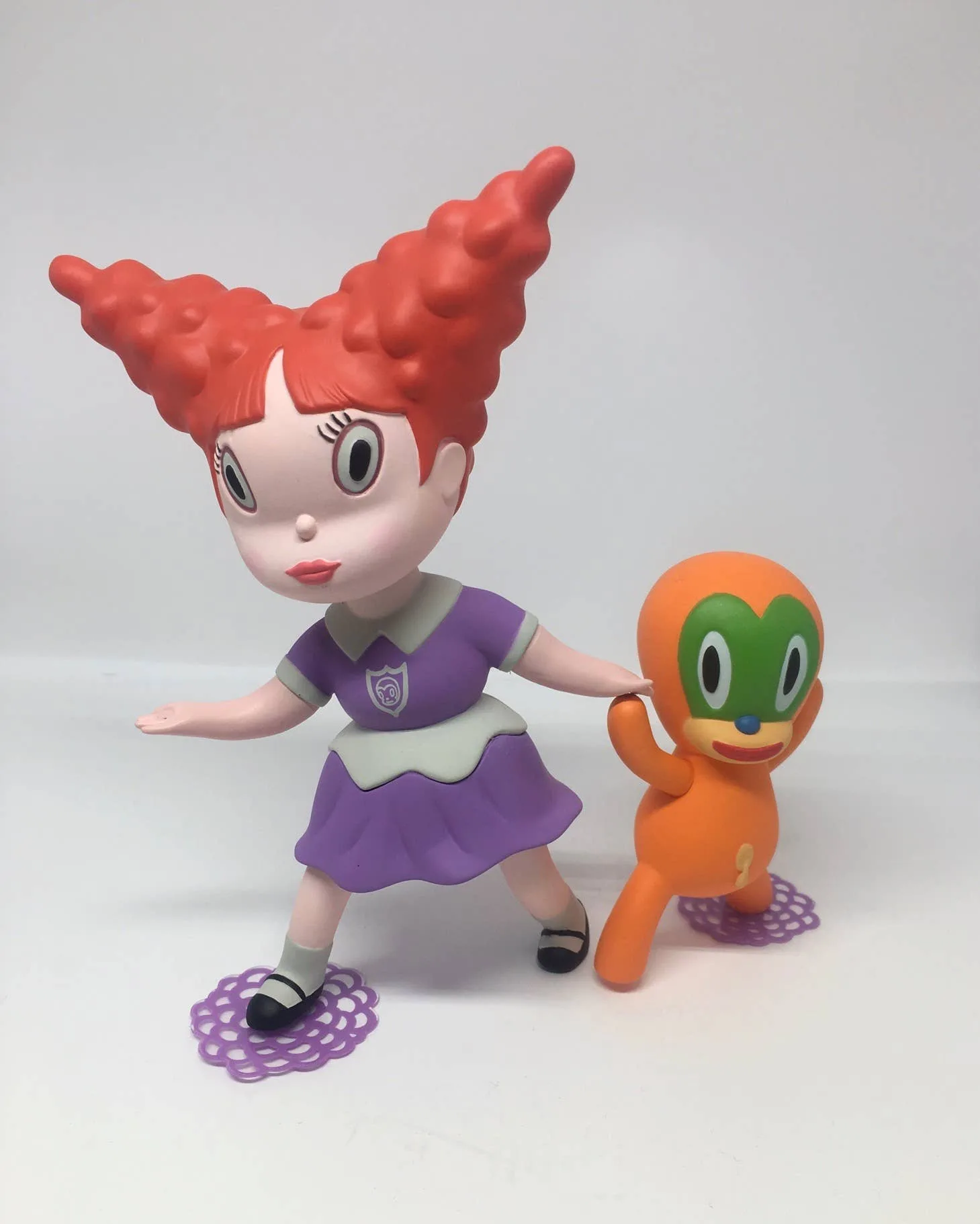
- Eyes of the Forest/ 2nd Edition / Semiclear Pink: First studio release with artist James Mazza. 2nd edition of his classic Eyes of the Forest resin sculpture. Cast in Semiclear Pink, measuring approx 4.5 x 3". Resin's rigidity preserves the intricate sculptural detail and translucent color. However, the small size and brittle material mean it should be placed on a stable surface away from edges.
Which material fits your collection?
Best for
- Collectors who move or rearrange figures often and need impact resistance
- Fans of detailed, static art pieces that will stay in one display spot
Not for
- Vinyl is not ideal if you want museum-grade paint preservation over decades
- Resin is not ideal if you have children or pets that might knock over shelves