Quick Answer
Vitamin C and zinc are both essential for a healthy immune system, but they work in different ways. Taking them together can provide comprehensive support, but the best form depends on your needs: gummies for convenience, capsules for potency, or powders for flexibility. For most people, a combined supplement or pairing individual supplements is effective, but always check dosages and potential interactions.
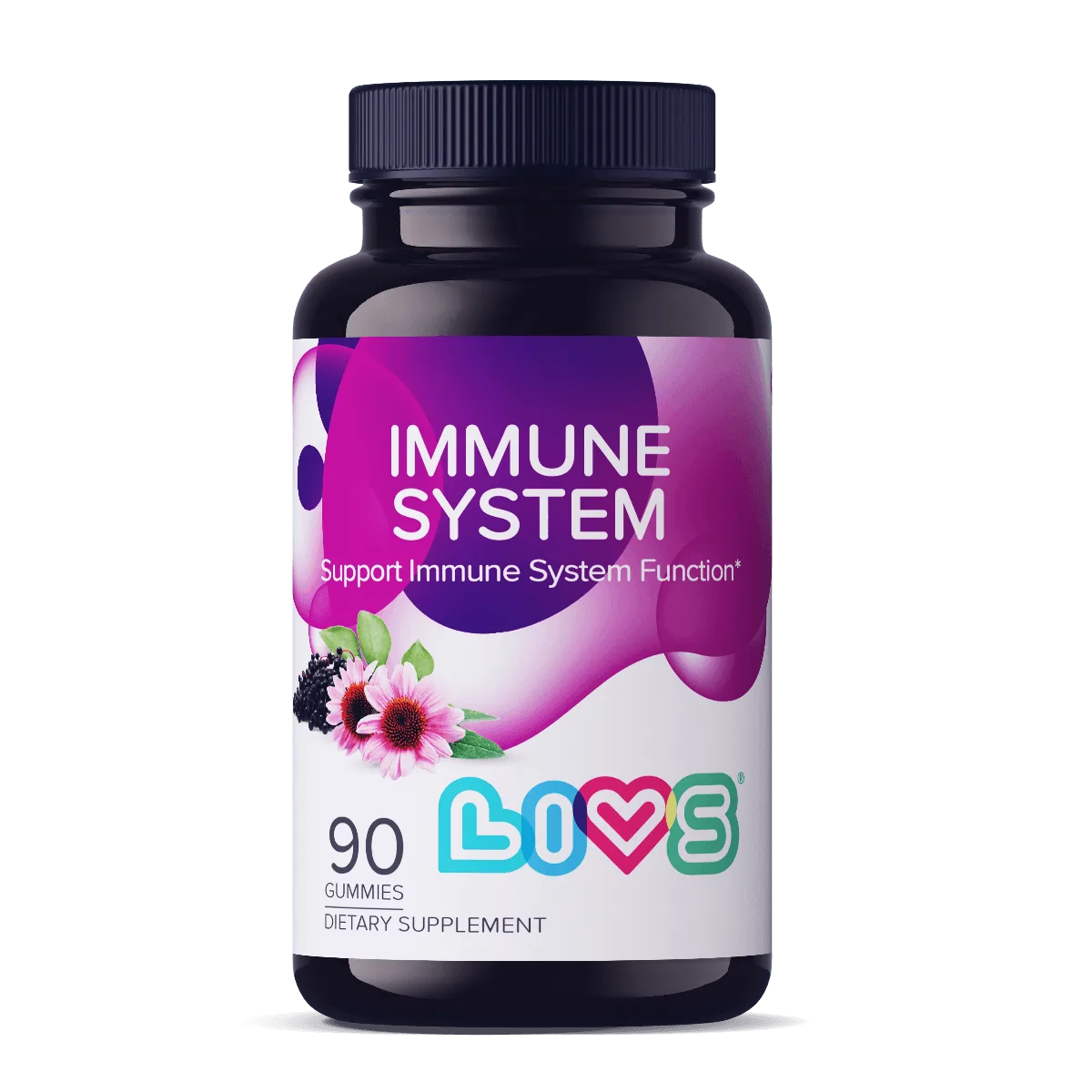
immune system
When it comes to immune support, few nutrients get as much attention as vitamin C and zinc. Both have been studied extensively for their roles in maintaining a healthy immune response, and they are often paired in supplements and home remedies. But are they truly better together? And how do you choose between them?
In this comparison, we'll break down the unique benefits of each nutrient, how they work in the body, and what to consider when deciding whether to take vitamin C, zinc, or both. We'll also look at practical factors like supplement form, dosage, and who might benefit most from each.
Understanding Vitamin C and Zinc
Vitamin C is a water-soluble vitamin that acts as a powerful antioxidant. It helps protect cells from damage, supports the production of collagen, and plays a crucial role in the function of immune cells like white blood cells. Your body doesn't store vitamin C, so you need a regular supply from diet or supplements. Common food sources include citrus fruits, bell peppers, and broccoli.
Zinc is a trace mineral that is essential for immune cell development and communication. It also has antioxidant properties and supports wound healing and DNA synthesis. Unlike vitamin C, your body can store zinc, but only in small amounts, so consistent intake is important. Good dietary sources include meat, shellfish, legumes, and seeds.
- Vitamin C is water-soluble and needs daily replenishment.
- Zinc is stored in small amounts and requires regular intake.
- Both nutrients are critical for immune function but work through different mechanisms.
Vitamin C vs. Zinc: How They Differ
While both nutrients support immunity, they do so in distinct ways. Vitamin C primarily works as an antioxidant, neutralizing free radicals and reducing oxidative stress. It also supports the function of phagocytes and lymphocytes, which are key players in the immune response. Zinc, on the other hand, is involved in the activation of T-lymphocytes and natural killer cells, and it helps regulate inflammation.
This means that vitamin C is more about protecting immune cells and supporting their function, while zinc is more about the development and activation of immune cells. In practice, this means that a deficiency in either can impair immunity, but they are not interchangeable. Taking both can provide more comprehensive support than either alone.
- Vitamin C: antioxidant, supports white blood cell function.
- Zinc: activates immune cells, regulates inflammation.
- They complement each other rather than replace one another.
Can You Take Vitamin C and Zinc Together?
Yes, vitamin C and zinc can be taken together, and many supplements combine them for convenience. In fact, some research suggests that they may work synergistically, with vitamin C potentially enhancing zinc absorption. However, it's important to be mindful of dosages, as both have upper limits. The tolerable upper intake level for vitamin C is 2,000 mg per day for adults, and for zinc, it's 40 mg per day (though some experts recommend lower for long-term use).
When choosing a combined supplement, check the label to ensure you're not exceeding these limits. Also, consider the form: gummies, capsules, and powders all have their pros and cons. Gummies are convenient and taste good, but they may contain added sugars. Capsules are precise and often have fewer additives, while powders offer flexibility in dosing. For those who prefer gummies, look for options with lower sugar or sugar-free varieties.
- Combining vitamin C and zinc is safe within recommended limits.
- Check labels for dosages to avoid exceeding upper limits.
- Choose a form that fits your lifestyle and dietary preferences.
Dosage Recommendations
The recommended dietary allowance (RDA) for vitamin C is 75 mg for women and 90 mg for men, but many experts suggest higher intakes for immune support, especially during cold season. For zinc, the RDA is 8 mg for women and 11 mg for men. For immune support, some studies use higher doses, but it's best to stay within the upper limits to avoid side effects like digestive upset.
When selecting a supplement, consider your diet. If you eat plenty of fruits and vegetables, you may not need a high-dose vitamin C supplement. Similarly, if you consume meat and legumes regularly, your zinc intake may be adequate. However, certain populations, such as vegetarians, older adults, and those with digestive issues, may be at higher risk of deficiency and could benefit from supplementation.
- RDA for vitamin C: 75-90 mg for adults.
- RDA for zinc: 8-11 mg for adults.
- Upper limits: 2,000 mg vitamin C, 40 mg zinc per day.
Trade-Offs to Consider
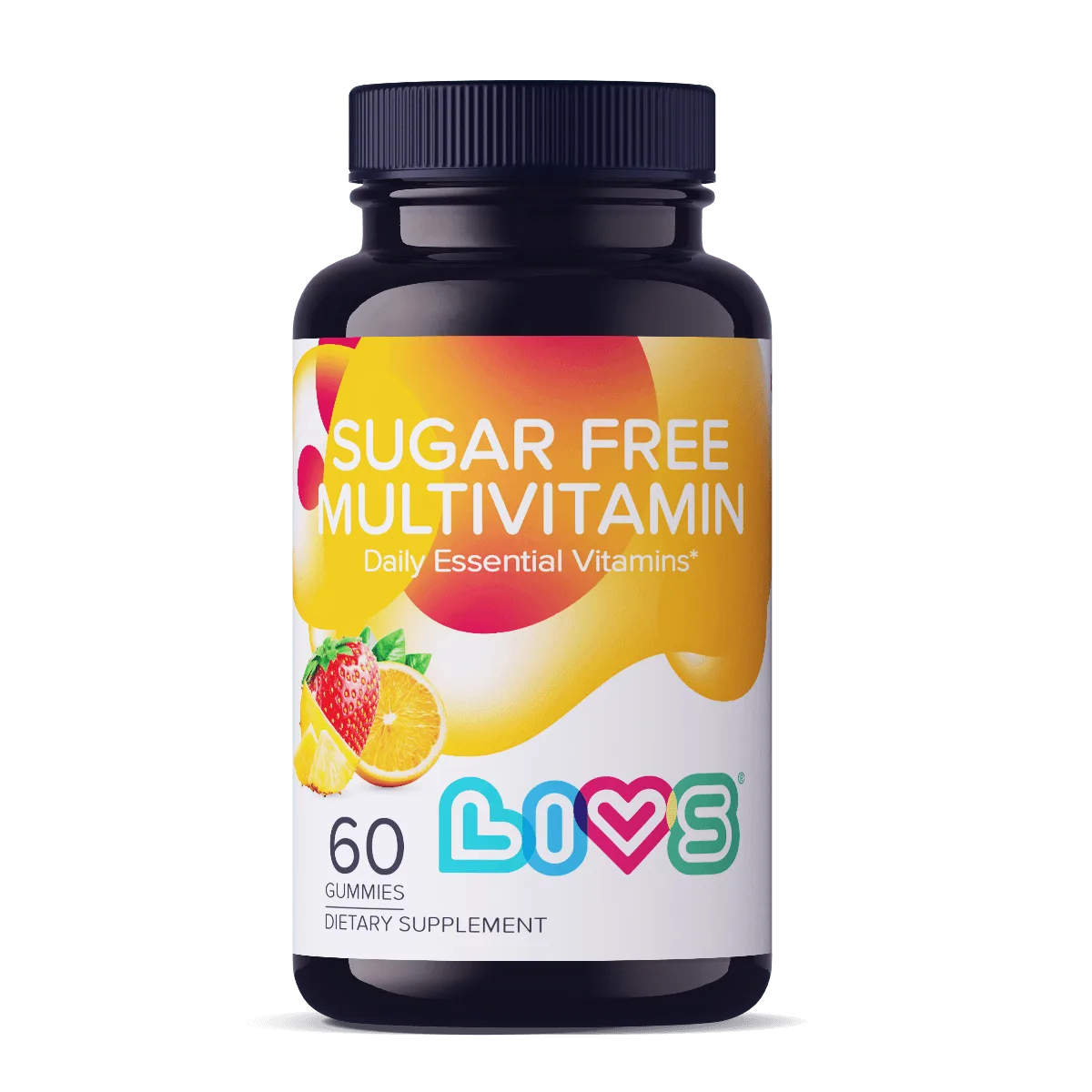
- Form: Gummies vs. Capsules: Gummies are convenient and taste great, but they may contain added sugars. Capsules are precise and often have fewer additives, but some people have difficulty swallowing them. If you prefer gummies, look for sugar-free options like the Sugar-Free Multivitamin. If you prefer capsules, consider a separate zinc supplement.
- Combined vs. Separate Supplements: Combined supplements simplify your routine and ensure you get both nutrients, but they may not offer flexible dosing. Separate supplements allow you to adjust each dose independently. If you need higher doses of one nutrient, separate supplements may be better. Otherwise, a combined formula is convenient.
- Dosage and Upper Limits: High doses of vitamin C can cause digestive upset, and excessive zinc can lead to copper deficiency. It's important to stay within safe limits. Always check the label and consult with a healthcare provider if you have underlying health conditions.
Supplement Options at LIVS Nutrition
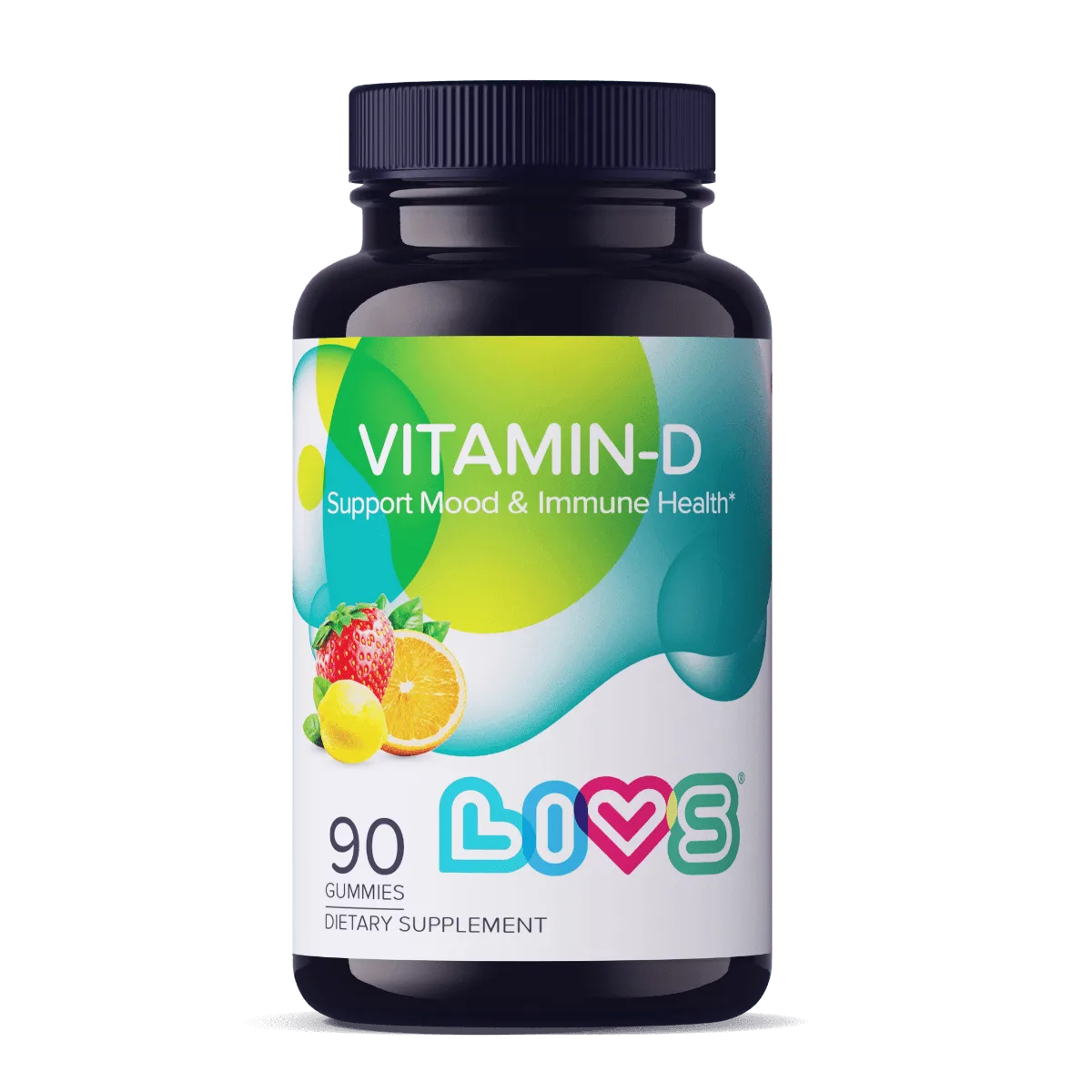
- Vitamin D (2,000 IU): Vitamin D is often paired with vitamin C and zinc for immune support, and LIVS Vitamin D Gummies deliver 2,000 IU per serving in a fruity chew. If you're looking to round out your immune stack, adding vitamin D can be beneficial, especially during winter months when sun exposure is limited.
- Sugar-Free Multivitamin: LIVS Sugar-Free Multivitamin Gummies are vegan, Non-GMO Project Verified, and contain 0 g sugar, sweetened with maltitol and isomalt. For those who want a daily multivitamin without added sugar, this option provides a broad spectrum of nutrients, including vitamin C and zinc, in a guilt-free gummy.
How to Choose
Best For
- People who want a convenient, tasty way to get both nutrients: choose a combined gummy supplement with low or no sugar.
- Those who need higher doses of one nutrient or prefer capsules: opt for separate supplements to customize your intake.
Not For
- Individuals who are already getting sufficient amounts from their diet and do not have increased needs.
- People with certain medical conditions or on medications that interact with high doses of vitamin C or zinc should consult a doctor first.
Vitamin C and zinc are both essential for a robust immune system, and taking them together can offer synergistic benefits. The best choice depends on your lifestyle, dietary habits, and specific health needs. For a convenient, sugar-free option that includes a range of nutrients, consider the LIVS Sugar-Free Multivitamin Gummies. Always aim to meet your needs through diet first and use supplements to fill gaps.