Your immune system works around the clock to defend against pathogens, but it relies on a steady supply of key nutrients to function optimally. Among these, vitamin C, vitamin D, and zinc stand out as the 'big three' for immune health. Each plays a unique role, and together they form a powerful defense network.
In this guide, we’ll break down how these nutrients support immunity, how to take them effectively, and what to look for in a supplement—so you can make informed choices for your health.
Why Vitamin C, D, and Zinc Are Essential for Immunity
Vitamin C is a water-soluble antioxidant that helps protect cells from oxidative stress and supports the function of immune cells like phagocytes and lymphocytes. It also aids in collagen production, which is vital for skin integrity—your first line of defense against pathogens.
Vitamin D is fat-soluble and acts more like a hormone than a vitamin. It modulates the innate and adaptive immune responses, helping to reduce excessive inflammation while enhancing the pathogen-fighting ability of macrophages and T cells. Many people are deficient, especially during winter months.
Zinc is a trace mineral that is critical for immune cell development and communication. It has direct antiviral properties and helps maintain the integrity of mucosal membranes. Even a mild zinc deficiency can impair immune function, making it harder to fight off infections.
- Vitamin C: antioxidant, supports white blood cell function
- Vitamin D: regulates immune response, reduces inflammation
- Zinc: essential for immune cell activity and mucosal health
How to Take Vitamin C, D, and Zinc for Best Results
Timing and combinations matter. Vitamin C is water-soluble, so it’s best taken in divided doses throughout the day—for example, 500 mg in the morning and 500 mg in the evening—to maintain steady blood levels. Since it can be acidic, taking it with food helps avoid stomach upset.
Vitamin D is fat-soluble, so it should be taken with a meal that contains fat for optimal absorption. Many people prefer taking it in the morning to avoid any potential sleep disruption, though research is mixed. Zinc is best taken with water or juice, but avoid taking it at the same time as calcium or iron, as they compete for absorption.
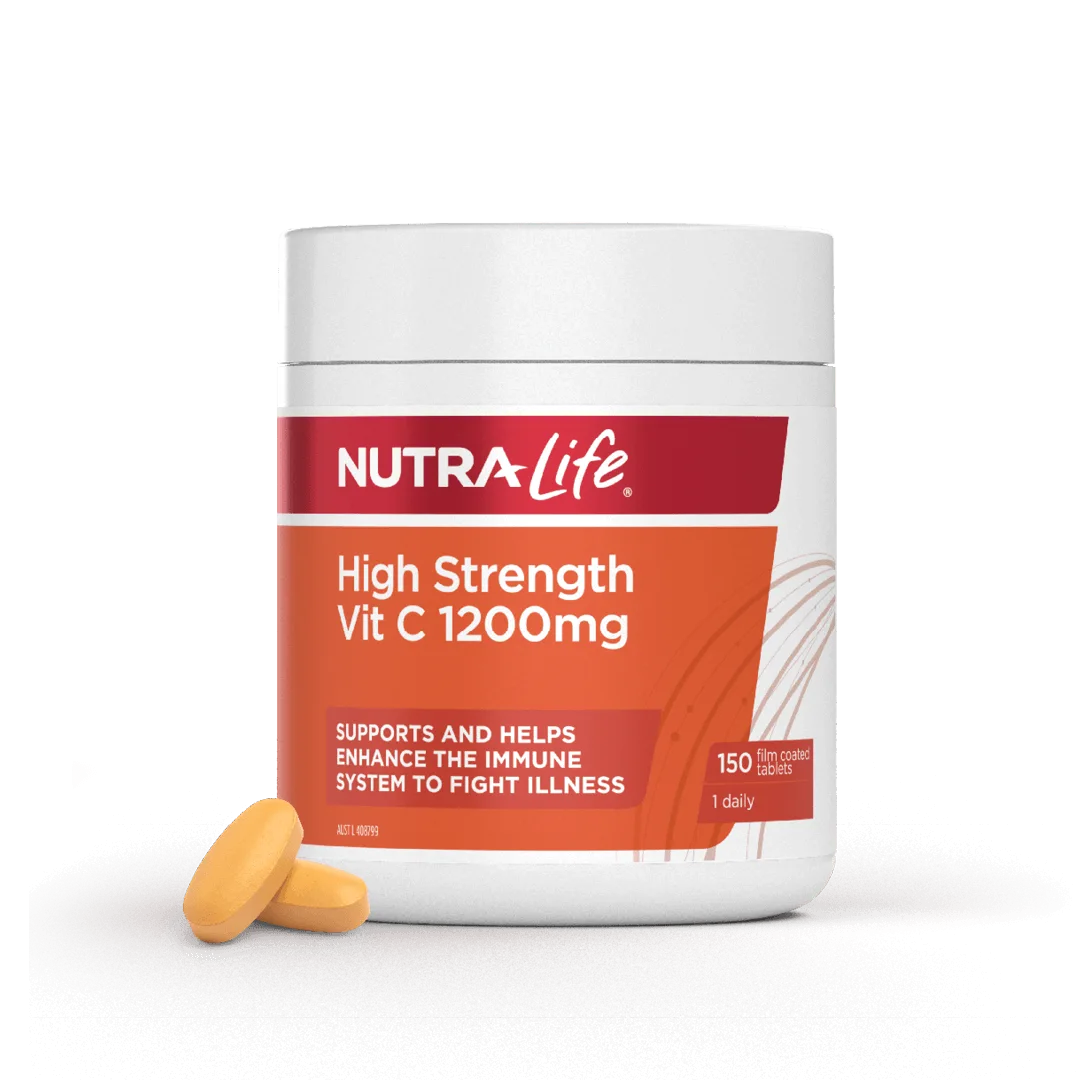
A common approach is to combine these nutrients in a single supplement for convenience. For instance, High Strength Vitamin C 1200mg 150t provides a high-dose vitamin C option, while other products like Ester-C+ Chewables offer a gentler form that may be easier on the stomach. For zinc, look for zinc picolinate or zinc citrate forms, which are well-absorbed.
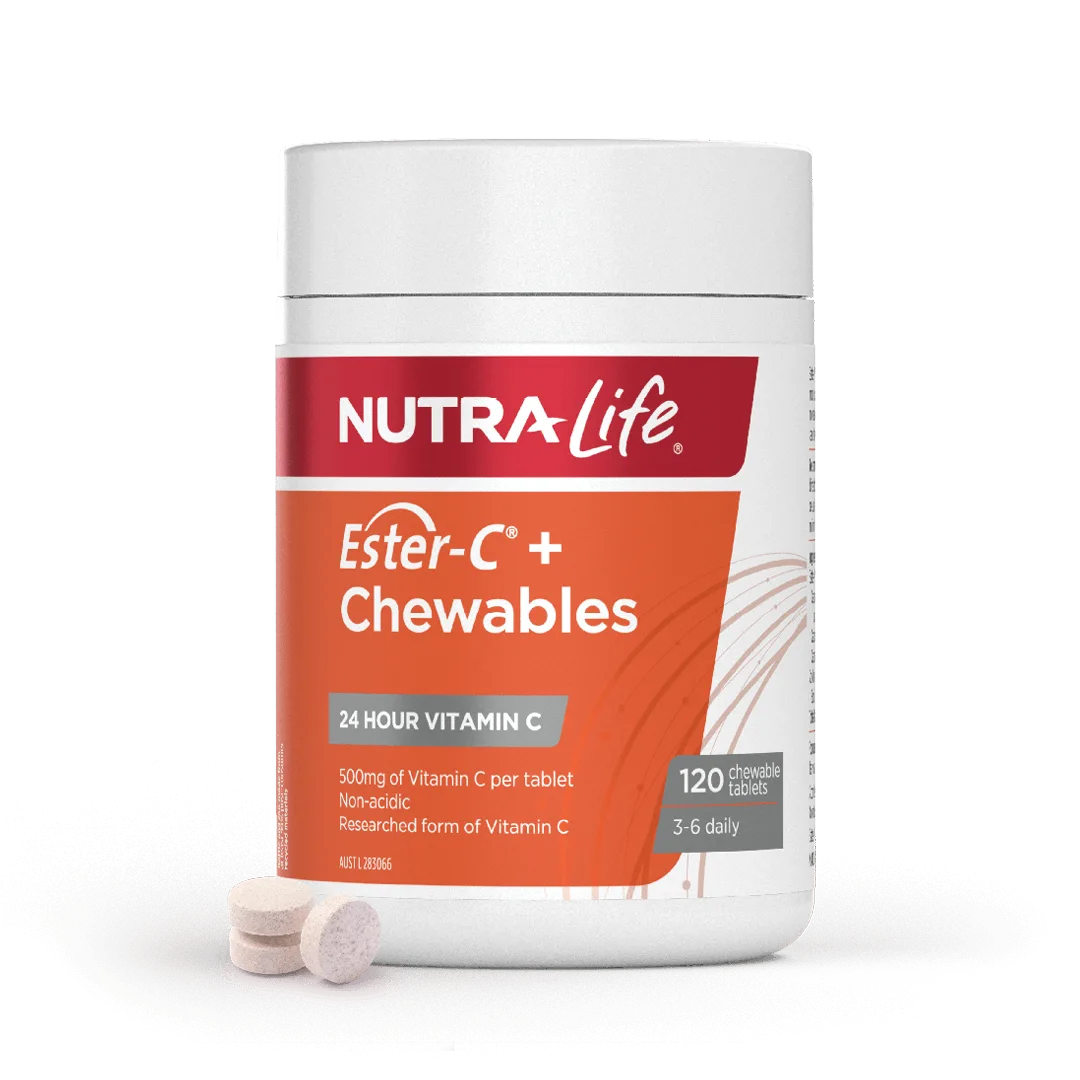
Ester-C+ Chewables
- Split vitamin C doses (e.g., 500 mg twice daily)
- Take vitamin D with a fatty meal
- Take zinc separately from calcium and iron supplements
Choosing the Right Supplement: What to Look For
When selecting a vitamin C supplement, consider the form. Ascorbic acid is the most common and cost-effective, but it can be acidic. Buffered forms like Ester-C are gentler and may be better for sensitive stomachs. Check the label for additional bioflavonoids, which can enhance absorption.
For vitamin D, look for D3 (cholecalciferol) rather than D2, as D3 is more effective at raising blood levels. The dose matters too—many experts recommend 1000–2000 IU daily for general health, but higher doses may be needed if you’re deficient. Always pair it with vitamin K2 for better calcium utilization, though not all supplements include it.
Zinc supplements come in various forms. Zinc gluconate, zinc acetate, and zinc picolinate are common. The recommended dietary allowance is 11 mg for men and 8 mg for women, but many immune support formulas contain 15–30 mg. Avoid exceeding 40 mg per day long-term, as it can interfere with copper absorption.
- Opt for vitamin D3 over D2
- Choose zinc picolinate or citrate for better absorption
- Check for added bioflavonoids in vitamin C supplements
Lifestyle Factors That Enhance Immune Support
Supplements work best when combined with a healthy lifestyle. Sleep is crucial—during deep sleep, your body produces cytokines that help fight infection. Aim for 7–9 hours of quality sleep each night. Stress management is also key; chronic stress suppresses immune function, so incorporate relaxation techniques like meditation or deep breathing.
Regular exercise boosts circulation and immune surveillance, but avoid overtraining, which can temporarily weaken immunity. A balanced diet rich in fruits, vegetables, lean proteins, and healthy fats provides the micronutrients your immune system needs. Hydration is often overlooked but is essential for mucosal health.
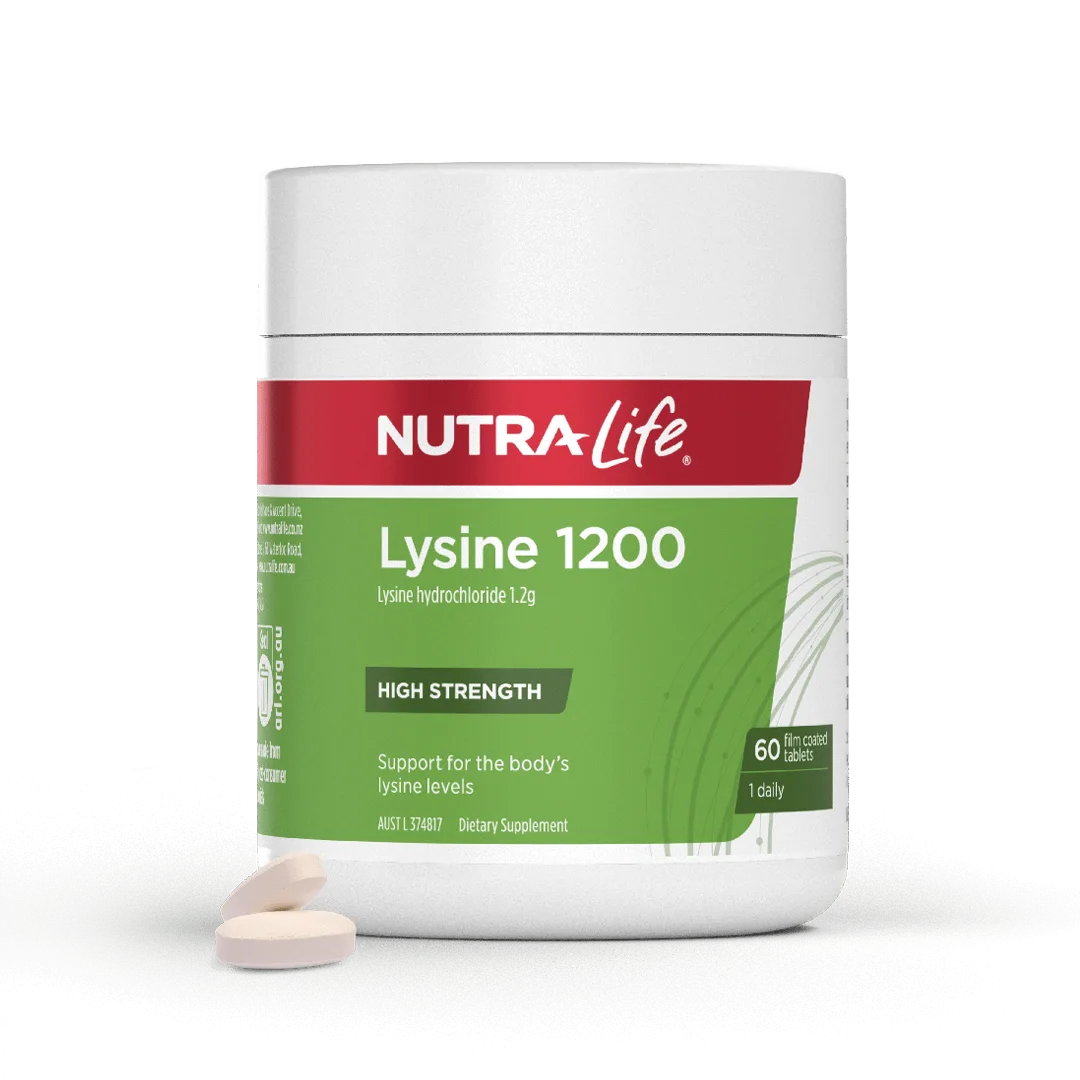
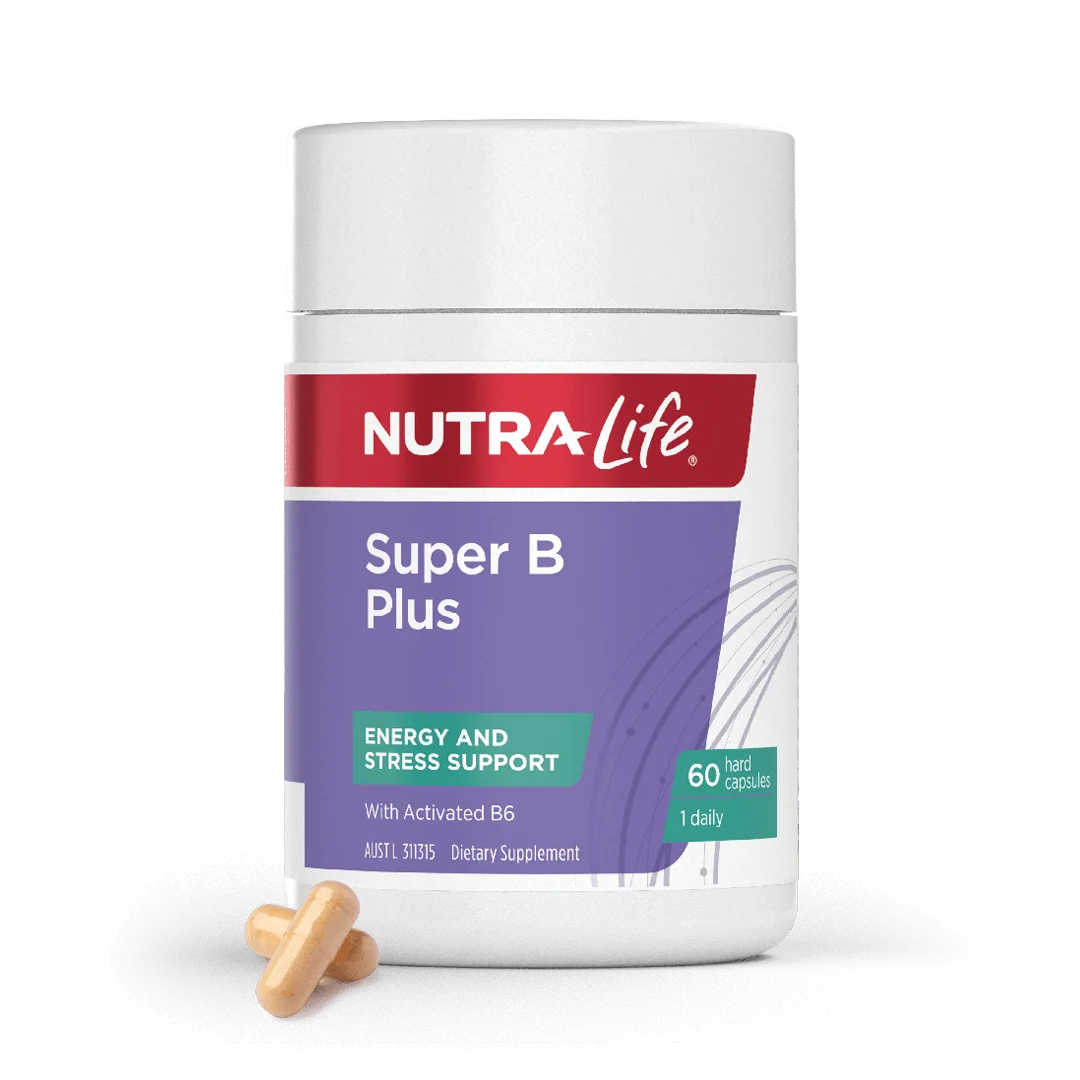
If you find it challenging to get all your nutrients from food alone, consider a comprehensive supplement. For example, Super B Plus provides B vitamins that support energy and immune function, while Lysine 1200 can help with cold sores and immune support. Remember, supplements are an addition to—not a replacement for—a healthy lifestyle.
- Prioritize 7–9 hours of sleep nightly
- Manage stress with mindfulness or yoga
- Stay hydrated and eat a colorful diet
Common Mistakes to Avoid When Supplementing
One common mistake is taking mega-doses of vitamin C hoping for a quick fix. The body can only absorb so much at once—excess is excreted in urine. Stick to recommended doses unless advised otherwise by a healthcare professional.
Another error is neglecting vitamin D testing. Many people are deficient without knowing it. A simple blood test can tell you if you need a higher dose. Similarly, don’t assume more zinc is better; excessive zinc can cause nausea and interfere with copper absorption.
Finally, consistency is key. These nutrients need to be taken regularly to maintain optimal levels. Set a daily reminder or incorporate them into your morning routine. If you’re prone to forgetting, look for combination products that simplify your regimen.
- Avoid mega-dosing on vitamin C
- Get your vitamin D levels tested
- Don't exceed 40 mg of zinc per day
Supporting your immune system is a year-round commitment, and vitamin C, D, and zinc are foundational nutrients that can help. By understanding how they work, how to take them, and what to look for in supplements, you can make choices that benefit your health. For a convenient high-dose option, consider High Strength Vitamin C 1200mg 150t—it’s a simple way to get your daily vitamin C. Remember to pair it with a balanced diet and healthy habits for the best results.