Quick Answer
Use a vitamin C serum first when your main goal is brightening dark spots or antioxidant defense, because a concentrated treatment serum delivers vitamin C in a lighter, faster-absorbing form. Use a vitamin C day cream when your priority is all-day hydration and a comfortable finish under sunscreen. If your skin tolerates both, layer the serum first, then the day cream, then SPF.
What Each Format Is Actually Good At
A vitamin C serum is a treatment step: it is formulated to deliver vitamin C and supporting ingredients in a lightweight base that sinks in before heavier products. A vitamin C day cream is a moisturizer step: its job is to hydrate, soften, and support the skin barrier through the day, with vitamin C as a supporting antioxidant rather than the entire point of the product.
That difference changes how you shop. If uneven tone or dark spots are your main concern, the serum format usually gives you the more targeted option. If your skin feels tight, flaky, or dull by mid-morning, the cream format solves a problem a serum alone will not.
How to Layer Vitamin C Serum and Day Cream
Order matters more than most people expect. Apply the thinner, treatment-style product first: cleanse, then vitamin C serum, then eye cream if you use one, then vitamin C day cream, then sunscreen as the final step. Waiting about 30 to 60 seconds between the serum and the cream gives the serum time to settle and reduces the chance of pilling.
If you are short on time in the morning, you do not have to use both every day. Many people alternate: serum on days they want more brightening focus, day cream alone on days they need speed or their skin feels sensitive.
- Cleanse, then apply vitamin C serum to slightly damp skin.
- Wait briefly, then smooth on your vitamin C day cream.
- Finish with SPF every morning, even on cloudy days.
- If pilling happens, use less of each product and pat rather than rub.
Texture, Finish, and Sensitive-Skin Trade-Offs
Serums tend to feel watery and disappear quickly, which suits oily and combination skin but can leave dry skin wanting more. Day creams are richer and leave a more cushioned finish, which is comforting for dry or dehydrated skin but can feel heavy in humidity or under makeup.
If your skin is reactive, introduce one new vitamin C product at a time rather than both in the same week. A day cream with vitamin C is often the gentler entry point because it is buffered in a moisturizing base, while a concentrated serum is the stronger option once you know your skin tolerates vitamin C.
Trade-Offs at a Glance
- Brightening focus: A vitamin C serum is built as a concentrated treatment, which is why it is usually the better pick for dark spots and uneven tone. Pick the serum if tone is your main complaint.
- All-day comfort: A vitamin C day cream hydrates and leaves a cushioned finish, but its vitamin C content is not the same as a dedicated treatment. Pick the day cream if dryness or tightness is your main complaint.
- Layering effort: Using both adds a step and a short wait time; skipping the wait is the most common cause of pilling and rolling under sunscreen. Use both only if you will actually keep the order and the pause.
Two Options From Our Catalog
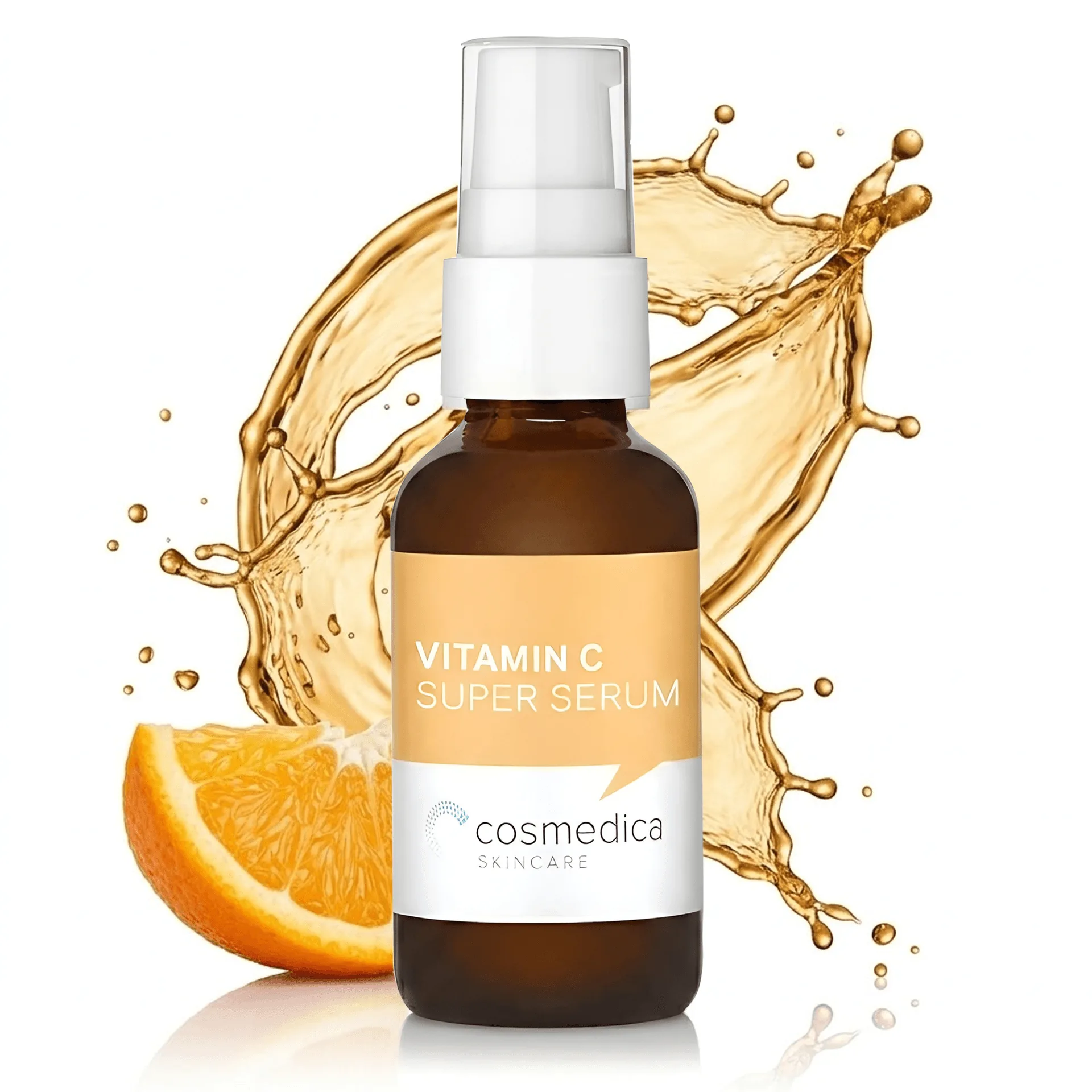
- Cosmedica Skincare Vitamin C Serum for Face with Hyaluronic Acid – Anti Aging Serum for Dark Spots, Fine Lines, Wrinkles – Hydrating Collagen Booster for Women & Men: This treatment serum combines three stabilized forms of vitamin C with multi-molecular hyaluronic acid to target fine lines, wrinkles, dark spots, and uneven skin tone. Choose this format when brightening and antioxidant defense are the priority, since it is built as a targeted treatment rather than a moisturizer.
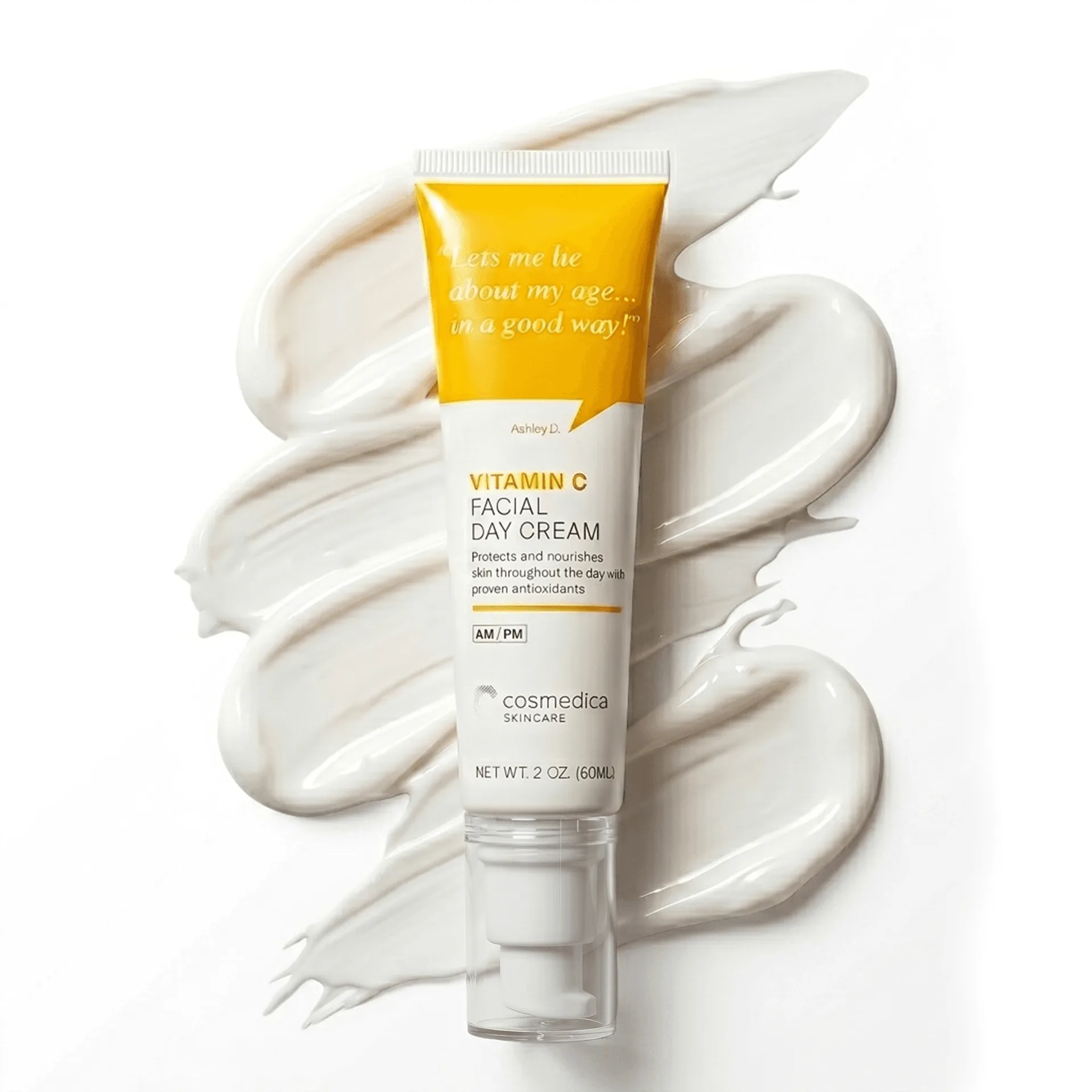
- Vitamin C Facial Day Cream: This daytime moisturizer is formulated with proven antioxidants for daytime hydration and is designed to add protection against the sun's damage when layered with SPF. Choose this format when you want one step that hydrates and supports antioxidant protection, especially if you already layer SPF every morning.
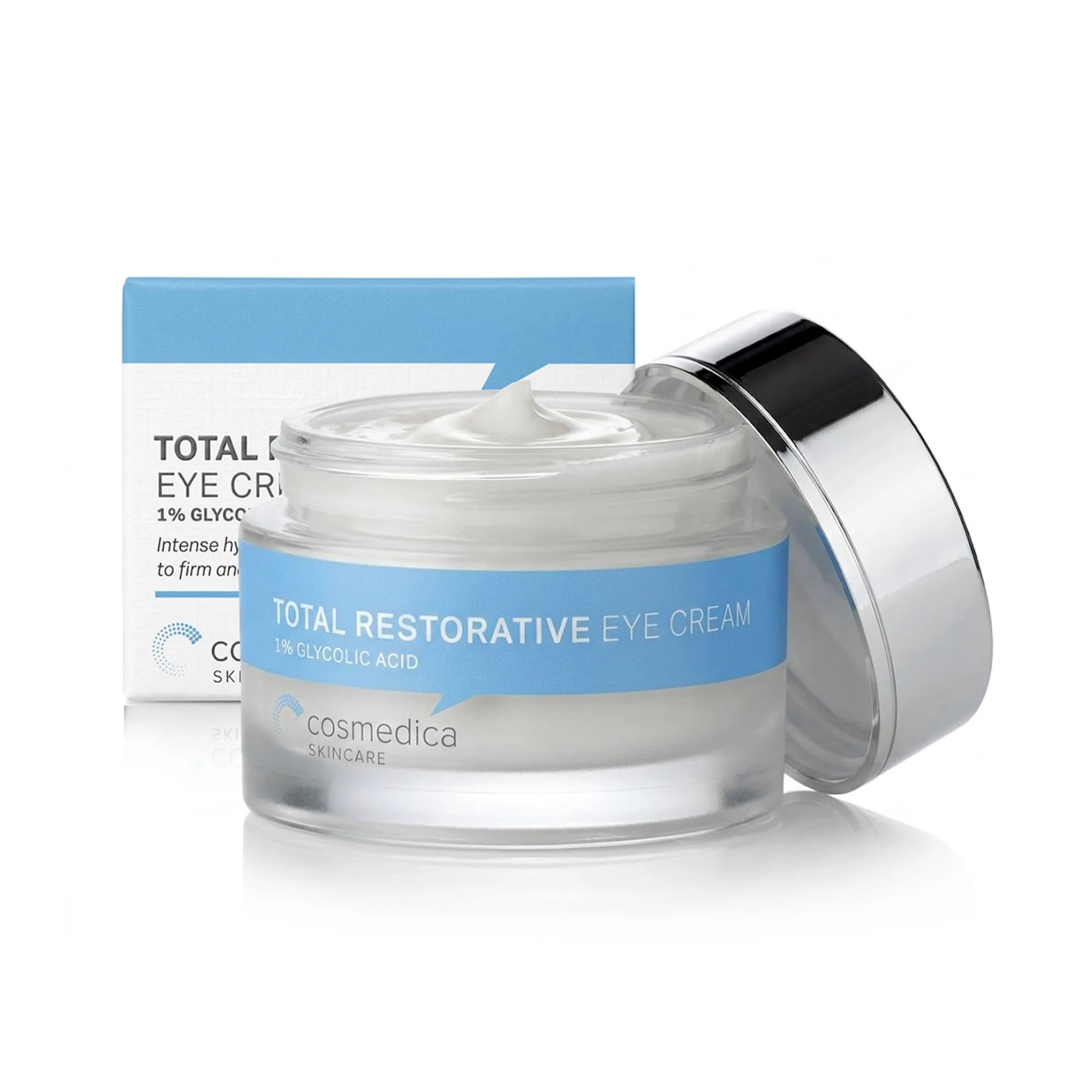
- Cosmedica Skincare Eye Cream 0.7 Ounce | Anti-Aging Hydration Eye Cream with Green Tea Caffeine Peptide Complex | Lightweight Non-Greasy Formula for Dark Circles Puffiness Wrinkles Fine Lines: This eye cream is formulated with green tea, caffeine, and a peptide complex in a lightweight, non-greasy formula for dark circles and puffiness. If dark circles are part of your concern, an eye-specific product fits between your serum and day cream without adding a heavy layer to the face.
Which Should You Choose?
Best for
- Shoppers whose main goal is fading the look of dark spots and uneven tone
- People who already use a separate moisturizer they like and want a targeted treatment step
- Oily or combination skin that prefers a lightweight, fast-absorbing texture
Not for
- Anyone whose skin feels dry and tight by midday and needs lasting hydration first
- Shoppers who want to simplify their morning routine to as few steps as possible
- People who have not yet confirmed their skin tolerates vitamin C and want the gentler entry point
Start with the format that matches your main complaint, not the one with more hype. If tone is the issue, begin with a vitamin C serum; if comfort is the issue, begin with a vitamin C day cream. Add the second product only after the first has been in your routine for a couple of weeks without irritation.