Quick Answer
Vitamin C won't prevent a cold, but it may help reduce the duration and severity of symptoms when taken regularly. For immune support, choose a non-acidic form like Ester-C, which is gentle on the stomach and provides 24-hour coverage.
When cold and flu season arrives, many people reach for vitamin C as their first line of defense. But does it actually work? The short answer is: vitamin C isn't a magic shield against colds, but it can play a supporting role in your immune health.
In this article, we'll separate fact from fiction, explain how vitamin C works in the body, and give you practical advice on dosage and product selection—so you can make an informed choice for your wellness routine.
What Vitamin C Can and Can't Do
Vitamin C is an essential nutrient that supports natural immunity. While it won't stop you from catching a cold, research suggests that taking it regularly may help decrease the duration of colds. This means you might recover faster and experience milder symptoms.
However, vitamin C is not a cure. It won't prevent you from getting sick, and taking it after symptoms start won't magically make them disappear. The key is consistency—regular intake may help your immune system respond more efficiently when you do encounter a cold virus.
- Don't expect vitamin C to prevent colds—it's not a vaccine.
- Regular use may shorten cold duration and reduce symptom severity.
- Start early: if you feel a cold coming on, take vitamin C as soon as possible.
Choosing the Right Form: Why Non-Acidic Matters
Not all vitamin C supplements are created equal. Traditional ascorbic acid can be harsh on the stomach, especially at higher doses. That's why many people prefer a non-acidic, buffered form like Ester-C, which is gentler and less likely to cause digestive upset.
Ester-C is a researched form of vitamin C that provides 24-hour immune support. Unlike regular vitamin C, which is water-soluble and quickly excreted, Ester-C is designed to stay in your white blood cells longer, giving you extended coverage. This makes it a smart choice for daily immune maintenance.
- If you have a sensitive stomach, opt for a non-acidic formula.
- Look for 'Ester-C' on the label for a gentler, longer-lasting option.
- Consider chewables if you dislike swallowing tablets.
Dosage and Timing for Cold Season
For general immune support, most experts recommend a daily dose of 250–500 mg. During a cold, some people increase to higher doses, but it's important not to exceed the upper limit of 2,000 mg per day to avoid digestive issues.
Consistency matters more than timing. Taking vitamin C at the same time each day helps maintain steady levels in your body. Some people prefer to split their dose—once in the morning and once in the evening—to keep levels even higher throughout the day.
- Start with 250–500 mg daily for maintenance.
- During a cold, you can temporarily increase to 1,000 mg, but don't exceed 2,000 mg.
- Split doses if you take more than 500 mg to reduce stomach upset.
Combining Vitamin C with Other Immune Supporters
Vitamin C works well alongside other immune-supporting nutrients. For example, bioflavonoids, which are often found in the same supplement, can enhance the effectiveness of vitamin C. They help your body absorb and use it more efficiently.
If you're also taking probiotics for gut health, you can take them together. Vitamin C and probiotics don't interfere with each other, and a healthy gut supports your overall immune function. Just be mindful of taking high doses of vitamin C at the same time as probiotics, as the acidic environment might affect the probiotic bacteria—though this is rarely a problem with Ester-C.
- Look for vitamin C formulas that include bioflavonoids for better absorption.
- You can take vitamin C and probiotics together without concern.
- Pair vitamin C with a balanced diet rich in fruits and vegetables.
Myth vs. Fact: Vitamin C and Colds
- Myth: Vitamin C prevents colds: There's no evidence that vitamin C can prevent you from catching a cold. It's not a cure-all. Don't rely on it alone; practice good hygiene and a healthy lifestyle.
- Fact: Vitamin C may shorten colds: Taking vitamin C regularly may help decrease the duration and severity of cold symptoms. Consistency is key—make it a daily habit during cold season.
- Myth: All vitamin C is the same: Non-acidic forms like Ester-C are gentler on the stomach and may provide longer-lasting support. Choose a form that fits your needs and comfort.
Nutralife Vitamin C Options
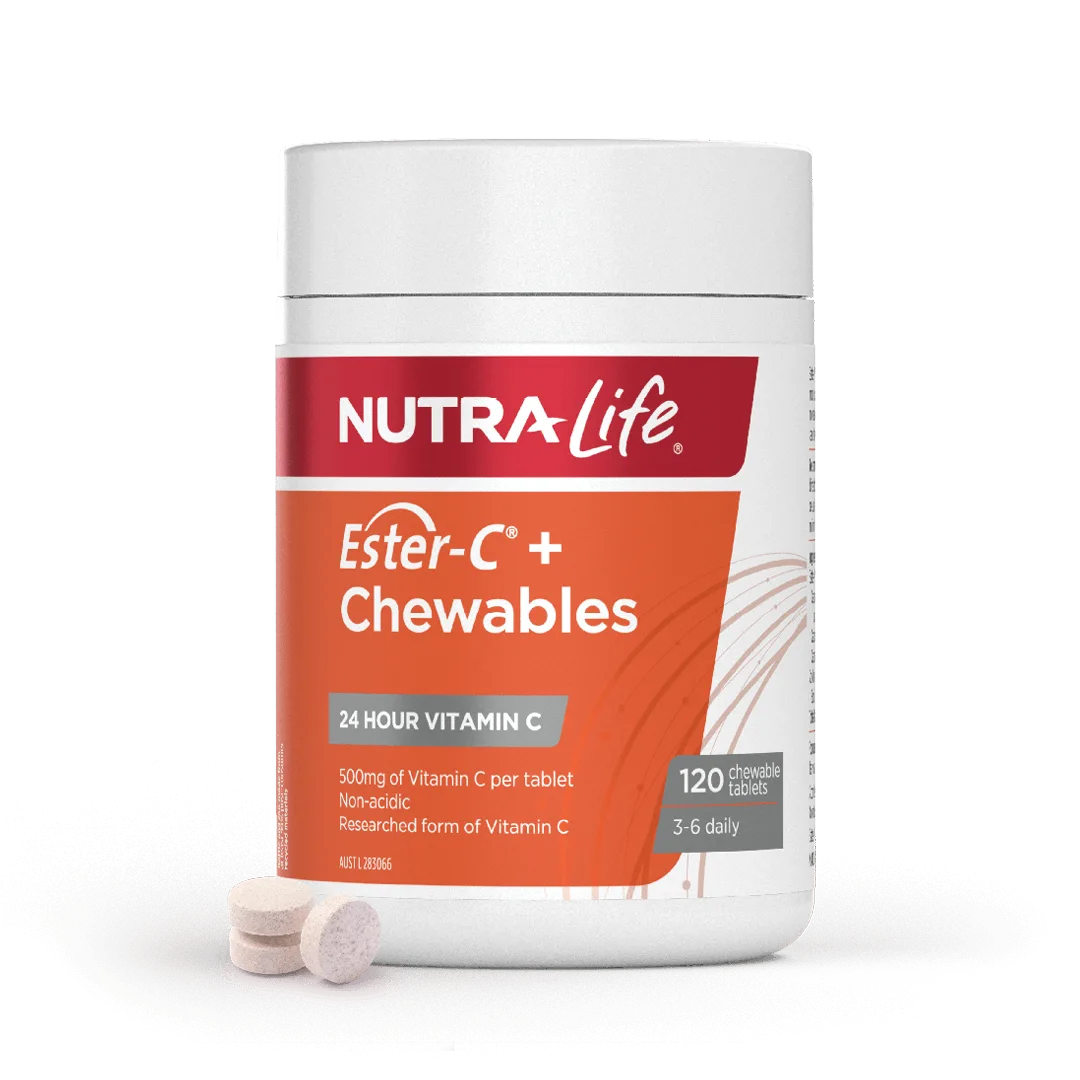
- Ester-C+ Chewables: Provides 24-hour immune support in a chewable tablet. Made from a non-acidic, researched form of Vitamin C that supports natural immunity. May aid in decreasing the duration of colds when taken regularly. If you prefer a chewable and have a sensitive stomach, this is a convenient, gentle option that you can take daily to support your immune system.
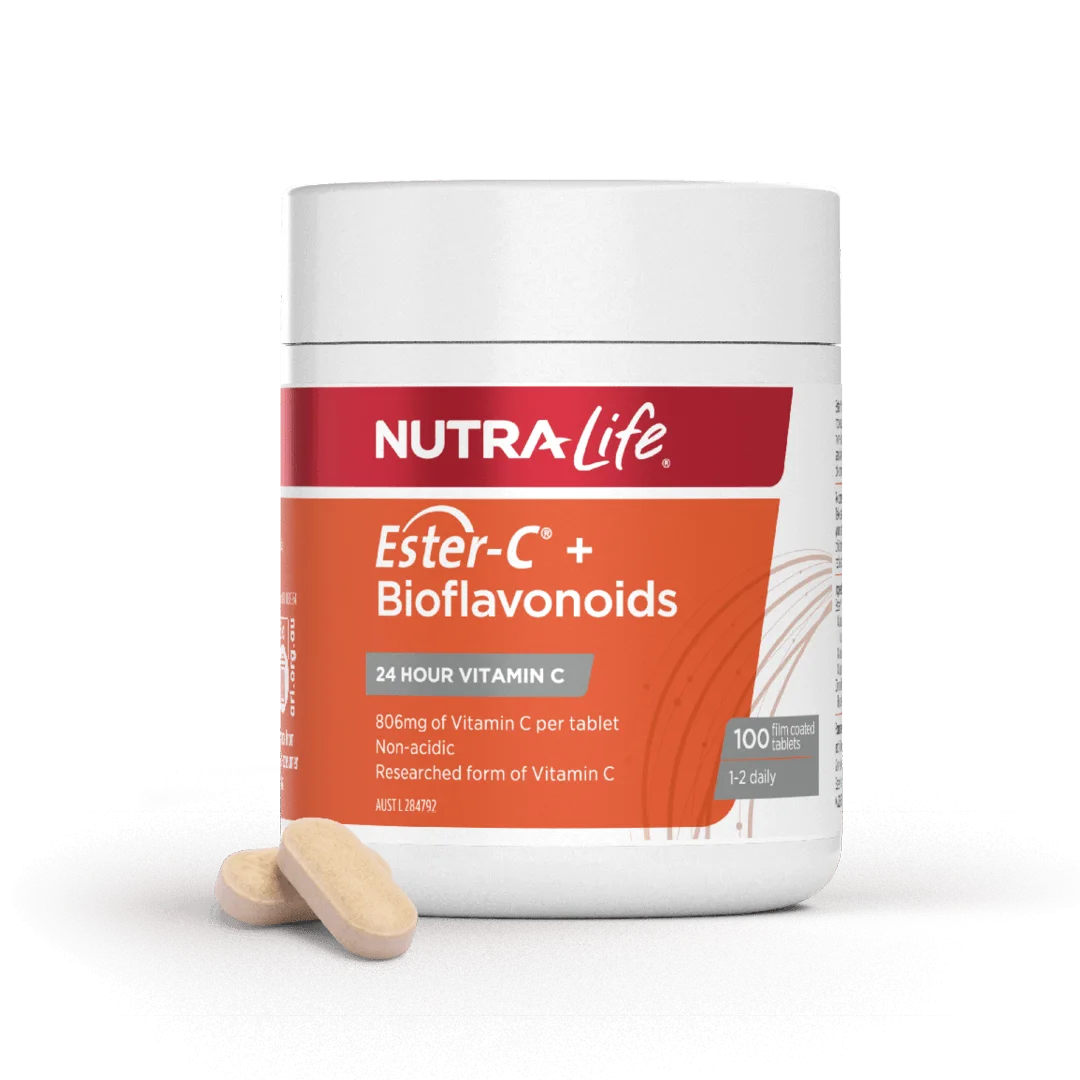
- Ester-C + Bioflavonoids: Provides 24 hour immune support and decreases the duration & severity of common cold symptoms. Made from a non-acidic, researched form of Vitamin C that supports natural immunity. This tablet adds bioflavonoids, which may help your body use vitamin C more effectively—great for those who want extra support during cold season.
Vitamin C isn't a miracle cure for colds, but it's a valuable part of a proactive immune-support routine. By choosing the right form, taking it consistently, and combining it with other healthy habits, you can give your body the support it needs to fight off seasonal bugs more effectively.