Vitamin C vs. Other Serums: The Core Difference
The main difference between a vitamin C serum and other serums lies in its primary goal: brightening and evening skin tone while providing antioxidant protection. Other serums target hydration, anti-aging, acne, or barrier repair. Your choice depends on what your skin needs most right now.
Vitamin C serums, like the one from Public Goods formulated with Kakadu Plum extract and hyaluronic acid, focus on supporting a more luminous complexion and defending against environmental stress. If your main concern is uneven tone or dullness, vitamin C is a strong candidate.
What the Vitamin C Serum Offers
-
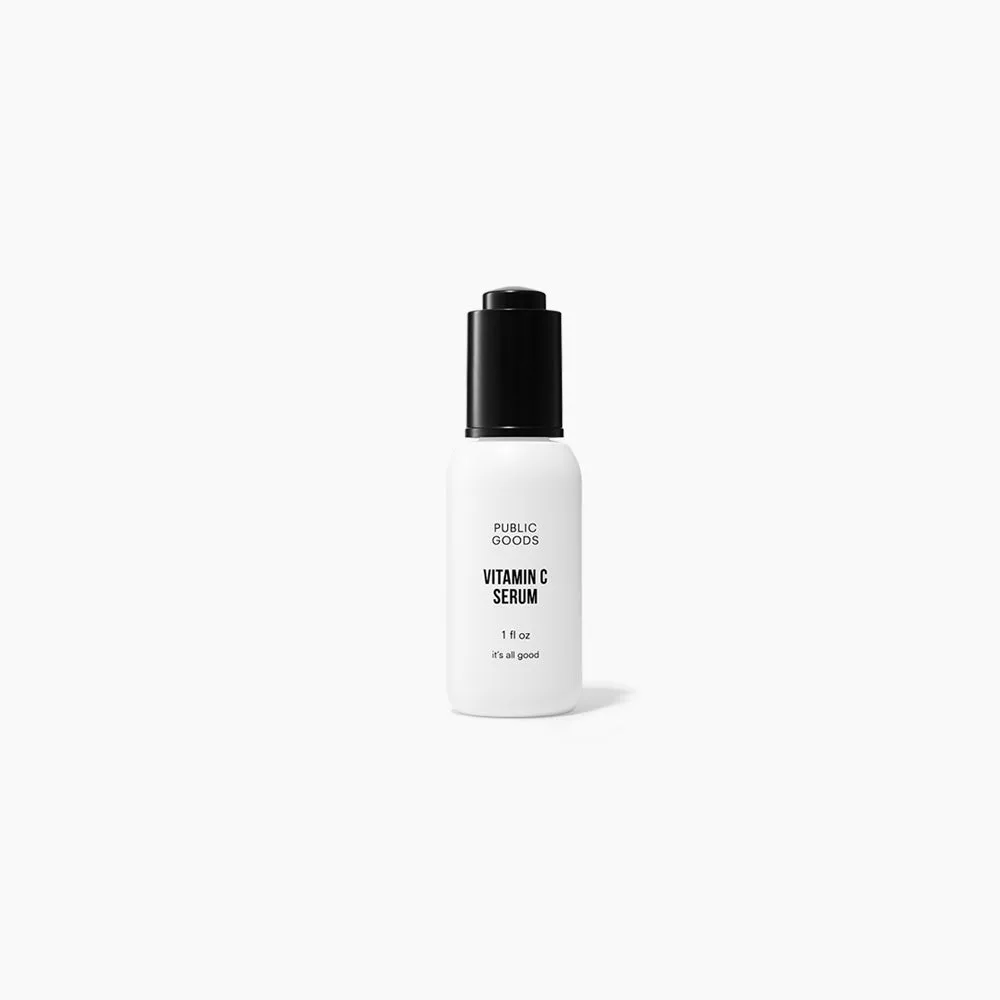
Vitamin C Serum: A lightweight serum formulated with Kakadu Plum—an abundant natural source of vitamin C—to help brighten and even the appearance of skin tone. The 2.0% botanical extract works alongside hyaluronic acid to support hydration and a smoother, more luminous complexion. This shows that the serum is not just about vitamin C; it also includes hyaluronic acid for hydration, making it a multitasking product for brightening and moisturizing.
Vitamin C Serum
-
Vitamin C Serum: Fragrance-free and quick to absorb, it offers antioxidant support while remaining suitable for daily use across all skin types. Fragrance-free and suitable for all skin types reduces the risk of irritation, a common concern when choosing a serum.
Vitamin C Serum vs. Hydrating Serum
Hydrating serums typically rely on ingredients like hyaluronic acid, glycerin, or ceramides to draw moisture into the skin. They are ideal for dry or dehydrated skin and work well under moisturizer.
A vitamin C serum can also provide hydration if it contains humectants like hyaluronic acid (as the Public Goods serum does), but its primary function is brightening and antioxidant protection. If your main goal is deep hydration, a dedicated hydrating serum might be more effective. If you want both brightness and hydration, a vitamin C serum with hyaluronic acid can serve dual purposes.
- Primary goal: Vitamin C: brightening, even tone, antioxidant. Hydrating: moisture retention.
- Key ingredients: Vitamin C: Kakadu Plum extract, hyaluronic acid. Hydrating: hyaluronic acid, glycerin, ceramides.
- Best for: Vitamin C: dullness, uneven tone, environmental stress. Hydrating: dryness, dehydration.
Vitamin C Serum vs. Retinol Serum
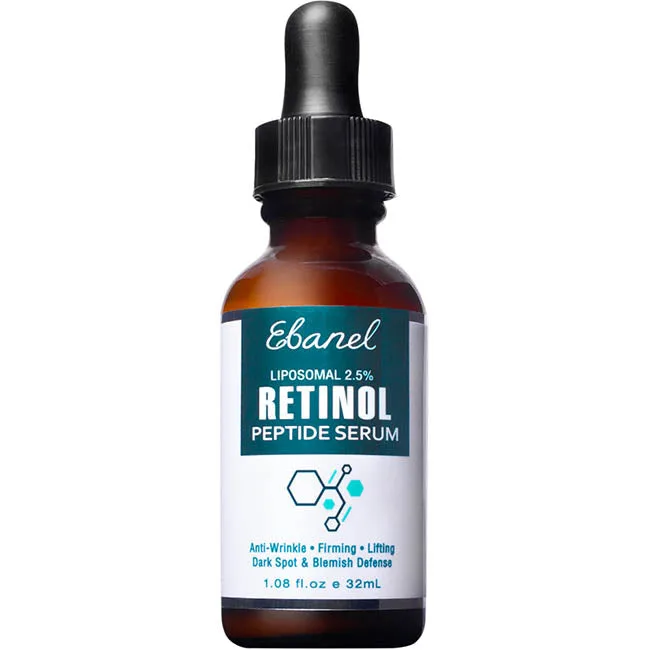
Retinol serums are designed to accelerate cell turnover, reduce fine lines, and improve texture. They are potent and can cause irritation, especially for beginners.
Vitamin C and retinol target different concerns. Vitamin C works on the surface to brighten and protect, while retinol works deeper to remodel skin. They can complement each other if used at different times of day (vitamin C in the morning, retinol at night), but they are not direct substitutes. If your priority is anti-aging, retinol may be more targeted; if you want immediate brightness and antioxidant defense, vitamin C is the better choice.
- Primary goal: Vitamin C: brightening, antioxidant. Retinol: anti-aging, cell turnover.
- Irritation potential: Vitamin C: generally low, fragrance-free options available. Retinol: higher, requires gradual introduction.
- Usage time: Vitamin C: typically morning. Retinol: typically night.
Vitamin C Serum vs. Hyaluronic Acid Serum
Hyaluronic acid serums are purely about hydration, holding up to 1000 times their weight in water. They are excellent for plumping the skin and reducing the appearance of fine lines caused by dehydration.
If your skin is already well-hydrated and you need antioxidant protection and brightness, vitamin C is the better choice. If your skin feels tight or looks dehydrated, a hyaluronic acid serum may be more effective. The Public Goods vitamin C serum includes hyaluronic acid, so it offers some hydration, but not as much as a dedicated hyaluronic acid serum.
- Primary goal: Vitamin C: brightening, antioxidant. Hyaluronic acid: intense hydration.
- Texture: Vitamin C: lightweight, quick-absorbing. Hyaluronic acid: gel-like, can be layered.
- Best for: Vitamin C: dullness, uneven tone, environmental stress. Hyaluronic acid: dehydration, fine lines from dryness.
How to Decide Which Serum Is Right for You
Start by identifying your primary skin concern. If you want a brighter, more even complexion and protection from environmental damage, a vitamin C serum is a solid choice. If hydration is your main issue, a hyaluronic acid or hydrating serum may serve you better. For anti-aging, consider retinol, but be aware of its potential for irritation.
You can also layer serums: apply vitamin C in the morning for antioxidant protection, and a hydrating or retinol serum at night. Always patch test new products, especially if you have sensitive skin. The Public Goods vitamin C serum is fragrance-free and suitable for all skin types, which reduces the risk of irritation, but individual reactions can still occur.