Quick Answer
If your main goal is brightening, fading dark spots, and defending against daily environmental stress, a vitamin C serum is a gentle, daytime-friendly choice. If you're targeting fine lines and deeper texture issues alongside brightness, retinol works but needs nighttime use and a longer adjustment period. Many routines use both—vitamin C in the morning, retinol at night—but if you're just starting, vitamin C is often easier to tolerate.
Brightening serums come in many forms, but two names dominate the conversation: vitamin C and retinol. Both can improve radiance, but they work differently and suit different skin types and schedules. Understanding those differences helps you pick a serum that actually fits your routine—not just one with a buzzword on the label.
This comparison focuses on the practical trade-offs: when to use each, what results to expect, and how to layer them if you want both. We’ll also point you to specific products that make starting easier, especially if your skin is sensitive or you're new to active ingredients.
How Vitamin C Serum Works for Brightening
Vitamin C is a water-soluble antioxidant that helps neutralize free radicals from UV exposure and pollution. By reducing oxidative stress, it helps prevent dullness and supports a more even tone. Over time, it can also help fade the look of dark spots by interrupting excess melanin production.
One of the biggest advantages of vitamin C is its compatibility with daytime routines. It doesn't increase sun sensitivity the way retinol can, so you can use it every morning under sunscreen. This makes it a practical choice for people who want visible glow without changing their sleep schedule or dealing with a long adjustment period.
- Use vitamin C in the morning before moisturizer and sunscreen for antioxidant protection.
- Store your serum away from direct light to keep it effective longer.
How Retinol Compares for Brightening and Texture
Retinol is a form of vitamin A that speeds up cell turnover. It encourages fresh skin cells to surface, which can reveal brighter skin and smooth out rough texture. It's especially effective for fine lines and clogged pores, making it a multi-tasker beyond just brightening.
However, retinol is more demanding. It can cause dryness, peeling, and irritation, especially in the first few weeks. It's also best used at night because it can make skin more sensitive to the sun. If you have sensitive skin or a busy schedule, that adjustment can feel like a hurdle.
- Start with retinol two to three nights a week and build up gradually.
- Always apply sunscreen the morning after retinol use.
Vitamin C vs. Retinol: Key Trade-Offs
The main trade-off is speed versus tolerance. Vitamin C gives a more immediate glow and is gentler, but its brightening effects on deep dark spots can take longer. Retinol can be more potent for texture and fine lines, but it requires patience and a slower introduction to avoid irritation.
Another difference is timing. Vitamin C suits morning use; retinol is a nighttime ingredient. If you're not a morning person, retinol might fit your routine better—but if you want a daily antioxidant boost, vitamin C is the clear winner. Some people use both on different days to get the benefits without overwhelming their skin.
- If you have dry or sensitive skin, start with vitamin C before trying retinol.
- For deep wrinkles, retinol may be more effective, but pair it with a hydrating moisturizer.
Choosing the Right Brightening Serum for Your Skin
Your choice depends on your primary concern. If you're dealing with dullness, uneven tone, or early dark spots and you want a gentle daily option, a vitamin C serum is a smart pick. If fine lines and texture bother you more, retinol might be worth the adjustment.
Also consider your current routine. If you already use exfoliating acids or other actives, adding retinol may be too much. Vitamin C is easier to layer. And if you're new to brightening ingredients, starting with vitamin C lets you see results without the risk of a bad reaction.
- If you have acne-prone skin, retinol can help with breakouts, but vitamin C is less likely to irritate.
- When in doubt, alternate: vitamin C in the morning and retinol at night, but only if your skin tolerates both.
The Trade-Offs at a Glance
- Vitamin C for daily glow: Gentle enough for morning use, provides antioxidant protection, and helps fade dark spots over time with consistent application. Best for sensitive skin and anyone who wants a low-irritation brightening boost.
- Retinol for texture and fine lines: Potent cell turnover can smooth wrinkles and improve tone, but it requires nighttime use and a gradual introduction to avoid peeling. Choose retinol if deep texture is your main concern and you can commit to a slow start.
- Using both strategically: Vitamin C in the morning and retinol at night can address both daily stress and long-term renewal, but you need to monitor your skin's tolerance. Start with one, then add the other after a few weeks if your skin stays calm.
Brightening Serums and Kits from Shop Womaness
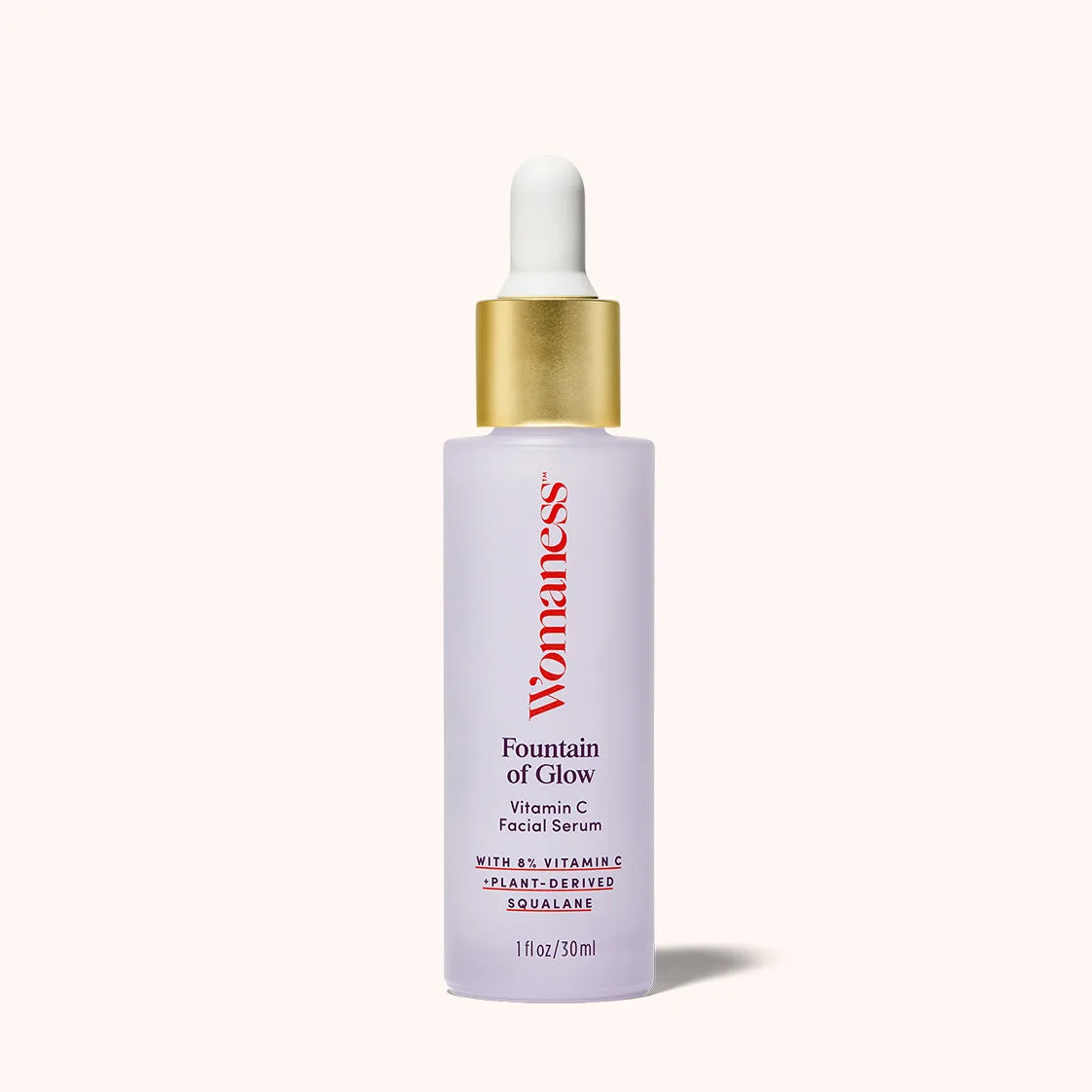
- Fountain of Glow: Vitamin C + Antioxidant Face Serum This serum is formulated with vitamin C and antioxidants, making it a straightforward addition to a morning routine for brightening and environmental protection.
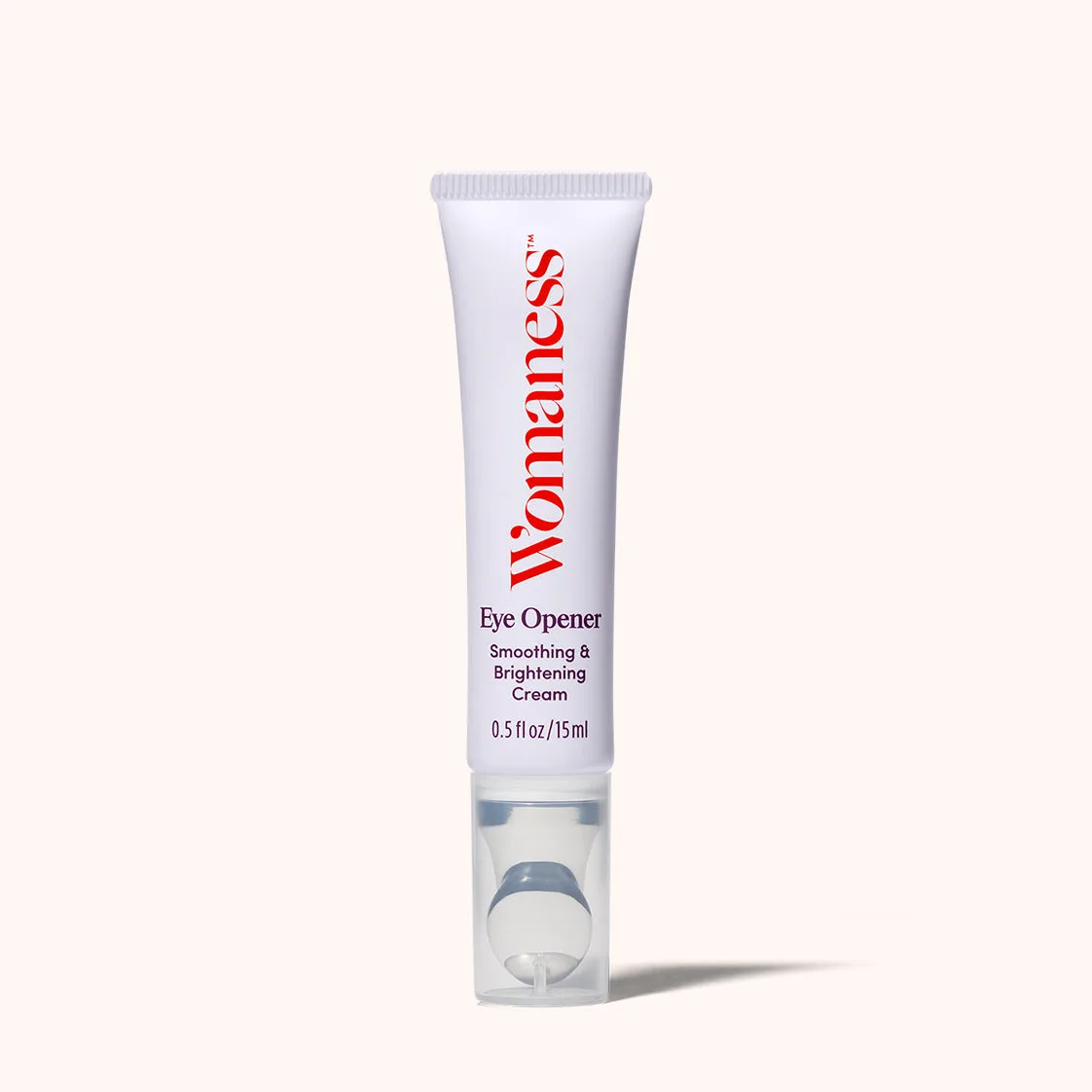
- Eye Opener: Smoothing + Brightening Cream If your dark spots or dullness are around the eyes, this cream targets that delicate area with smoothing and brightening ingredients without the irritation of a full-face retinol.
Which Brightening Serum Fits You?
Best for
- Vitamin C serum is best for those with sensitive skin, beginners to actives, or anyone needing daytime antioxidant protection.
- Retinol is best for those focused on fine lines, rough texture, and who can handle a nighttime adjustment period.
Not for
- Retinol is not for those with very sensitive skin or who can't commit to consistent sunscreen use.
- Vitamin C alone may not be enough if your primary concern is deep wrinkles or severe texture issues.
The right brightening serum depends on your skin's tolerance, your schedule, and your main concern. For a gentle, daily glow and dark spot fading, vitamin C is a reliable choice. If you're ready for a stronger commitment to texture and fine lines, retinol can deliver—but start slow. And if you want both, you can alternate them to get the benefits without overwhelming your skin.