Vitamin C has become a cornerstone of modern skincare, and for good reason. This potent antioxidant offers a range of benefits that can transform your complexion, from fading dark spots to defending against environmental damage. Whether you are new to active ingredients or a seasoned enthusiast, understanding how to incorporate vitamin C into your daily routine is essential for achieving healthy, glowing skin.
In this guide, we will explore the key benefits of vitamin C, explain how it works at a cellular level, and provide a step-by-step approach to integrating it seamlessly with your existing products. We will also highlight complementary items that can amplify its effects, such as the Liposomal Hyaluronic Peptide Serum and the Bio Collagen Revive Mask with 7 Peptides and Ultra-Low-Molecular-Weight Collagen.
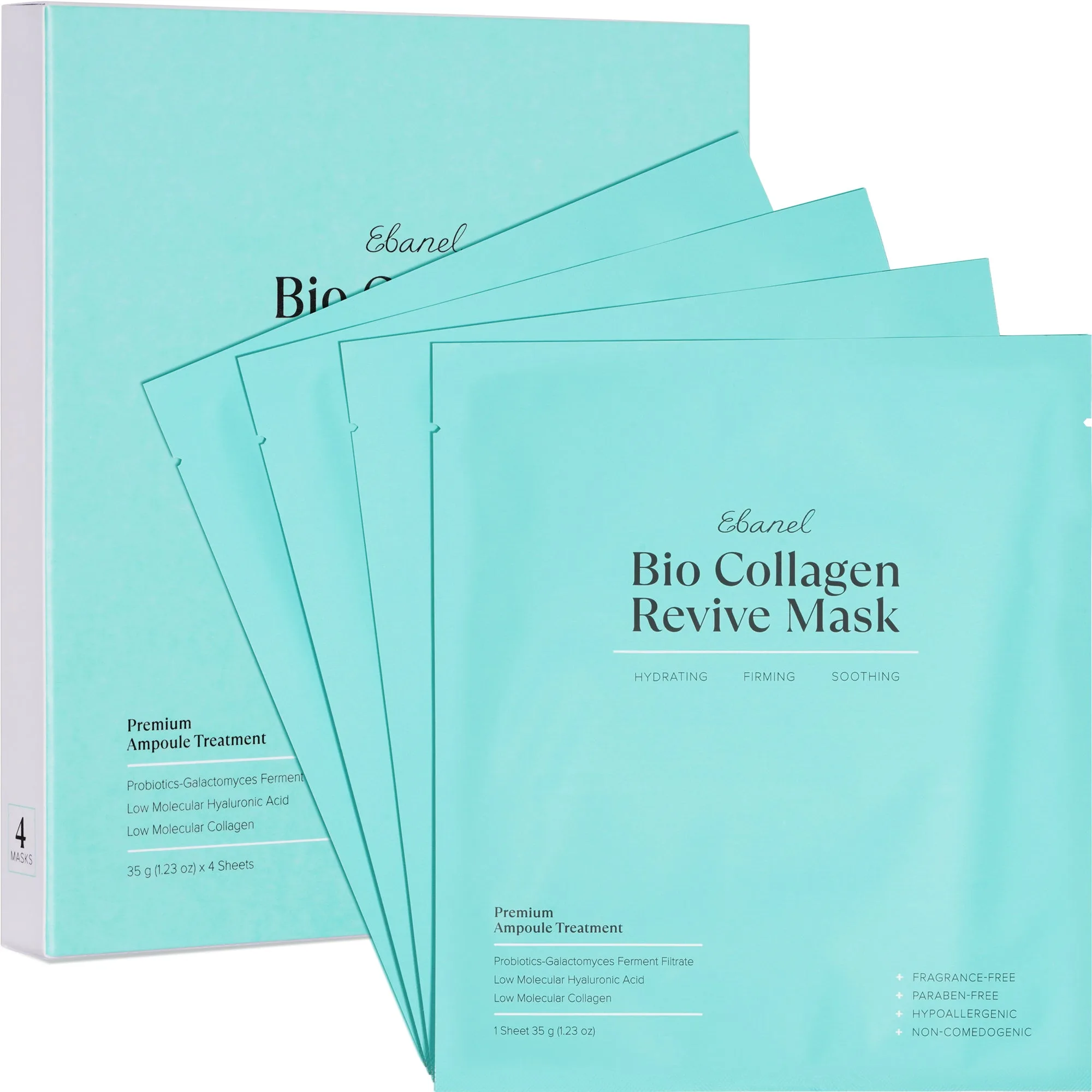
Bio Collagen Revive Mask with 7 Peptides and Ultra-Low-Molecular-Weight Collagen
Why Vitamin C Is a Skincare Powerhouse
Vitamin C, also known as L-ascorbic acid, is a water-soluble vitamin that acts as a powerful antioxidant in the skin. Its primary function is to neutralize free radicals—unstable molecules caused by UV radiation, pollution, and stress that accelerate aging. By donating electrons to these free radicals, vitamin C prevents them from damaging collagen, elastin, and cell membranes.
Beyond antioxidant protection, vitamin C plays a crucial role in collagen synthesis. Collagen is the structural protein responsible for skin firmness and elasticity. As we age, collagen production naturally declines, leading to fine lines and sagging. Topical vitamin C stimulates fibroblasts to produce new collagen, helping to maintain a youthful appearance. Additionally, it inhibits the enzyme tyrosinase, which reduces melanin production and fades hyperpigmentation, sun spots, and acne scars.
- Brightens dull skin and evens out skin tone
- Reduces the appearance of fine lines and wrinkles
- Protects against UV-induced damage (but does not replace sunscreen)
- Speeds up wound healing and reduces inflammation
How to Choose the Right Vitamin C Product
Not all vitamin C formulations are created equal. The most effective forms are L-ascorbic acid, ascorbyl phosphate (a stable derivative), and tetrahexyldecyl ascorbate (a lipid-soluble version that penetrates deeper). Look for concentrations between 10% and 20% for optimal results without irritation. Products packaged in opaque, airtight containers help preserve stability, as vitamin C degrades when exposed to light and air.
For best results, apply vitamin C in the morning after cleansing and before moisturizer. This timing maximizes its antioxidant protection throughout the day. Pairing it with vitamin E and ferulic acid can enhance its stability and efficacy. If your skin is sensitive, start with a lower concentration a few times a week and gradually increase frequency.
- Check the ingredient list for L-ascorbic acid or stabilized derivatives
- Store in a cool, dark place to maintain potency
- Patch test before full application to avoid irritation
Building a Vitamin C Routine: Step by Step
A well-structured routine ensures that vitamin C works synergistically with other active ingredients. Begin with a gentle cleanser to remove impurities without stripping the skin barrier. On damp skin, apply a few drops of a vitamin C serum, gently pressing it into your face and neck. Allow it to absorb for one to two minutes before moving to the next step.
After the serum, follow with a hydrating product like the Liposomal Hyaluronic Peptide Serum, which delivers moisture and peptides to support the skin barrier. This combination boosts hydration and helps vitamin C penetrate more effectively. Next, apply a moisturizer to lock in all the layers, and finish with a broad-spectrum sunscreen of SPF 30 or higher. For evening, you can incorporate a retinol or exfoliant on alternate nights.
- Morning routine: cleanse → vitamin C serum → hyaluronic serum → moisturizer → sunscreen
- Evening routine: double cleanse → treatment (retinol or acid) → moisturizer
- Avoid using vitamin C with strong exfoliants or benzoyl peroxide in the same session
Amplifying Results with Complementary Products
To maximize the brightening and anti-aging benefits of vitamin C, consider adding a weekly treatment mask. The Bio Collagen Revive Mask with 7 Peptides and Ultra-Low-Molecular-Weight Collagen delivers concentrated peptides and collagen to plump the skin and improve texture. Using it once or twice a week can enhance the collagen-boosting effects of your vitamin C serum.
Additionally, a gentle physical or chemical exfoliant can help remove dead skin cells, allowing vitamin C to penetrate more evenly. However, avoid over-exfoliating, as this can compromise the skin barrier. Stick to exfoliating once or twice a week and always follow with a soothing moisturizer. Consistency is key—visible improvements typically appear after four to six weeks of regular use.
- Use the Bio Collagen Revive Mask on clean skin after exfoliation for deeper absorption
- Pair vitamin C with niacinamide for added pore-minimizing and brightening effects
- Stay hydrated and maintain a balanced diet rich in antioxidants for internal support
Incorporating vitamin C into your daily skincare routine is one of the most effective ways to protect your skin from environmental damage, boost collagen production, and achieve a luminous complexion. For a complete brightening regimen, explore the Liposomal Hyaluronic Peptide Serum to complement your vitamin C serum with deep hydration and peptide support. Start with a consistent morning routine, and your skin will thank you with a radiant, youthful glow.