Vitamin E is a skincare powerhouse that often gets overshadowed by trendier ingredients like vitamin C and retinol. Yet this fat-soluble antioxidant has been a staple in dermatology for decades, and for good reason. It protects the skin from environmental stressors, supports moisture retention, and works synergistically with other actives to enhance their benefits. If you're looking to strengthen your skin barrier and fight premature aging, vitamin E deserves a place in your routine.
In this guide, we'll break down the science-backed benefits of vitamin E for skin, how to choose the right formulation (serums, oils, moisturizers), and practical tips for layering it with other products. Whether you have dry, sensitive, or combination skin, you'll learn how to harness the power of this antioxidant to achieve a healthier, more radiant complexion.
What Is Vitamin E and Why Is It Important for Skin?
Vitamin E is a group of fat-soluble compounds with powerful antioxidant properties. The most active and common form in skincare is alpha-tocopherol. It works by neutralizing free radicals—unstable molecules that damage collagen, elastin, and cell membranes, leading to fine lines, dullness, and loss of firmness. By donating an electron to these free radicals, vitamin E helps prevent oxidative stress and keeps your skin looking youthful.
Beyond its antioxidant role, vitamin E is an excellent emollient. It helps strengthen the skin barrier, reducing transepidermal water loss (TEWL) and keeping moisture locked in. This makes it particularly beneficial for dry, flaky, or compromised skin. Additionally, vitamin E has anti-inflammatory properties that can soothe irritation and support skin healing, making it a great addition to post-procedure or sensitive skin routines.
- Neutralizes free radicals from UV and pollution
- Strengthens the skin barrier to prevent moisture loss
- Soothes inflammation and supports skin repair
Key Benefits of Vitamin E in Skincare
One of the most celebrated benefits of vitamin E is its anti-aging action. By protecting collagen and elastin from oxidative damage, it helps reduce the appearance of fine lines and wrinkles. Studies have shown that topical vitamin E can penetrate the skin and accumulate in the epidermis, providing long-lasting antioxidant protection. When combined with vitamin C, the two work synergistically: vitamin C regenerates oxidized vitamin E, and vitamin E enhances vitamin C's photoprotection.
Vitamin E also excels at hydration. As a humectant and emollient, it draws water into the skin and seals it in. This makes it an ideal ingredient for moisturizers, especially for those with dry or mature skin. Additionally, its anti-inflammatory properties can help calm redness and irritation associated with conditions like eczema or acne. For acne-prone skin, vitamin E can help reduce the appearance of post-inflammatory hyperpigmentation (PIH) and support healing without clogging pores.
- Reduces fine lines and wrinkles by protecting collagen
- Deeply moisturizes and improves skin elasticity
- Calms inflammation and fades dark spots over time
How to Use Vitamin E in Your Skincare Routine
Vitamin E can be found in various forms, including serums, oils, and moisturizers. The best choice depends on your skin type and concerns. For a concentrated boost, a vitamin E serum is ideal. Serums typically contain higher concentrations of the active ingredient and are designed to penetrate deeply. Apply a few drops to clean skin before your moisturizer, both morning and night. If you have oily skin, a lightweight serum is preferable to avoid a greasy residue.
For daily hydration, look for a moisturizer that features vitamin E as a key ingredient. These are often formulated with additional emollients like shea butter or hyaluronic acid to lock in moisture. If you prefer a multi-tasking product, consider a vitamin C serum that also contains vitamin E, as the combination boosts antioxidant protection. Remember to always follow with sunscreen in the morning, as vitamin E helps protect against UV damage but does not replace SPF.
- Use a vitamin E serum in the morning or evening for targeted benefits
- Pair with vitamin C for enhanced antioxidant protection
- Always apply sunscreen during the day to maximize vitamin E's effects
Choosing the Right Vitamin E Product for Your Skin
When selecting a vitamin E product, consider your skin type and desired results. For dry or mature skin, a richer formula like a facial oil or a cream-based moisturizer can provide deep nourishment. For oily or combination skin, opt for a lightweight serum or gel-based moisturizer that won't clog pores. Look for products that list tocopherol or tocopheryl acetate high on the ingredient list to ensure an effective concentration.
If you're new to vitamin E, start by using it a few times a week and gradually increase frequency. This helps your skin adjust and minimizes the risk of irritation. As with any new ingredient, patch test first. Our Cosmedica Skincare Retinol Serum 2.5% also contains vitamin E, making it a great choice for those looking to combine anti-aging benefits with antioxidant protection. For a daily moisture boost, our Vitamin C Facial Day Cream includes vitamin E to enhance its brightening effects.
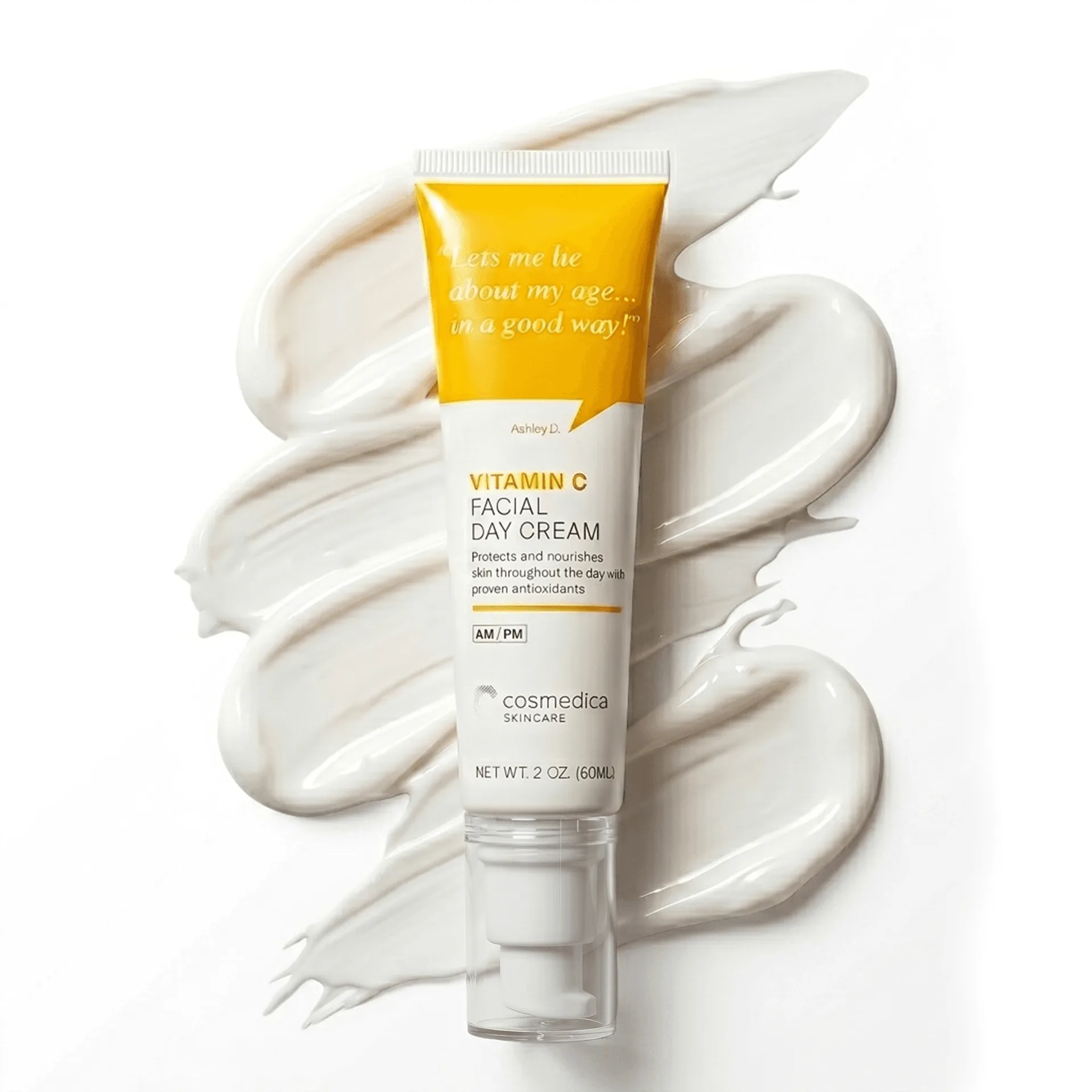
Vitamin C Facial Day Cream
- Check the ingredient list for tocopherol or tocopheryl acetate
- Start with a lower frequency to allow skin to acclimate
- Combine with vitamin C for a powerful antioxidant duo
Vitamin E vs. Other Antioxidants: How It Compares
Vitamin E is often compared to vitamin C, another essential antioxidant. While vitamin C works primarily in the aqueous layers of the skin, vitamin E operates in the lipid (fat) layers, making them complementary. Together, they offer more comprehensive protection than either alone. Niacinamide, another popular antioxidant, focuses on barrier support and oil regulation, while vitamin E excels in moisture retention and anti-aging. Each has its place, but vitamin E's versatility makes it a valuable addition to any routine.
For those with sensitive skin, vitamin E is generally well-tolerated. However, pure vitamin E oil can be heavy and may cause breakouts in acne-prone individuals. In such cases, a serum formulation with a lower concentration or a moisturizer with vitamin E is a better option. Our 5% Lactic Acid Treatment + Hylasyn also includes vitamin E to soothe and hydrate while exfoliating, making it a great choice for gentle resurfacing.
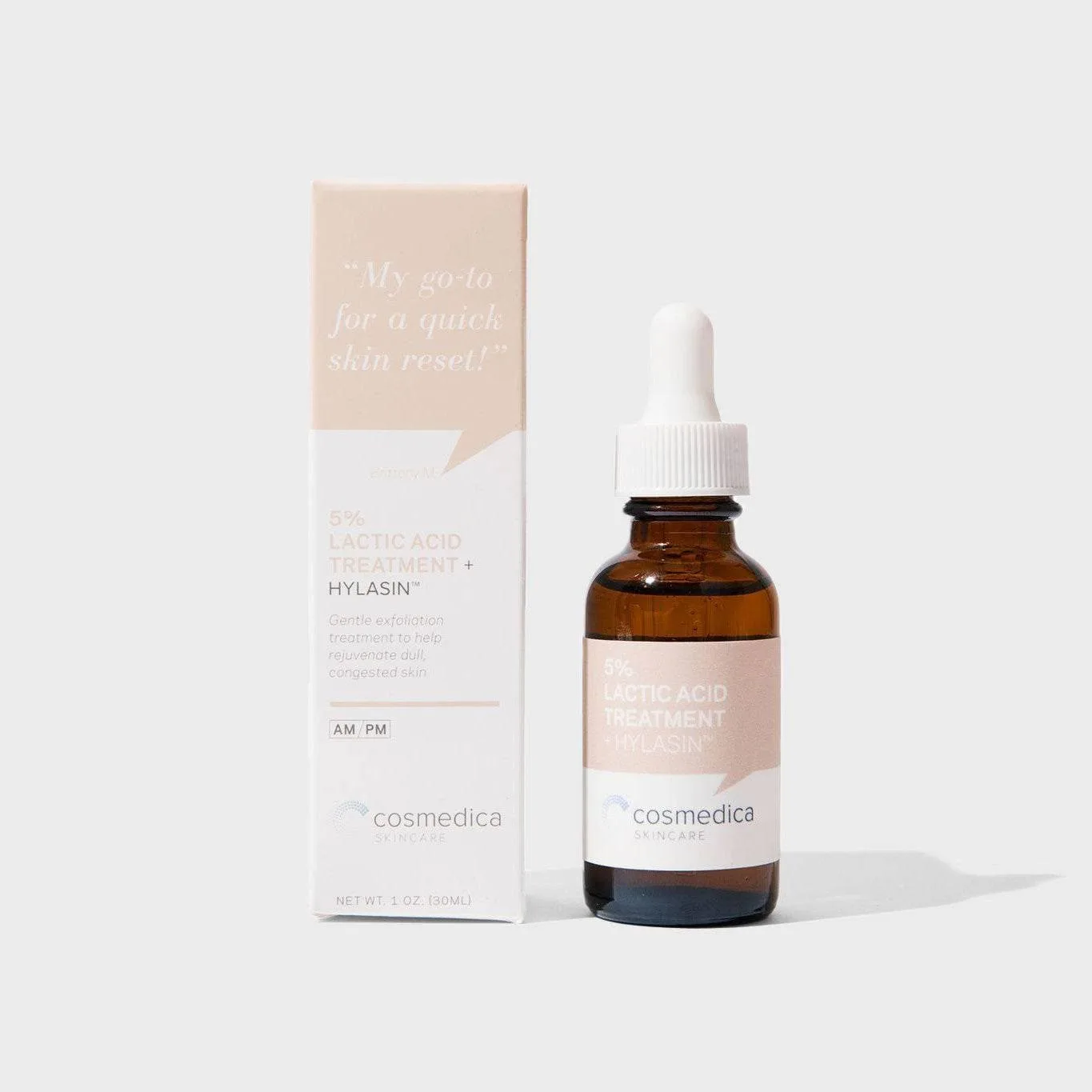
5% Lactic Acid Treatment + Hylasyn
- Vitamin E pairs well with vitamin C for enhanced protection
- Lighter formulations are better for oily or acne-prone skin
- Vitamin E complements exfoliating acids by soothing the skin
Frequently Asked Questions About Vitamin E
Can I use vitamin E oil directly on my skin? Yes, but it's best to dilute it with a carrier oil or use a product formulated with vitamin E to avoid irritation. Pure vitamin E oil is very concentrated and can be comedogenic for some skin types.
Is vitamin E safe for all skin types? Generally, yes. However, those with very oily or acne-prone skin should opt for lighter formulations. Always patch test before applying to your face. Vitamin E is also safe to use during pregnancy, but consult your doctor if you have any concerns.
Can vitamin E help with acne scars? Vitamin E can help fade hyperpigmentation and support skin healing, which may reduce the appearance of acne scars over time. However, it's not a substitute for treatments like retinoids or chemical peels. For best results, combine vitamin E with other proven ingredients like niacinamide or lactic acid.
- Dilute pure vitamin E oil or use a formulated product
- Patch test to ensure compatibility, especially if you have sensitive skin
- Combine with other actives for comprehensive scar treatment
Vitamin E is a versatile and essential ingredient for anyone looking to enhance their skincare routine. Its antioxidant, hydrating, and anti-inflammatory properties make it suitable for a wide range of concerns, from premature aging to dryness and irritation. By incorporating a vitamin E serum or moisturizer into your daily regimen, you can protect your skin from environmental damage and maintain a youthful glow. Explore our selection of vitamin E-infused products, like the Cosmedica Skincare Vitamin C Serum for Face with Hyaluronic Acid, and start reaping the benefits today.