Vitamin C and niacinamide are two of the most celebrated ingredients in modern skincare. Vitamin C is a powerful antioxidant that brightens skin, fades dark spots, and boosts collagen production. Niacinamide (vitamin B3) strengthens the skin barrier, regulates oil, reduces redness, and minimizes pores. Both are beloved for their versatility and visible results.
But a persistent myth has circulated for years: that these two ingredients cannot be used together. The concern? That vitamin C's low pH would destabilize niacinamide, potentially converting it into niacin (a form that can cause flushing and irritation). In this article, we'll separate fact from fiction, explain the science behind the myth, and show you exactly how to layer them for maximum benefit—without compromising your skin.
The Myth: Why People Think Vitamin C and Niacinamide Don't Mix
The idea that vitamin C and niacinamide are incompatible stems from a 1960s study that suggested niacinamide could hydrolyze into niacin in the presence of acidic ingredients. Since L-ascorbic acid (the pure form of vitamin C) is highly acidic (pH 3-4), it was assumed that combining the two would trigger this reaction, leading to flushing, tingling, or reduced efficacy.
However, modern research and formulation science have debunked this. In reality, the conversion of niacinamide to niacin requires extremely low pH (below 3) and prolonged exposure—conditions rarely found in stable, well-formulated products. Most contemporary vitamin C serums are buffered to a pH around 3.2-3.5, and niacinamide remains perfectly stable in that range. The real issue is not chemical incompatibility but potential skin irritation if you layer two strong actives without proper buffering or a suitable routine.
- Tip: Always patch-test new combinations on your inner arm before applying to your face.
The Science: Why They Can Work Beautifully Together
When used correctly, vitamin C and niacinamide complement each other brilliantly. Vitamin C works primarily in the morning to neutralize free radicals from UV and pollution, while boosting collagen synthesis. Niacinamide strengthens the skin barrier, reduces transepidermal water loss, and helps regulate sebum production—making it ideal for both AM and PM use.
Studies have shown that niacinamide can actually enhance the stability of certain vitamin C derivatives, and both ingredients are well-tolerated when applied sequentially. The key is to apply vitamin C first (on clean, dry skin) because it works best at an acidic pH, then wait 30-60 seconds for it to absorb before applying niacinamide. This simple layering technique ensures each ingredient performs optimally without interference.
- Pro tip: If you have sensitive skin, start by using them on alternate days before trying them together.
How to Layer Vitamin C and Niacinamide in Your Routine
The most effective way to use both ingredients is in the morning. Begin with a gentle cleanser—such as the ClariCleanse AHA & BHA Exfoliating Cleanser, which provides mild exfoliation without stripping the skin. Follow with a vitamin C serum; the Glow-C Vitamin C 30% Serum is a potent option that delivers brightening antioxidants in a stable, pH-balanced formula. After a short wait, apply a niacinamide serum like the Porebright Niacinamide 10% Refining Serum to refine pores and even skin tone. Finish with a moisturizer and SPF.
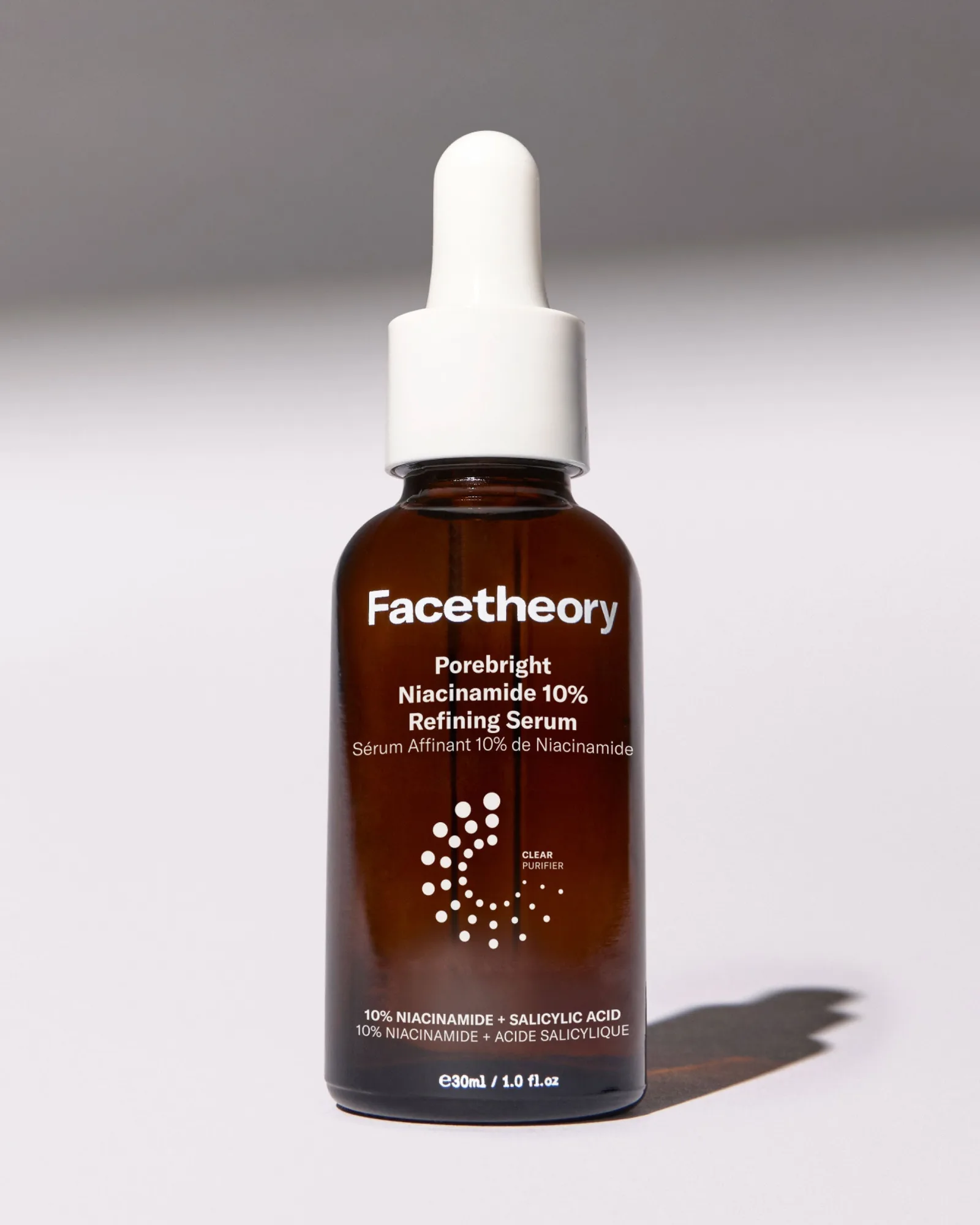
Porebright Niacinamide 10% Refining Serum
In the evening, you can use niacinamide alone or pair it with other actives like retinol or peptides. The https://glamkitai.shop/products/glow-c-daily-moisturiser-spf-30-128018Glow-C Daily Moisturiser SPF 30 is an excellent AM step that combines hydration with sun protection, ensuring your vitamin C and niacinamide work are shielded from UV damage. For those with dry or mature skin, the HydraSerene Night Cream provides deep nourishment while niacinamide continues to support barrier repair overnight.
- Morning routine order: Cleanse → Vitamin C serum → Niacinamide serum → Moisturizer → SPF
Who Should Avoid Using Them Together?
While most skin types can tolerate the combination, those with extremely sensitive, reactive, or compromised skin barriers may experience irritation. If your skin is red, peeling, or stinging from other actives (like retinoids or acids), it's wise to simplify your routine. In such cases, use niacinamide alone for a few weeks to strengthen the barrier before introducing vitamin C.
Additionally, if you are using a high-concentration L-ascorbic acid serum (20% or more) alongside a 10-20% niacinamide serum, you may notice temporary tingling. This is usually harmless but can be minimized by choosing lower concentrations or using a derivative of vitamin C (such as ascorbyl glucoside) which is gentler. The Porebright Niacinamide 20% Refining Serum offers a higher potency option for those with resilient skin who want maximum pore-refining and brightening benefits.
- Signs to stop: persistent redness, stinging, or breakouts in areas where you applied both products.
Top Products for a Vitamin C + Niacinamide Routine
To build an effective routine, start with a clean, well-prepared canvas. The Glow-C Cleansing Balm removes makeup and sunscreen without stripping, making it an ideal first step. Follow with a vitamin C serum—the Glow-C Vitamin C 30% Serum is a standout for its brightening and anti-aging benefits. Then layer a niacinamide serum; the Porebright Niacinamide 10% Refining Serum is a great entry point, while the Porebright Niacinamide 20% Refining Serum offers advanced results for oily or congested skin.
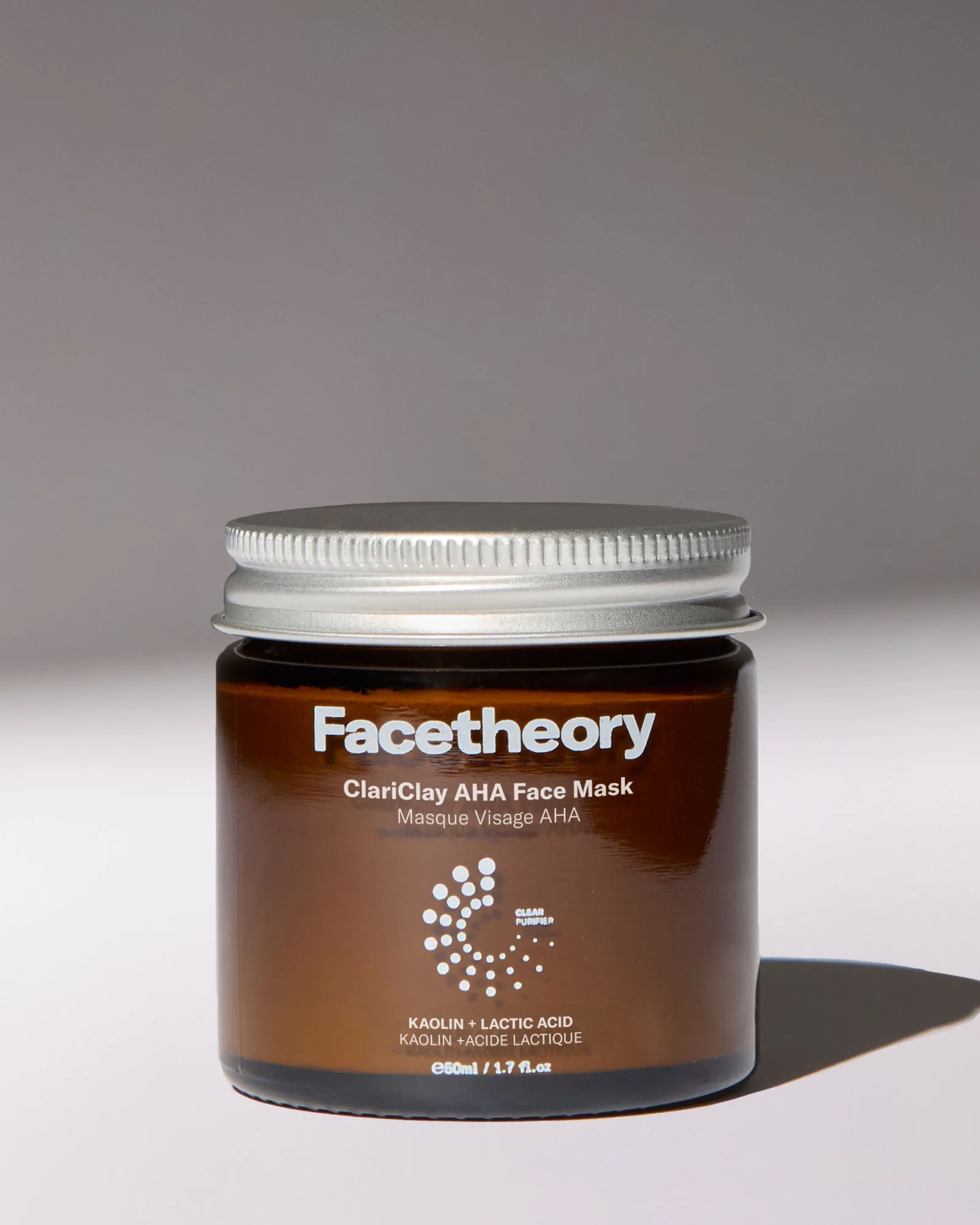
Don't forget hydration and protection. The Ectoin BarrierBuild Milk is a lightweight moisturizer that reinforces the skin barrier with ectoin and ceramides—perfect for use after niacinamide. And always finish with SPF; the Glow-C Daily Moisturiser SPF 30 combines hydration with broad-spectrum protection, ensuring your hard work isn't undone by UV exposure. For weekly deep exfoliation, the ClariClay AHA Face Mask can be used once a week to keep pores clear and enhance absorption of your serums.
- Product pairing tip: Use gentle, non-stripping cleansers to maintain skin pH before applying actives.
The myth that vitamin C and niacinamide cannot be used together has been thoroughly debunked by modern skincare science. When layered correctly—vitamin C first, then niacinamide—they work synergistically to brighten, protect, and strengthen your skin. Start with a gentle cleanser, choose stable formulations like the Glow-C Vitamin C 30% Serum, and follow with a niacinamide serum suited to your skin's needs. With the right routine, you can enjoy the best of both worlds: radiant, even-toned, and resilient skin every day.