When it comes to immune support, vitamin C is the classic go-to. But walk down the supplement aisle and you’ll see countless options that add vitamin D and zinc to the mix. So which one should you choose? The answer isn’t one-size-fits-all—it depends on your diet, your lifestyle, and what your body actually needs.
In this comparison, we’ll break down the science behind vitamin C, vitamin D, and zinc, how they work together, and help you decide whether a simple C supplement or a combined formula is the right call for your immune system.
The Role of Vitamin C in Immune Health
Vitamin C is a water-soluble vitamin that acts as a powerful antioxidant. It helps protect cells from oxidative stress, supports the production of white blood cells, and enhances their function. Your body doesn’t produce or store vitamin C, so you need a regular supply from food or supplements.
Many people turn to high-dose vitamin C at the first sign of a cold. While it won’t cure a cold, studies suggest it may shorten the duration and reduce severity. For daily immune maintenance, a consistent intake is more important than mega-dosing when you’re already sick.
- Supports white blood cell function
- Antioxidant protection
- Needed daily because the body doesn't store it
Why Add Vitamin D and Zinc?
Vitamin D is fat-soluble and acts more like a hormone. It modulates the immune response, helping to keep it balanced—not too weak, not overactive. Many people are deficient, especially in winter or with limited sun exposure. Zinc is a trace mineral that is critical for immune cell development and communication. It also has antiviral properties and can help reduce the duration of colds when taken early.
Combining vitamin C, D, and zinc creates a multi-pronged approach: C provides antioxidant support, D regulates the immune response, and zinc helps immune cells function. This trio is especially popular during cold and flu season.
- Vitamin D supports immune regulation
- Zinc supports immune cell function and may shorten colds
- Combined, they cover different aspects of immunity
Key Differences: Absorption and Timing
Vitamin C is water-soluble, so any excess is excreted in urine. It’s best taken in divided doses throughout the day. In contrast, vitamin D is fat-soluble, meaning it’s absorbed better when taken with a meal containing fat. Zinc is best taken with food to avoid stomach upset, but avoid taking it with calcium or iron at the same time, as they compete for absorption.
If you choose a combined supplement, you get the convenience of one pill. However, you might miss the flexibility of adjusting individual doses. For example, someone who gets plenty of sun might not need extra vitamin D, while someone with a poor diet might need more zinc.
- Take vitamin C in divided doses
- Take vitamin D with a fatty meal
- Take zinc with food, but not with calcium or iron
Who Should Choose Plain Vitamin C?
If you already have adequate vitamin D and zinc levels—perhaps from sun exposure, a balanced diet, or other supplements—plain vitamin C is a simple, cost-effective way to top up your antioxidant defense. It’s also a good choice if you prefer to manage each nutrient separately.
For example, High Strength Vitamin C 1200mg 150t provides a potent daily dose without extra ingredients. It’s ideal for those who want a straightforward immune boost without worrying about vitamin D toxicity or zinc interactions.
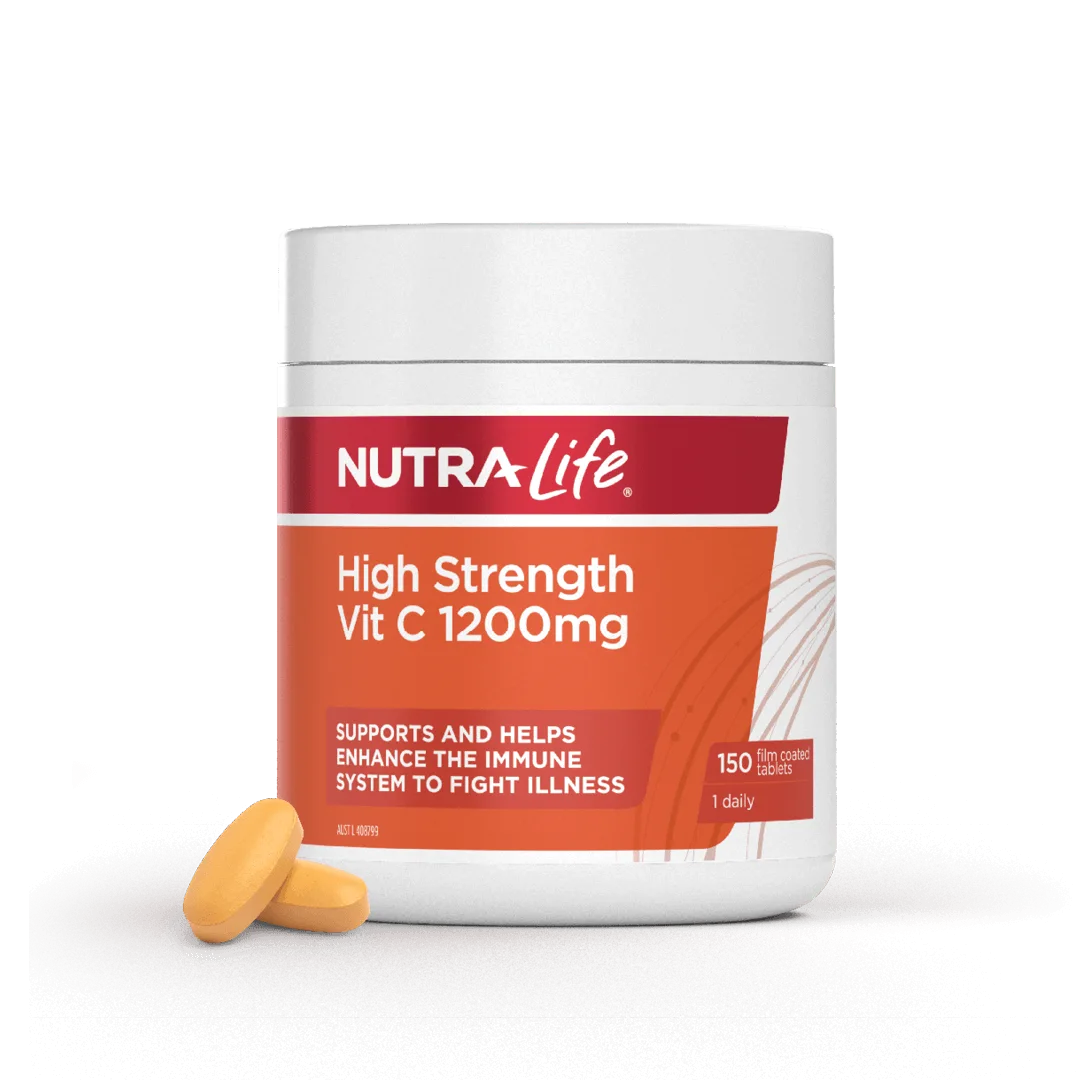
High Strength Vitamin C 1200mg 150t
- You get enough D and zinc from diet or other supplements
- You prefer to customize your doses
- You want a simple, high-dose antioxidant
Who Should Choose a C + D + Zinc Combo?
If you’re looking for comprehensive immune support in one pill, a combo is convenient. It’s especially useful if you have limited sun exposure, follow a plant-based diet (zinc is less absorbable from plants), or just want to cover all bases during cold season.
A product like Rapid-C 1000mg is a good example of a fast-absorbing vitamin C option, but if you want the trio, look for a formula that includes D and zinc. Many combos also include other supportive nutrients like elderberry or echinacea.
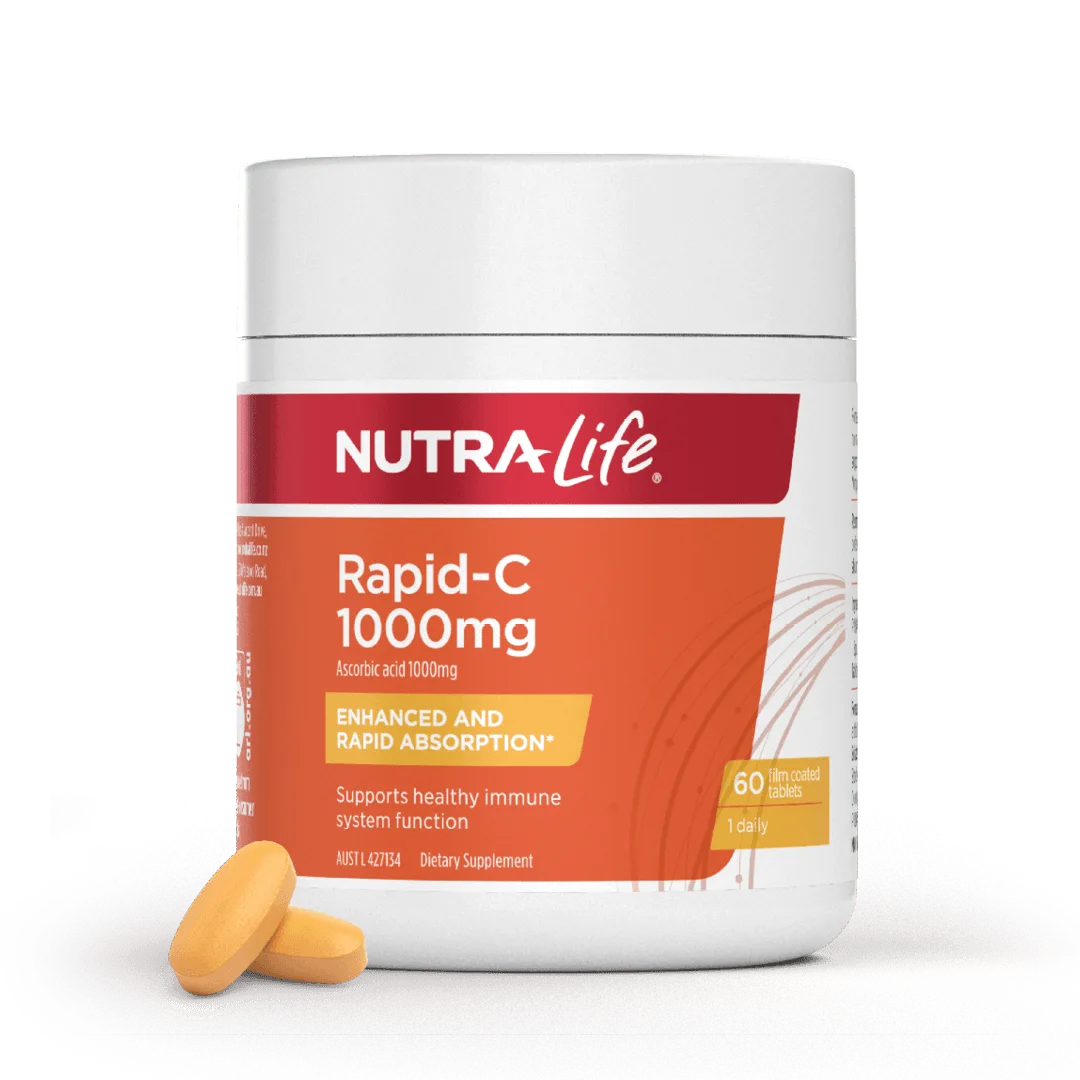
Rapid-C 1000mg
- You want all-in-one convenience
- You have limited sun exposure or dietary gaps
- You’re preparing for cold and flu season
How to Choose the Right Immune Supplement
Start by evaluating your diet and lifestyle. Do you eat citrus fruits, peppers, and leafy greens? Are you outdoors often? Do you consume dairy or fortified foods? If you’re unsure, a blood test can reveal deficiencies. Then, consider the form: tablets, capsules, powders, or effervescent. Some people prefer powders for easier digestion.
Also, check the dosage. For vitamin C, 500–1000 mg per day is common for immune support. For vitamin D, 600–2000 IU is typical, but your need may vary. For zinc, 8–11 mg for adults is the RDA, but higher doses are used for colds. Always follow the label and consult a healthcare provider if you have underlying conditions.
- Assess your diet and sun exposure
- Check dosages for each nutrient
- Choose a form that fits your routine
Both plain vitamin C and C+D+Zinc combos have their place. If you’re looking for a simple, high-dose antioxidant, a standalone C supplement like High Strength Vitamin C 1200mg 150t is a solid choice. If you want comprehensive coverage, consider a combo that includes D and zinc. Whichever you pick, consistency matters more than perfection. Your immune system works around the clock—give it the support it needs every day.