A sharp paring knife is one of the most versatile tools in your kitchen, especially when it comes to preparing ramen toppings. While a chef's knife handles bulk chopping, the VKS paring knife excels at intricate, precise cuts that elevate your bowl from good to great. Whether you're slicing delicate scallion curls or peeling a perfect ginger slice, mastering this small blade can transform your ramen prep workflow.
In this guide, we'll walk through specific VKS knife techniques for common ramen toppings, plus tips on grip, safety, and maintenance. You'll learn how to use your VKS paring knife like a pro, making every topping look intentional and taste better.
Why a Paring Knife Belongs in Your Ramen Kit
A paring knife's short blade (typically 3–4 inches) gives you exceptional control for small, detailed work. For ramen toppings, this means you can create uniform slices of soft ingredients like soft-boiled egg or avocado without crushing them. The VKS paring knife's sharp, pointed tip also allows you to remove seeds, trim silverskin, or score patterns into mushrooms with ease.
Unlike a larger chef's knife, a paring knife lets you keep your fingertips safely curled under your knuckles while the blade works close to your hand. This precision is especially valuable when you're working with slippery ingredients like peeled ginger or when you need to make angled cuts for visual appeal. Adding a VKS paring knife to your ramen prep arsenal means less waste and more consistent results.
- Use the tip for piercing and scoring; use the heel for slicing through harder items like carrot coins.
Essential VKS Paring Knife Techniques for Toppings
Start with scallions: trim the root end, then make a series of lengthwise cuts from the white bulb into the green tops, stopping about an inch from the end. Drop them in ice water for a few minutes to curl into beautiful scallion flowers. The VKS paring knife's sharp tip lets you control the depth of each cut precisely.
For soft-boiled eggs, use a gentle sawing motion with the blade's edge to slice cleanly through the white without smashing the yolk. A paring knife's thin profile reduces drag. When slicing nori sheets, use a light, straight downward cut to avoid tearing. For ginger, peel with the blade angled away from you, then slice into thin matchsticks using a rocking motion with the tip.
- Always cut on a stable, non-slip cutting board to prevent accidents.
Grip and Safety Tips for Precision Cutting
Hold the VKS paring knife with a pinch grip: pinch the blade just above the handle between your thumb and index finger, then wrap your remaining fingers around the handle. This gives you maximum control and reduces fatigue during detailed work. Keep your guiding hand in a claw shape, with fingertips tucked under, so the blade slides against your knuckles rather than your fingers.
When peeling or carving, always cut away from your body and keep the blade's edge facing away from your other hand. If you're new to paring knife techniques, practice on less slippery ingredients first, like carrots or cucumbers, before moving to softer items like tomatoes. Sharpen your VKS paring knife regularly—a dull blade is more dangerous because it requires extra force.
- Use a honing rod before each prep session to maintain the edge.
Putting It All Together: A Ramen Topping Prep Workflow
Start by prepping all your ingredients in order of messiness: dry items first (nori, sesame seeds), then vegetables (scallions, mushrooms), then proteins (egg, chashu), and finally sauces or garnishes. Use your VKS paring knife for any task that benefits from precision: slicing scallion greens into thin rings, trimming the ends off enoki mushrooms, or cutting nori into decorative rectangles.
For a complete bowl, pair your perfectly prepped toppings with a quality noodle base like the Vegan White Miso v3.1 or Hearty Beef "Bo Kho" v3.1. The visual appeal of uniform, skillfully cut toppings makes every bite more enjoyable—and shows you care about the craft. Clean your VKS paring knife immediately after use with warm water and mild soap, then dry thoroughly to prevent rust.
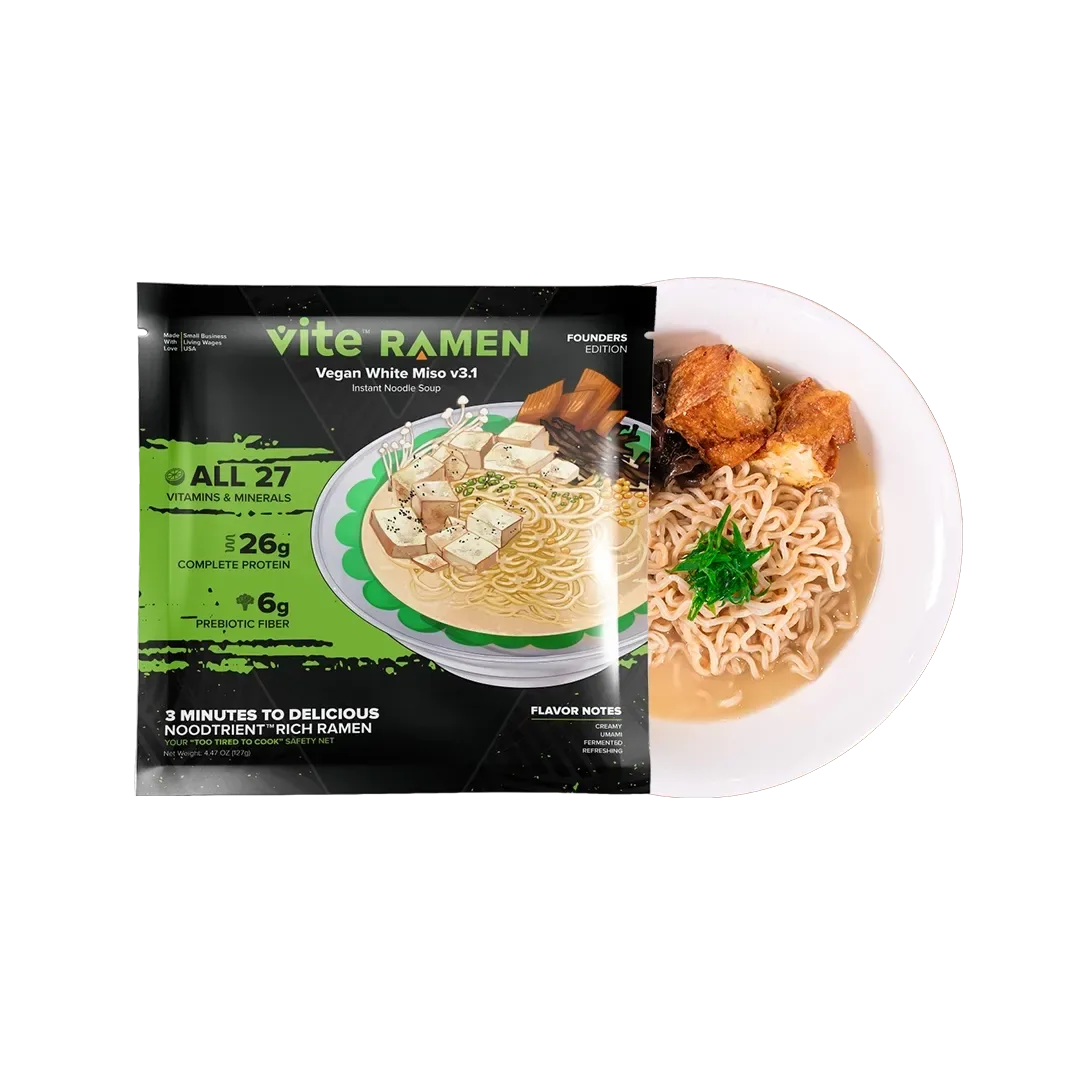
Vegan White Miso v3.1
- Store your paring knife in a blade guard or magnetic strip to protect the edge.
Mastering the VKS paring knife opens up a world of precise, beautiful ramen toppings. With the right grip, a few key techniques, and regular practice, you'll be able to prep ingredients faster and with more consistency. Next time you build a bowl, reach for your paring knife first—you'll see the difference in every slice.