Quick Answer
For daily use, washable nursing pads are the cost-effective and eco-friendly choice if you can wash them regularly. Disposable pads offer maximum convenience and are ideal for outings, heavy leakage, or when laundry is a hassle. Choose based on your routine, leakage level, and comfort priorities.
Daily Use Realities: Leakage and Laundry
Your daily nursing routine likely involves frequent feedings, and leaks can happen anytime. Washable pads require a steady supply—typically you'll need several pairs to rotate through the day and while they dry. Disposable pads are single-use, so you can toss them and move on, which is a lifesaver when you're out or exhausted.
Consider your leakage volume. Heavy leakers may find disposables more absorbent, but washable pads can be layered or changed more frequently. Light to moderate leakers often do fine with washable pads and appreciate the savings over time.
Comfort and Skin Sensitivity
Washable pads are typically made of soft cotton or bamboo, which feels gentle against tender skin. They are breathable and can reduce irritation compared to some disposable options. However, if you have very sensitive skin, you may need to wash them with a fragrance-free detergent to avoid reactions.
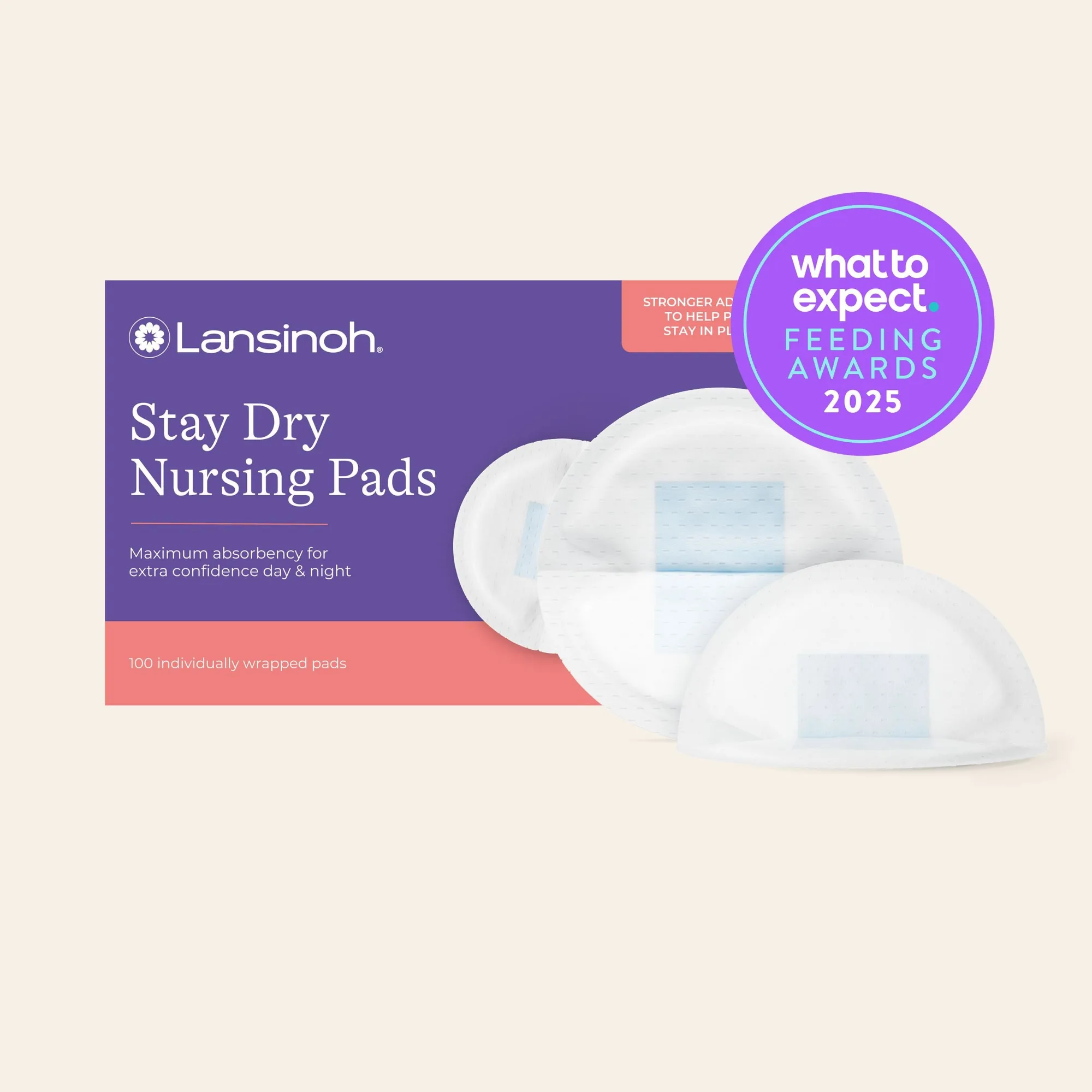
Disposable pads often have a waterproof backing and absorbent core, which can feel bulkier but provide reliable protection. Some brands include adhesive strips to stay in place, which is handy for active days. Test both to see which feels better against your skin.
Cost and Environmental Impact
Over months of breastfeeding, the cost of disposables adds up. Washable pads are a one-time purchase and can last through multiple children if cared for properly. They also reduce waste, which is a plus if you're eco-conscious.
Disposables are convenient but create daily trash. If you're on a tight budget or want to minimize your environmental footprint, washable pads are the clear winner. For occasional use, disposables might be worth the convenience.
Trade-Offs at a Glance
- Convenience: Disposable pads are grab-and-go; washable pads require washing and drying time. If convenience is your top priority, choose disposables for outings.
- Cost Over Time: Washable pads cost more upfront but save money over months; disposables are a recurring expense. Budget-conscious moms should invest in washable pads.
- Comfort and Skin: Washable cotton pads are often softer and more breathable; disposables may feel bulkier but offer reliable absorption. Test both to find what feels best for your skin.
- Environmental Impact: Washable pads reduce waste; disposables add to landfill. Eco-friendly moms will prefer reusable options.
Product Facts
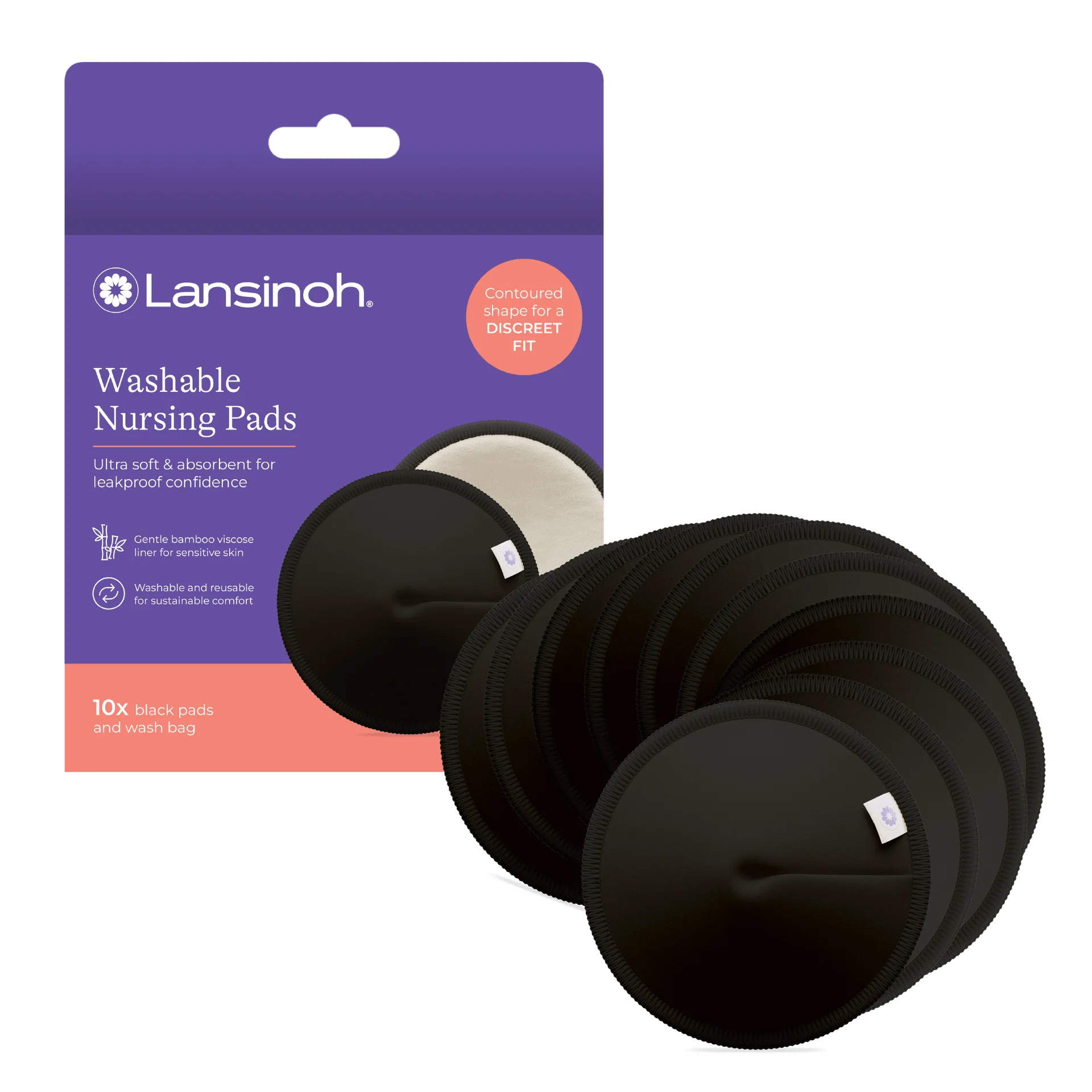
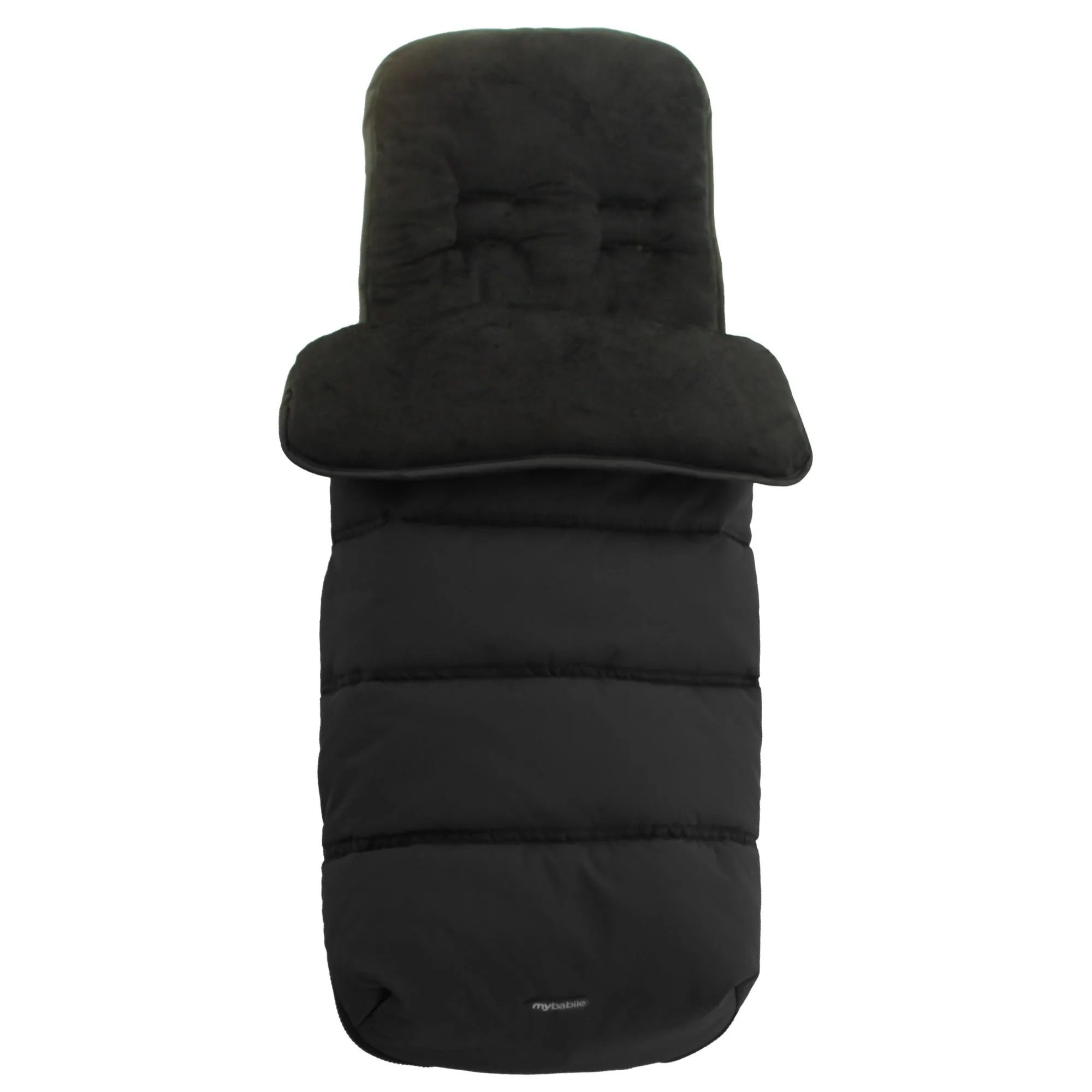
- Washable Nursing Pads, 10 Count: Includes 10 washable nursing pads for repeated use, available in Black. A set of 10 gives you enough to rotate through the day and laundry cycles, making them practical for daily use.
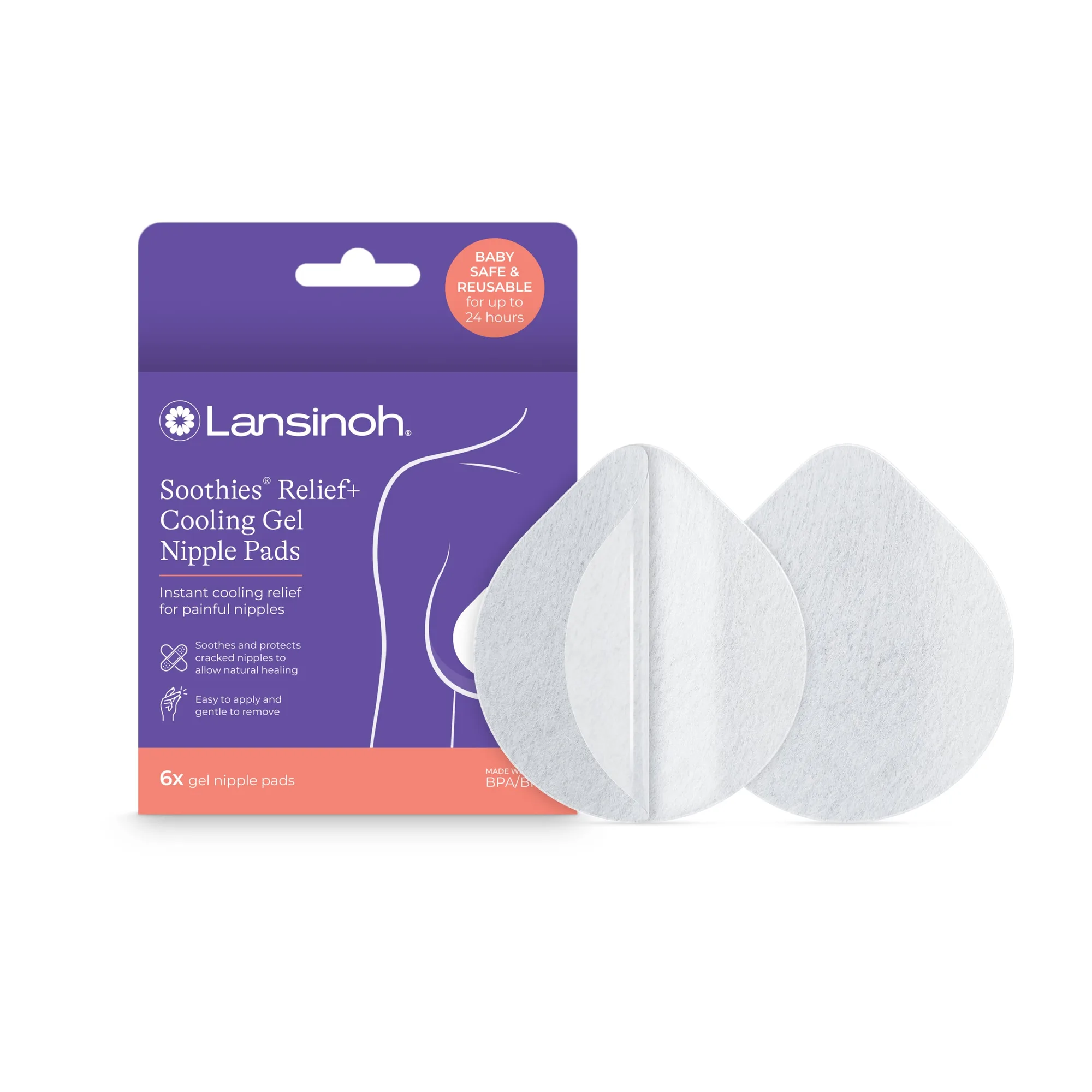
- Soothies® Relief+ Cooling Gel Nipple Pads: Cooling gel pads help soothe and comfort sore nipples during breastfeeding, designed to fit comfortably inside a nursing bra. If you experience nipple tenderness, these reusable pads provide targeted relief between feedings, complementing your nursing pad routine.
Which Type Fits Your Routine?
Best for
- Moms who do laundry regularly and want to save money long-term
- Moms with light to moderate leakage who prefer soft, breathable materials
Not for
- Moms who are always on the go without access to laundry
- Moms with very heavy leakage who need maximum absorbency and convenience