Quick answer
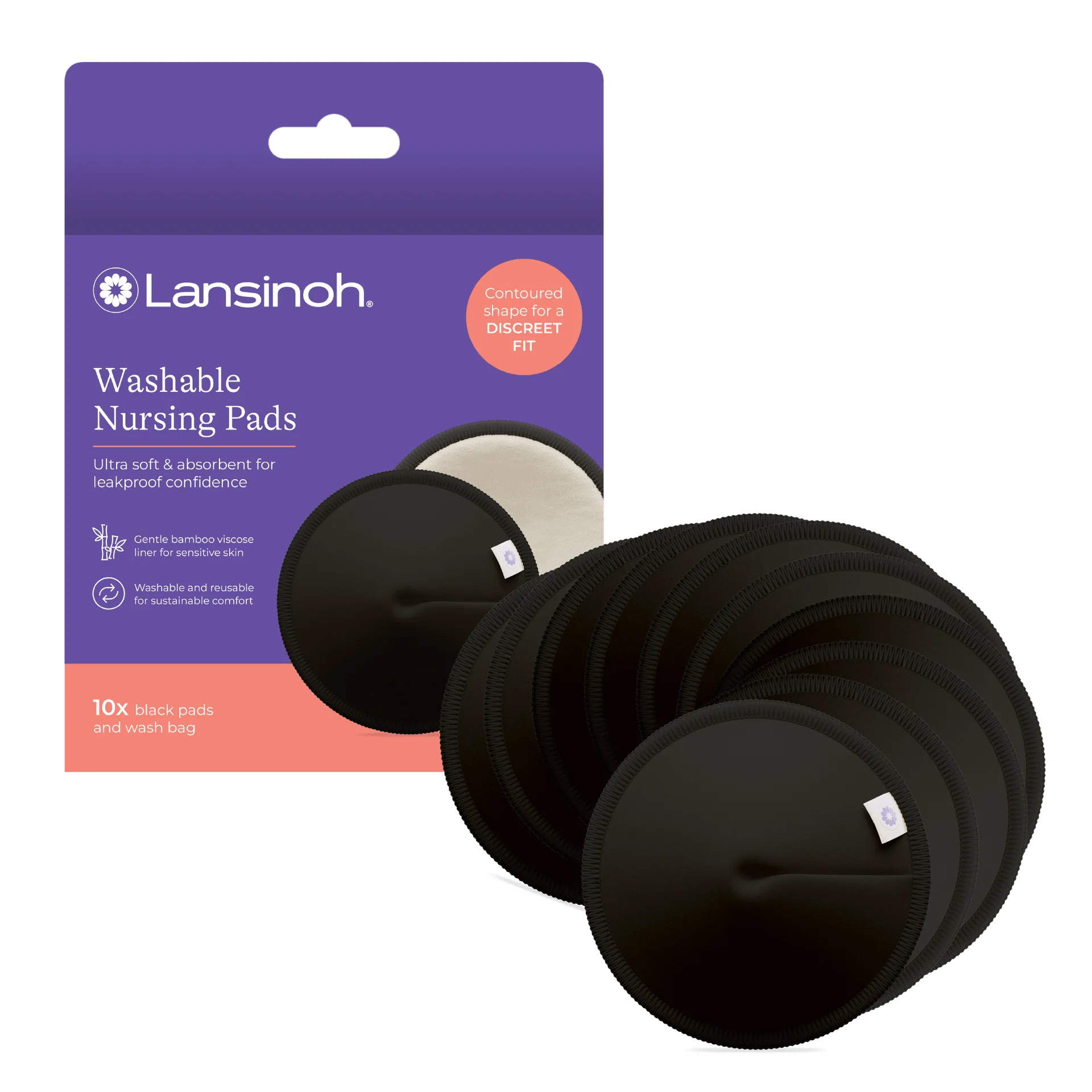
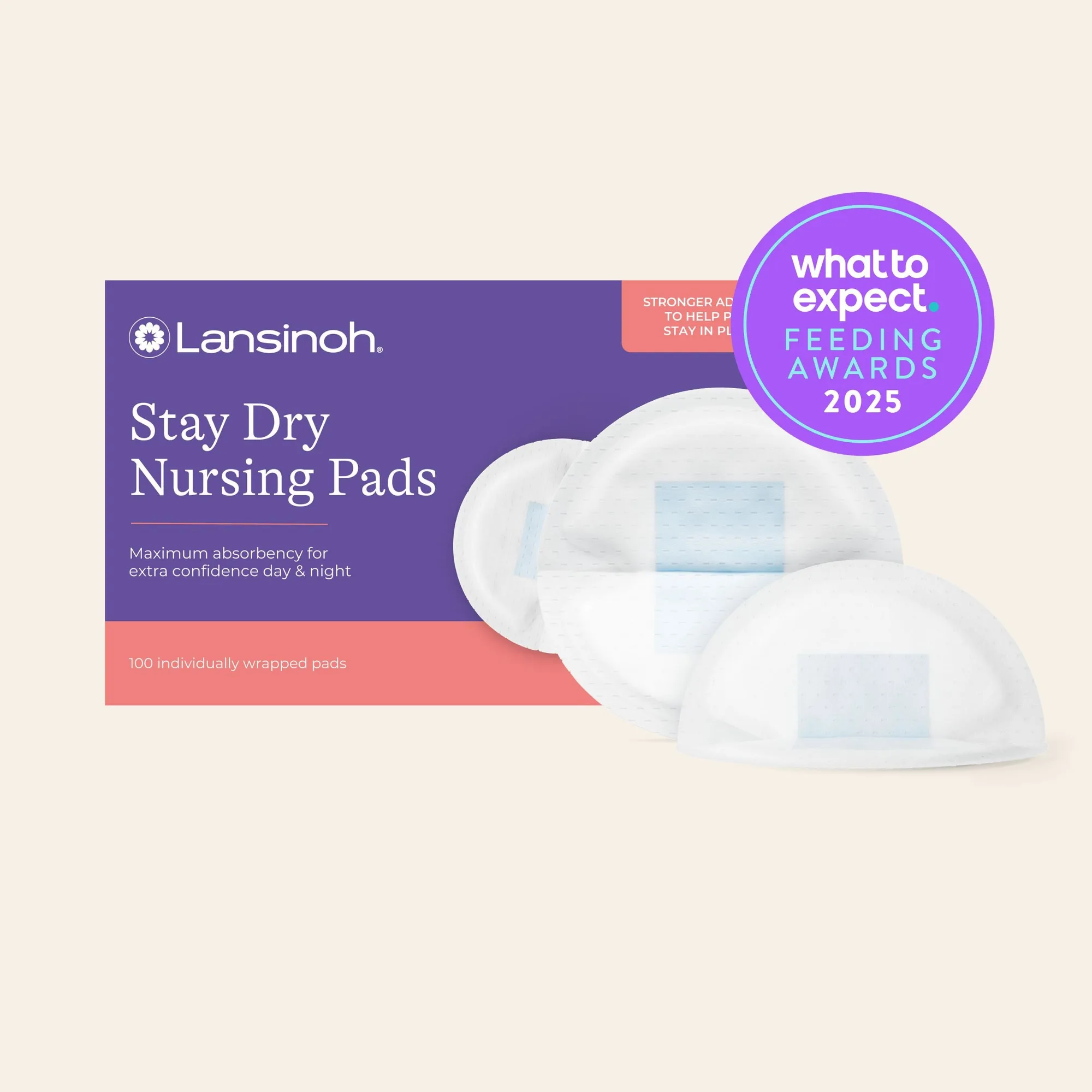
For most nursing mothers, a hybrid approach works best: use disposable pads like Lansinoh Stay Dry Disposable Nursing Pads during the early weeks of heavy leaking or when you're away from home, and switch to washable pads like Lansinoh Washable Nursing Pads once your supply regulates and leaks become lighter. If you want a single type, choose disposables for maximum absorbency and convenience, or washables for lower long-term cost and less waste.
Absorbency and leak protection
Disposable pads are engineered for high-volume leakage. Lansinoh Stay Dry Disposable Nursing Pads absorb 20 times their weight in liquid, with a waterproof backing and an InvisiLock core that captures and disperses moisture instantly. That makes them a reliable choice for overnight or heavy let-down. Washable pads, including Lansinoh Washable Nursing Pads, are reusable and designed for everyday comfort, but the catalog does not specify an absorbency multiplier. If you experience heavy leakage, disposables are the safer bet; washables may need more frequent changes.
Cost and environmental impact
Washable pads cost more upfront but can be reused many times, lowering your cost per use over months of nursing. Disposable pads are cheaper per pack but are thrown away after each use, creating ongoing expense and waste. If you plan to nurse for a year or more, washables often save money; if you prefer minimal laundry and don't mind recurring purchases, disposables are simpler.
Comfort, fit, and skin sensitivity
Disposable pads like Lansinoh Stay Dry have a super-soft lining with air pockets, are dermatologist tested, and are designed for sensitive skin. Washable pads are typically made of fabric and may feel softer against the skin for some, but they can shift if not held securely by your bra. Both types come in different sizes or counts; check the available options (Pad Count for disposables, Color for washables) to match your needs. For fit, ensure the pad lies flat without bunching and covers the nipple fully.
Care and maintenance
Washable nursing pads require regular washing with a gentle detergent, and you'll need enough pairs to rotate while others are in the laundry. Disposable pads need no care beyond proper disposal. If you choose washables, follow the care label; the catalog does not specify washing instructions, so check the packaging. For heavy leakage, you may need to change washables more often than disposables, which increases laundry frequency.
Trade-offs at a glance
- Absorbency vs. reusability: Disposables absorb more liquid and lock it away, while washables can be reused but may not handle heavy flows as well. If you leak heavily, choose disposables; if you leak lightly, washables can work.
- Upfront cost vs. ongoing cost: Washables cost more initially but save money over time; disposables are cheaper per pack but add up. Calculate based on how long you plan to nurse.
- Convenience vs. environmental impact: Disposables are toss-and-go but create waste; washables require laundry but reduce trash. Pick based on your daily routine and values.
Product facts
- Stay Dry Disposable Nursing Pads: Lansinoh Stay Dry Disposable Nursing Pads absorb 20 times their weight in liquid and feature a waterproof lining and InvisiLock core. These pads are ideal for heavy leakage and overnight use, providing leak-proof confidence without frequent changes.
- Washable Nursing Pads, 10 Count: Lansinoh Washable Nursing Pads, 10 Count, are reusable and available in Black. They offer a lower-waste, cost-saving option for daily use, but may need more frequent changes if you leak heavily.
Which should you buy?
Best for
- Mothers with heavy leakage or overnight use who want maximum absorbency and leak protection
- Those who prefer the convenience of disposable pads and don't mind recurring purchases
Not for
- Mothers looking to minimize waste and long-term cost, who may prefer washable pads
- Those with very sensitive skin who react to disposable materials (though Lansinoh disposables are dermatologist tested)