Quick Answer
Washed coffee highlights clarity and acidity, while honey processed coffee brings sweetness and body. If you love bright, tea-like cups, go washed; if you prefer juicy, fruit-forward flavors, try honey processed. Both are worth exploring, and Friedhats offers great examples of each.
When you browse specialty coffee, you’ll see terms like washed and honey processed on bags. These refer to how the coffee cherry is handled after picking, and they dramatically affect flavor. Understanding the difference helps you pick beans that match your taste.
Washed coffees are fermented and rinsed to remove all fruit before drying, resulting in a clean cup. Honey processed coffees leave some or all of the sticky fruit (the mucilage) on the bean during drying, adding sweetness and body. Let’s break down the trade-offs.
What Is Washed Coffee?
Washed coffee, also called wet-processed, removes the cherry’s skin and fruit before drying. The beans are fermented to break down remaining mucilage, then washed with water. This method highlights the bean’s intrinsic qualities, producing a clean, bright cup with pronounced acidity.
If you enjoy a crisp, tea-like coffee with floral or citrus notes, washed is a safe bet. It’s the most common processing method in places like Ethiopia and Peru, where high altitudes and careful farming shine through.
- Expect higher acidity and clarity.
- Flavor notes tend toward floral, citrus, or stone fruit.
What Is Honey Processed Coffee?
Honey processed coffee sits between washed and natural. The skin is removed, but some sticky mucilage is left on the bean while it dries. This adds sweetness and body, often with notes of caramel, honey, or ripe fruit.
The amount of mucilage left can vary, leading to yellow, red, or black honey classifications. More mucilage means more sweetness and a heavier mouthfeel. It’s a great middle ground if you want fruitiness without the full intensity of a natural process.
- Expect more sweetness and body than washed.
- Flavor notes often include honey, caramel, or tropical fruit.
Key Differences at a Glance
The main difference is how much fruit is left on the bean during drying. Washed removes everything; honey leaves some. This simple choice changes acidity, sweetness, and mouthfeel.
Washed coffees are often more transparent, letting the origin and variety speak. Honey processed coffees add a layer of sweetness that can make them more approachable for those new to specialty coffee.
- Washed: clean, bright, high acidity.
- Honey: sweet, full-bodied, moderate acidity.
The Trade-Offs
- Flavor clarity: Washed coffee offers a clean, precise cup. Honey processed adds sweetness but can mask some origin character. Choose washed if you want to taste the terroir clearly.
- Sweetness and body: Honey processed coffee has more residual sugar and a heavier mouthfeel, making it feel richer on the palate. Choose honey if you prefer a sweeter, more syrupy cup.
- Resting time: Honey coffees often need a few weeks to fully develop. Washed coffees are usually ready sooner. Plan ahead with honey processed beans and let them rest.
Two Coffees That Show the Difference
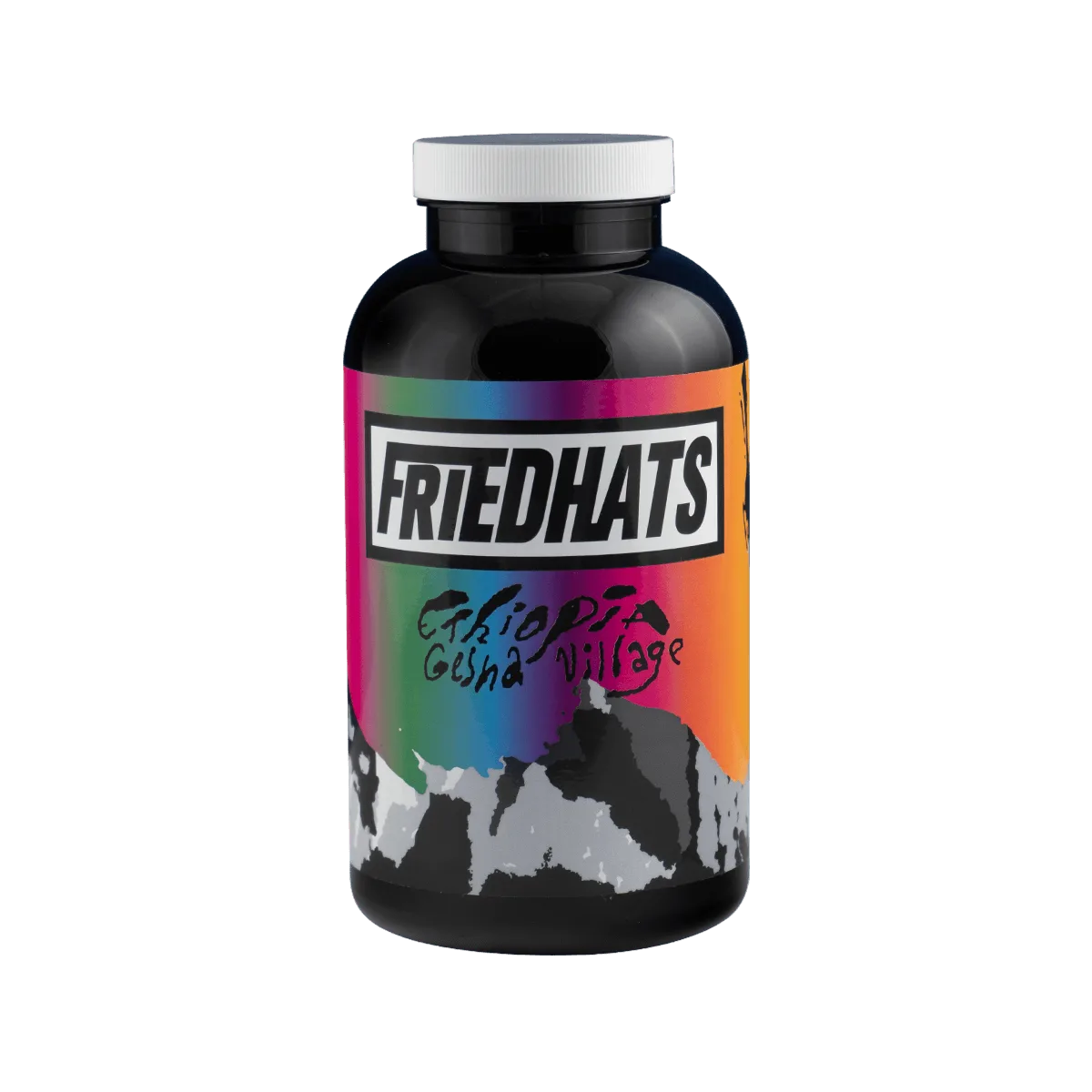
- Ethiopia Gesha Village Rarities #136 Honey: The producer notes emphasize resting the honey for at least a month to let it open up, suggesting the flavors develop over time. Honey processed coffees often taste better after a few weeks of rest, so don’t rush to finish the bag.
- Peru Pastor and Elena: This Peru might be mistaken for a washed Ethiopian on your first sip, but it’s an exciting example of what Peru can offer. Washed coffees can mimic the clarity and brightness of Ethiopian beans, making them a great choice for fans of that profile.
Which Should You Try?
Best for
- Washed: lovers of bright, tea-like coffees with high acidity.
- Honey: those who enjoy sweet, fruity cups with a fuller body.
Not for
- If you dislike heavy body or sweetness, skip honey processed.
- If you prefer bold, fermented flavors, you might want a natural process instead.
Both washed and honey processed coffees have their strengths. Try a washed Peruvian for clarity and a honey-processed Ethiopian for sweetness. You might find you love both for different moments.